Liu Yu, Li Mingquan, Teh LaiKuan, Zhao Liangbin, Ye Naijing, Wu Ling, Wu Lihua
Hospital of Chengdu University of Traditional Chinese Medicine, Chengdu, Sichuan, China.
Department of Allied Health Sciences Faculty of Science Universiti Tunku Abdul Rahman (UTAR), Kampar, Perak, Malaysia.
Evid Based Complement Alternat Med. 2022 Mar 21;2022:5699615. doi: 10.1155/2022/5699615. eCollection 2022.
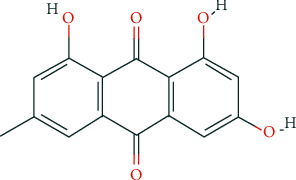
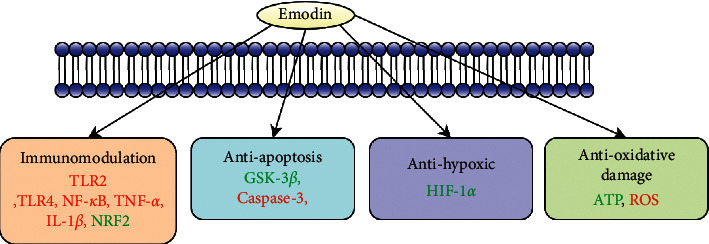
Acute kidney injury (AKI), a common condition associated with a high mortality rate, is characterized by declined glomerular filtration rate, retention of nitrogen products, and disturbances in balance of water, electrolyte, and acid-base. Up to date, there is no effective treatment for AKI. Despite the continuous improvement in blood purification techniques, a considerable proportion of patients with AKI still progress to end-stage renal disease. These patients with advanced stage of end-stage renal disease will require long-term renal replacement therapy, which places a heavy burden on the family and the society. In recent years, the use of traditional Chinese medicine (TCM) in AKI management has been gradually increasing. Clinical evidence has demonstrated that three-month treatment with TCM produced better clinical outcomes in terms of clinical effectiveness rate and improvement in renal function (serum creatinine, neutrophil gelatinase-associated lipocalin, and cystatin C) compared with Western medicine. Rhubarb is a commonly used herb in TCM for the treatment of AKI. The main active component of rhubarb is emodin, which was first recorded in Shennong's Classic of Materia Medica. It has been shown that emodin has a variety of pharmacological activities including antibacterial, anti-inflammatory, antiulcer, and immunosuppressive effects. Emodin has been found to be effective against renal fibrosis and has been widely studied for its effects on kidney diseases such as diabetic nephropathy, renal fibrosis, and AKI. Moreover, promising results have been obtained from these studies. In this study, the results obtained from research on the use of emodin for AKI treatment has been reviewed.
急性肾损伤(AKI)是一种常见疾病,死亡率很高,其特征为肾小球滤过率下降、氮质产物潴留以及水、电解质和酸碱平衡紊乱。迄今为止,尚无针对AKI的有效治疗方法。尽管血液净化技术不断改进,但仍有相当一部分AKI患者进展为终末期肾病。这些终末期肾病晚期患者需要长期肾脏替代治疗,给家庭和社会带来沉重负担。近年来,中药在AKI治疗中的应用逐渐增多。临床证据表明,与西药相比,中药治疗三个月在临床有效率和肾功能改善(血清肌酐、中性粒细胞明胶酶相关脂质运载蛋白和胱抑素C)方面产生了更好的临床效果。大黄是中药中常用于治疗AKI的一种草药。大黄的主要活性成分是大黄素,最早记载于《神农本草经》。研究表明,大黄素具有多种药理活性,包括抗菌、抗炎、抗溃疡和免疫抑制作用。已发现大黄素对肾纤维化有效,并对其在糖尿病肾病、肾纤维化和AKI等肾脏疾病中的作用进行了广泛研究。此外,这些研究也取得了令人满意的结果。在本研究中,对使用大黄素治疗AKI的研究结果进行了综述。