Charlton Peter H, Kyriaco Panicos A, Mant Jonathan, Marozas Vaidotas, Chowienczyk Phil, Alastruey Jordi
Research Centre for Biomedical Engineering, City, University of London, London EC1V 0HB, U.K.
Department of Public Health and Primary Care, University of Cambridge, Cambridge CB1 8RN, U.K.
Proc IEEE Inst Electr Electron Eng. 2022 Mar 11;110(3):355-381. doi: 10.1109/JPROC.2022.3149785.
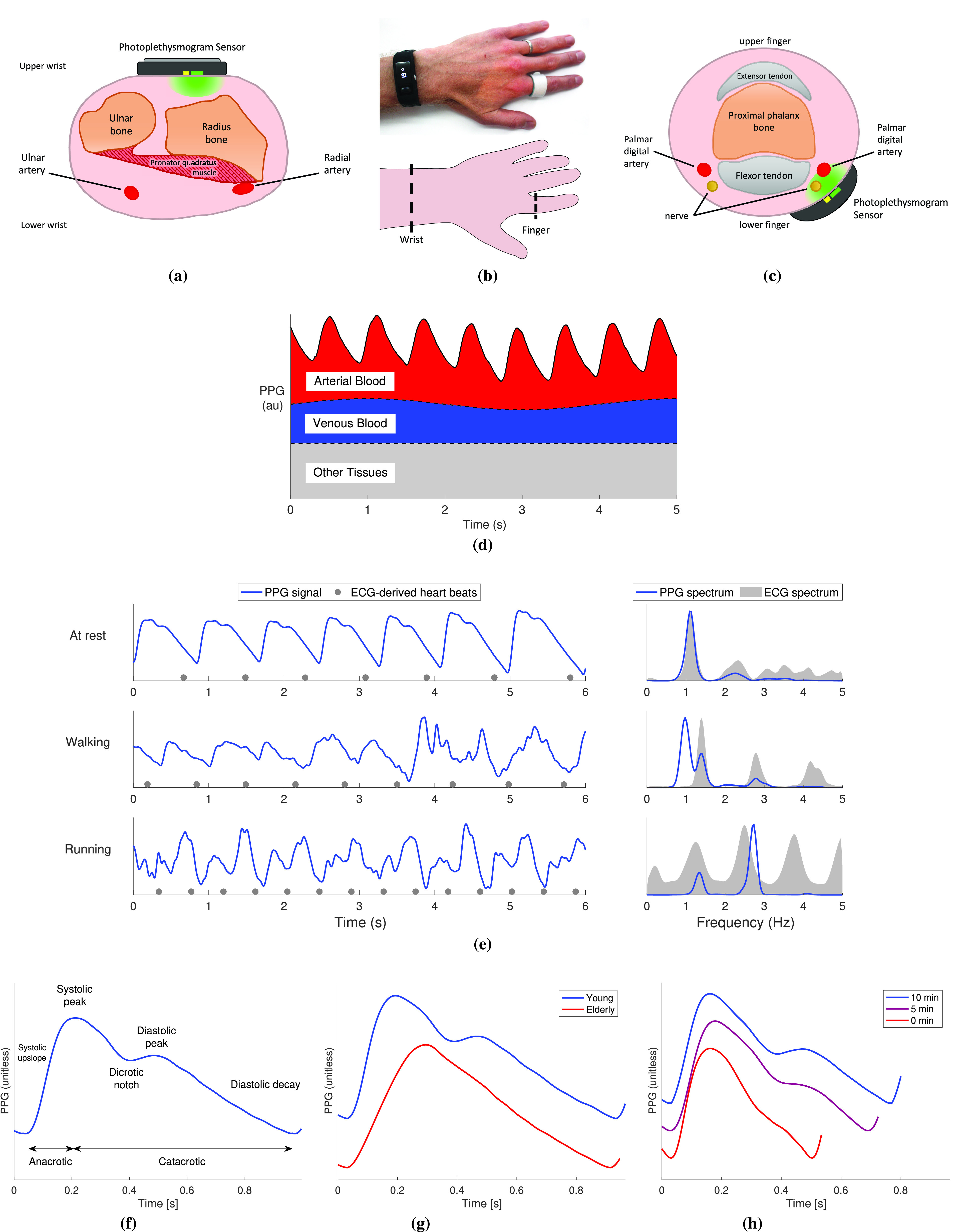
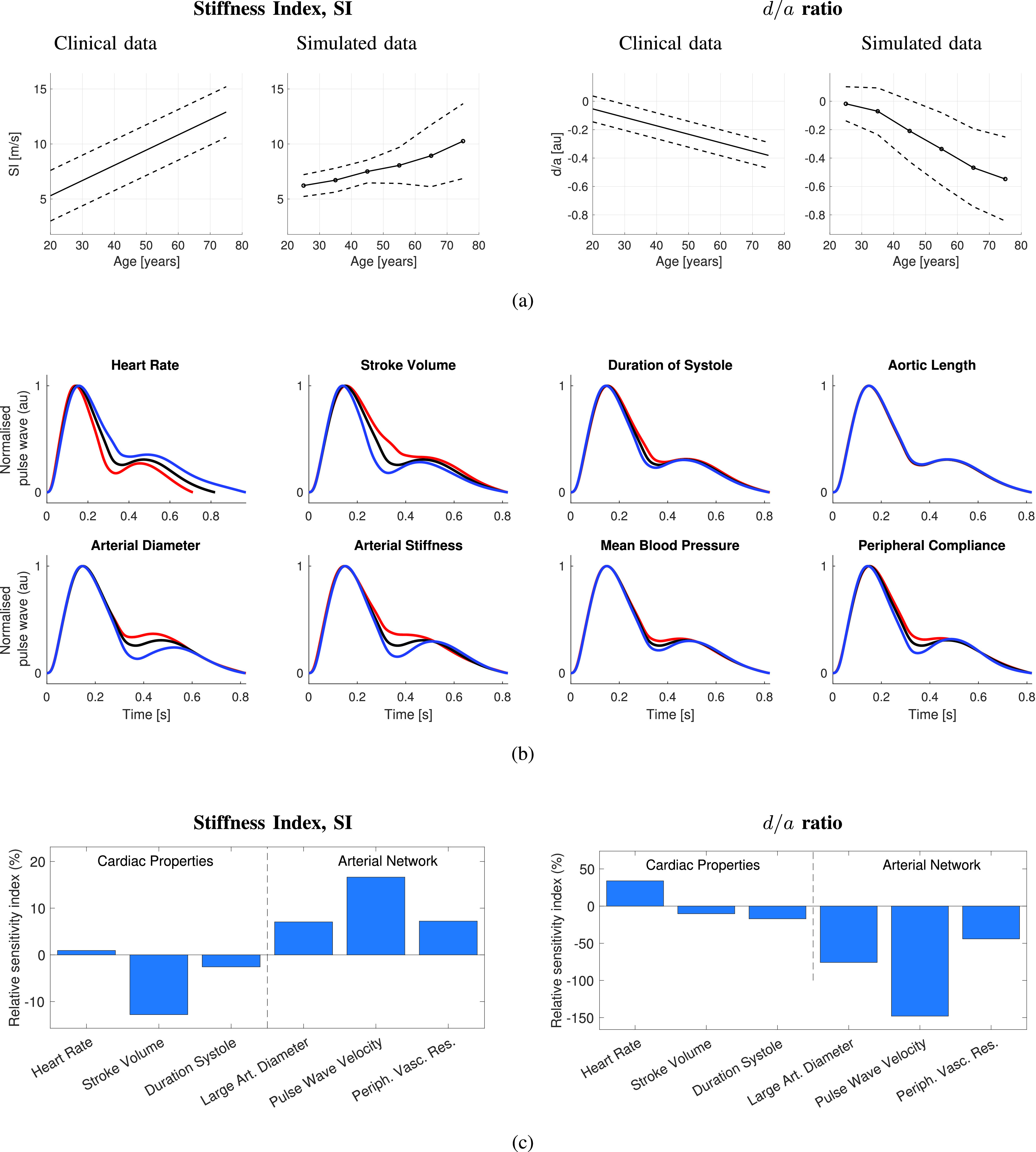
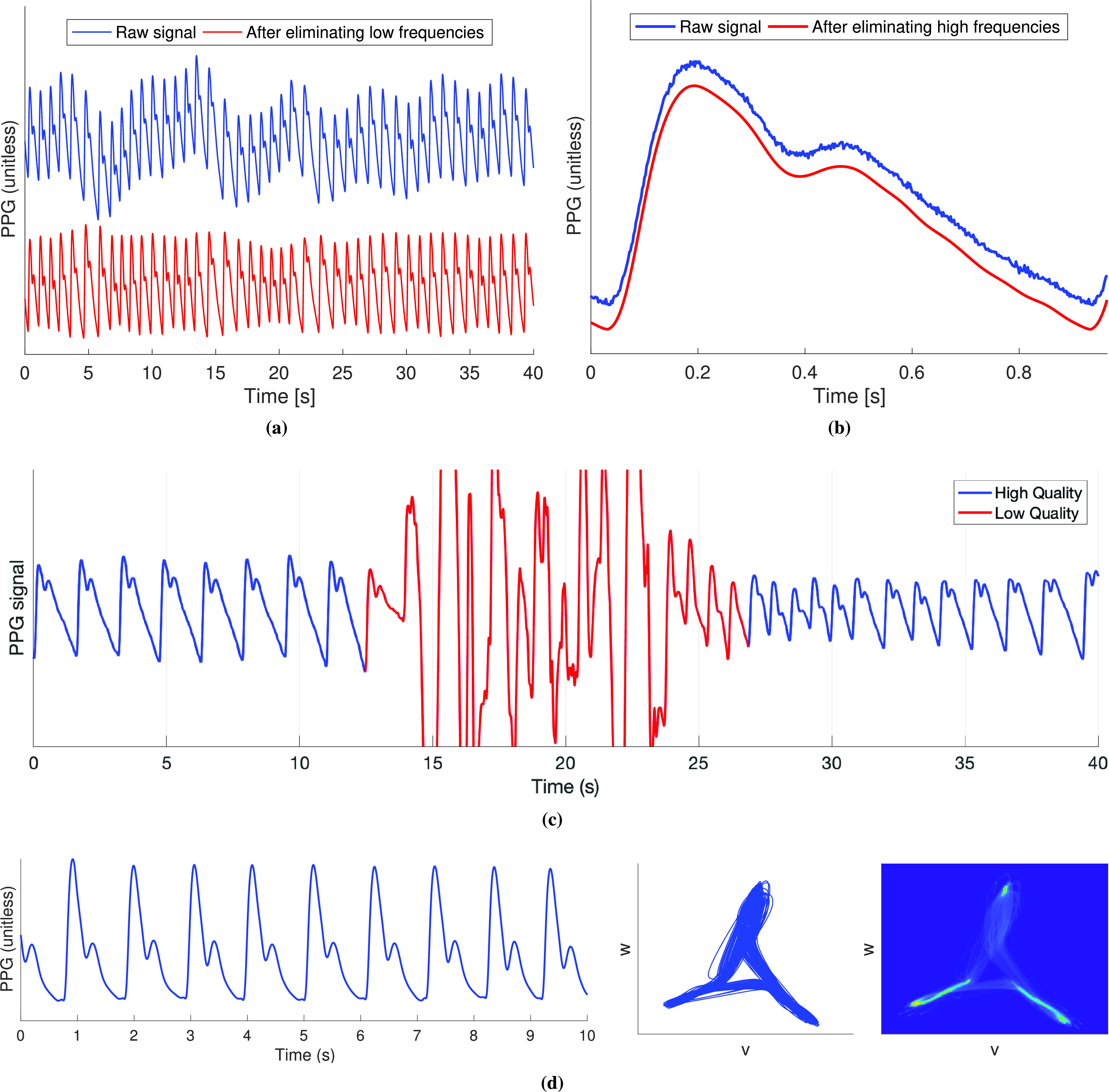
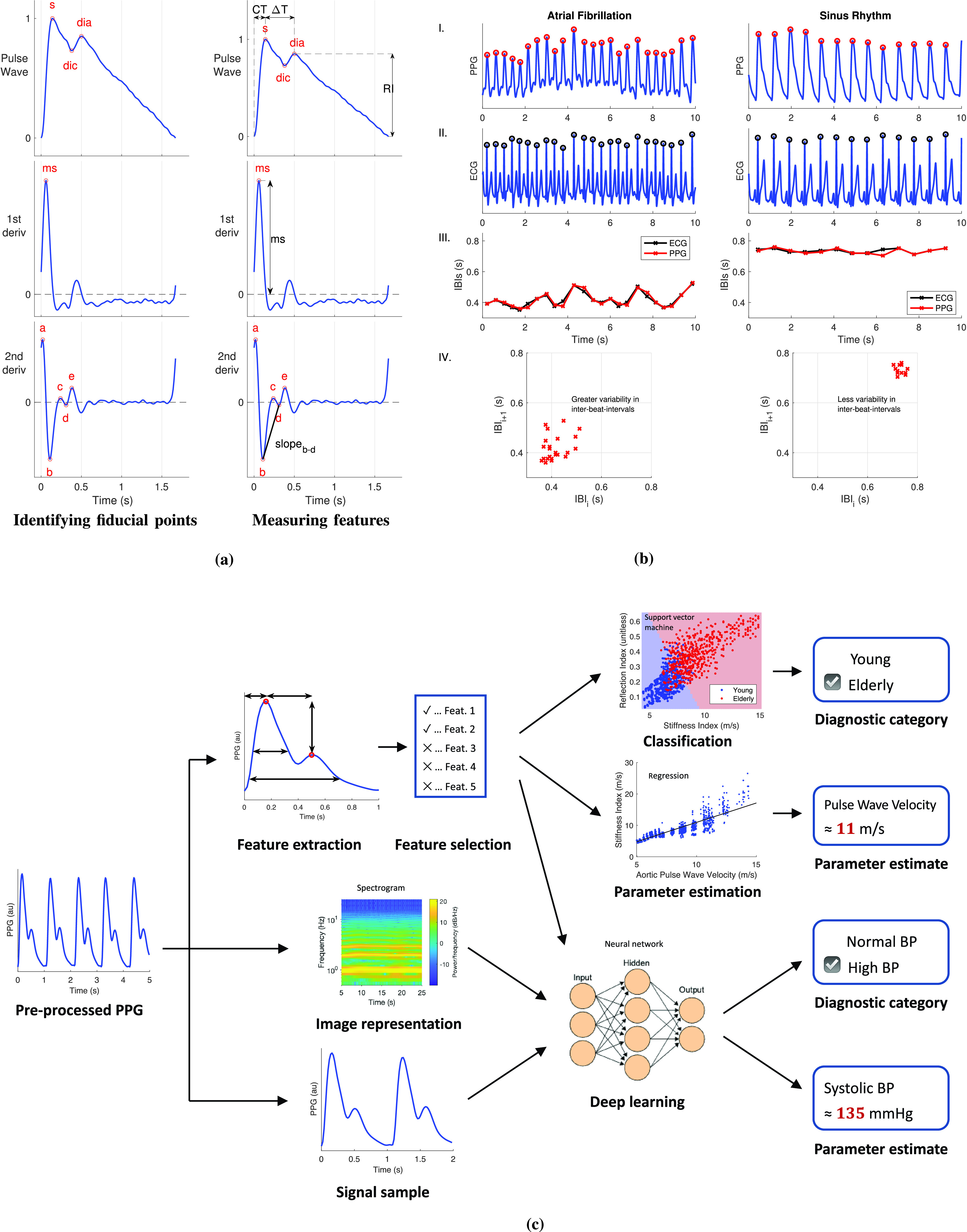
Smart wearables provide an opportunity to monitor health in daily life and are emerging as potential tools for detecting cardiovascular disease (CVD). Wearables such as fitness bands and smartwatches routinely monitor the photoplethysmogram signal, an optical measure of the arterial pulse wave that is strongly influenced by the heart and blood vessels. In this survey, we summarize the fundamentals of wearable photoplethysmography and its analysis, identify its potential clinical applications, and outline pressing directions for future research in order to realize its full potential for tackling CVD.
智能可穿戴设备为日常生活中的健康监测提供了契机,正逐渐成为检测心血管疾病(CVD)的潜在工具。诸如健身手环和智能手表之类的可穿戴设备通常会监测光电容积脉搏波信号,这是一种受心脏和血管强烈影响的动脉脉搏波的光学测量方法。在本次综述中,我们总结了可穿戴光电容积脉搏波描记术及其分析的基本原理,确定了其潜在的临床应用,并概述了未来研究的紧迫方向,以便充分发挥其在应对心血管疾病方面的潜力。