Alsing Sidsel, Doktor Thomas Koed, Askou Anne Louise, Jensen Emilie Grarup, Ahmadov Ulvi, Kristensen Lasse Sommer, Andresen Brage Storstein, Aagaard Lars, Corydon Thomas J
Department of Biomedicine, Aarhus University, Aarhus C, Denmark.
Department of Biochemistry and Molecular Biology and the Villum Center for Bioanalytical Sciences, University of Southern Denmark, Odense M, Denmark.
Mol Ther Nucleic Acids. 2022 Feb 28;28:58-76. doi: 10.1016/j.omtn.2022.02.019. eCollection 2022 Jun 14.
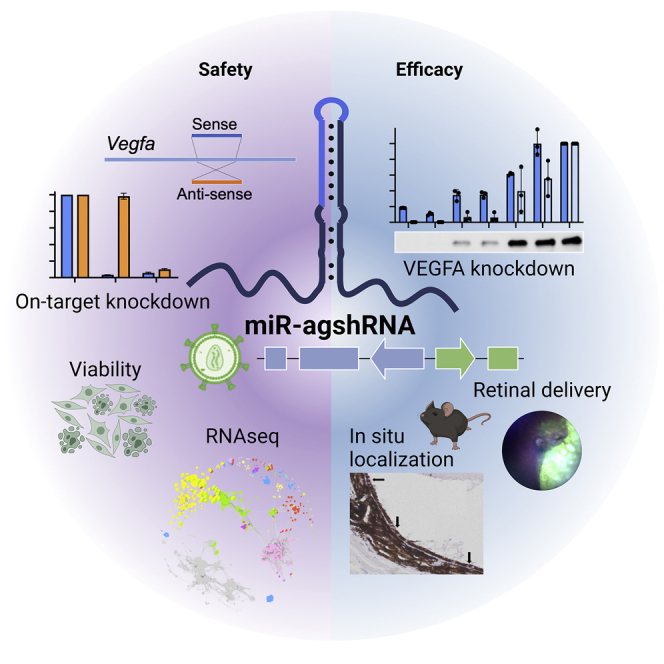
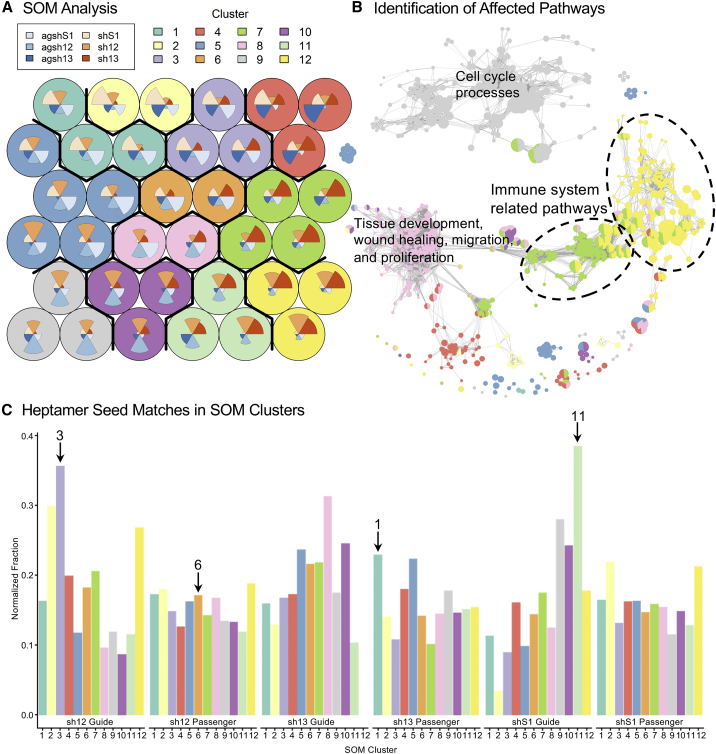
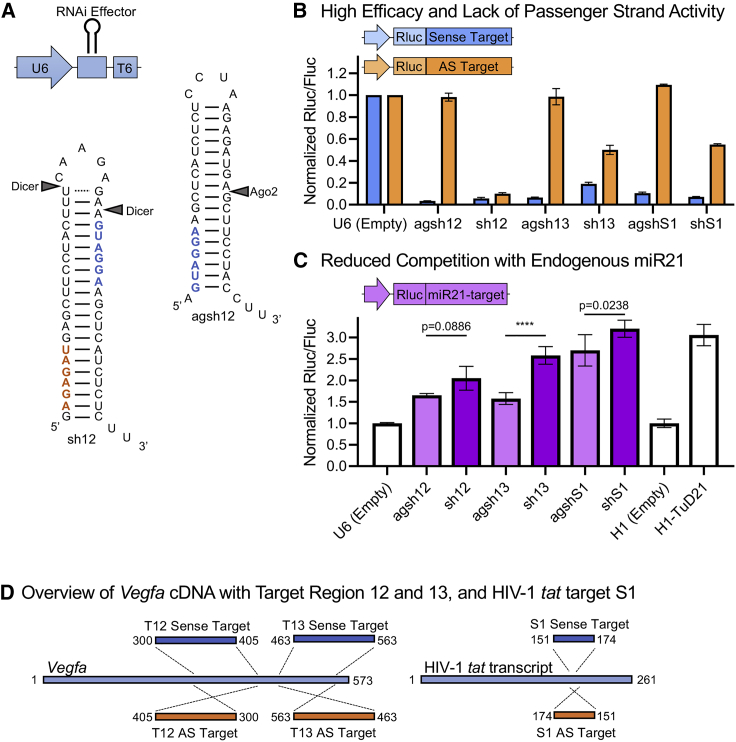
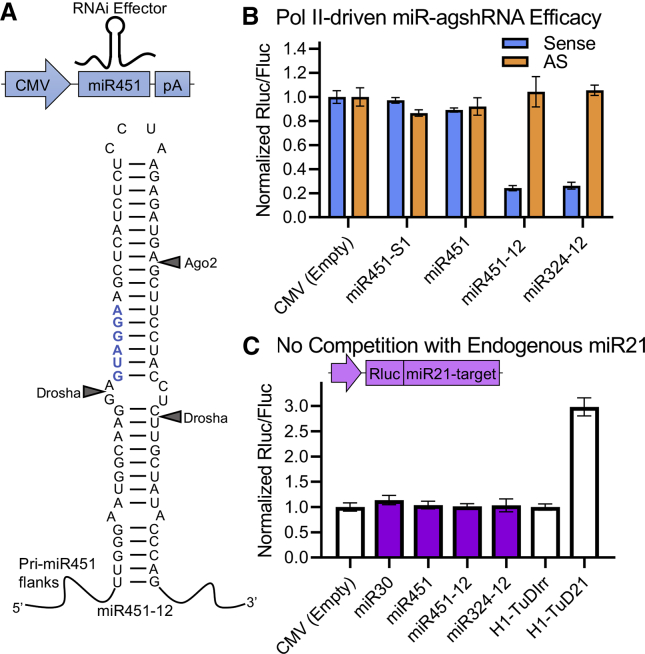
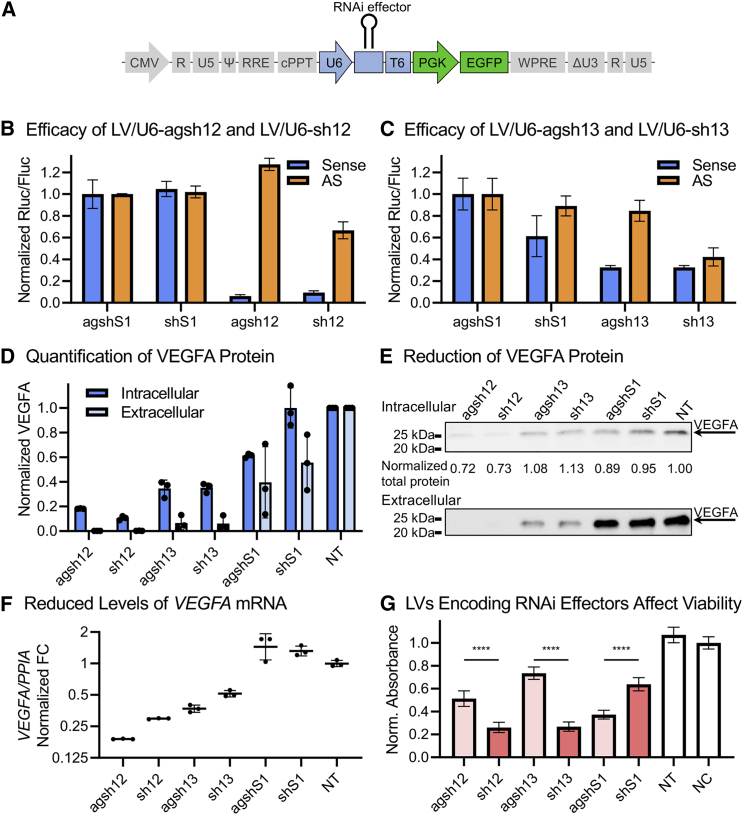
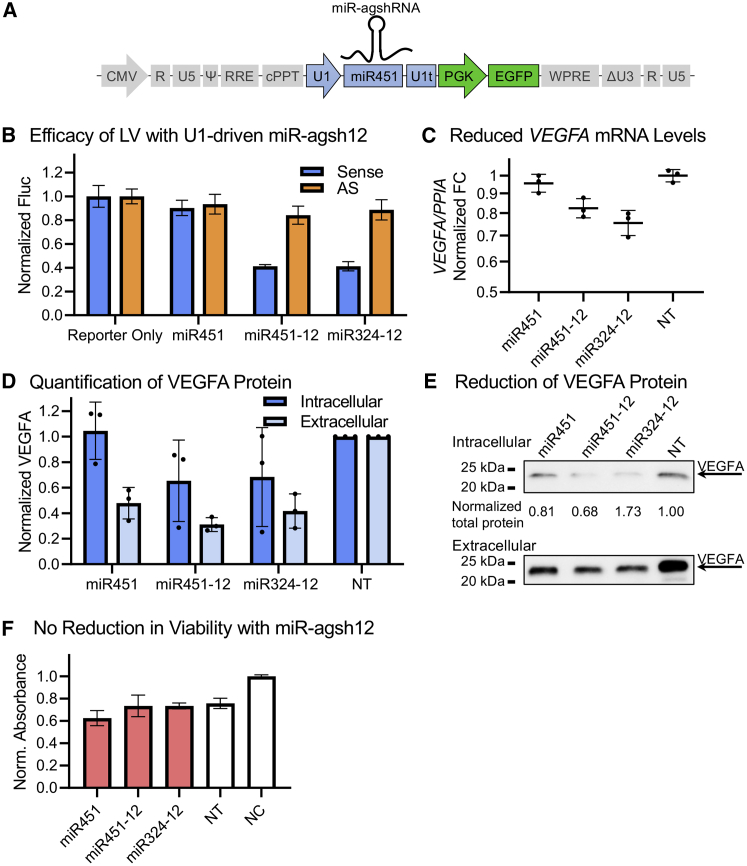
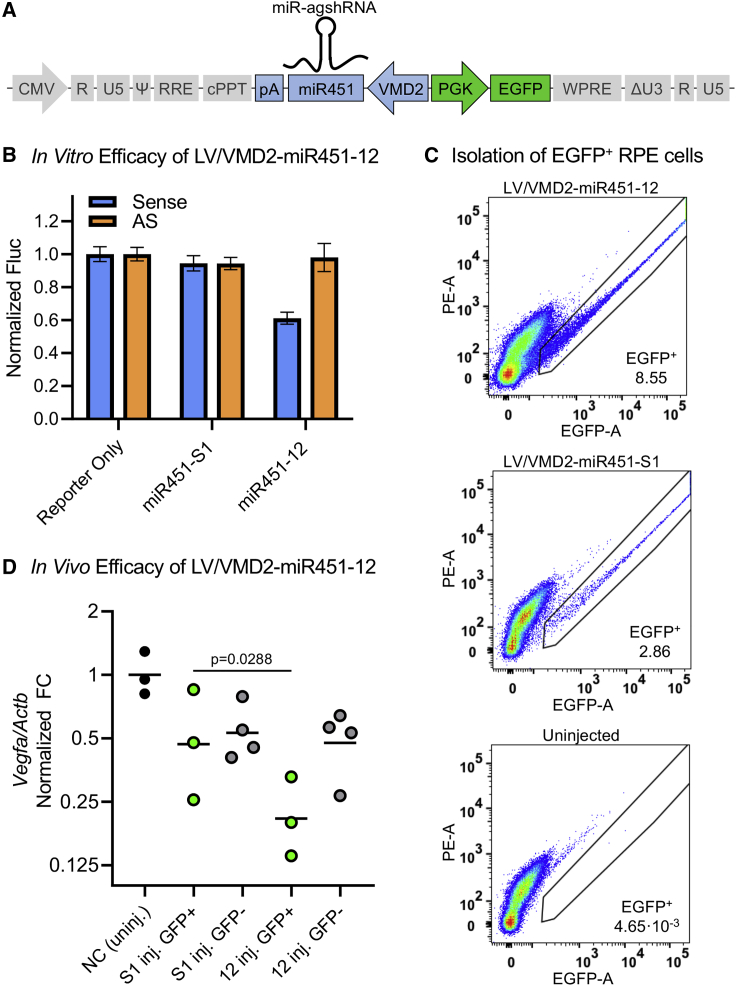
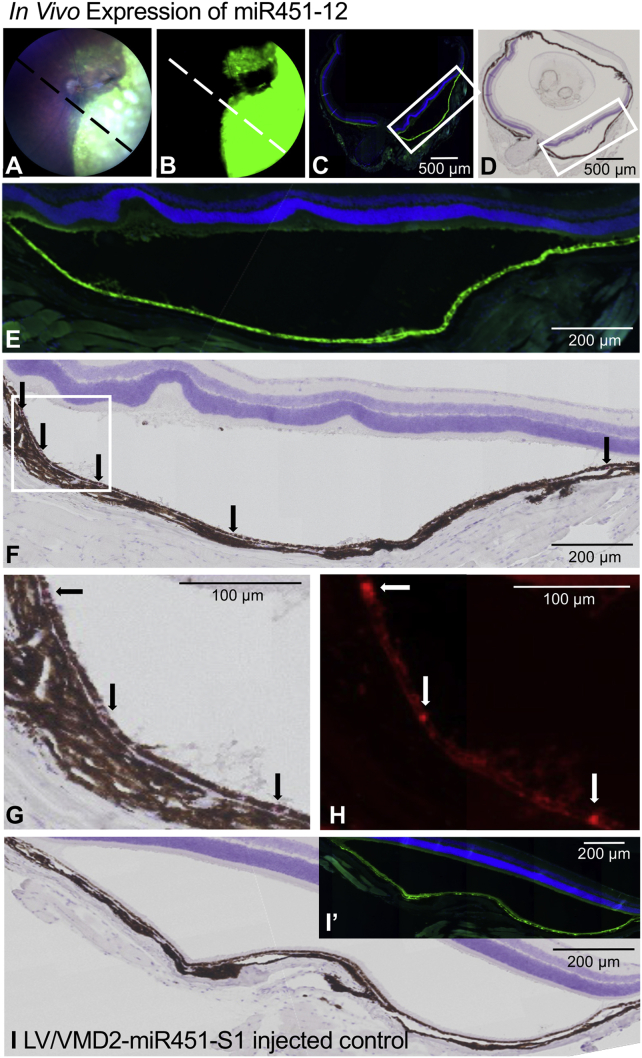
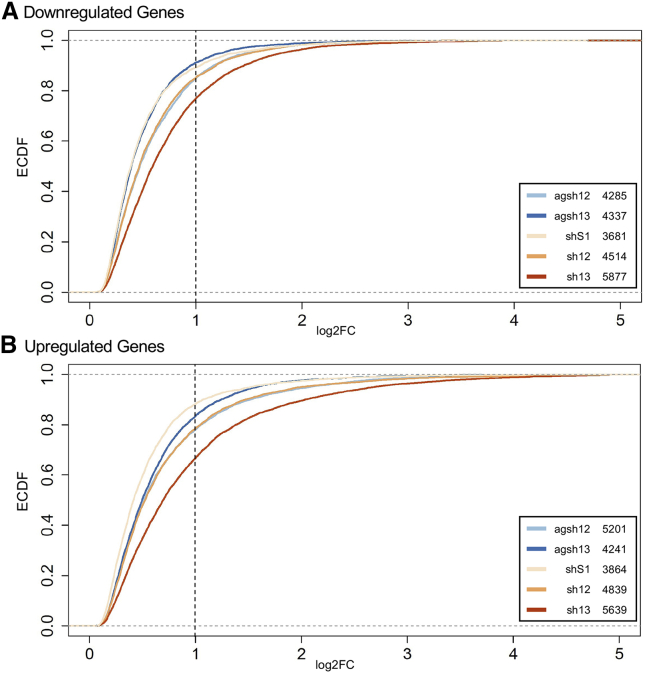
Retinal gene therapy using RNA interference (RNAi) to silence targeted genes requires both efficacy and safety. Short hairpin RNAs (shRNAs) are useful for RNAi, but high expression levels and activity from the co-delivered passenger strand may cause undesirable cellular responses. Ago2-dependent shRNAs (agshRNAs) produce no passenger strand activity. To enhance efficacy and to investigate improvements in safety, we have generated -targeting agshRNAs and microRNA (miRNA)-embedded agshRNAs (miR-agshRNAs) and inserted these RNAi effectors in Pol II/III-driven expression cassettes and lentiviral vectors (LVs). Compared with corresponding shRNAs, agshRNAs and miR-agshRNAs increased specificity and safety, while retaining a high knockdown efficacy and abolishing passenger strand activity. The agshRNAs also caused significantly smaller reductions in cell viability and reduced competition with the processing of endogenous miR21 compared with their shRNA counterparts. RNA sequencing (RNA-seq) analysis of LV-transduced ARPE19 cells revealed that expression of shRNAs in general leads to more changes in gene expression levels compared with their agshRNA counterparts and activation of immune-related pathways. In mice, subretinal delivery of LVs encoding tissue-specific miR-agshRNAs resulted in retinal pigment epithelium (RPE)-restricted expression and significant knockdown of in transduced RPE cells. Collectively, our data suggest that agshRNAs and miR-agshRNA possess important advantages over shRNAs, thereby posing a clinically relevant approach with respect to efficacy, specificity, and safety.
使用RNA干扰(RNAi)沉默靶基因的视网膜基因治疗需要兼顾疗效和安全性。短发夹RNA(shRNA)对RNAi有用,但共递送的过客链的高表达水平和活性可能会引起不良的细胞反应。AGO2依赖性shRNA(agshRNA)不会产生过客链活性。为了提高疗效并研究安全性的改善情况,我们生成了靶向性agshRNA和嵌入微小RNA(miRNA)的agshRNA(miR-agshRNA),并将这些RNAi效应物插入到由Pol II/III驱动的表达盒和慢病毒载体(LV)中。与相应的shRNA相比,agshRNA和miR-agshRNA提高了特异性和安全性,同时保留了高敲低效率并消除了过客链活性。与对应的shRNA相比,agshRNA对细胞活力的降低也显著更小,并且与内源性miR21的加工竞争减少。对LV转导的ARPE19细胞进行的RNA测序(RNA-seq)分析表明,与agshRNA相比,shRNA的表达通常会导致基因表达水平发生更多变化,并激活免疫相关途径。在小鼠中,视网膜下递送编码组织特异性miR-agshRNA的LV导致视网膜色素上皮(RPE)特异性表达,并在转导的RPE细胞中显著敲低。总体而言,我们的数据表明,agshRNA和miR-agshRNA相对于shRNA具有重要优势,从而在疗效、特异性和安全性方面构成了一种具有临床相关性的方法。