Department of Surgery, The University of Maryland School of Medicine, Baltimore, Maryland, USA.
Department of Surgery, Johns Hopkins School of Medicine, Baltimore, Maryland, USA.
Xenotransplantation. 2022 May;29(3):e12744. doi: 10.1111/xen.12744. Epub 2022 Mar 31.
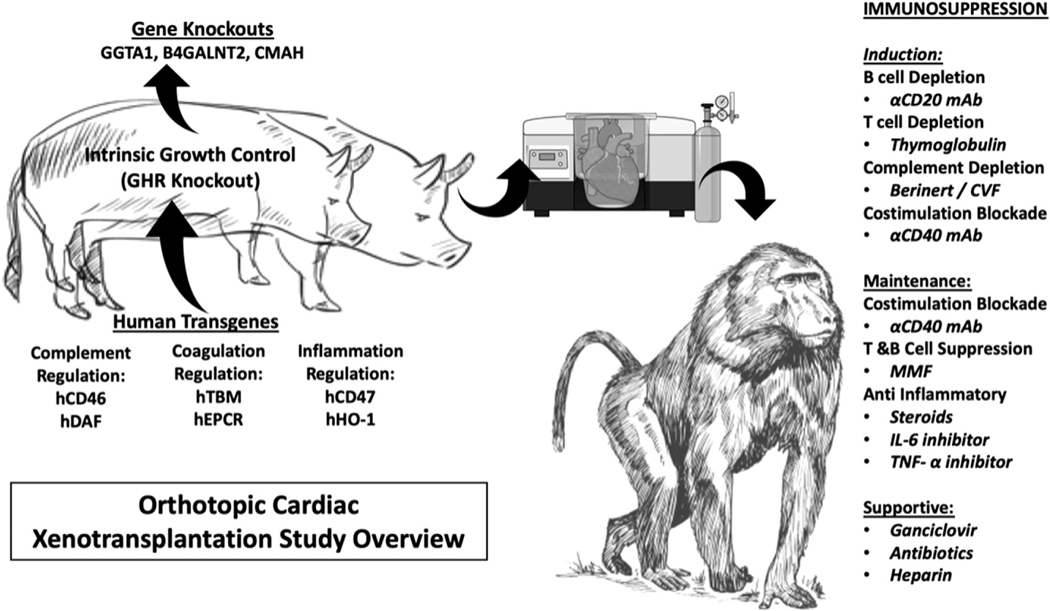
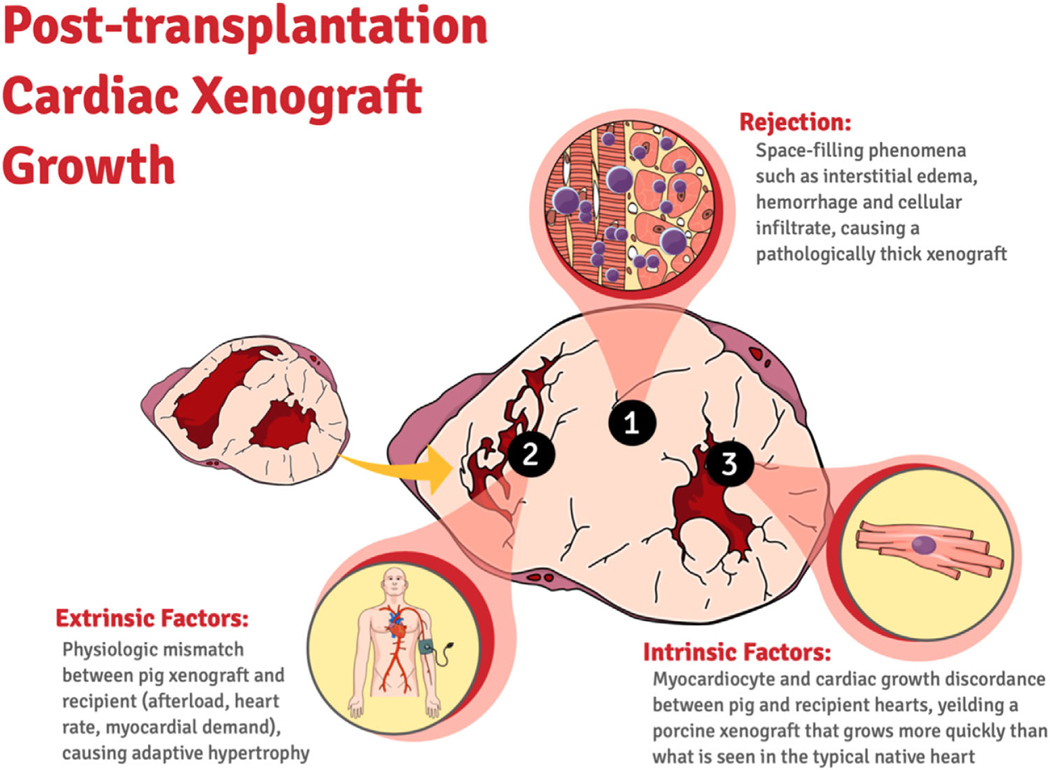
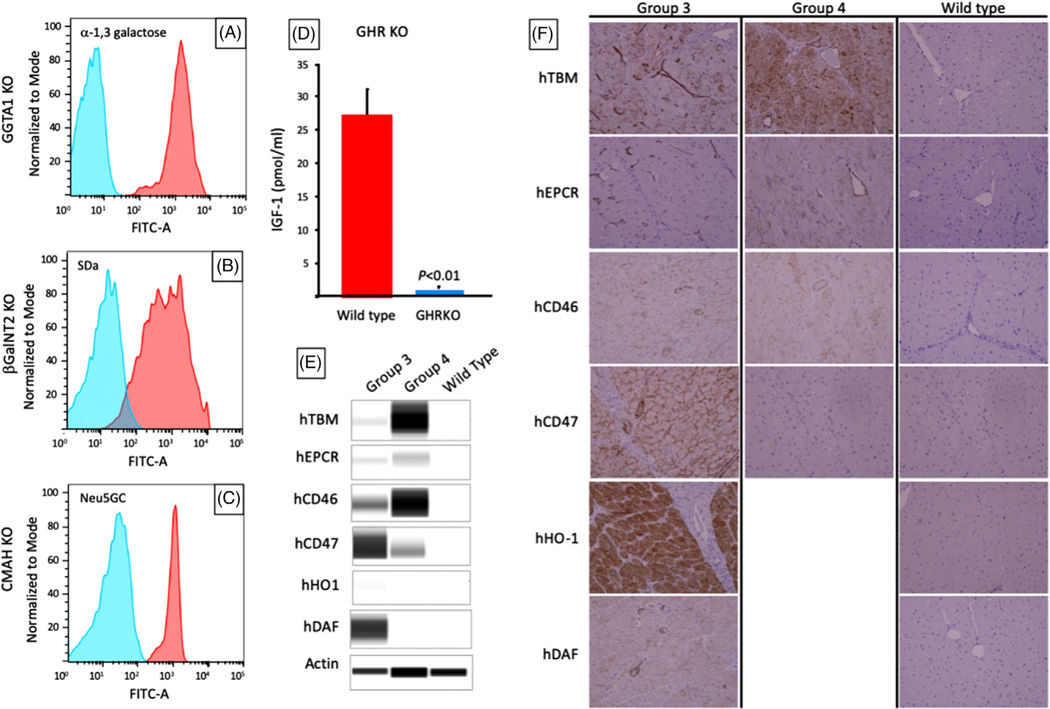
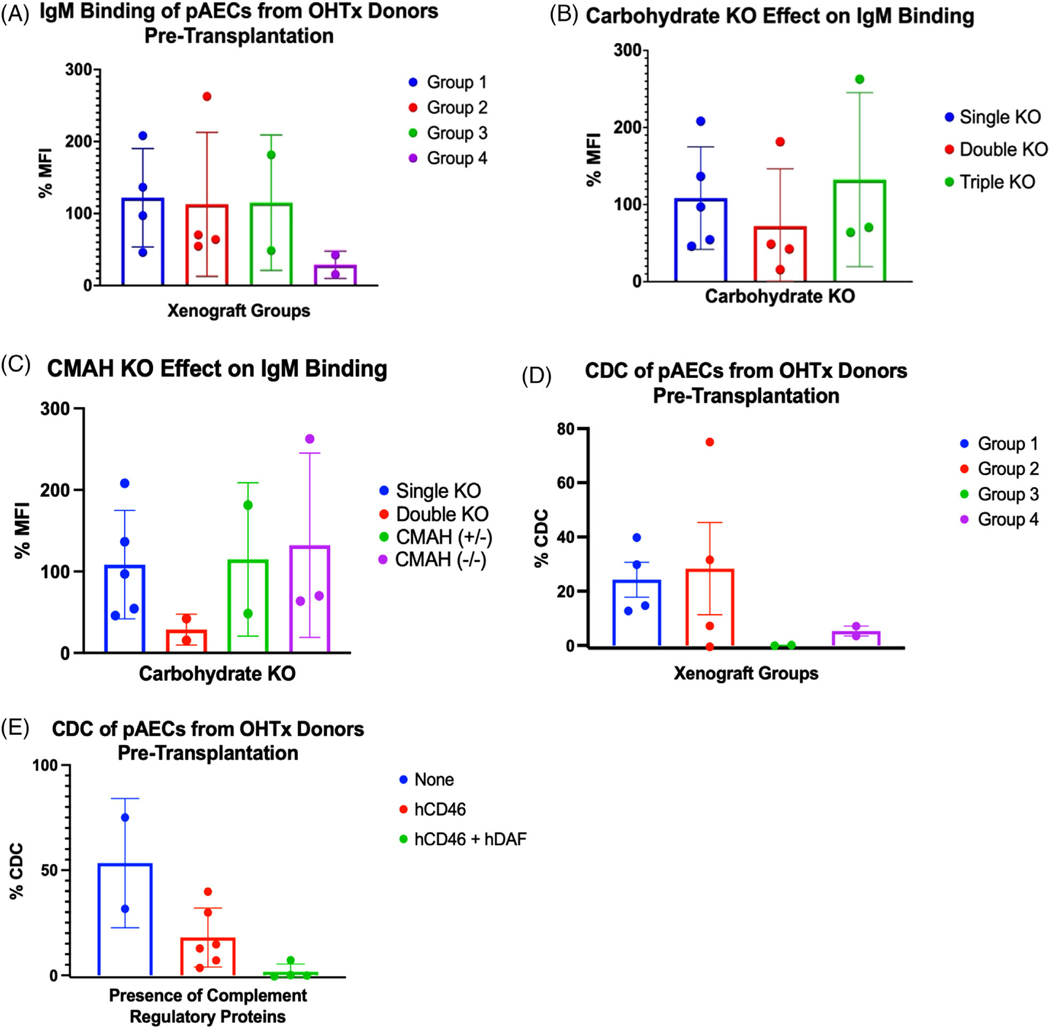
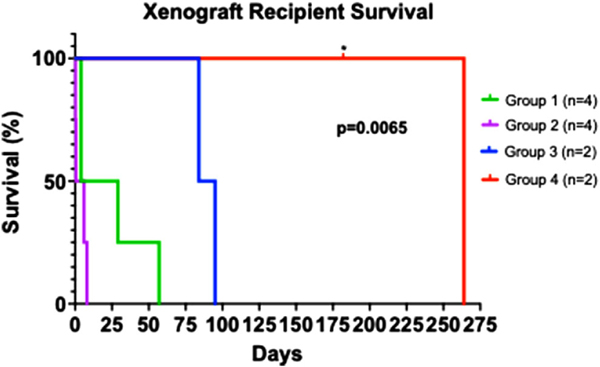
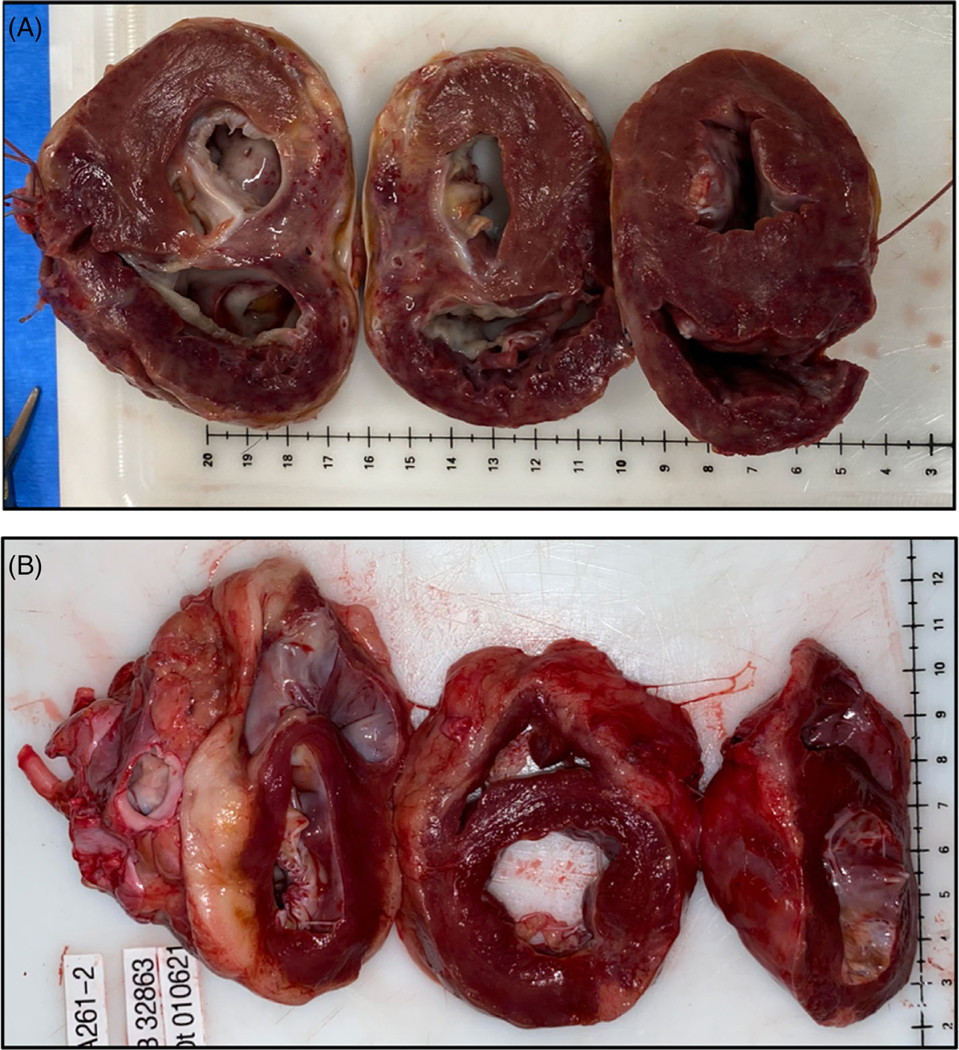
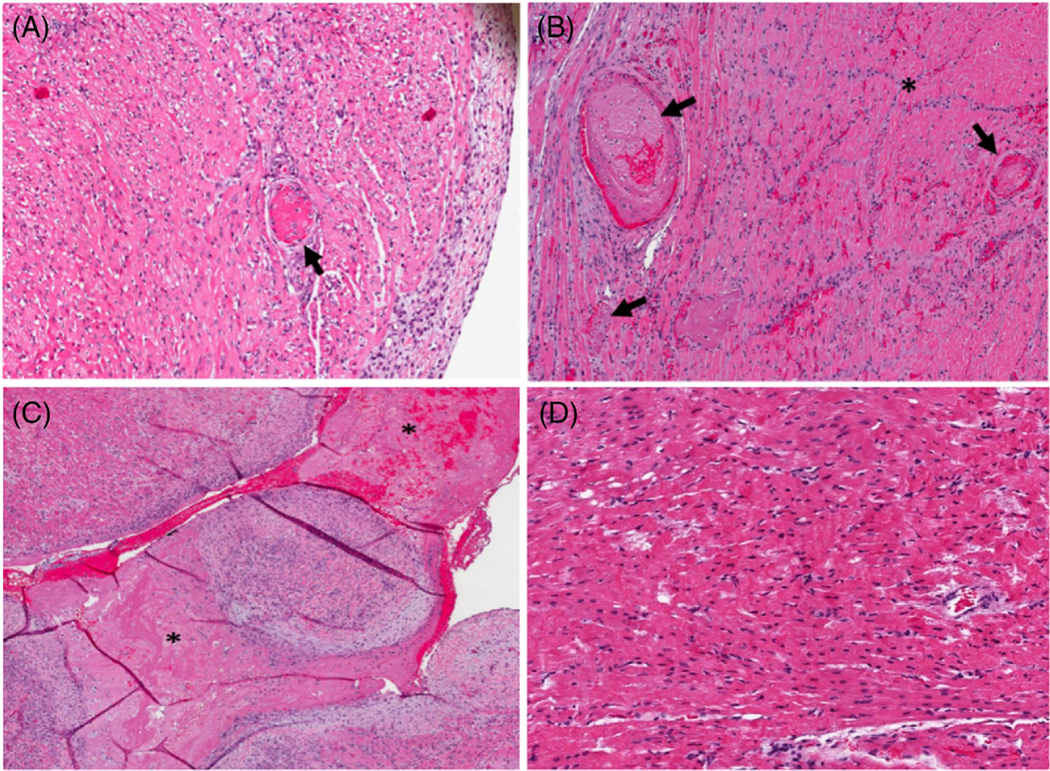
We report orthotopic (life-supporting) survival of genetically engineered porcine cardiac xenografts (with six gene modifications) for almost 9 months in baboon recipients. This work builds on our previously reported heterotopic cardiac xenograft (three gene modifications) survival up to 945 days with an anti-CD40 monoclonal antibody-based immunosuppression. In this current study, life-supporting xenografts containing multiple human complement regulatory, thromboregulatory, and anti-inflammatory proteins, in addition to growth hormone receptor knockout (KO) and carbohydrate antigen KOs, were transplanted in the baboons. Selective "multi-gene" xenografts demonstrate survival greater than 8 months without the requirement of adjunctive medications and without evidence of abnormal xenograft thickness or rejection. These data demonstrate that selective "multi-gene" modifications improve cardiac xenograft survival significantly and may be foundational for paving the way to bridge transplantation in humans.
我们报告了基因工程猪心异种移植物(进行了六项基因修饰)在狒狒受者体内近 9 个月的原位(支持生命)存活。这项工作建立在我们之前报道的使用抗 CD40 单克隆抗体的异源心脏异种移植物(三项基因修饰)存活长达 945 天的基础上。在本研究中,除了生长激素受体敲除(KO)和碳水化合物抗原 KO 外,还含有多种人补体调节、血栓调节和抗炎蛋白的支持生命的异种移植物被移植到狒狒体内。选择性的“多基因”异种移植物在没有辅助药物的情况下,其存活时间超过 8 个月,并且没有异常的异种移植物厚度或排斥的证据。这些数据表明,选择性的“多基因”修饰可显著提高心脏异种移植物的存活率,可能为人类移植铺平道路。