Nisar Maryum, Paracha Rehan Zafar, Gul Alvina, Arshad Iqra, Ejaz Saima, Murad Didar, Khan Shahzeb, Mustansar Zartasha
Research Center for Modelling and Simulation (RCMS), National University of Sciences and Technology (NUST), Islamabad, Pakistan.
Atta-ur-Rahman School of Applied Biosciences (ASAB), National University of Sciences and Technology (NUST), Islamabad, Pakistan.
Front Oncol. 2022 Mar 10;12:832277. doi: 10.3389/fonc.2022.832277. eCollection 2022.
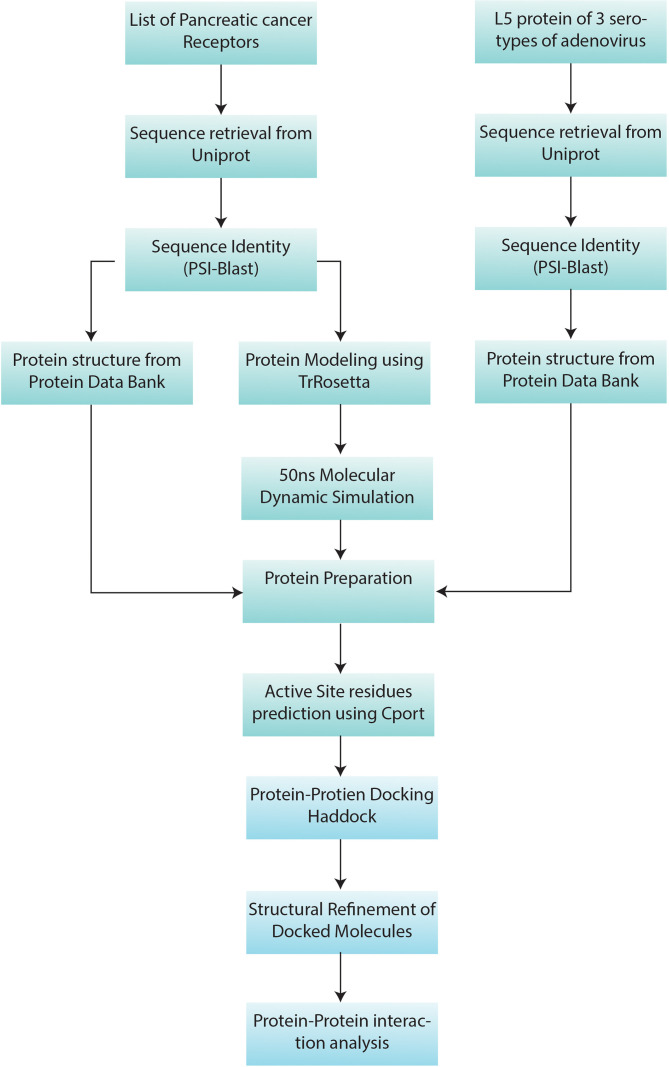
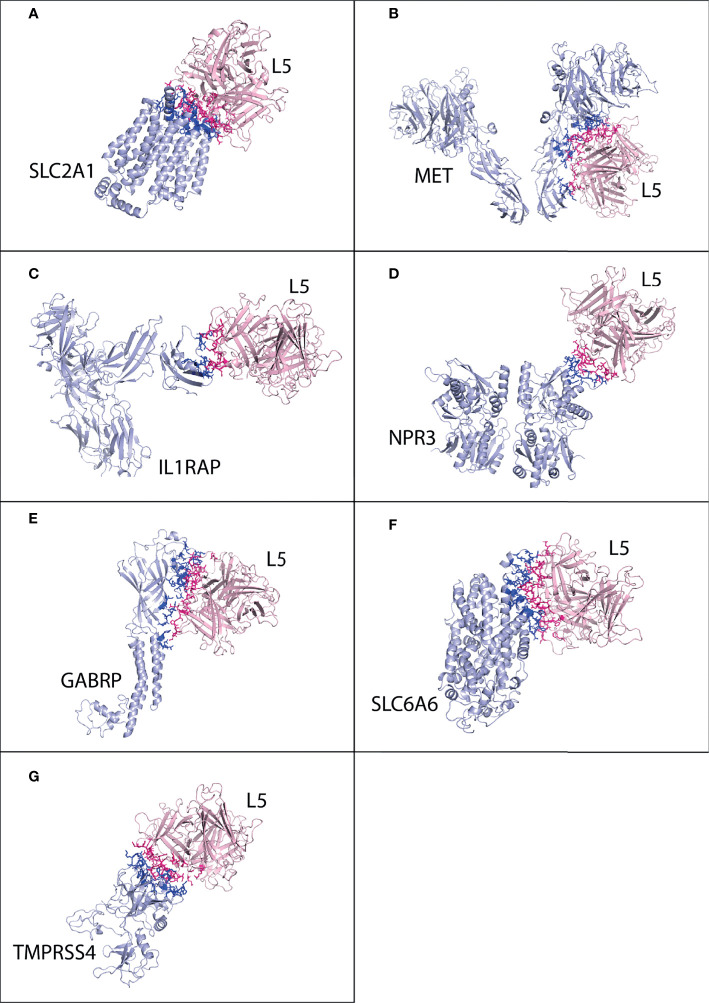
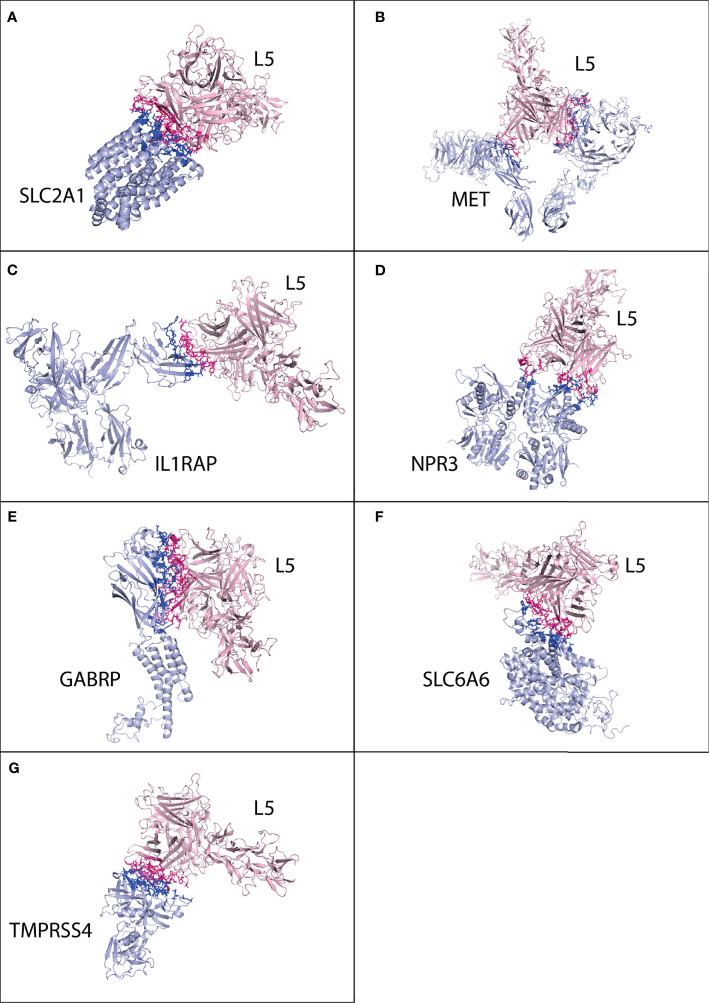
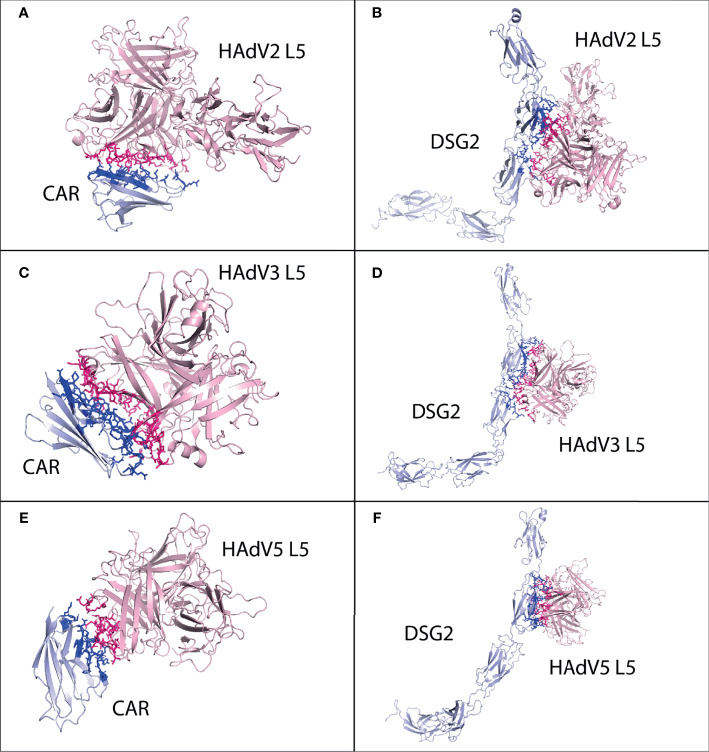
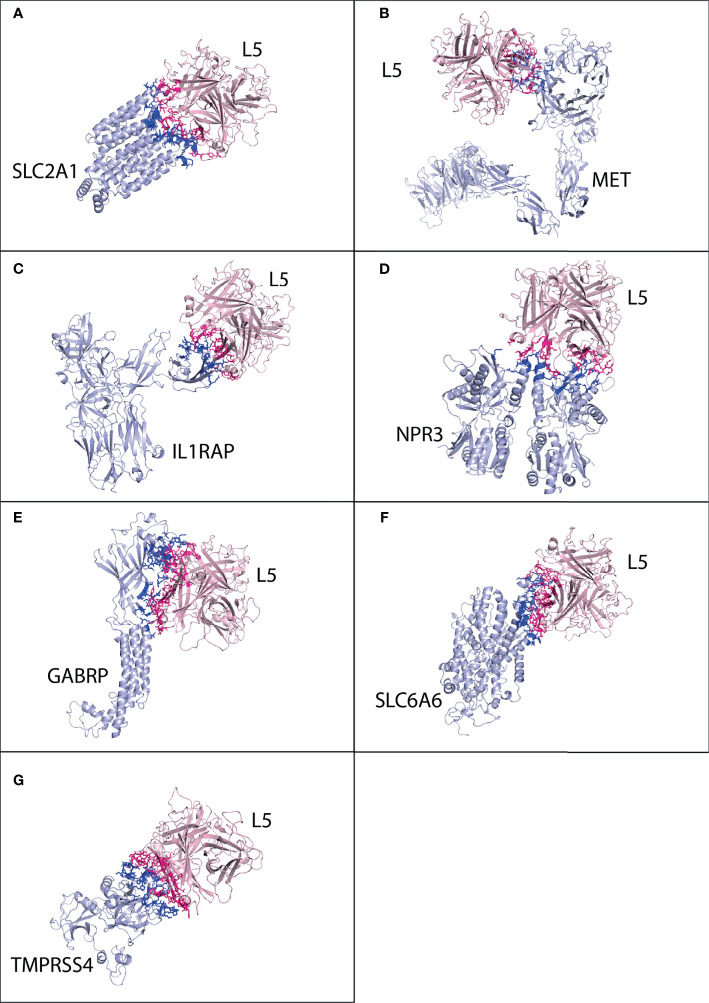
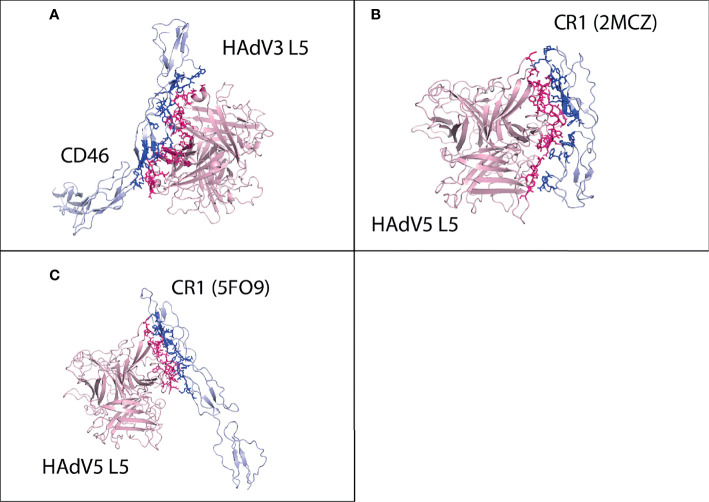
This study seeks to investigate the interaction profile of the L5 protein of oncolytic adenovirus with the overexpressed surface receptors of pancreatic cancer. This is an important area of research because pancreatic cancer is one of the most fatal malignancies with a very low patient survival rate. Multiple therapies to date to improve the survival rate are reported; however, they show a comparatively low success rate. Among them, oncolytic virus therapy is a type of immunotherapy that is currently under deliberation by researchers for multiple cancer types in various clinical trials. Talimogene laherparepvec (T-VEC) is the first oncolytic virus approved by the US Food and Drug Administration (FDA) for melanoma. The oncolytic virus not only kills cancer cells but also activates the anticancer immune response. Therefore, it is preferred over others to deal with aggressive pancreatic cancer. The efficacy of therapy primarily depends on how effectively the oncolytic virus enters and infects the cancer cell. Cell surface receptors and their interactions with virus coat proteins are a crucial step for oncolytic virus entry and a pivotal determinant. The L5 proteins of the virus coat are the first to interact with host cell surface receptors. Therefore, the objective of this study is to analyze the interaction profile of the L5 protein of oncolytic adenovirus with overexpressed surface receptors of pancreatic cancer. The L5 proteins of three adenovirus serotypes HAdV2, HAdV5, and HAdV3 were utilized in this study. Overexpressed pancreatic cancer receptors include SLC2A1, MET, IL1RAP, NPR3, GABRP, SLC6A6, and TMPRSS4. The protein structures of viral and cancer cell protein were docked using the High Ambiguity Driven protein-protein DOCKing (HADDOCK) server. The binding affinity and interaction profile of viral proteins against all the receptors were analyzed. Results suggest that the HAdV3 L5 protein shows better interaction as compared to HAdV2 and HAdV5 by elucidating high binding affinity with 4 receptors (NPR3, GABRP, SLC6A6, and TMPRSS4). The current study proposed that HAdV5 or HAdV2 virus pseudotyped with the L5 protein of HAdV3 can be able to effectively infect pancreatic cancer cells. Moreover, the current study surmises that the affinity maturation of HAdV3 L5 can enhance virus attachment with all the receptors of cancer cells.
本研究旨在探究溶瘤腺病毒L5蛋白与胰腺癌过表达表面受体的相互作用情况。这是一个重要的研究领域,因为胰腺癌是最致命的恶性肿瘤之一,患者生存率极低。迄今为止,已有多种提高生存率的治疗方法被报道;然而,它们的成功率相对较低。其中,溶瘤病毒疗法是一种免疫疗法,目前正在多个临床试验中被研究用于多种癌症类型。talimogene laherparepvec(T-VEC)是美国食品药品监督管理局(FDA)批准的首个用于黑色素瘤的溶瘤病毒。溶瘤病毒不仅能杀死癌细胞,还能激活抗癌免疫反应。因此,在治疗侵袭性胰腺癌方面,它比其他疗法更受青睐。治疗效果主要取决于溶瘤病毒进入并感染癌细胞的有效性。细胞表面受体及其与病毒衣壳蛋白的相互作用是溶瘤病毒进入细胞的关键步骤和关键决定因素。病毒衣壳的L5蛋白是最先与宿主细胞表面受体相互作用的。因此,本研究的目的是分析溶瘤腺病毒L5蛋白与胰腺癌过表达表面受体的相互作用情况。本研究使用了三种腺病毒血清型HAdV2、HAdV5和HAdV3的L5蛋白。胰腺癌过表达的受体包括SLC2A1、MET、IL1RAP、NPR3、GABRP、SLC6A6和TMPRSS4。使用高模糊度驱动的蛋白质-蛋白质对接(HADDOCK)服务器对接病毒和癌细胞蛋白质的结构。分析了病毒蛋白与所有受体的结合亲和力和相互作用情况。结果表明,与HAdV2和HAdV5相比,HAdV3 L5蛋白通过与4种受体(NPR3、GABRP、SLC6A6和TMPRSS4)具有高结合亲和力,显示出更好的相互作用。当前研究提出,用HAdV3的L5蛋白假型化的HAdV5或HAdV2病毒能够有效感染胰腺癌细胞。此外,当前研究推测HAdV3 L5的亲和力成熟可以增强病毒与癌细胞所有受体的结合。