Barajas-Martínez Antonio, Mehta Roopa, Ibarra-Coronado Elizabeth, Fossion Ruben, Martínez Garcés Vania J, Arellano Monserrat Ramírez, González Alvarez Ibar A, Bautista Yamilet Viana Moncada, Bello-Chavolla Omar Y, Pedraza Natalia Ramírez, Encinas Bethsabel Rodríguez, Carrión Carolina Isabel Pérez, Ávila María Isabel Jasso, Valladares-García Jorge Carlos, Vanegas-Cedillo Pablo Esteban, Juárez Diana Hernández, Vargas-Vázquez Arsenio, Antonio-Villa Neftali Eduardo, Almeda-Valdes Paloma, Resendis-Antonio Osbaldo, Hiriart Marcia, Frank Alejandro, Aguilar-Salinas Carlos A, Rivera Ana Leonor
Centro de Ciencias de la Complejidad, Universidad Nacional Autónoma de México, Ciudad de México, Mexico.
Facultad de Medicina, Universidad Nacional Autónoma de México, Ciudad de México, Mexico.
Front Physiol. 2022 Mar 10;13:848172. doi: 10.3389/fphys.2022.848172. eCollection 2022.
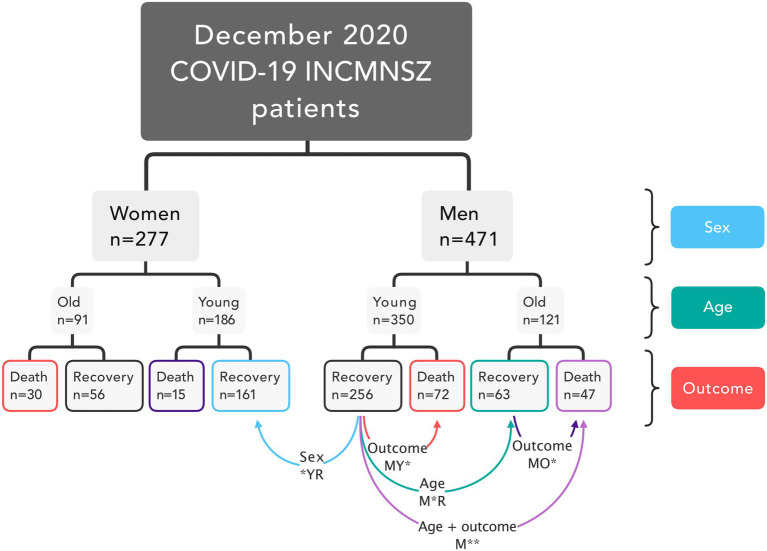
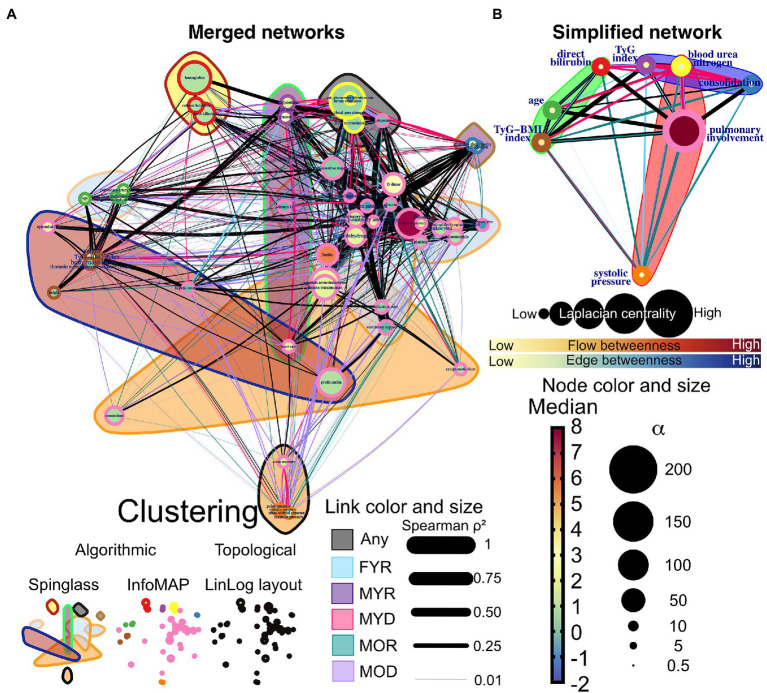
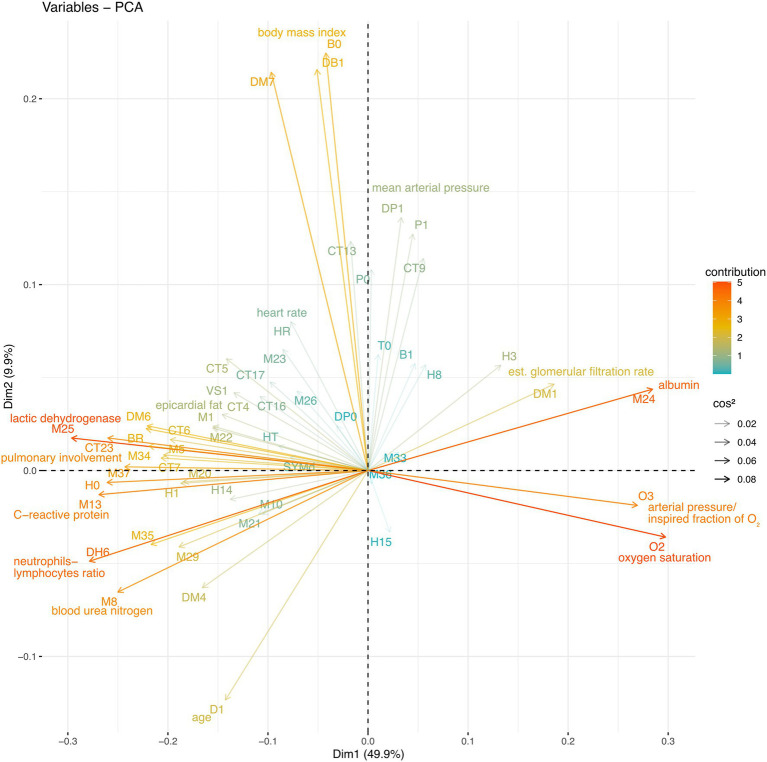
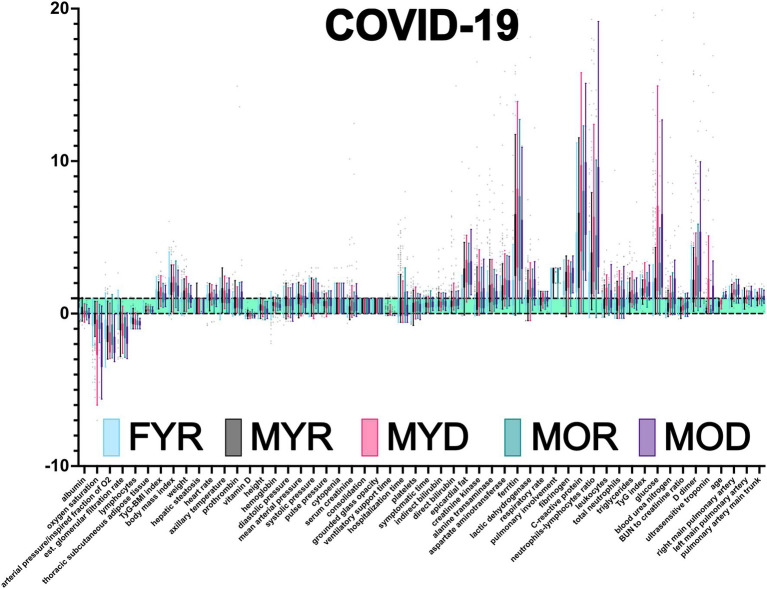
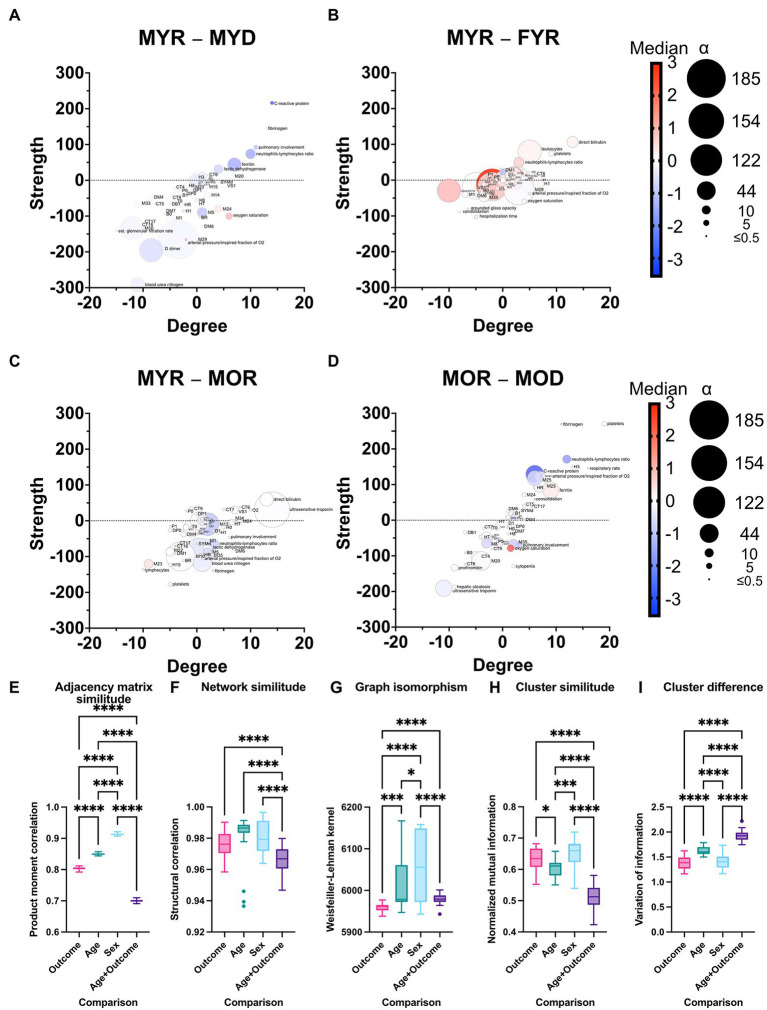
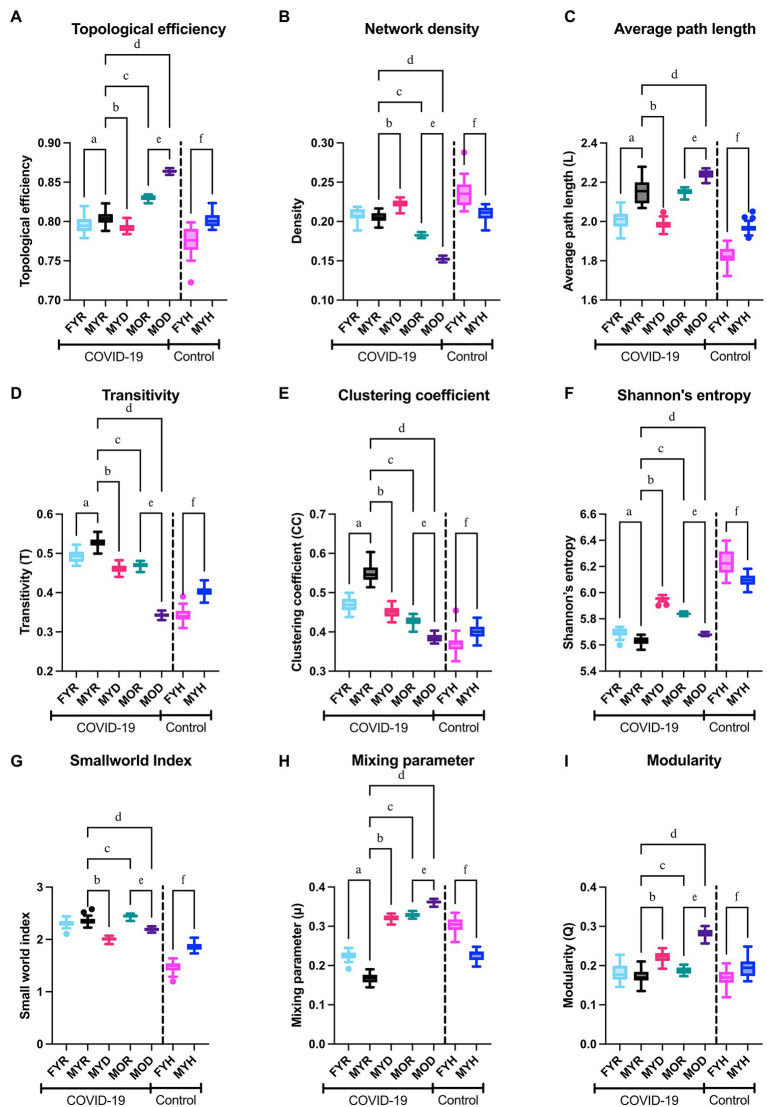
The human body is a complex system maintained in homeostasis thanks to the interactions between multiple physiological regulation systems. When faced with physical or biological perturbations, this system must react by keeping a balance between adaptability and robustness. The SARS-COV-2 virus infection poses an immune system challenge that tests the organism's homeostatic response. Notably, the elderly and men are particularly vulnerable to severe disease, poor outcomes, and death. Mexico seems to have more infected young men than anywhere else. The goal of this study is to determine the differences in the relationships that link physiological variables that characterize the elderly and men, and those that characterize fatal outcomes in young men. To accomplish this, we examined a database of patients with moderate to severe COVID-19 (471 men and 277 women) registered at the "Instituto Nacional de Ciencias Médicas y Nutrición Salvador Zubirán" in March 2020. The sample was stratified by outcome, age, and sex. Physiological networks were built using 67 physiological variables (vital signs, anthropometric, hematic, biochemical, and tomographic variables) recorded upon hospital admission. Individual variables and system behavior were examined by descriptive statistics, differences between groups, principal component analysis, and network analysis. We show how topological network properties, particularly clustering coefficient, become disrupted in disease. Finally, anthropometric, metabolic, inflammatory, and pulmonary cluster interaction characterize the deceased young male group.
人体是一个复杂的系统,多亏了多个生理调节系统之间的相互作用,它才能维持体内平衡。当面临物理或生物干扰时,这个系统必须通过在适应性和稳健性之间保持平衡来做出反应。严重急性呼吸综合征冠状病毒2(SARS-CoV-2)感染对免疫系统构成了挑战,考验着机体的稳态反应。值得注意的是,老年人和男性尤其容易患上重症、出现不良后果甚至死亡。墨西哥似乎比其他任何地方都有更多年轻男性感染。本研究的目的是确定表征老年人和男性的生理变量与表征年轻男性致命后果的生理变量之间关系的差异。为了实现这一目标,我们检查了2020年3月在“萨尔瓦多·苏比拉án国家医学与营养研究所”登记的中度至重度新冠肺炎患者数据库(471名男性和277名女性)。样本按结局、年龄和性别进行分层。利用入院时记录的67个生理变量(生命体征、人体测量学、血液学、生化和断层扫描变量)构建生理网络。通过描述性统计、组间差异、主成分分析和网络分析来检查个体变量和系统行为。我们展示了拓扑网络特性,特别是聚类系数,在疾病中是如何被破坏的。最后,人体测量学、代谢、炎症和肺部集群相互作用表征了已故年轻男性群体。