Ma Zhanshan Sam
Computational Biology and Medical Ecology Lab, State Key Laboratory of Genetic Resources and Evolution, Kunming Institute of Zoology, Chinese Academy of Sciences (CAS), Kunming, China.
Center for Excellence in Animal Evolution and Genetics, Chinese Academy of Sciences (CAS), Kunming, China.
Front Microbiol. 2022 Mar 8;12:789983. doi: 10.3389/fmicb.2021.789983. eCollection 2021.
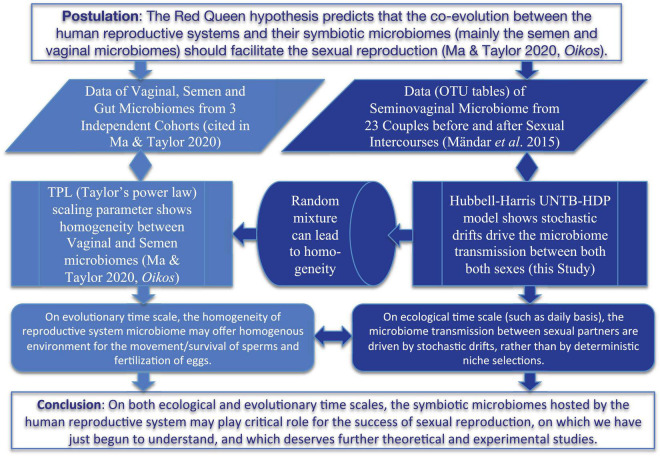
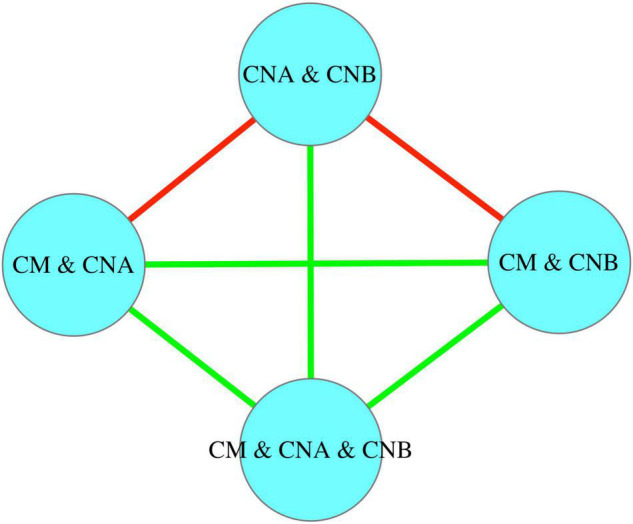
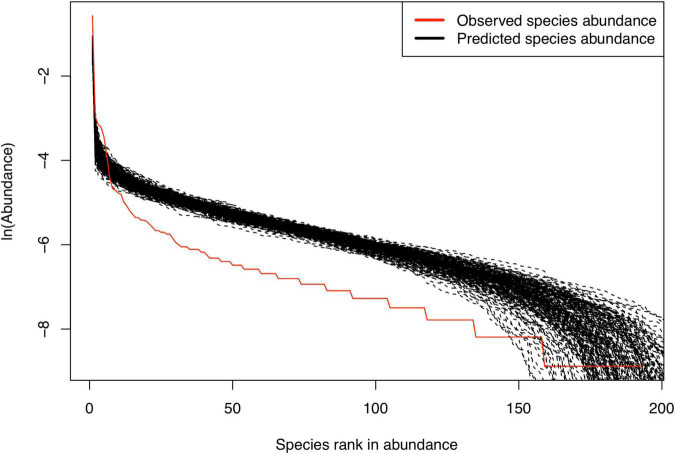
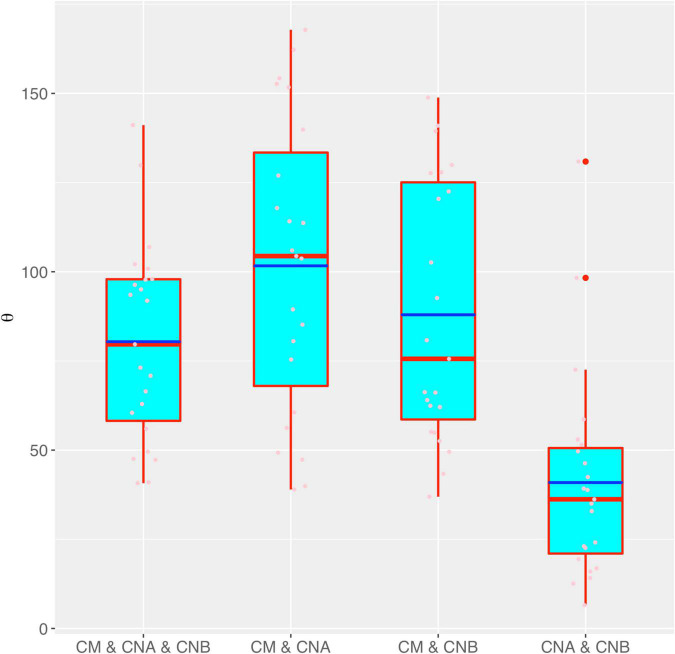
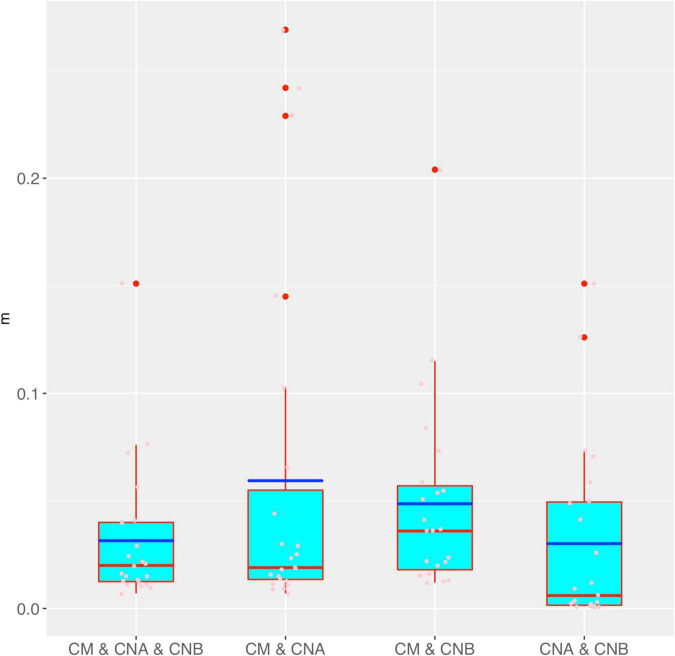
Microbes inhabit virtually everywhere on and/or in our bodies, including the seminal and vaginal fluids. They have significant importance in maintaining reproductive health and protecting hosts from diseases. The exchange of microbes during sexual intercourse is one of the most direct and significant microbial transmissions between men and women. Nevertheless, the mechanism of this microbial transmission was little known. Is the transmission mode stochastic, passive diffusion similar to the random walk of particles, or driven by some deterministic forces? What is the microbial transmission probability? What are the possible evolutionary implications, particularly from the perspective of sexual reproduction (selection)? We tackle these intriguing questions by leveraging the power of Hubbell's unified neutral theory of biodiversity, specifically implemented as the HDP-MSN (hierarchical Dirichlet process approximated multi-site neutral model), which allows for constructing truly multi-site metacommunity models, including vaginal and semen microbiomes. By reanalyzing the microbiome datasets of seminal and vaginal fluids from 23 couples both before and after sexual intercourses originally reported by Mändar and colleagues, we found that the microbial transmission between seminal and vaginal fluids is a stochastic, passive diffusion similar to the random walk of particles in physics, rather than driven by deterministic forces. The transmission probability through sexual intercourse seems to be approximately 0.05. Inspired by the results from the HDP-MSN model, we further conjecture that the stochastic drifts of microbiome transmissions during sexual intercourses can be responsible for the homogeneity between semen and vaginal microbiomes first identified in a previous study, which should be helpful for sexual reproduction by facilitating the sperm movement/survival and/or egg fertilization. This inference seems to be consistent with the classic Red Queen hypothesis, which, when extended to the co-evolutionary interactions between humans and their symbiotic microbiomes, would predict that the reproductive system microbiomes should support sexual reproduction.
微生物几乎存在于我们身体内外的任何地方,包括精液和阴道分泌物。它们在维持生殖健康和保护宿主免受疾病侵害方面具有重要意义。性交过程中微生物的交换是男女之间最直接、最重要的微生物传播方式之一。然而,这种微生物传播的机制却鲜为人知。其传播模式是随机的、类似于粒子随机游走的被动扩散,还是由某些确定性力量驱动?微生物传播的概率是多少?可能的进化影响是什么,特别是从有性生殖(选择)的角度来看?我们利用哈贝尔的生物多样性统一中性理论的力量来解决这些有趣的问题,具体实现为HDP - MSN(分层狄利克雷过程近似多站点中性模型),它允许构建真正的多站点元群落模型,包括阴道和精液微生物群。通过重新分析曼达尔及其同事最初报道的23对夫妇性交前后精液和阴道分泌物的微生物群数据集,我们发现精液和阴道分泌物之间的微生物传播是一种随机的、被动扩散,类似于物理学中粒子的随机游走,而不是由确定性力量驱动。性交的传播概率似乎约为0.05。受HDP - MSN模型结果的启发,我们进一步推测,性交过程中微生物群传播的随机漂移可能是先前研究中首次发现的精液和阴道微生物群同质性的原因,这应该有助于通过促进精子运动/存活和/或卵子受精来进行有性生殖。这一推断似乎与经典的红皇后假说一致,当扩展到人类与其共生微生物群的共同进化相互作用时,该假说预测生殖系统微生物群应该支持有性生殖。