Kollisch-Singule Michaela, Ramcharran Harry, Satalin Joshua, Blair Sarah, Gatto Louis A, Andrews Penny L, Habashi Nader M, Nieman Gary F, Bougatef Adel
Department of Surgery, SUNY Upstate Medical University, Syracuse, NY, United States.
Department of Trauma Critical Care Medicine, R Adams Cowley Shock Trauma Center, University of Maryland School of Medicine, Baltimore, MD, United States.
Front Physiol. 2022 Mar 17;12:805620. doi: 10.3389/fphys.2021.805620. eCollection 2021.
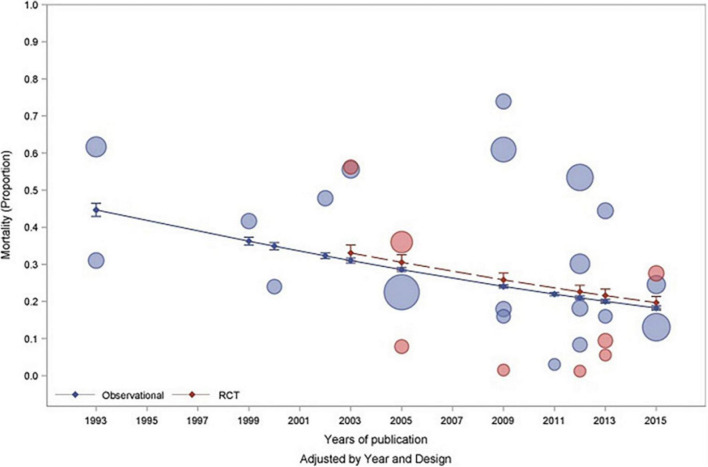
Pediatric acute respiratory distress syndrome (PARDS) remains a significant cause of morbidity and mortality, with mortality rates as high as 50% in children with severe PARDS. Despite this, pediatric lung injury and mechanical ventilation has been poorly studied, with the majority of investigations being observational or retrospective and with only a few randomized controlled trials to guide intensivists. The most recent and universally accepted guidelines for pediatric lung injury are based on consensus opinion rather than objective data. Therefore, most neonatal and pediatric mechanical ventilation practices have been arbitrarily adapted from adult protocols, neglecting the differences in lung pathophysiology, response to injury, and co-morbidities among the three groups. Low tidal volume ventilation has been generally accepted for pediatric patients, even in the absence of supporting evidence. No target tidal volume range has consistently been associated with outcomes, and compliance with delivering specific tidal volume ranges has been poor. Similarly, optimal PEEP has not been well-studied, with a general acceptance of higher levels of F O and less aggressive PEEP titration as compared with adults. Other modes of ventilation including airway pressure release ventilation and high frequency ventilation have not been studied in a systematic fashion and there is too little evidence to recommend supporting or refraining from their use. There have been no consistent outcomes among studies in determining optimal modes or methods of setting them. In this review, the studies performed to date on mechanical ventilation strategies in neonatal and pediatric populations will be analyzed. There may not be a single optimal mechanical ventilation approach, where the best method may simply be one that allows for a personalized approach with settings adapted to the individual patient and disease pathophysiology. The challenges and barriers to conducting well-powered and robust multi-institutional studies will also be addressed, as well as reconsidering outcome measures and study design.
小儿急性呼吸窘迫综合征(PARDS)仍然是发病和死亡的重要原因,严重PARDS患儿的死亡率高达50%。尽管如此,小儿肺损伤和机械通气方面的研究一直很少,大多数研究都是观察性或回顾性的,只有少数随机对照试验可为重症监护医生提供指导。最新的、被普遍接受的小儿肺损伤指南是基于共识意见而非客观数据。因此,大多数新生儿和小儿机械通气实践都是随意照搬成人方案,而忽略了三组人群在肺病理生理学、对损伤的反应以及合并症方面的差异。低潮气量通气已被普遍接受用于小儿患者,甚至在缺乏支持证据的情况下也是如此。没有一个目标潮气量范围能始终如一地与预后相关联,并且在输送特定潮气量范围方面的依从性很差。同样,最佳呼气末正压(PEEP)尚未得到充分研究,与成人相比,普遍接受更高水平的吸氧浓度(F O)和不太积极的PEEP滴定。其他通气模式,包括气道压力释放通气和高频通气,尚未得到系统研究,几乎没有证据推荐支持或不支持使用它们。在确定最佳模式或设置方法的研究中,结果并不一致。在本综述中,将分析迄今为止在新生儿和小儿人群中进行的关于机械通气策略的研究。可能不存在单一的最佳机械通气方法,最好的方法可能只是一种允许根据个体患者和疾病病理生理学进行个性化设置的方法。还将讨论开展有充分统计学效力和强有力的多机构研究的挑战和障碍,以及重新考虑结局指标和研究设计。