Shanghai First Maternity and Infant Hospital, School of Medicine, Tongji University, Shanghai, China.
PeerJ. 2022 Mar 30;10:e13218. doi: 10.7717/peerj.13218. eCollection 2022.
Endometriosis is a chronic systemic disease, whose classic symptoms are pelvic pain and infertility. This disease seriously reduces the life quality of patients. The pathogenesis, recognition and treatment of endometriosis is still unclear, and cannot be over emphasized. The aim of our study was to investigate the potential biomarker of endometriosis for the mechanism and treatment.
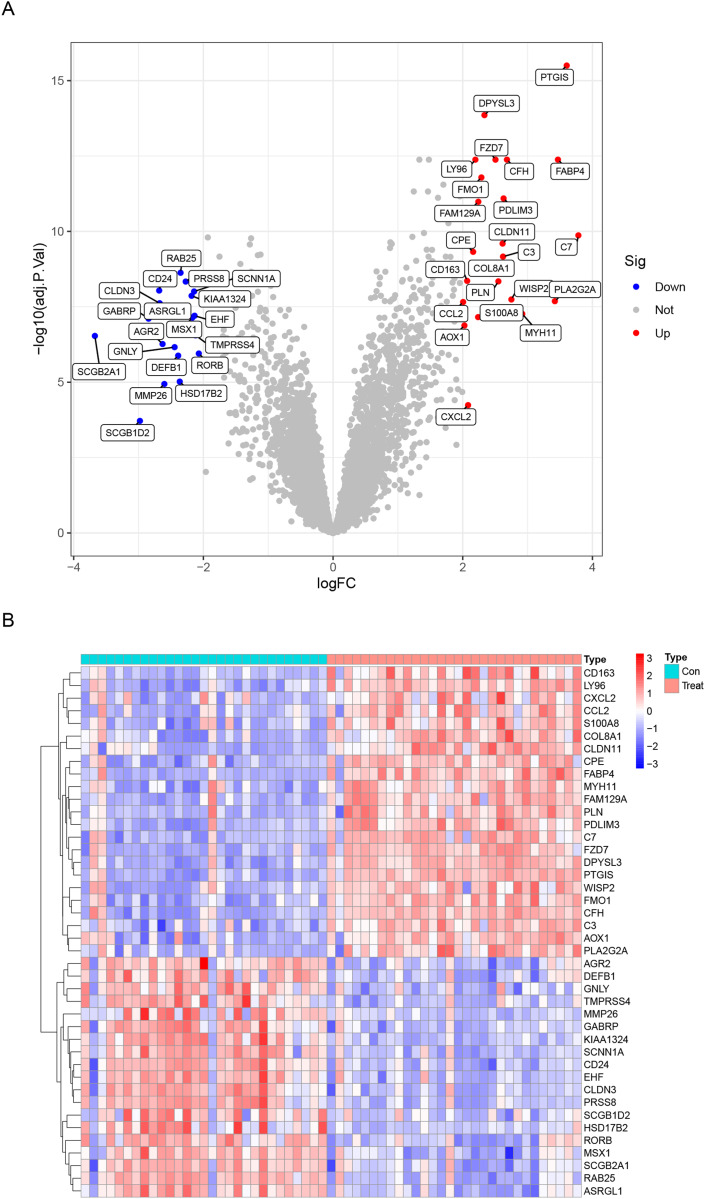
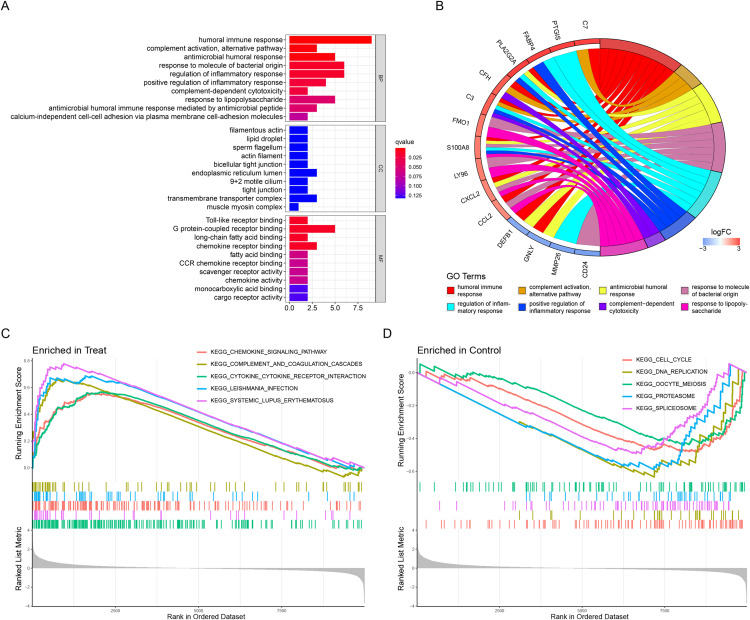
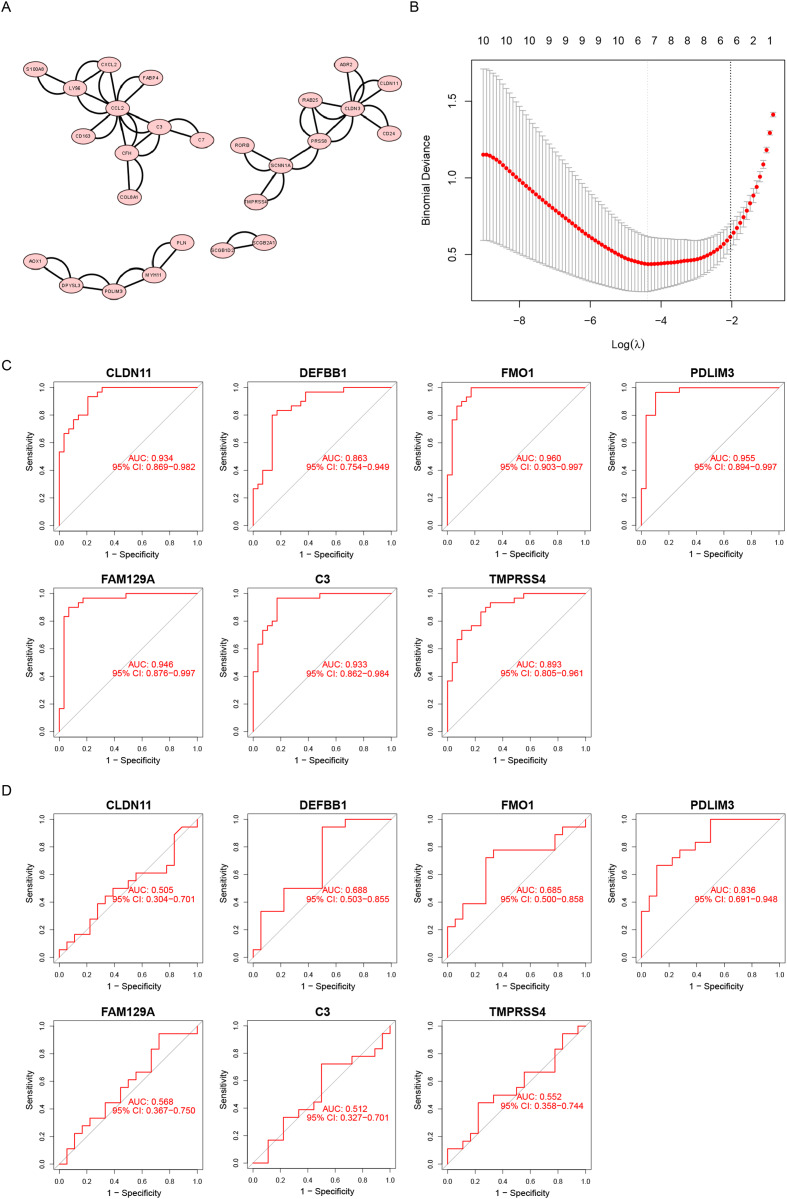
Using GSE11691, GSE23339 and GSE5108 datasets, differentially expressed genes (DEGs) were identified between endometriosis and normal samples. The functions of DEGs were reflected by the analysis of gene ontology (GO), pathway enrichment and gene set enrichment analysis (GSEA). The LASSO regression model was performed to identify candidate biomarkers. The receiver operating characteristic curve (ROC) was used to evaluate discriminatory ability of candidate biomarkers. The predictive value of the markers in endometriosis were further validated in the GSE120103 dataset. Then, the expression level of biomarkers was detected by qRT-PCR and Western blot. Finally, the relationship between candidate biomarker expression and immune infiltration was estimated using CIBERSORT.
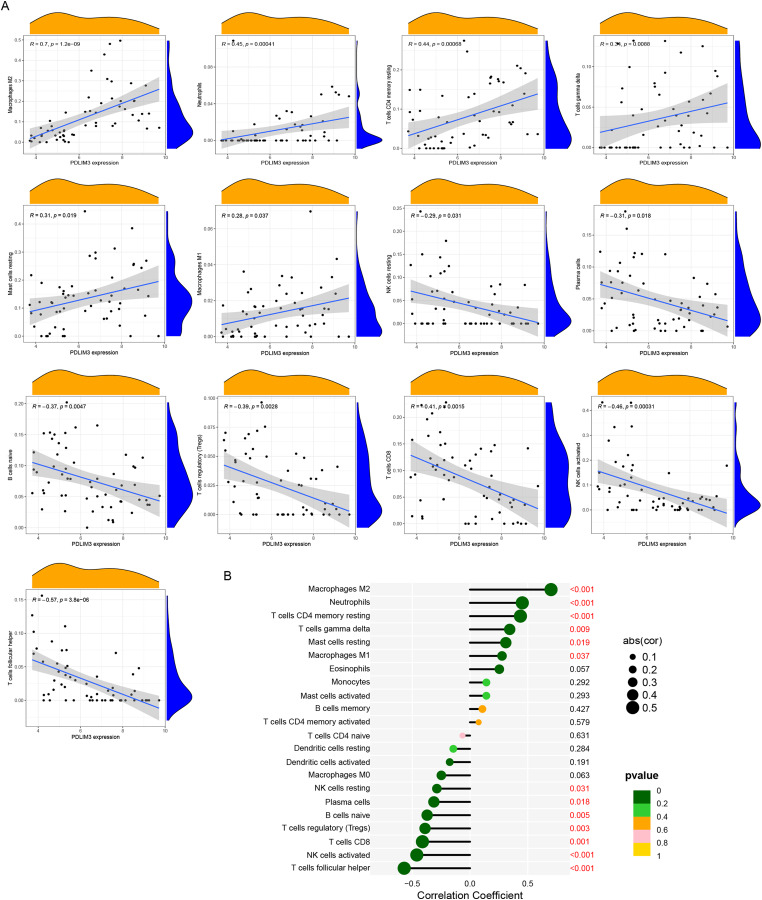
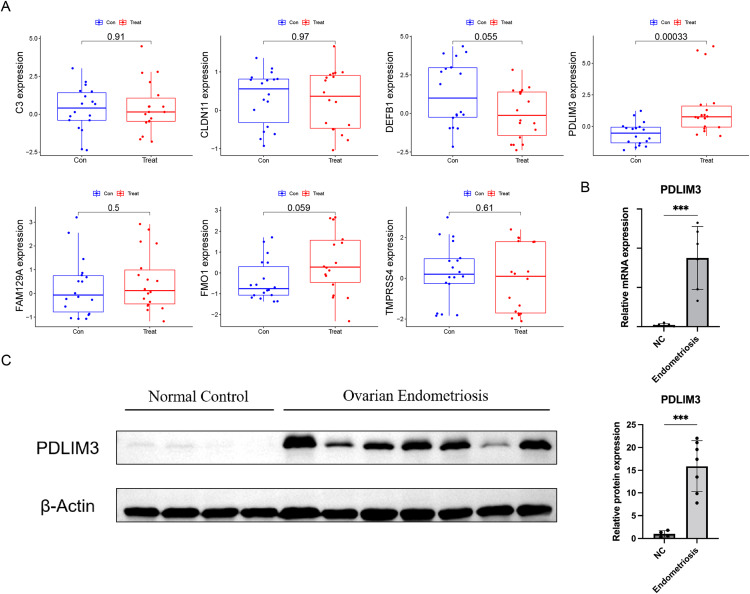
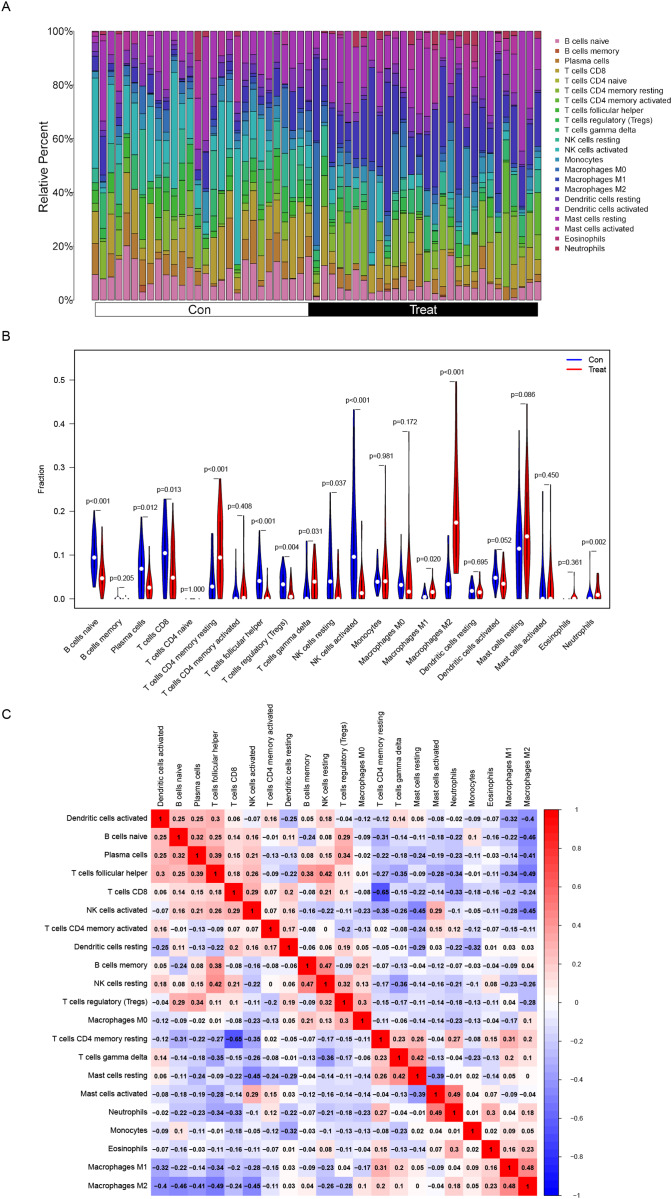
A total of 42 genes were identified, which were mainly involved in cytokine-cytokine receptor interaction, systemic lupus erythematosus and chemokine signaling pathway. We confirmed PDLIM3 was a specific biomarker in endometriosis (AUC = 0.955) and validated in the GSE120103 dataset (AUC = 0.836). The mRNA and protein expression level of PDLIM3 in endometriosis tissue was significantly higher than normal. Immune cell infiltration analysis revealed that PDLIM3 was correlated with M2 macrophages, neutrophils, CD4+ memory resting T cells, gamma delta T cells, M1 Macrophages, resting mast cells, follicular helper T cells, activated NK cells, CD8+ T cells, regulatory T cells (Tregs), naive B cells, plasma cells and resting NK cells.
子宫内膜异位症是一种慢性系统性疾病,其典型症状为盆腔疼痛和不孕。该疾病严重降低了患者的生活质量。子宫内膜异位症的发病机制、诊断和治疗仍不明确,不容忽视。我们的研究旨在寻找子宫内膜异位症的潜在生物标志物,以探究其发病机制并为其治疗提供新策略。
利用 GSE11691、GSE23339 和 GSE5108 数据集,鉴定子宫内膜异位症和正常样本之间的差异表达基因(DEGs)。通过基因本体(GO)分析、通路富集分析和基因集富集分析(GSEA)来反映 DEGs 的功能。采用 LASSO 回归模型筛选候选生物标志物。通过受试者工作特征曲线(ROC)评估候选生物标志物的判别能力。在 GSE120103 数据集进一步验证标志物在子宫内膜异位症中的预测价值。然后,通过 qRT-PCR 和 Western blot 检测标志物的表达水平。最后,采用 CIBERSORT 估计候选生物标志物表达与免疫浸润的关系。
共鉴定出 42 个基因,主要参与细胞因子-细胞因子受体相互作用、系统性红斑狼疮和趋化因子信号通路。我们证实 PDLIM3 是子宫内膜异位症的特异性生物标志物(AUC=0.955),并在 GSE120103 数据集得到验证(AUC=0.836)。PDLIM3 在子宫内膜异位症组织中的 mRNA 和蛋白表达水平明显高于正常组织。免疫细胞浸润分析表明,PDLIM3 与 M2 巨噬细胞、中性粒细胞、CD4+记忆静息 T 细胞、γδT 细胞、M1 巨噬细胞、静息肥大细胞、滤泡辅助 T 细胞、活化 NK 细胞、CD8+T 细胞、调节性 T 细胞(Tregs)、幼稚 B 细胞、浆细胞和静息 NK 细胞相关。