Department of Biomedical Science, University of Illinois College of Medicine at Rockford, Rockford, Illinois, USA.
Department of Radiation and Cellular Oncology, University of Chicago, Chicago, Illinois, USA.
J Biomed Mater Res B Appl Biomater. 2022 Sep;110(9):2146-2156. doi: 10.1002/jbm.b.35068. Epub 2022 Apr 6.
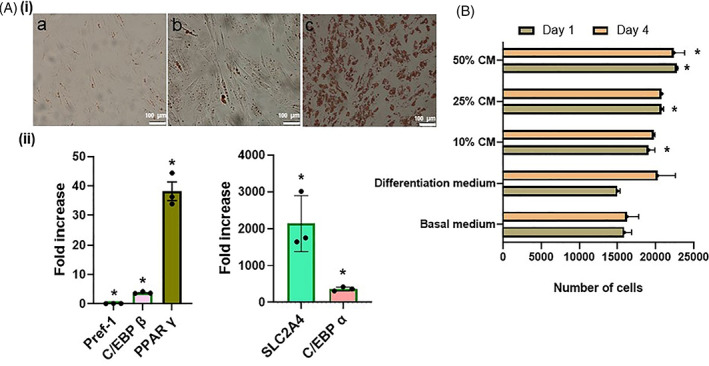
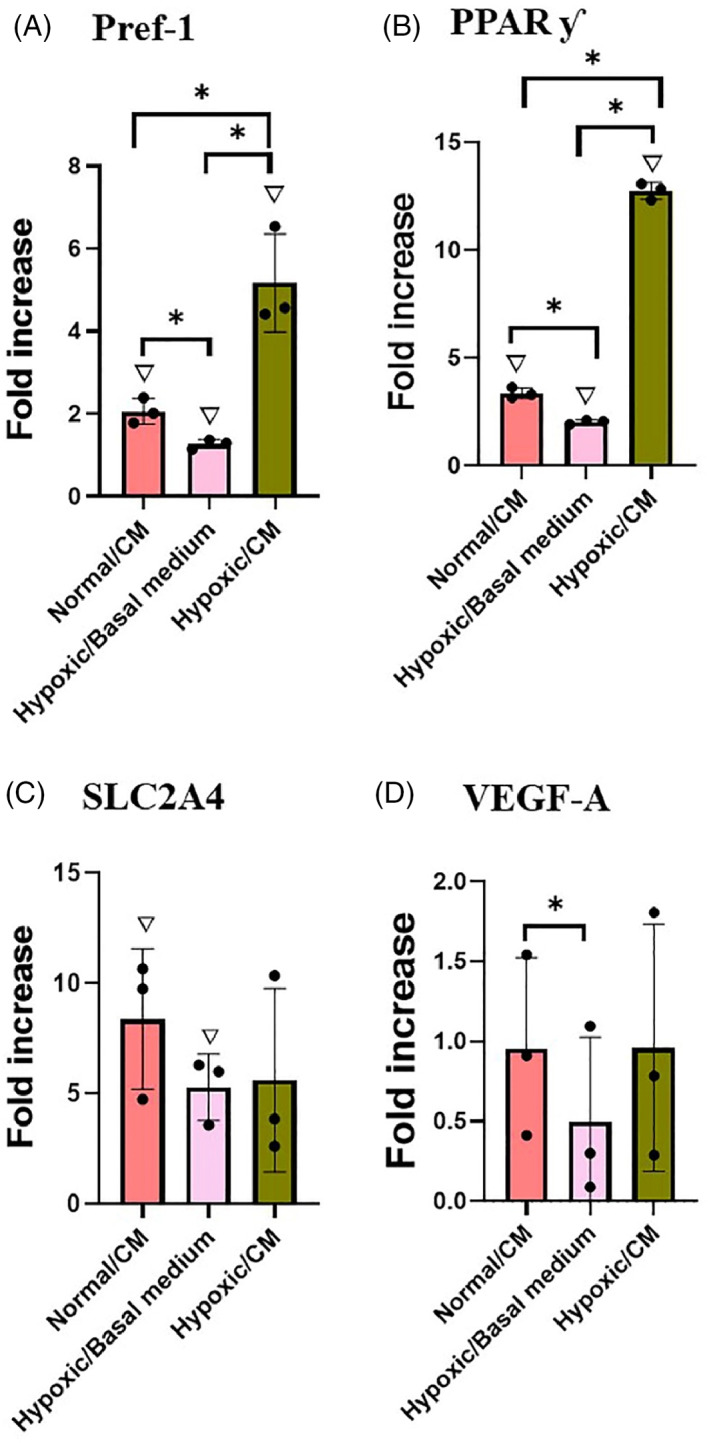
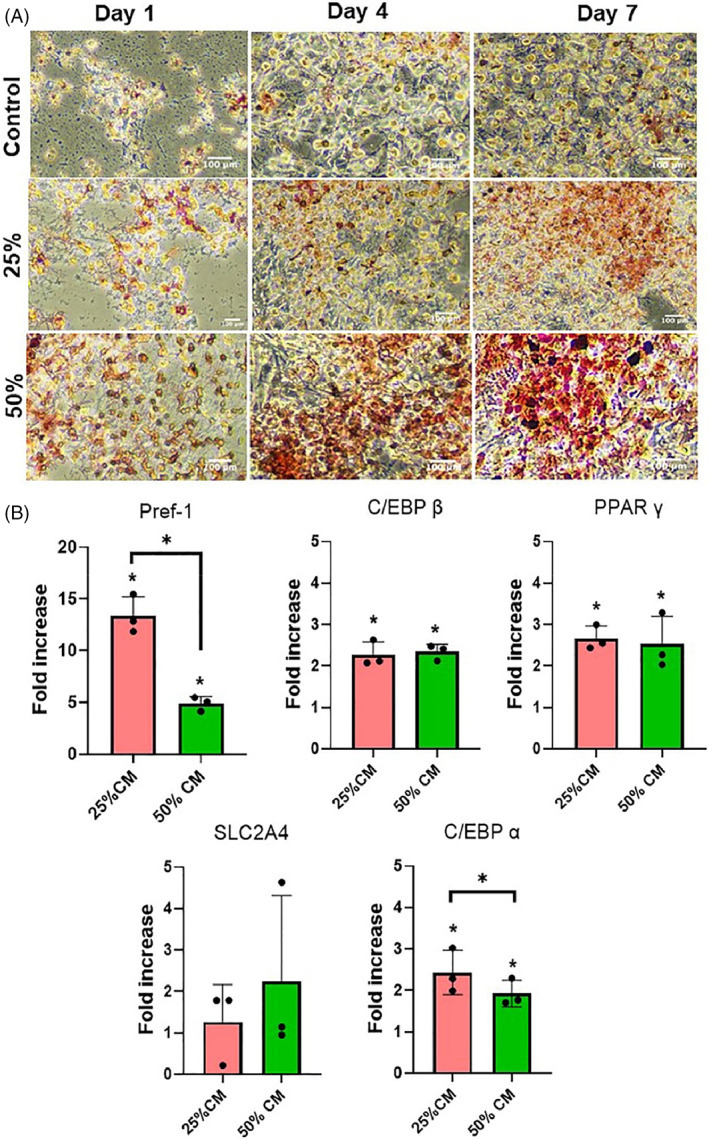
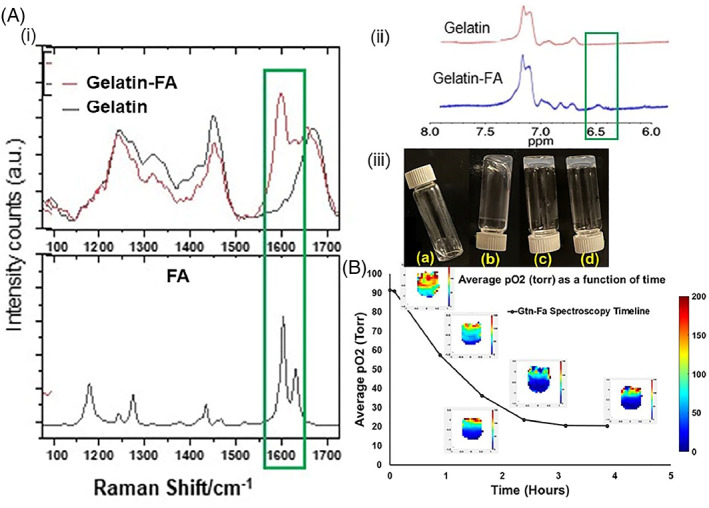
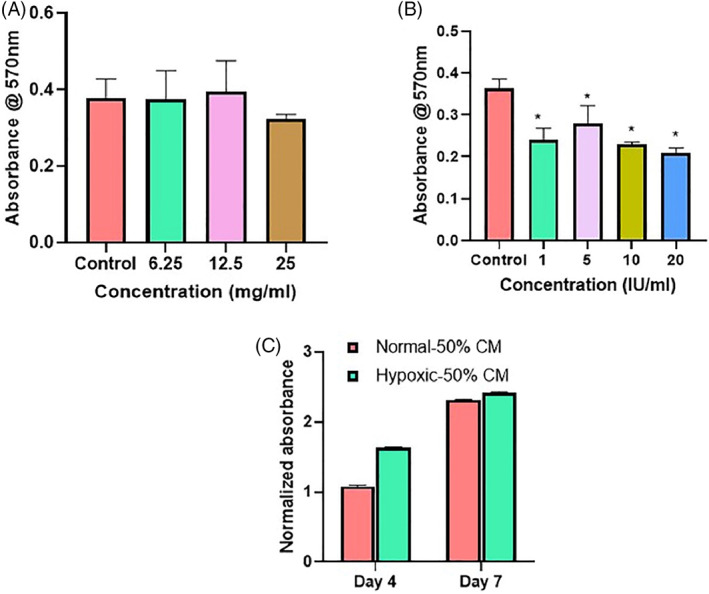
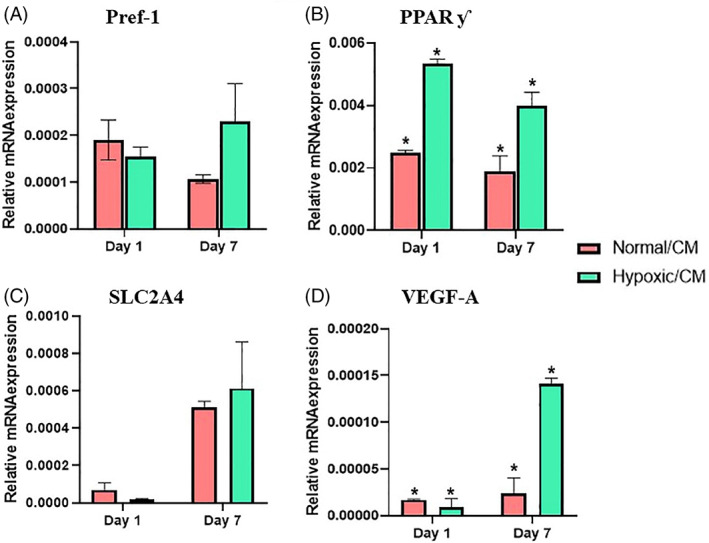
One of the major drawbacks associated with autologous fat grafting is unpredictable graft retention. Various efforts to improve the survivability of these cells have been explored, but these methods are time-consuming, complex, and demand significant technical skill. In our study, we examine the use of cryopreserved amniotic membrane as a source of exogenous growth factors to improve adipocyte survivability under normal and hypoxic conditions. Human primary preadipocytes were cultured in a gelatin-ferulic acid (Gtn-FA) hydrogel with variable oxygen concentration and treated with amniotic membrane-derived condition medium (CM) for 7 days. This hydrogel provides a hypoxic environment and also creates a 3D cell culture to better mimic recipient site conditions. The O concentration in the hydrogel was measured by electron paramagnetic resonance oxygen imaging (EPROI). The conjugation of FA was confirmed by FTIR and NMR spectroscopy. The cell viability and adipocyte differentiation were analyzed by alamarBlue™ assay, Oil Red O staining, and RT-qPCR. The expression of genes: Pref-1, C/EBP β, C/EBP α, PPAR-ƴ, SLC2A4, and VEGF-A were quantified. The cell viability results show that the 50% CM showed significantly higher cell pre-adipocyte cell viability. In addition, compared to normal conditions, hypoxia/CM provided higher PPAR-ƴ (p < .05), SLC2A4, and VEGF-A (p < .05) (early and terminal differentiating markers) mRNA expression. This finding demonstrates the efficacy of amniotic CM supplementation as a novel way to promote adipocyte survival and retention via the expression of key gene markers for differentiation and angiogenesis.
自体脂肪移植的一个主要缺点是移植物的保留率不可预测。人们已经尝试了各种方法来提高这些细胞的存活率,但这些方法既耗时又复杂,而且需要很高的技术技能。在我们的研究中,我们研究了使用冷冻保存的羊膜作为外源性生长因子的来源,以提高脂肪细胞在正常和缺氧条件下的存活率。将人原代前体脂肪细胞在具有不同氧浓度的明胶-阿魏酸(Gtn-FA)水凝胶中培养,并在羊膜衍生的条件培养基(CM)中处理 7 天。这种水凝胶提供了缺氧环境,并创建了 3D 细胞培养,以更好地模拟受区条件。通过电子顺磁共振氧成像(EPROI)测量水凝胶中的 O 浓度。通过傅里叶变换红外光谱(FTIR)和核磁共振波谱(NMR)确认 FA 的缀合。通过 alamarBlue™测定法、油红 O 染色和 RT-qPCR 分析细胞活力和脂肪细胞分化。定量分析基因:Pref-1、C/EBPβ、C/EBPα、PPAR-γ、SLC2A4 和 VEGF-A 的表达。细胞活力结果表明,50%CM 显示出明显更高的前体脂肪细胞活力。此外,与正常条件相比,缺氧/CM 提供了更高的 PPAR-γ(p<0.05)、SLC2A4 和 VEGF-A(p<0.05)(早期和终末分化标志物)mRNA 表达。这一发现表明,羊膜 CM 补充作为一种通过表达关键分化和血管生成基因标志物来促进脂肪细胞存活和保留的新方法是有效的。