Outcomes Research, Zoetis Inc., Parsippany, New Jersey, 07054, USA.
Center for Outcomes Research and Epidemiology, College of Veterinary Medicine, Kansas State University, Manhattan, Kansas, 66506, USA.
J Small Anim Pract. 2022 Aug;63(8):609-618. doi: 10.1111/jsap.13500. Epub 2022 Apr 6.
To investigate the diagnostic value of an owner-completed canine osteoarthritis screening checklist to help identify previously undiagnosed osteoarthritis cases, and assess their response to carprofen treatment by monitoring pain and functional mobility.
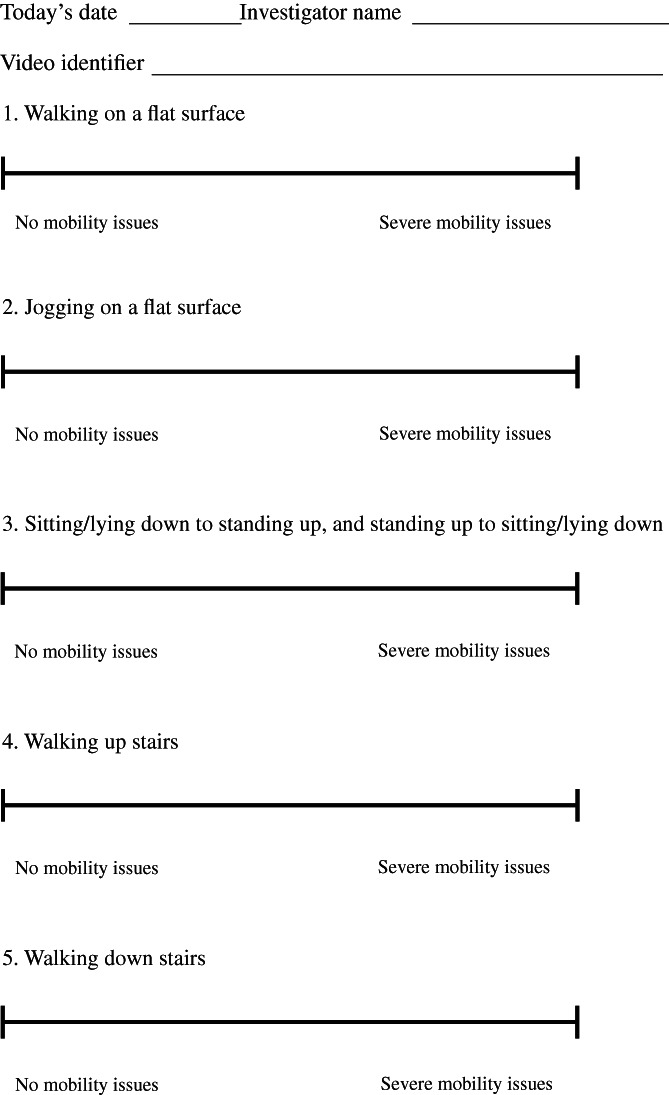
Dogs (n=500) whose owners reported ≥1 positive response to the osteoarthritis checklist were examined to identify dogs with previously undiagnosed osteoarthritis. Eligible dogs (n=133) were evaluated for pain and video mobility analysis by Helsinki Chronic Pain Index and visual analogue scale scores, respectively, following carprofen treatment, administered for 30 days (n=95) or up to 120 days (n=38). Dogs were filmed at clinics performing activities (walking, jogging, sitting/lying, walking up and down stairs), and scored at days 0, 30 and 120 using visual analogue scale by an independent blinded expert.
A diagnosis of osteoarthritis was confirmed by a veterinarian in 38% (188 of 500) of dogs. Balance of sensitivity and specificity across the original group of nine screening questions was optimised to approximately 88 and 71%, respectively, after elimination of three questions. Pain measured by Helsinki Chronic Pain Index and functional mobility improved over time in response to treatment with carprofen. Mean ability scores for activities significantly improved between days 0 and 30 for walking, jogging, sitting/lying and walking down stairs, and days 0 and 120 for sitting/lying and walking up stairs.
More osteoarthritis cases were identified in study dogs than previous prevalence estimates, indicating the screening checklist's potential to help identify for further evaluation cases that could otherwise remain undiagnosed. Improvements in function were demonstrated after carprofen treatment.
调查一份由犬主人填写的犬骨关节炎筛查清单的诊断价值,以帮助识别先前未确诊的骨关节炎病例,并通过监测疼痛和功能活动度来评估其对卡洛芬治疗的反应。
对报告犬关节炎筛查清单中≥1项阳性反应的犬进行检查,以确定先前未确诊的骨关节炎犬。符合条件的犬(n=133)接受了卡洛芬治疗,分别使用赫尔辛基慢性疼痛指数和视觉模拟评分评估疼痛和视频移动分析,治疗时间为 30 天(n=95)或长达 120 天(n=38)。犬在诊所进行活动(行走、慢跑、坐/躺、上下楼梯)时被拍摄,并由一名独立的盲法专家在第 0、30 和 120 天使用视觉模拟评分进行评分。
兽医确诊骨关节炎的犬占 38%(500 只中的 188 只)。在删除三个问题后,最初的九个筛查问题的敏感性和特异性在整个组中的平衡优化到约 88%和 71%。在使用卡洛芬治疗后,疼痛测量的赫尔辛基慢性疼痛指数和功能活动度随时间推移而改善。在行走、慢跑、坐/躺和下楼梯方面,活动的平均能力评分在第 0 天和第 30 天之间显著提高,在坐/躺和上楼梯方面,在第 0 天和第 120 天之间显著提高。
研究犬中发现的骨关节炎病例比以往的流行率估计更多,这表明筛查清单有可能帮助识别进一步评估的病例,否则这些病例可能仍未确诊。在使用卡洛芬治疗后,功能得到改善。