Zhao Kaishun, Tu Chunlin, Chen Wei, Liang Haiying, Zhang Wenjing, Wang Yilei, Jin Ye, Hu Jianrong, Sun Yameng, Xu Jun, Yu Yanfang
Department of Pulmonary and Critical Care Medicine, Jiading Central Hospital, Shanghai University of Medicine & Health Sciences, Shanghai, China.
Department of Lung, Jiading Central Hospital, Shanghai University of Medicine & Health Sciences, Shanghai, China.
Can J Infect Dis Med Microbiol. 2022 Mar 28;2022:7588033. doi: 10.1155/2022/7588033. eCollection 2022.
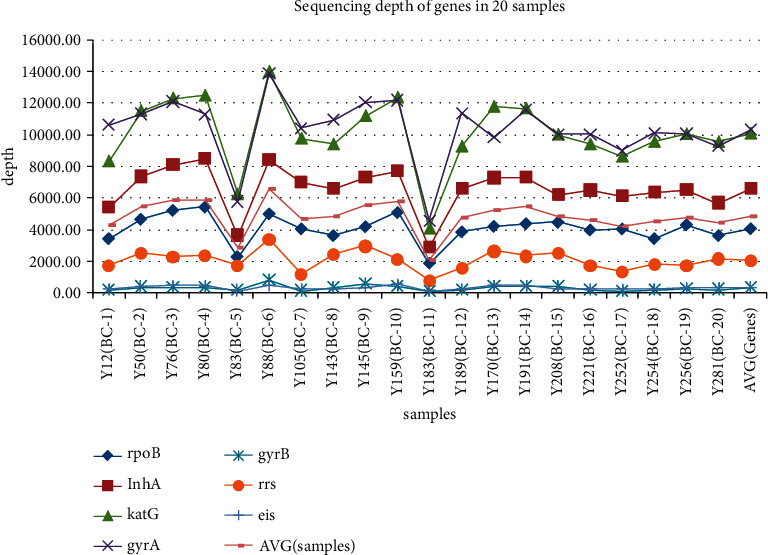
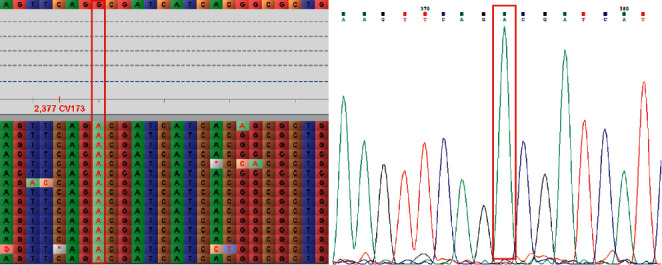
antimicrobial resistance has been continually reported and is a major public health issue worldwide. Rapid prediction of drug resistance is important for selecting appropriate antibiotic treatments, which significantly increases cure rates. Gene sequencing technology has proven to be a powerful strategy for identifying relevant drug resistance information. This study established a sequencing method and bioinformatics pipeline for resistance gene analysis using an Oxford Nanopore Technologies sequencer. The pipeline was validated by Sanger sequencing and exhibited 100% concordance with the identified variants. Turnaround time for the nanopore sequencing workflow was approximately 12 h, facilitating drug resistance prediction several weeks earlier than that of traditional phenotype drug susceptibility testing. This study produced a customized gene panel assay for rapid bacterial identification via nanopore sequencing, which improves the timeliness of diagnoses and provides a reliable method that may have clinical application.
抗菌药物耐药性一直被不断报道,并且是全球范围内的一个主要公共卫生问题。快速预测耐药性对于选择合适的抗生素治疗非常重要,这能显著提高治愈率。基因测序技术已被证明是识别相关耐药性信息的有力策略。本研究建立了一种使用牛津纳米孔技术测序仪进行耐药基因分析的测序方法和生物信息学流程。该流程通过桑格测序进行了验证,并且与已鉴定的变异显示出100%的一致性。纳米孔测序工作流程的周转时间约为12小时,比传统表型药物敏感性测试提前数周促进耐药性预测。本研究通过纳米孔测序产生了一种用于快速细菌鉴定的定制基因检测方法,这提高了诊断的及时性,并提供了一种可能具有临床应用价值的可靠方法。