Interdisciplinary School of Health Sciences, University of Ottawa, Ottawa, ON, Canada.
Faculty of Health Sciences, University of Ottawa, Ottawa, ON, Canada.
Syst Rev. 2022 Apr 6;11(1):62. doi: 10.1186/s13643-022-01936-1.
Based on the Global Trends report from the United Nations High Commissioner for Refugee, in high-income countries, there are 2.7 refuges per 1000 national population, girls and women account for nearly 50% of this refuge population. In these high-income countries, compared with the general population refuge women have higher prevalence of mental illness. Thus, this review was conducted to examine the barriers to and facilitators of access to mental health services for refugee women in high-income countries for refugee resettlement.
We searched MEDLINE, EMBASE, PsycINFO, and CINAHL databases for research articles written in English with qualitative component. The last search date was on March 14, 2020. A narrative synthesis was conducted to gather key synthesis evidence. Refugee women (aged 18 and older) that could receive mental health services were included. Men and women under non-refugee migrant legal status were excluded. Studies were evaluated studies using the Critical Appraisal Skills Programme (CASP) qualitative checklist.
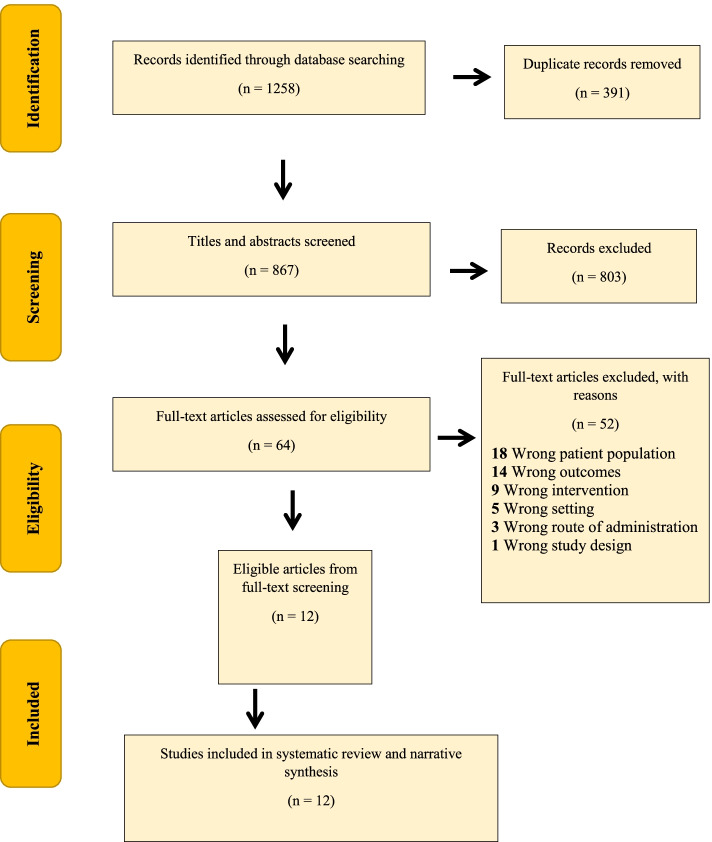
Of the four databases searched, 1258 studies were identified with 12 meeting the inclusion criteria. Three studies were cross-sectional by design, eight studies used a qualitative approach and one studies used mixed approach. The major barriers identified were language barriers, stigmatization, and the need for culturally sensitive practices to encourage accessing mental health care within a religious and cultural context. There were several studies that indicated how gender roles and biological factors played a role in challenges relating to accessing mental health services. The major facilitators identified were service availability and awareness in resettlement countries, social support, and the resilience of refugee women to gain access to mental health services.
This review revealed that socio-economic factors contributed to barriers and facilitators to accessing mental health among women refugees and asylum seekers. Addressing those social determinants of health can reduce barriers and enhance facilitators of access to mental health care for vulnerable populations like refugee women. A key limitation of the evidence in this review is that some data may be underreported or misreported due to the sensitive and highly stigmatizing nature of mental health issues among refugee populations.
PROSPERO CRD42020180369.
根据联合国难民署的《全球趋势报告》,在高收入国家,每 1000 名国民中有 2.7 名难民,其中近 50%是女孩和妇女。在这些高收入国家,与一般人口相比,难民妇女的精神疾病患病率更高。因此,本综述旨在考察高收入国家为重新安置难民而向难民妇女提供精神卫生服务的障碍和促进因素。
我们检索了 MEDLINE、EMBASE、PsycINFO 和 CINAHL 数据库,以获取英文的定性研究文章。最后一次搜索日期是 2020 年 3 月 14 日。我们进行了叙述性综合,以收集关键综合证据。纳入能够接受精神卫生服务的难民妇女(年龄在 18 岁及以上)。排除非难民移民法律地位的男性和女性。使用批判性评价技能项目(CASP)定性检查表评估研究。
从四个数据库中检索到 1258 篇研究,其中 12 篇符合纳入标准。有 3 项研究为横断面设计,8 项研究采用定性方法,1 项研究采用混合方法。确定的主要障碍是语言障碍、污名化和需要在宗教和文化背景下进行文化敏感实践,以鼓励获得精神卫生保健。有几项研究表明,性别角色和生物因素在获得精神卫生服务方面的挑战中发挥了作用。确定的主要促进因素是重新安置国家的服务提供和意识、社会支持以及难民妇女获得精神卫生服务的适应力。
本综述表明,社会经济因素是影响妇女难民和寻求庇护者获得精神卫生服务的障碍和促进因素。解决这些健康的社会决定因素可以减少脆弱人群(如难民妇女)获得精神卫生保健的障碍,增强促进因素。本综述证据的一个主要限制是,由于难民群体中精神健康问题的敏感性和高度污名化性质,一些数据可能被少报或误报。
PROSPERO CRD42020180369。