Antibody and Vaccine Group, Centre for Cancer Immunology, School of Cancer Sciences, Faculty of Medicine, University of Southampton, Tremona Road, Southampton, SO16 6YD, UK.
Cancer Genomics Group, Southampton Experimental Cancer Medicine Centre, School of Cancer Sciences, Faculty of Medicine, University of Southampton, Southampton, SO16 6YD, UK.
J Exp Clin Cancer Res. 2022 Apr 7;41(1):131. doi: 10.1186/s13046-022-02294-5.
Hypoxia is a hallmark of the tumor microenvironment (TME) and in addition to altering metabolism in cancer cells, it transforms tumor-associated stromal cells. Within the tumor stromal cell compartment, tumor-associated macrophages (TAMs) provide potent pro-tumoral support. However, TAMs can also be harnessed to destroy tumor cells by monoclonal antibody (mAb) immunotherapy, through antibody dependent cellular phagocytosis (ADCP). This is mediated via antibody-binding activating Fc gamma receptors (FcγR) and impaired by the single inhibitory FcγR, FcγRIIb.
We applied a multi-OMIC approach coupled with in vitro functional assays and murine tumor models to assess the effects of hypoxia inducible factor (HIF) activation on mAb mediated depletion of human and murine cancer cells. For mechanistic assessments, siRNA-mediated gene silencing, Western blotting and chromatin immune precipitation were utilized to assess the impact of identified regulators on FCGR2B gene transcription.
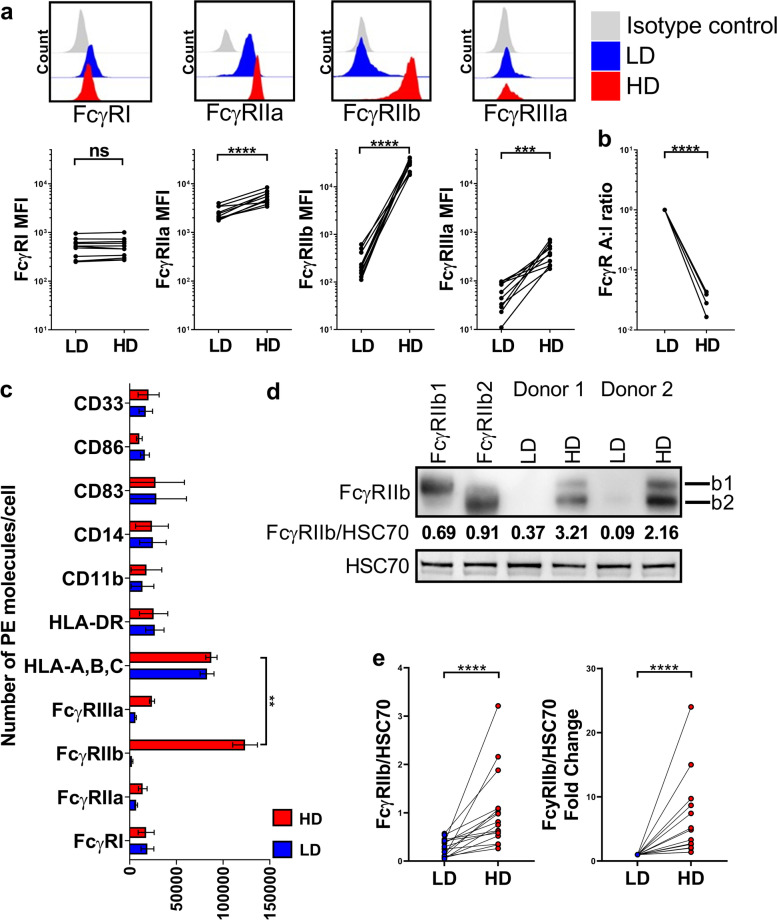
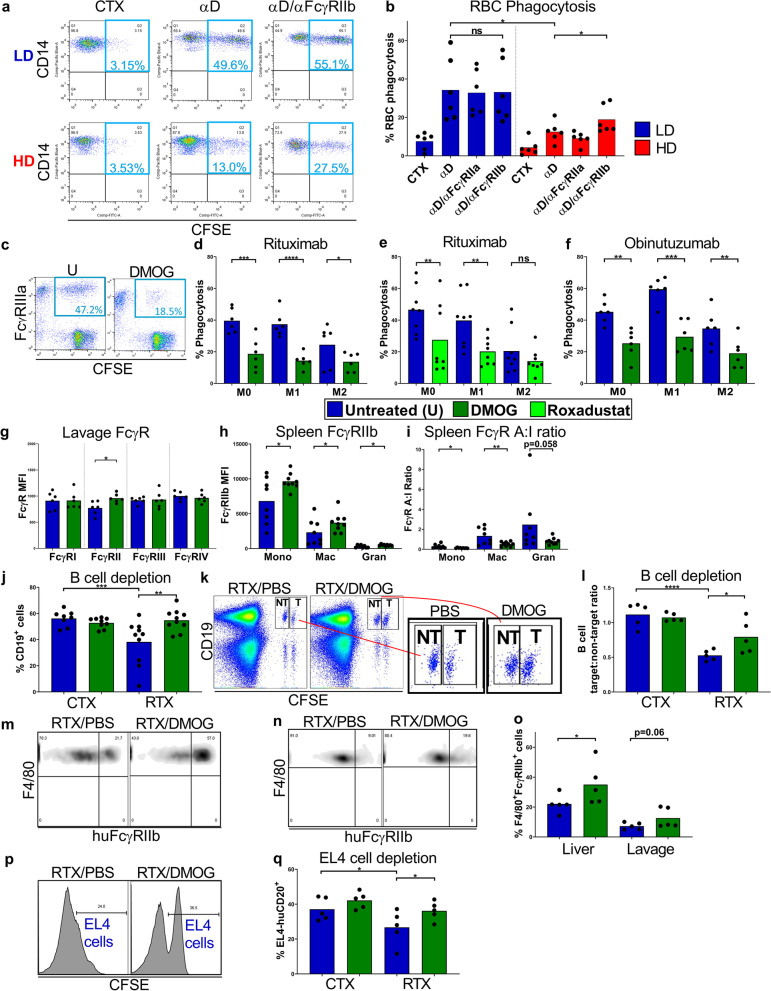
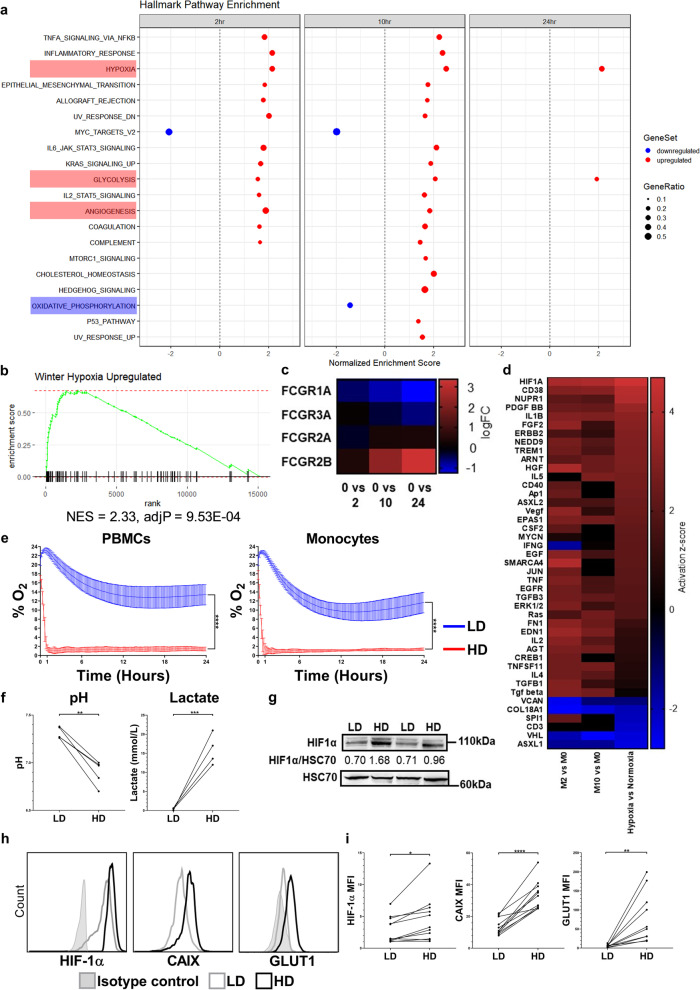
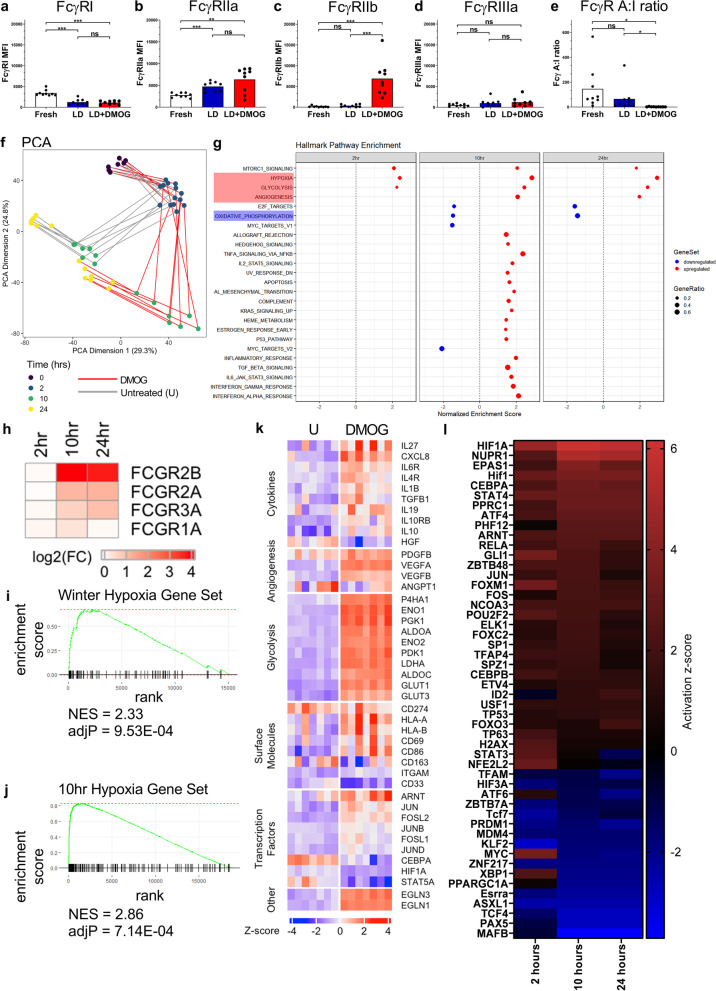
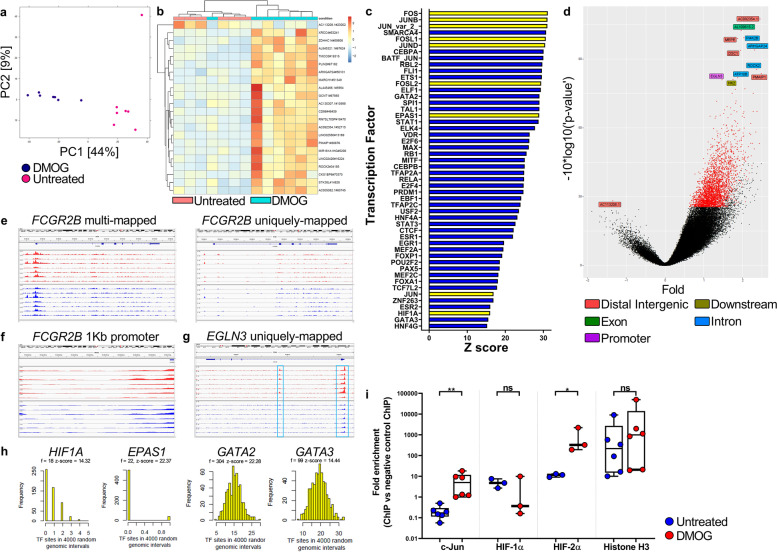
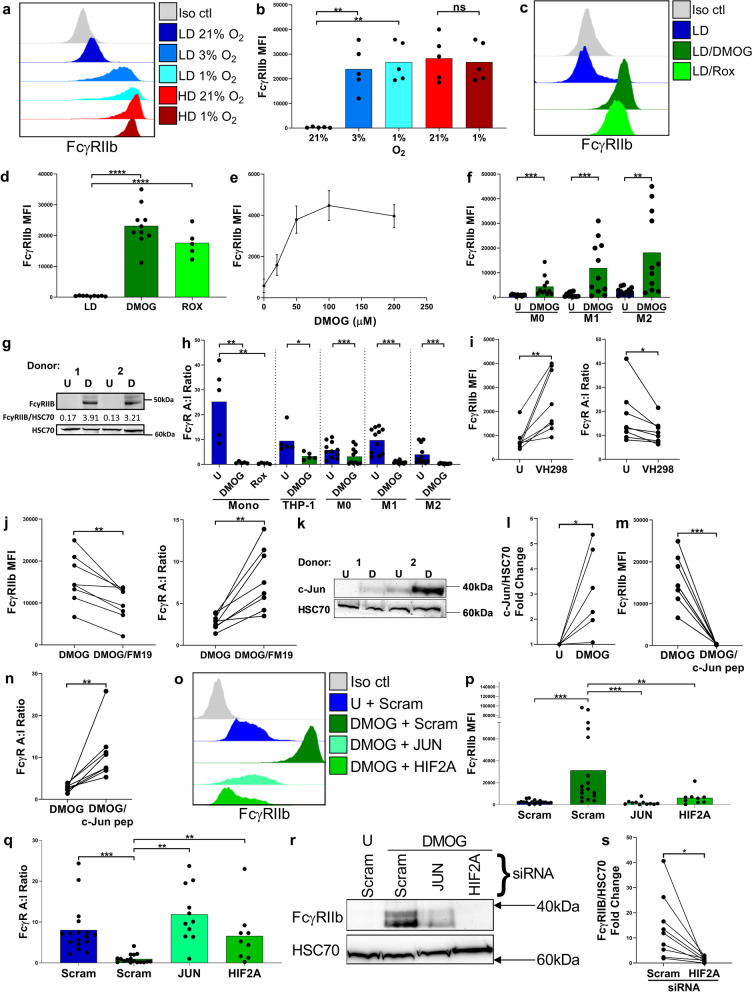
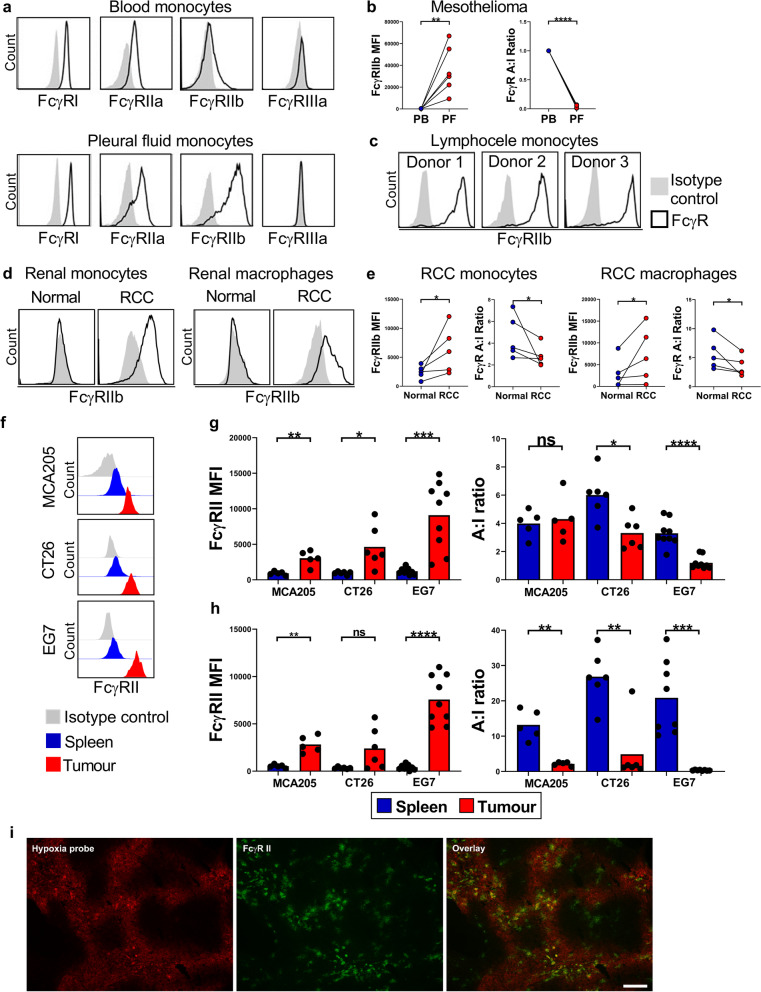
We report that TAMs are FcγRIIb relative to healthy tissue counterparts and under hypoxic conditions, mononuclear phagocytes markedly upregulate FcγRIIb. This enhanced FcγRIIb expression is transcriptionally driven through HIFs and Activator protein 1 (AP-1). Importantly, this phenotype reduces the ability of macrophages to eliminate anti-CD20 monoclonal antibody (mAb) opsonized human chronic lymphocytic leukemia cells in vitro and EL4 lymphoma cells in vivo in human FcγRIIb transgenic mice. Furthermore, post-HIF activation, mAb mediated blockade of FcγRIIb can partially restore phagocytic function in human monocytes.
Our findings provide a detailed molecular and cellular basis for hypoxia driven resistance to antitumor mAb immunotherapy, unveiling a hitherto unexplored aspect of the TME. These findings provide a mechanistic rationale for the modulation of FcγRIIb expression or its blockade as a promising strategy to enhance approved and novel mAb immunotherapies.
缺氧是肿瘤微环境(TME)的一个标志,除了改变癌细胞的代谢外,它还会改变肿瘤相关的基质细胞。在肿瘤基质细胞群中,肿瘤相关巨噬细胞(TAMs)提供了强大的促肿瘤支持。然而,TAMs 也可以通过单克隆抗体(mAb)免疫疗法被利用来破坏肿瘤细胞,通过抗体依赖的细胞吞噬作用(ADCP)。这是通过抗体结合激活的 Fcγ 受体(FcγR)介导的,并被单一抑制性 FcγR,FcγRIIb 所抑制。
我们应用了一种多组学方法,结合体外功能测定和小鼠肿瘤模型,来评估缺氧诱导因子(HIF)激活对 mAb 介导的人类和小鼠癌细胞耗竭的影响。为了进行机制评估,我们利用 siRNA 介导的基因沉默、Western blot 和染色质免疫沉淀来评估鉴定出的调节因子对 FCGR2B 基因转录的影响。
我们报告说,TAMs 相对于健康组织对照物是 FcγRIIb,并且在缺氧条件下,单核吞噬细胞显著上调 FcγRIIb。这种增强的 FcγRIIb 表达是通过 HIFs 和激活蛋白 1(AP-1)转录驱动的。重要的是,这种表型降低了巨噬细胞在体外消除抗 CD20 单克隆抗体(mAb)包被的人类慢性淋巴细胞白血病细胞和体内人类 FcγRIIb 转基因小鼠中的 EL4 淋巴瘤细胞的能力。此外,在 HIF 激活后,mAb 介导的 FcγRIIb 阻断可以部分恢复人单核细胞的吞噬功能。
我们的发现为抗肿瘤 mAb 免疫治疗的缺氧驱动耐药提供了详细的分子和细胞基础,揭示了 TME 的一个 hitherto 未被探索的方面。这些发现为调节 FcγRIIb 表达或其阻断提供了一种机制上的理由,作为增强已批准和新型 mAb 免疫疗法的有前途的策略。