Perdacher Elke, Kavanagh David, Sheffield Jeanie, Healy Karyn, Dale Penny, Heffernan Edward
Queensland Forensic Mental Health Service, Brisbane, Australia.
Forensic Mental Health Group, Queensland Centre for Mental Health Research, Brisbane, Australia.
JMIR Form Res. 2022 Apr 8;6(4):e32157. doi: 10.2196/32157.
The gap between mental health needs and resources for Aboriginal and Torres Strait Islander people, the Indigenous people of Australia, is most marked in the prison population. Indigenous people are overrepresented in Australian prisons. In prison, this group experiences mental disorders to a greater degree than non-Indigenous prisoners. This group has also been found to experience mental disorder at a higher rate than Indigenous people in the community. In addition to pre-existing determinants of poor mental health, these high prevalence rates may reflect poor engagement in mainstream interventions or the efficacy of available interventions. In community populations, the use of digital mental health resources may help to increase access to well-being support. However, culturally appropriate digital tools have not been available to Indigenous people in prisons. The absence of feasibility and efficacy studies of these tools needs to be addressed.
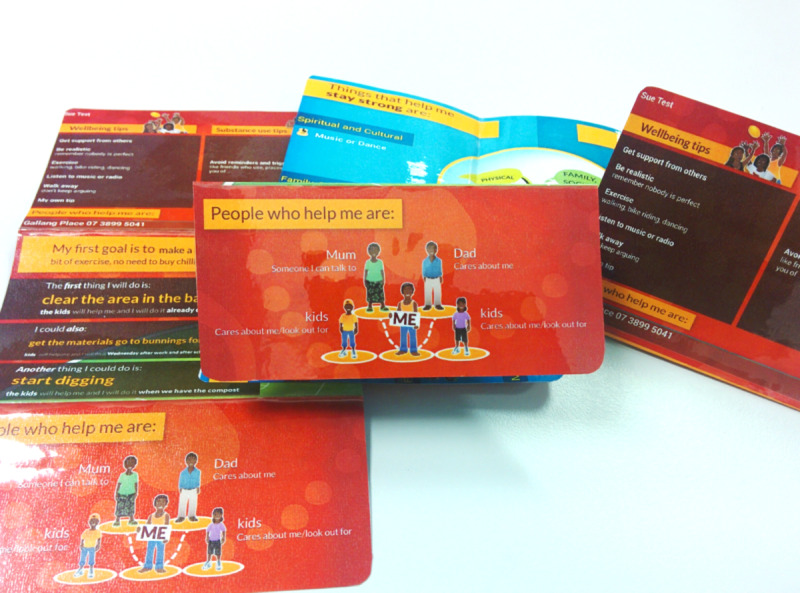
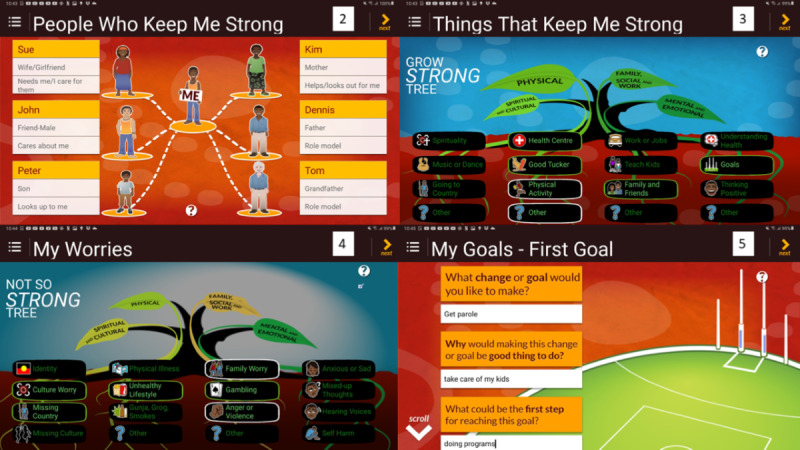
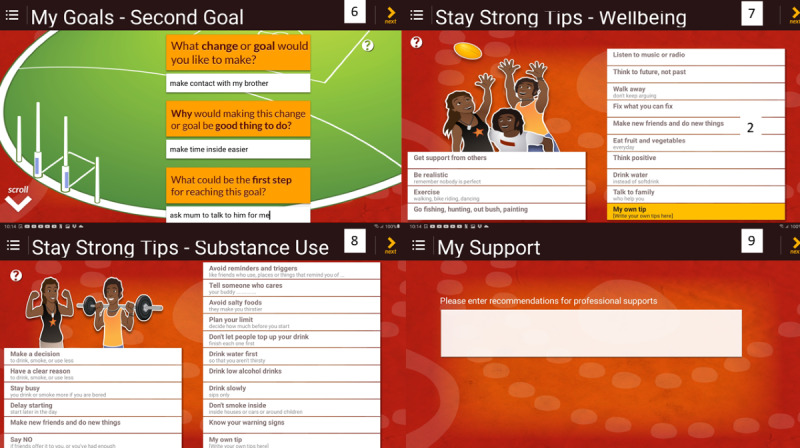
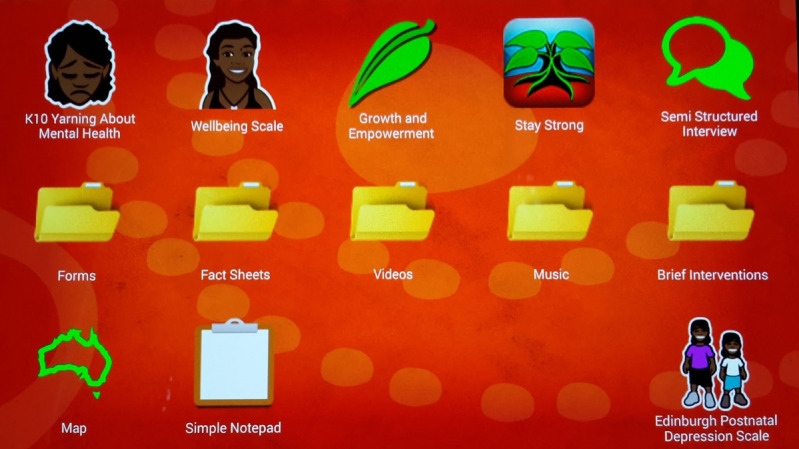
The aim of this study is to determine the feasibility of the Stay Strong app as a digital well-being and mental health tool for use by Indigenous people in prison.
Dual government agency (health and corrective services) precondition requirements of implementation were identified and resolved. This was essential given that the Stay Strong app was to be delivered by an external health agency to Indigenous prisoners. Then, acceptability at a practice level was tested using postuse qualitative interviews with clients and practitioners of the Indigenous Mental Health Intervention Program. All Indigenous Mental Health Intervention Program practitioners (10/37, 27%) and client participants who had completed their second follow-up (review of the Stay Strong app; 27/37, 73%) during the study period were invited to participate.
Owing to the innovative nature of this project, identifying and resolving the precondition requirements of implementation was challenging but provided support for the implementation of the app in practice. Acceptability of the app by clients and practitioners at a practice level was demonstrated, with nine themes emerging across the interviews: satisfaction with the current Stay Strong app, supported client goal setting, increased client self-insight, improved client empowerment, cultural appropriateness, enhanced engagement, ease of use, problems with using an Android emulator, and recommendations to improve personalization.
The Stay Strong Custody Project is a pioneering example of digital mental health tools being implemented within Australian prisons. Using the app within high-security prison settings was found to be feasible at both strategic and practice levels. Feedback from both clients and practitioners supported the use of the app as a culturally safe digital mental health and well-being tool for Aboriginal and Torres Strait Islander people in prison.
澳大利亚原住民,即土著居民和托雷斯海峡岛民的心理健康需求与资源之间的差距,在监狱人口中最为显著。澳大利亚监狱中,原住民的比例过高。在监狱里,这一群体比非原住民囚犯更容易出现精神障碍。研究还发现,这一群体出现精神障碍的比率高于社区中的原住民。除了原有的心理健康不良决定因素外,这些高患病率可能反映出他们对主流干预措施的参与度低,或者现有干预措施的效果不佳。在社区人群中,使用数字心理健康资源可能有助于增加获得幸福支持的机会。然而,监狱中的原住民无法获得符合其文化背景的数字工具。需要解决这些工具缺乏可行性和有效性研究的问题。
本研究旨在确定“保持坚强”应用程序作为一种数字幸福和心理健康工具供监狱中的原住民使用的可行性。
确定并解决了政府两个机构(卫生和惩教服务)实施该应用程序的前提条件要求。鉴于“保持坚强”应用程序将由外部卫生机构提供给原住民囚犯,这一点至关重要。然后,通过对原住民心理健康干预项目的客户和从业者进行使用后定性访谈,测试了该应用程序在实践层面的可接受性。邀请了在研究期间完成第二次随访(对“保持坚强”应用程序的评估)的所有原住民心理健康干预项目从业者(10/37,27%)和客户参与者(27/37,73%)参与。
由于该项目具有创新性,确定并解决实施的前提条件要求具有挑战性,但为该应用程序在实践中的实施提供了支持。客户和从业者在实践层面证明了该应用程序的可接受性,访谈中出现了九个主题:对当前“保持坚强”应用程序的满意度、支持客户设定目标、增强客户自我认知、增强客户权能、文化适宜性、增强参与度、易用性、使用安卓模拟器的问题以及改进个性化的建议。
“保持坚强”监禁项目是澳大利亚监狱中实施数字心理健康工具的一个开创性范例。发现在高度戒备的监狱环境中使用该应用程序在战略和实践层面都是可行的。客户和从业者的反馈都支持将该应用程序作为一种文化安全的数字心理健康和幸福工具供监狱中的原住民和托雷斯海峡岛民使用。