Ding Jie, Cui Xin-Gang, Chen Hao-Jie, Sun Yin, Yu Wei-Wei, Luo Jie, Xiao Guang-Qian, Chang Chawnshang, Qi Jun, Yeh Shuyuan
Urology Department, Xin Hua Hospital Affiliated to Shanghai Jiao Tong University School of Medicine, Shanghai 200092, China.
George H. Whipple Lab for Cancer Research, Departments of Urology, Pathology and the Wilmot Cancer Institute, University of Rochester Medical Center, Rochester, NY 14642, USA.
Cancers (Basel). 2022 Mar 23;14(7):1639. doi: 10.3390/cancers14071639.
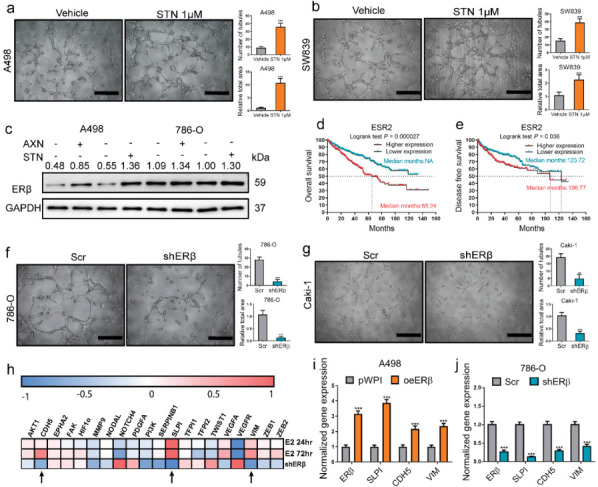
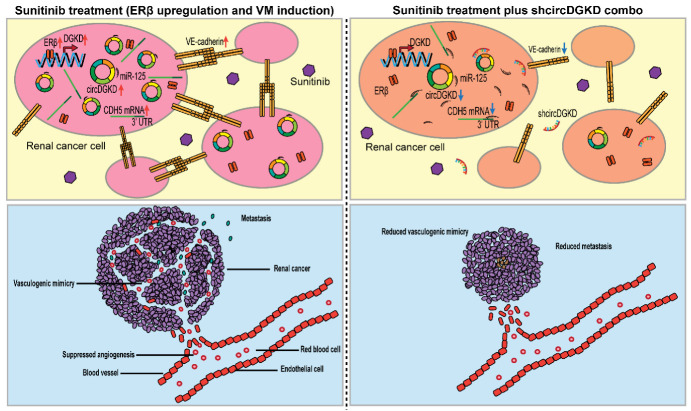
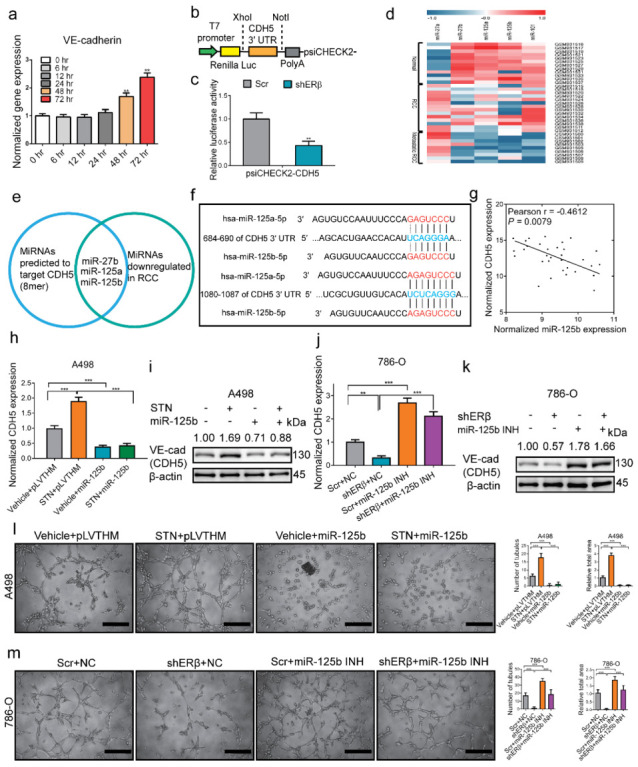
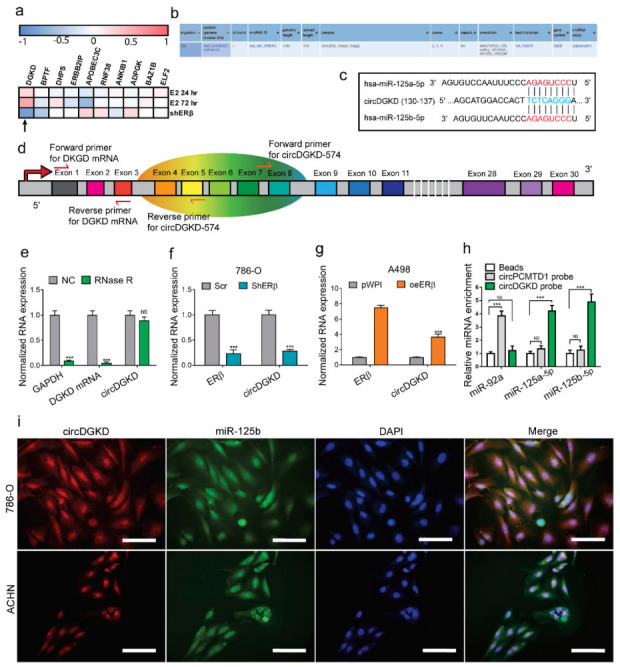
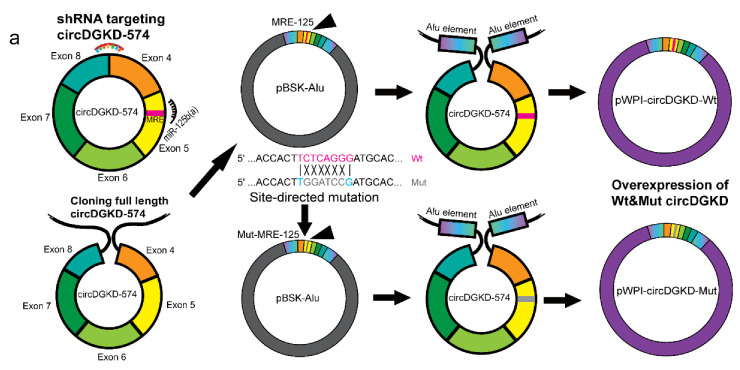
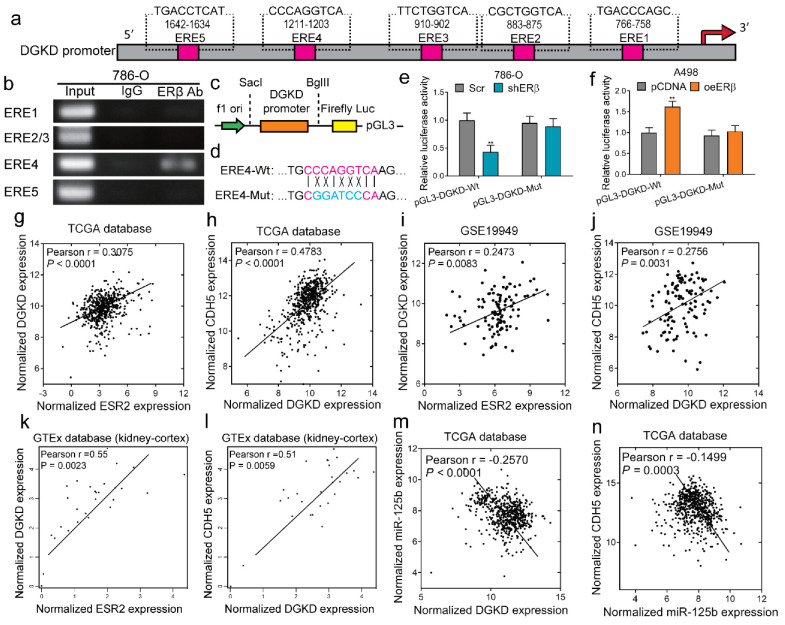
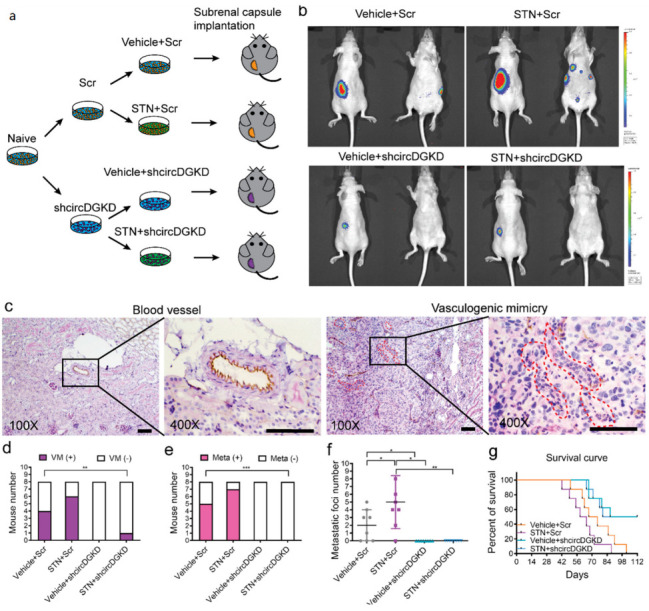
Vasculogenic mimicry (VM) has been reported as an alternative channel to increase tumor nutrient supplies and accelerate tumor progression, and is associated with poor survival prognosis in multiple cancers, including renal cell carcinoma (RCC). The currently used anti-angiogenic treatment for metastatic RCC, sunitinib, a tyrosine kinase inhibitor (TKI), has been reported to induce VM formation. Previously we identified that the estrogen receptor β (ERβ) functions as an oncogenic factor to promote RCC progression, supported by the analytic results from The Cancer Genome Atlas (TCGA) database. We have also found evidence that sunitinib induces RCC VM formation by up-regulating ERβ expression. In this study, we further demonstrated that treatment with sunitinib, as well as axitinib, another TKI, could induce ERβ expression in RCC cell lines. Clinical clear cell RCC (ccRCC) patients with higher ERβ expression are more likely to be found VE-cadherin positive and VM positive. Mechanism dissection showed that TKI- induced ERβ transcriptionally up-regulates the circular RNA of DGKD (circDGKD, hsa_circ_0058763), which enhances VE-cadherin expression by sponging the microRNA miR-125-5p family. Targeting circDGKD intercepts sunitinib-pretreatment-induced RCC VM formation, reduces metastases and improves survival in an experimental orthotopic animal model. Targeting ERβ/circDGKD signals may improve the TKI efficacy and provide novel combination therapies for metastatic RCC.
血管生成拟态(VM)已被报道为增加肿瘤营养供应和加速肿瘤进展的另一种途径,并且与包括肾细胞癌(RCC)在内的多种癌症的不良生存预后相关。目前用于转移性RCC的抗血管生成治疗药物舒尼替尼,一种酪氨酸激酶抑制剂(TKI),已被报道可诱导VM形成。此前我们通过癌症基因组图谱(TCGA)数据库的分析结果证实,雌激素受体β(ERβ)作为一种致癌因子促进RCC进展。我们还发现证据表明舒尼替尼通过上调ERβ表达诱导RCC的VM形成。在本研究中,我们进一步证明,舒尼替尼以及另一种TKI阿昔替尼的治疗均可在RCC细胞系中诱导ERβ表达。临床透明细胞RCC(ccRCC)患者中ERβ表达较高者更有可能出现血管内皮钙黏蛋白阳性和VM阳性。机制分析表明,TKI诱导的ERβ转录上调二酰甘油激酶δ(DGKD)的环状RNA(circDGKD,hsa_circ_0058763),其通过结合微小RNA miR-125-5p家族增强血管内皮钙黏蛋白的表达。在实验性原位动物模型中,靶向circDGKD可阻断舒尼替尼预处理诱导的RCC VM形成,减少转移并改善生存。靶向ERβ/circDGKD信号可能提高TKI疗效,并为转移性RCC提供新的联合治疗方案。