Re Cecconi Andrea David, Barone Mara, Forti Mara, Lunardi Martina, Cagnotto Alfredo, Salmona Mario, Olivari Davide, Zentilin Lorena, Resovi Andrea, Persichitti Perla, Belotti Dorina, Palo Federica, Takakura Nobuyuki, Kidoya Hiroyasu, Piccirillo Rosanna
Department of Neurosciences, Istituto di Ricerche Farmacologiche Mario Negri IRCCS, Via Mario Negri 2, 20156 Milan, Italy.
Molecular Biochemistry and Pharmacology Department, Istituto di Ricerche Farmacologiche Mario Negri IRCCS, Via Mario Negri 2, 20156 Milan, Italy.
Cancers (Basel). 2022 Apr 2;14(7):1814. doi: 10.3390/cancers14071814.
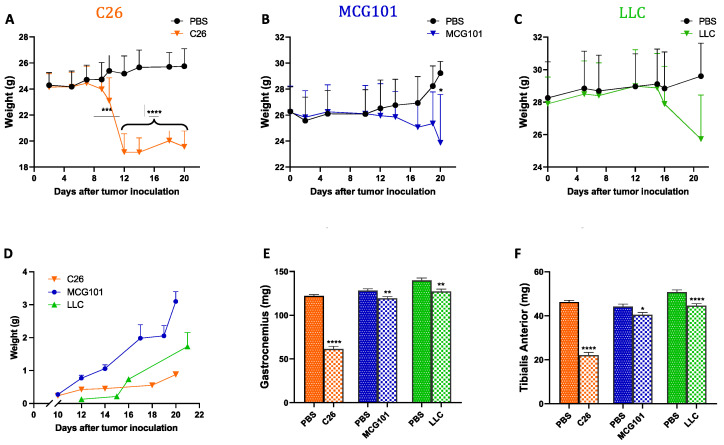
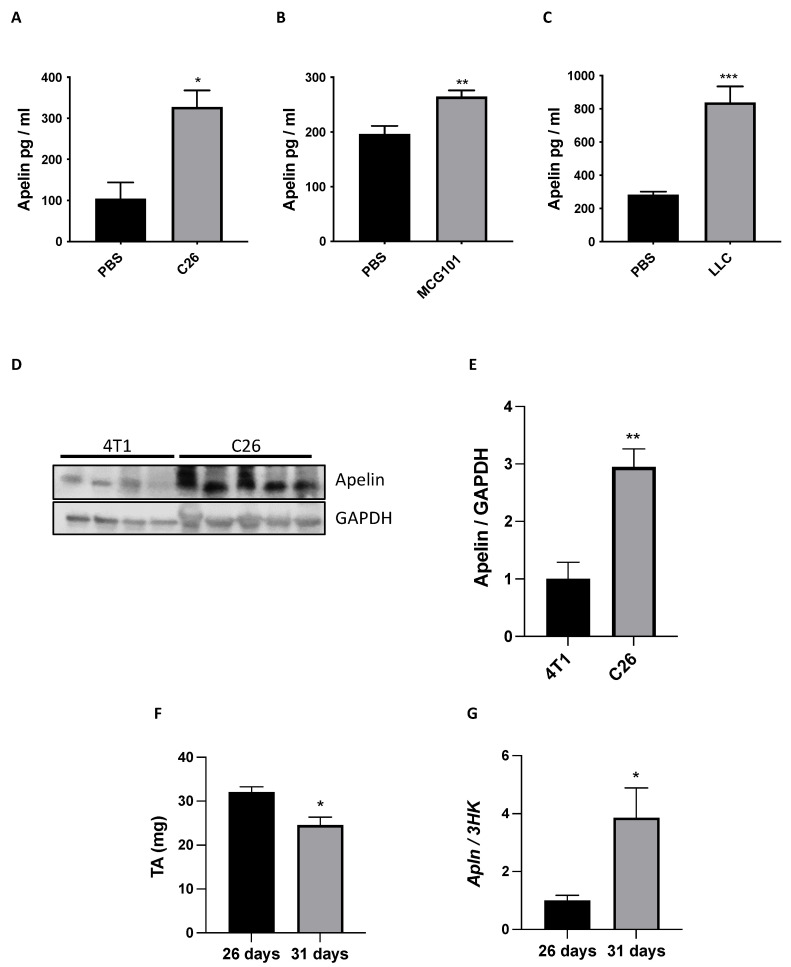
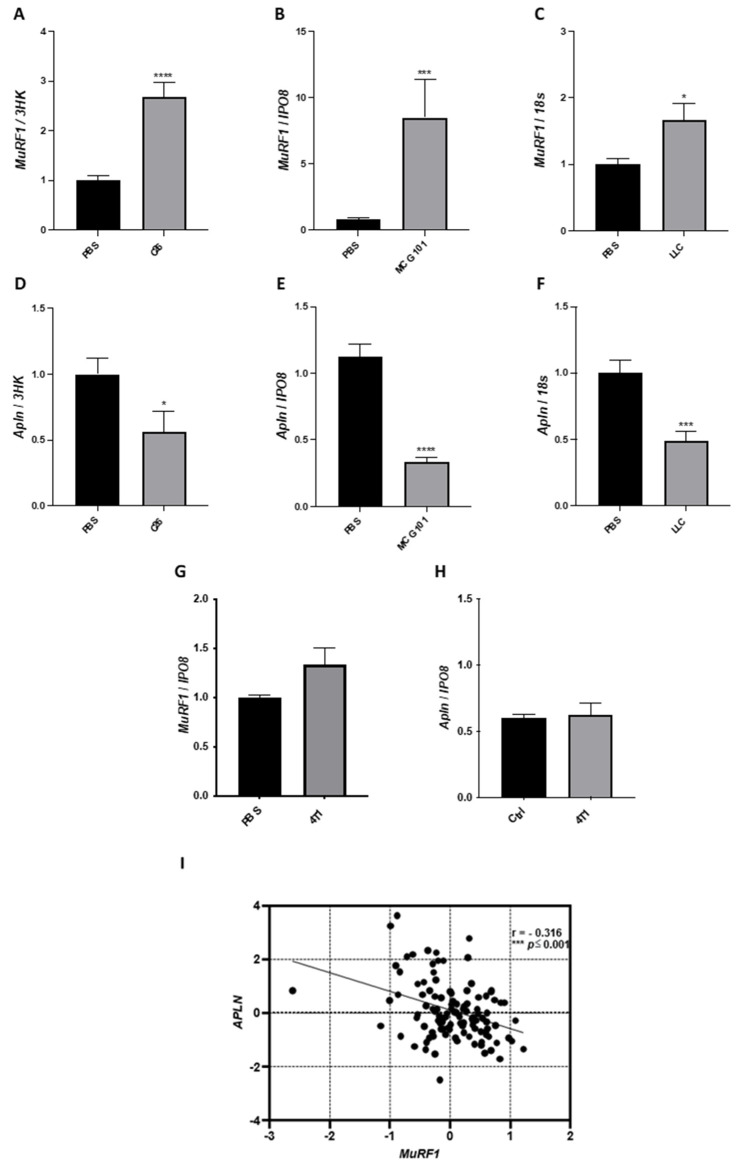
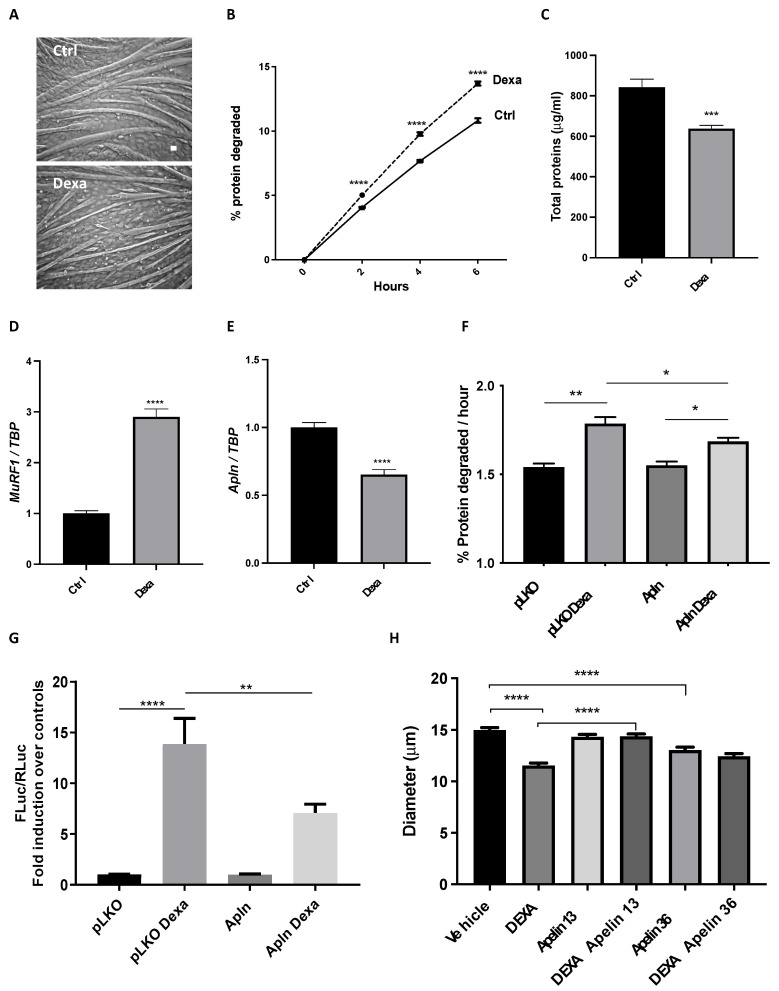
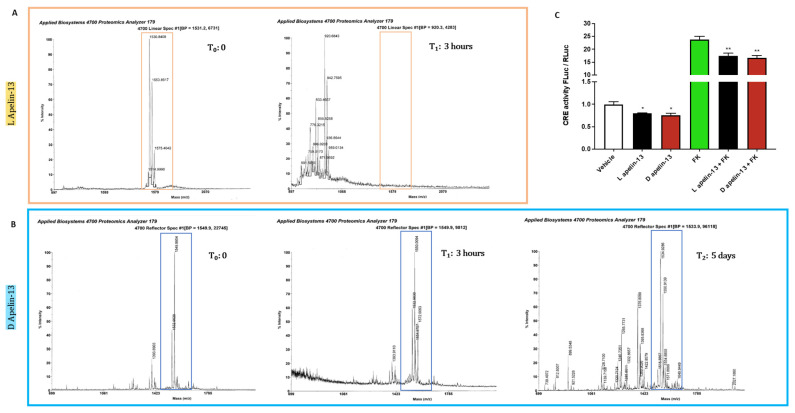
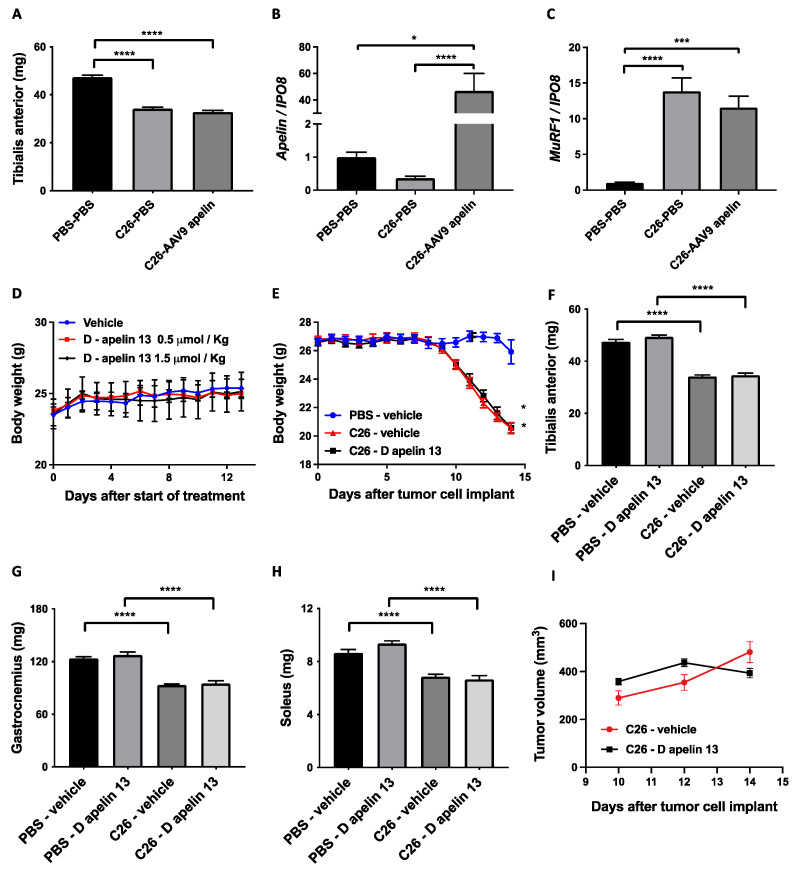
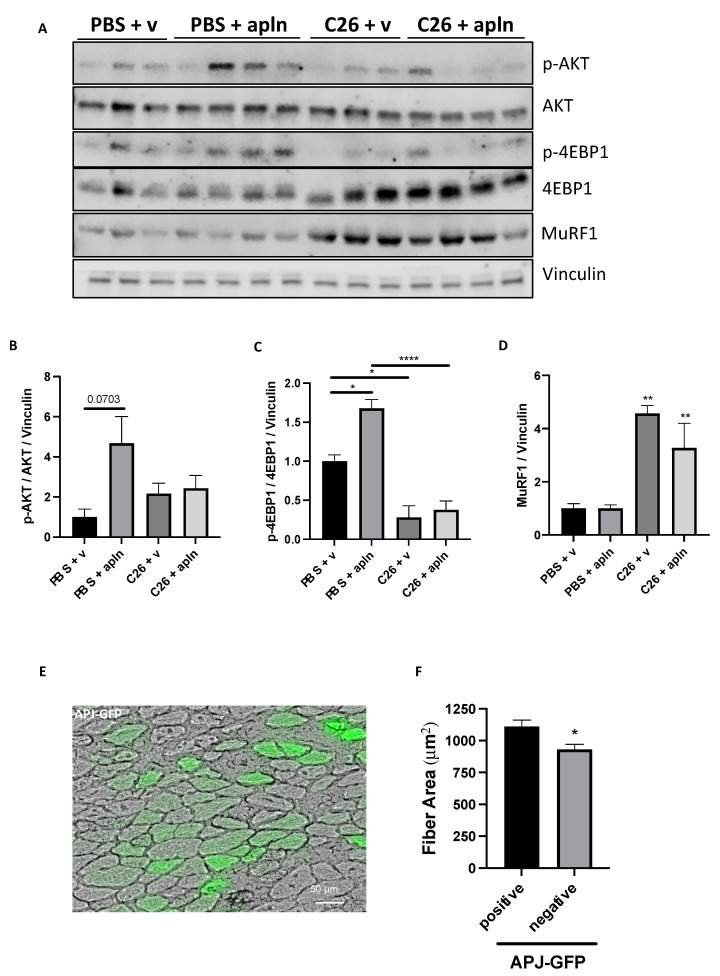
Cancer cachexia consists of dramatic body weight loss with rapid muscle depletion due to imbalanced protein homeostasis. We found that the mRNA levels of apelin decrease in muscles from cachectic hepatoma-bearing rats and three mouse models of cachexia. Furthermore, expression inversely correlates with in muscle biopsies from cancer patients. To shed light on the possible role of apelin in cachexia in vivo, we generated apelin 13 carrying all the last 13 amino acids of apelin in D isomers, ultimately extending plasma stability. Notably, apelin D-peptides alter cAMP-based signaling in vitro as the L-peptides, supporting receptor binding. In vitro apelin 13 protects myotube diameter from dexamethasone-induced atrophy, restrains rates of degradation of long-lived proteins and expression, but fails to protect mice from atrophy. D-apelin 13 given intraperitoneally for 13 days in colon adenocarcinoma C26-bearing mice does not reduce catabolic pathways in muscles, as it does in vitro. Puzzlingly, the levels of circulating apelin seemingly deriving from cachexia-inducing tumors, increase in murine plasma during cachexia. Muscle electroporation of a plasmid expressing its receptor APJ, unlike apelin, preserves myofiber area from C26-induced atrophy, supporting apelin resistance in vivo. Altogether, we believe that during cachexia apelin resistance occurs, contributing to muscle wasting and nullifying any possible peptide-based treatment.
癌症恶病质表现为由于蛋白质稳态失衡导致体重急剧下降和肌肉迅速消耗。我们发现,在荷肝癌恶病质大鼠的肌肉以及三种恶病质小鼠模型中,apelin的mRNA水平降低。此外,在癌症患者的肌肉活检中,其表达与[具体指标]呈负相关。为了阐明apelin在体内恶病质中的可能作用,我们生成了apelin 13,其携带apelin的所有最后13个氨基酸的D型异构体,最终延长了血浆稳定性。值得注意的是,apelin D肽在体外与L肽一样改变基于cAMP的信号传导,支持受体结合。体外实验中,apelin 13可保护肌管直径免受地塞米松诱导的萎缩,抑制长寿命蛋白质的降解速率和[具体指标]表达,但无法保护小鼠免受萎缩。在荷结肠腺癌C26的小鼠中腹腔注射D-apelin 13持续13天,并未像在体外实验中那样降低肌肉中的分解代谢途径。令人困惑的是,在恶病质期间,看似源自诱导恶病质肿瘤的循环apelin水平在小鼠血浆中升高。与apelin不同,通过肌肉电穿孔导入表达其受体APJ的质粒可保护肌纤维面积免受C26诱导的萎缩,这支持了体内对apelin的抵抗。总之,我们认为在恶病质期间发生了对apelin的抵抗,导致肌肉萎缩并使任何基于肽的治疗失效。