AGH University of Science and Technology, Faculty of Electrical Engineering, Automatics, Computer Science and Biomedical Engineering, al. A. Mickiewicza 30, 30-059 Krakow, Poland.
Chair of Epidemiology and Preventive Medicine, Department of Hygiene and Dietetics, Jagiellonian University Medical College, ul. M. Kopernika 7, 31-034 Krakow, Poland.
Sensors (Basel). 2022 Mar 25;22(7):2538. doi: 10.3390/s22072538.
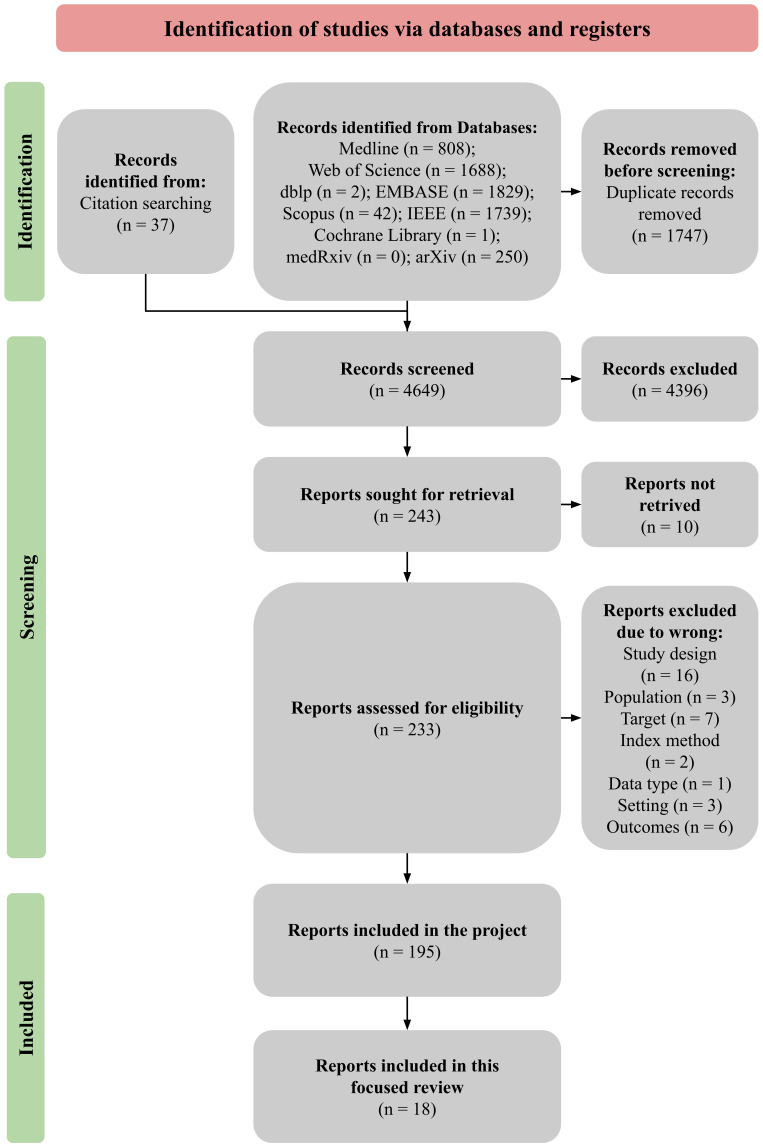
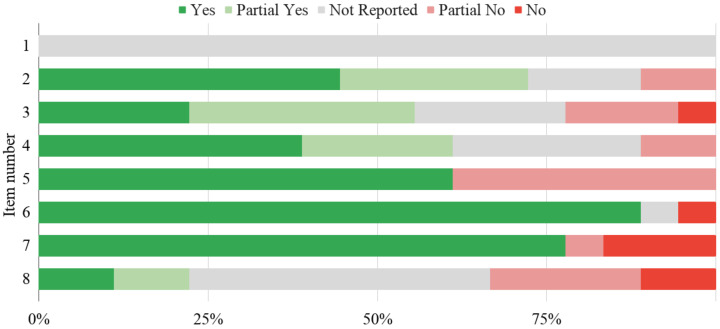
Our review aimed to assess the current state and quality of publicly available datasets used for automated affect and emotion recognition (AAER) with artificial intelligence (AI), and emphasising cardiovascular (CV) signals. The quality of such datasets is essential to create replicable systems for future work to grow. We investigated nine sources up to 31 August 2020, using a developed search strategy, including studies considering the use of AI in AAER based on CV signals. Two independent reviewers performed the screening of identified records, full-text assessment, data extraction, and credibility. All discrepancies were resolved by discussion. We descriptively synthesised the results and assessed their credibility. The protocol was registered on the Open Science Framework (OSF) platform. Eighteen records out of 195 were selected from 4649 records, focusing on datasets containing CV signals for AAER. Included papers analysed and shared data of 812 participants aged 17 to 47. Electrocardiography was the most explored signal (83.33% of datasets). Authors utilised video stimulation most frequently (52.38% of experiments). Despite these results, much information was not reported by researchers. The quality of the analysed papers was mainly low. Researchers in the field should concentrate more on methodology.
我们的综述旨在评估当前可用于人工智能(AI)自动情感识别(AAER)的公共数据集的现状和质量,重点关注心血管(CV)信号。这些数据集的质量对于创建可复制的系统以促进未来的工作至关重要。我们使用开发的搜索策略,调查了截至 2020 年 8 月 31 日的九个来源,包括考虑使用基于 CV 信号的 AI 进行 AAER 的研究。两名独立的审查员对确定的记录进行了筛选、全文评估、数据提取和可信度评估。所有分歧均通过讨论解决。我们对结果进行了描述性综合,并评估了其可信度。该方案已在开放科学框架(OSF)平台上注册。从 4649 条记录中筛选出 195 条记录中的 18 条,重点关注包含 CV 信号用于 AAER 的数据集。纳入的论文分析并共享了年龄在 17 至 47 岁之间的 812 名参与者的数据。心电图是最受探索的信号(83.33%的数据集)。作者最常使用视频刺激(52.38%的实验)。尽管有这些结果,但研究人员并未报告很多信息。分析论文的质量主要较低。该领域的研究人员应更加关注方法学。