Department of Biology, Faculty of Life Sciences, Danesh Alborz University, Abyek, Iran.
Department of Mycobacteriology and Pulmonary Research, Pasteur Institute of Iran, Tehran, Iran.
BMC Microbiol. 2022 Apr 11;22(1):96. doi: 10.1186/s12866-022-02523-z.
Mycobacterium fortuitum (M. fortuitum) is a bacterium, which can cause infections in many anatomical regions of the body, including the skin, lymph nodes, and joints. This bacterium, which belongs to a group of bacteria known as nontuberculous mycobacteria, is regarded as an important nosocomial pathogen worldwide owing to its increasing antibiotic resistance. Recently, the antimicrobial effects of carbon nanotubes have been reported in numerous studies. These nanotubes can be very useful in drug delivery; besides, they exhibit unique properties against multidrug-resistant bacterial infections. This study aimed to investigate the antimicrobial effects of carboxyl-functionalized multi-walled carbon nanotubes (MWCNT-COOH) to reduce antibiotic resistance.
In this study, antibacterial effects of nanofluids containing functionalized MWCNTs at initial concentration of 2 mg/mL and serial dilutions of 54, 28.5, 14.25, 7.12, 3.5 µg/mL, antibiotics alone and combination of nanofluids with antibiotics were investigated. Standard and resistant strains of M. fortuitum were obtained from the microbial bank of the Department of Mycobacteriology and Pulmonary Research, Pasteur Institute of Iran.
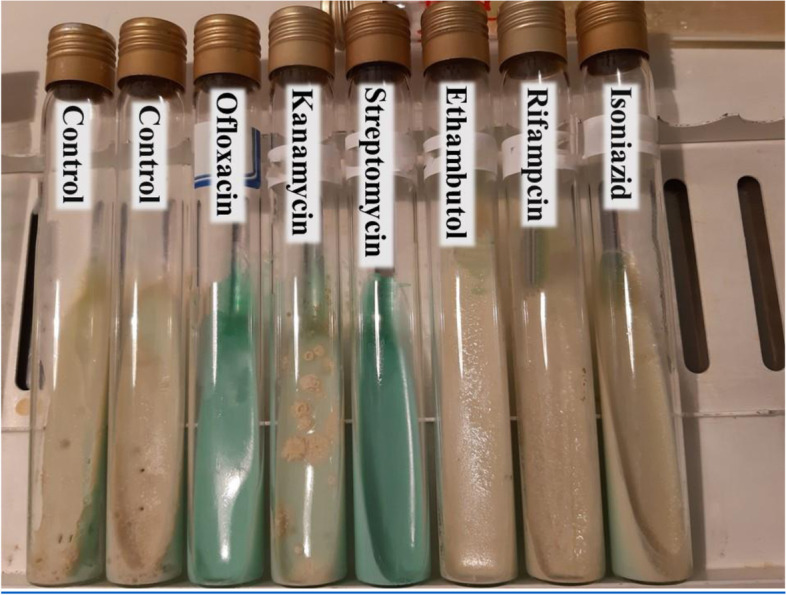
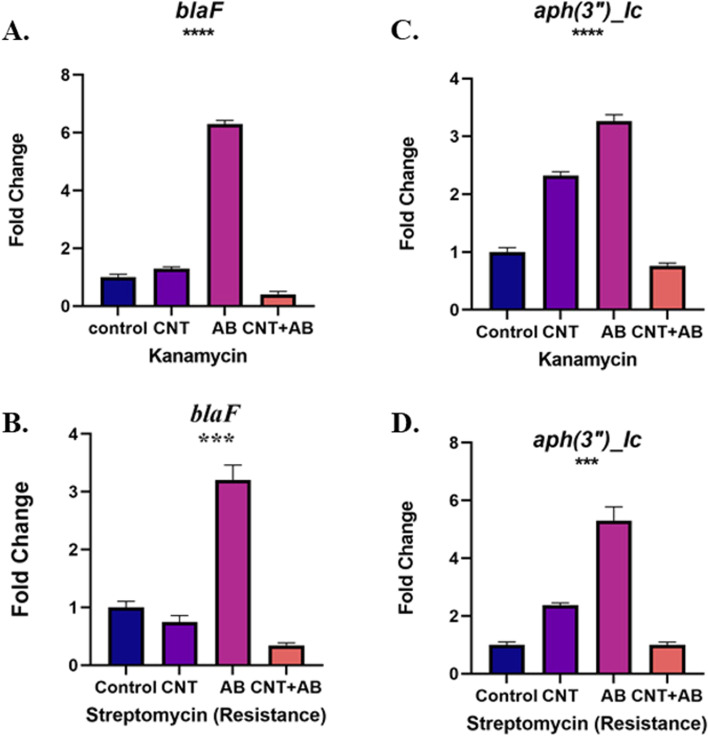
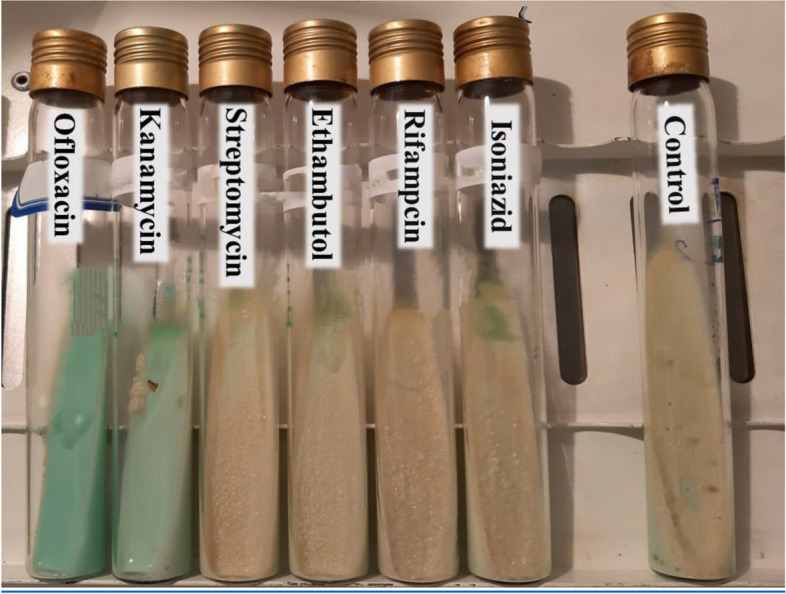
It was observed that nanofluid containing MWCNT-COOH can exert antimicrobial effects on M. fortuitum and significantly reduce bacterial resistance to antibiotics including kanamycin and streptomycin. In the presence of antibiotics and nanofluids containing MWCNT-COOH at a dose of 28.5 µg/mL, no growth was observed.
One of the main antimicrobial mechanisms of MWCNT-COOH is penetration into the bacterial cell wall. In this study, by using the nanofluid containing MWCNT-COOH with increased stability, the antibiotic resistance of M. fortuitum was significantly reduced at lower dilutions compared to the antibiotic alone.
偶然分枝杆菌(M. fortuitum)是一种细菌,可引起身体许多解剖部位的感染,包括皮肤、淋巴结和关节。这种细菌属于非结核分枝杆菌群,由于其抗生素耐药性不断增加,已被认为是全球重要的医院病原体。最近,许多研究报道了碳纳米管的抗菌作用。这些纳米管在药物输送方面非常有用;此外,它们对多药耐药细菌感染具有独特的特性。本研究旨在研究羧基功能化多壁碳纳米管(MWCNT-COOH)的抗菌作用,以降低抗生素耐药性。
在这项研究中,研究了初始浓度为 2 mg/mL 及 54、28.5、14.25、7.12、3.5μg/mL 等系列稀释浓度的含功能化 MWCNT 的纳米流体对标准和耐药分枝杆菌的抗菌作用。偶然分枝杆菌标准和耐药株均来自伊朗巴斯德研究所分枝杆菌和肺部研究微生物库。
结果表明,含 MWCNT-COOH 的纳米流体对偶然分枝杆菌具有抗菌作用,并能显著降低分枝杆菌对包括卡那霉素和链霉素在内的抗生素的耐药性。在含抗生素和 MWCNT-COOH 的纳米流体剂量为 28.5μg/mL 的情况下,没有观察到细菌生长。
MWCNT-COOH 的主要抗菌机制之一是穿透细菌细胞壁。在本研究中,通过使用稳定性更高的含 MWCNT-COOH 的纳米流体,与单独使用抗生素相比,在较低稀释度下,偶然分枝杆菌的抗生素耐药性显著降低。