Brain Metastasis Group, CNIO, Madrid, Spain.
Bioinformatics Unit, CNIO, Madrid, Spain.
Nat Med. 2022 Apr;28(4):752-765. doi: 10.1038/s41591-022-01749-8. Epub 2022 Apr 11.
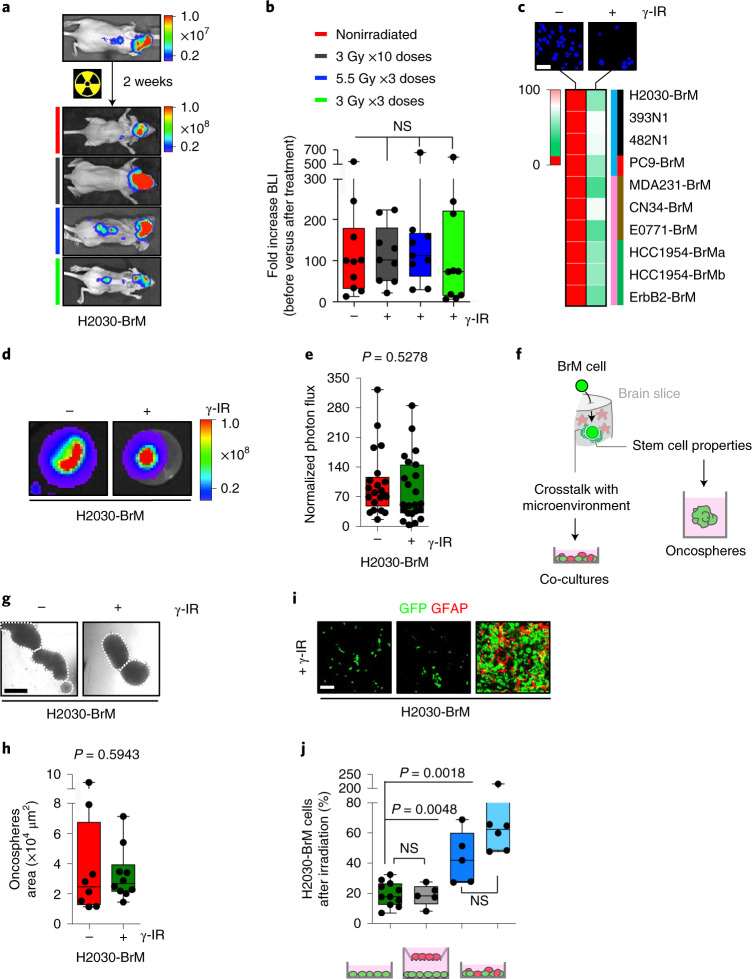
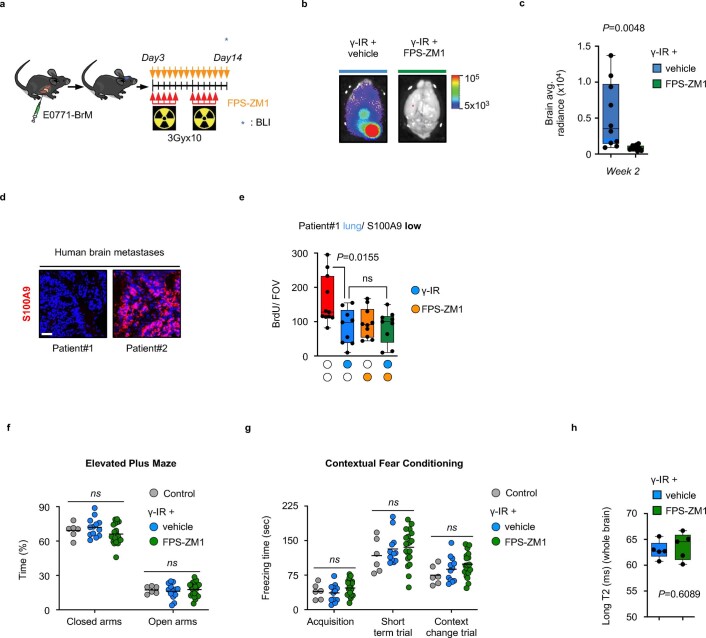
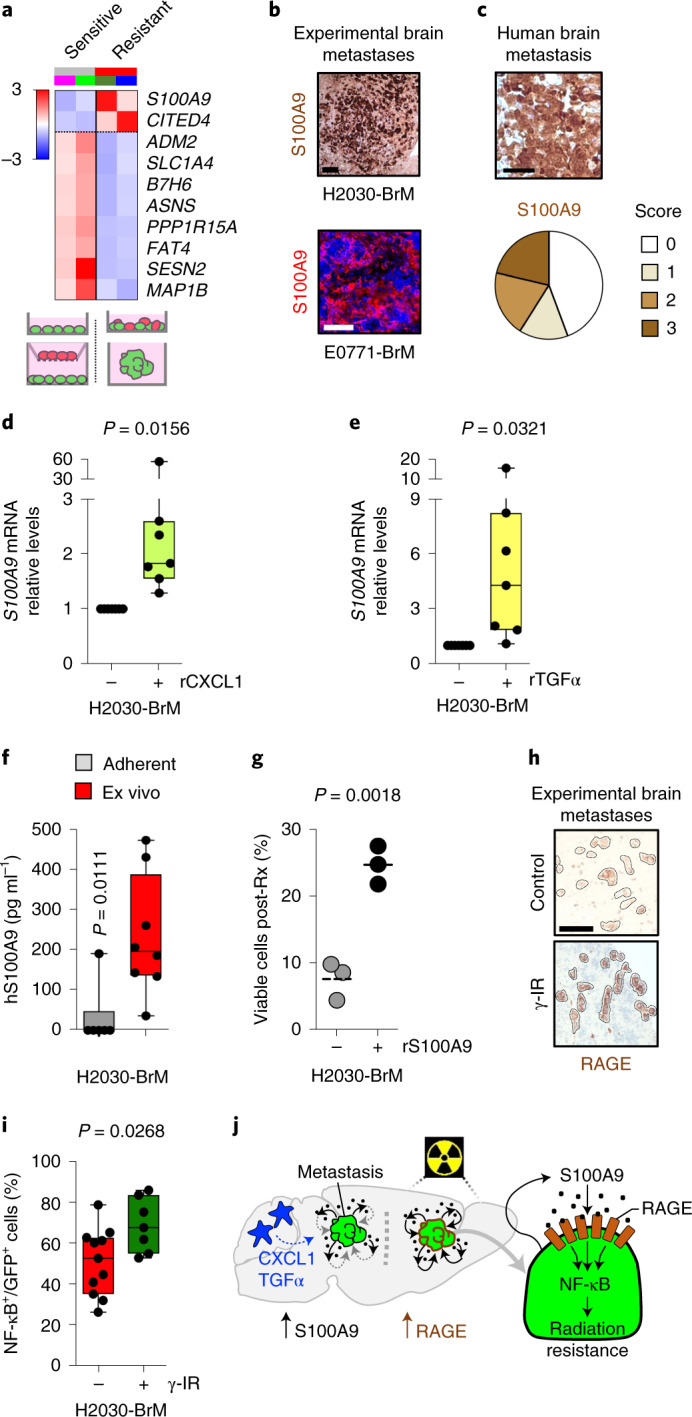
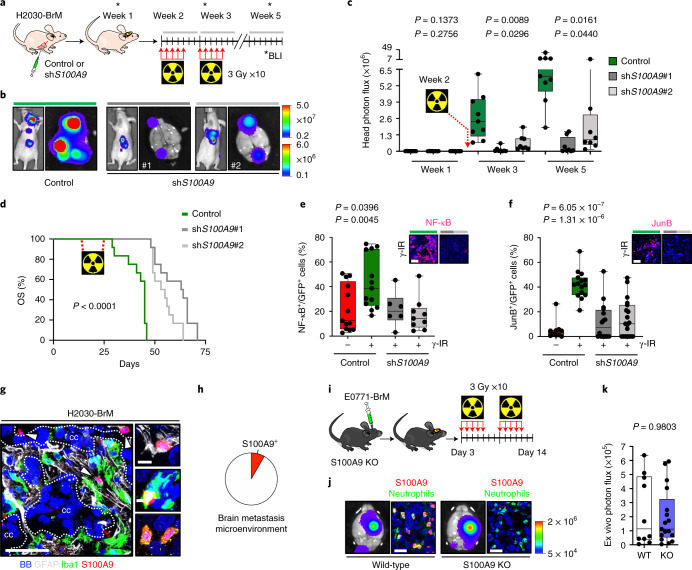
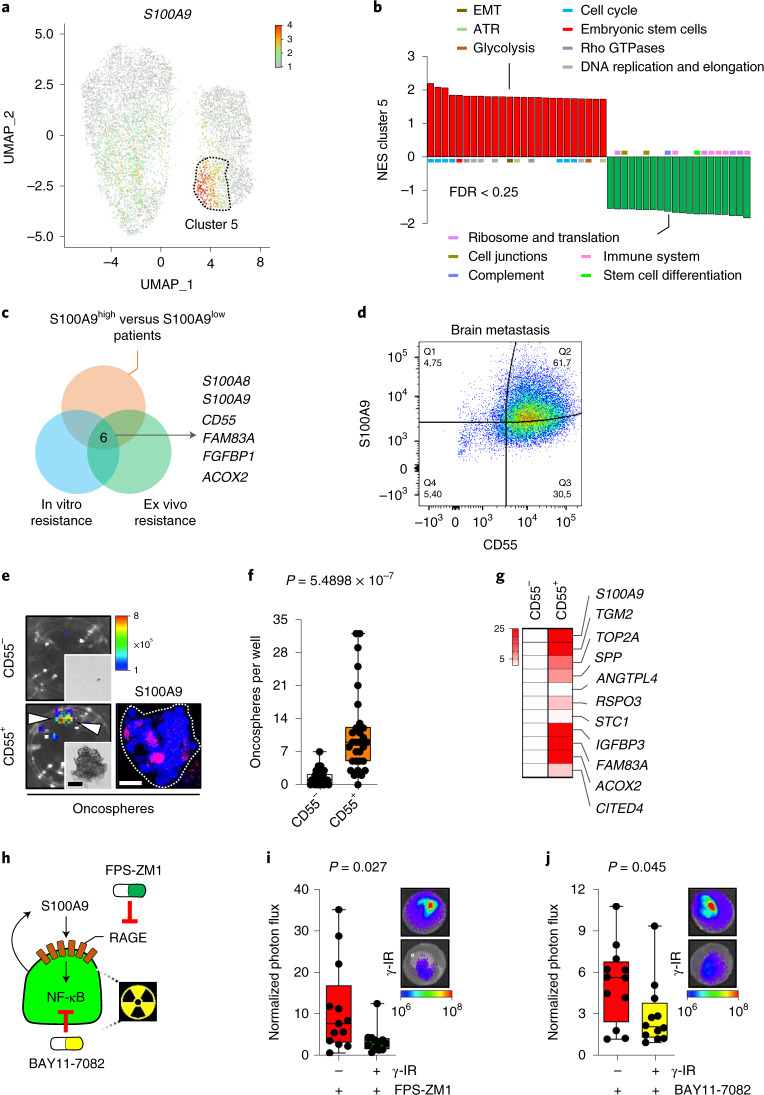
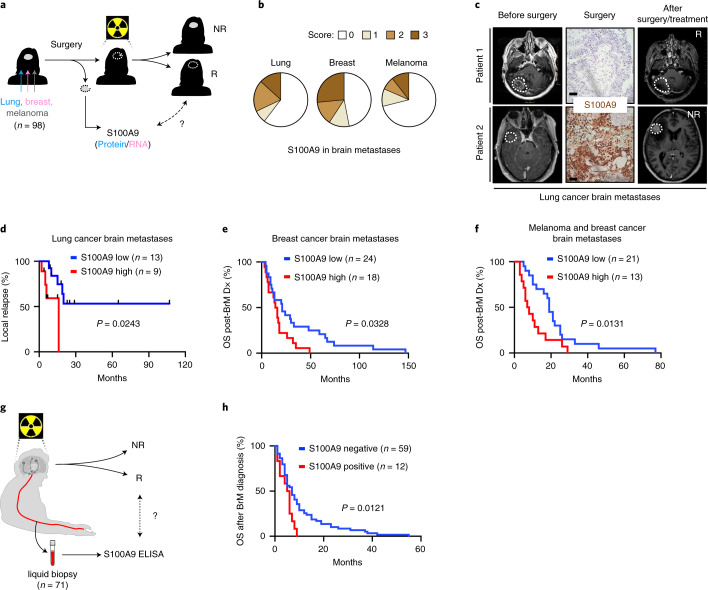
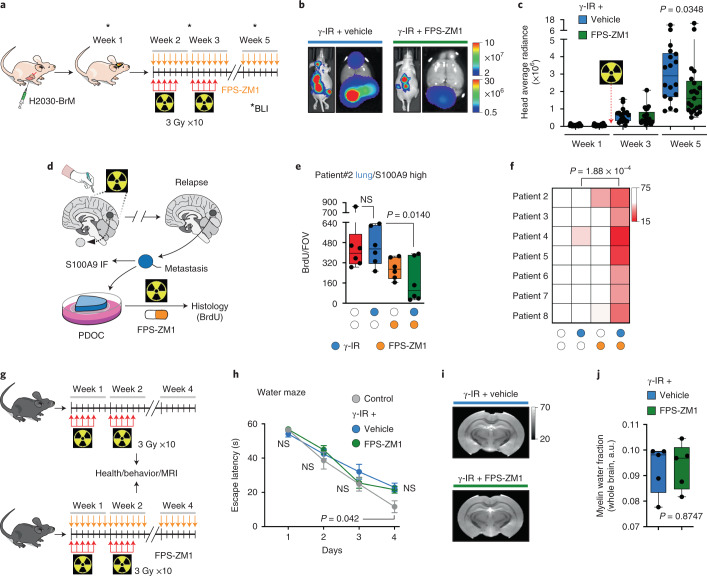
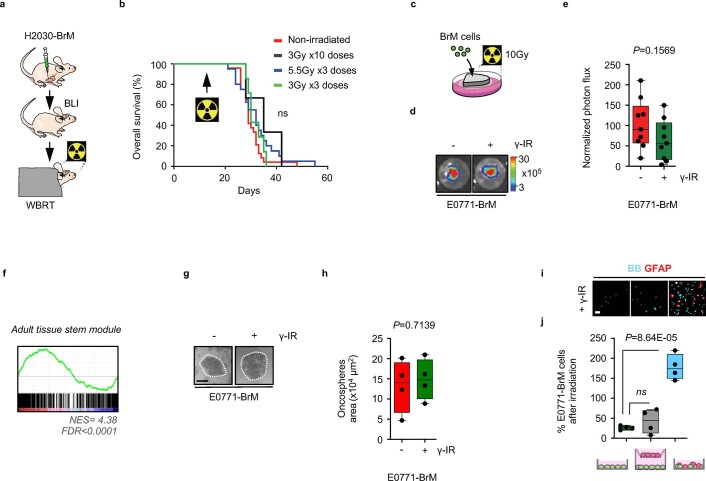
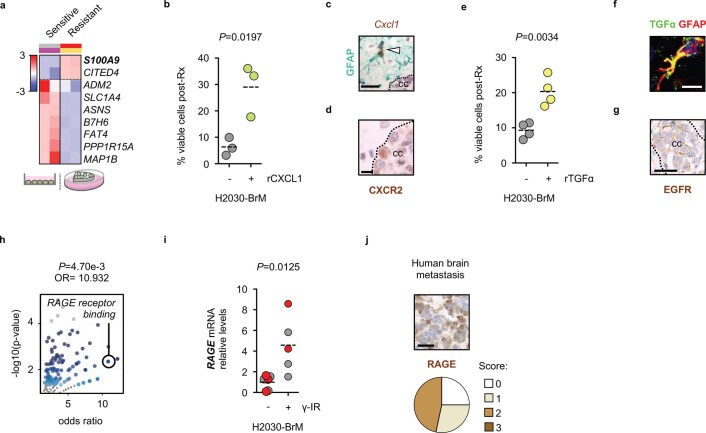
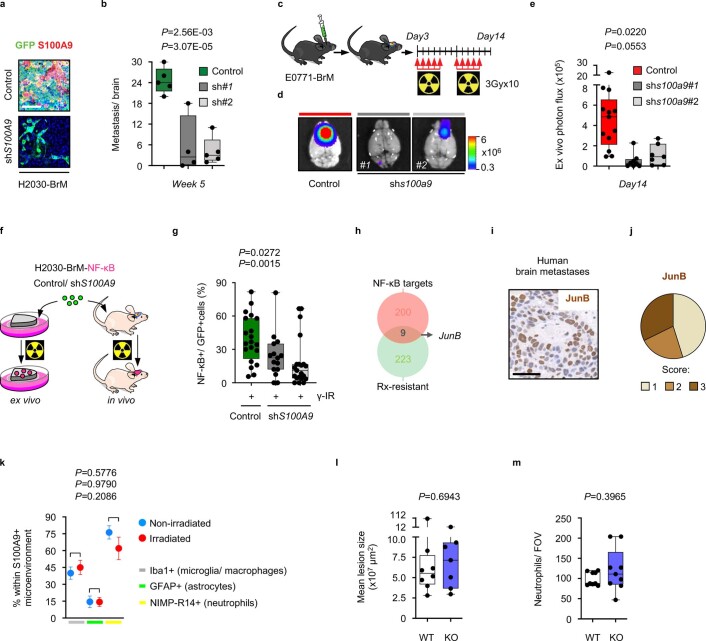
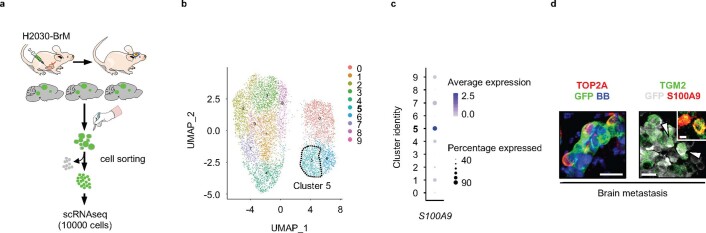
Whole-brain radiotherapy (WBRT) is the treatment backbone for many patients with brain metastasis; however, its efficacy in preventing disease progression and the associated toxicity have questioned the clinical impact of this approach and emphasized the need for alternative treatments. Given the limited therapeutic options available for these patients and the poor understanding of the molecular mechanisms underlying the resistance of metastatic lesions to WBRT, we sought to uncover actionable targets and biomarkers that could help to refine patient selection. Through an unbiased analysis of experimental in vivo models of brain metastasis resistant to WBRT, we identified activation of the S100A9-RAGE-NF-κB-JunB pathway in brain metastases as a potential mediator of resistance in this organ. Targeting this pathway genetically or pharmacologically was sufficient to revert the WBRT resistance and increase therapeutic benefits in vivo at lower doses of radiation. In patients with primary melanoma, lung or breast adenocarcinoma developing brain metastasis, endogenous S100A9 levels in brain lesions correlated with clinical response to WBRT and underscored the potential of S100A9 levels in the blood as a noninvasive biomarker. Collectively, we provide a molecular framework to personalize WBRT and improve its efficacy through combination with a radiosensitizer that balances therapeutic benefit and toxicity.
全脑放疗(WBRT)是许多脑转移患者的治疗基础;然而,其在预防疾病进展方面的疗效及其相关毒性质疑了这种方法的临床影响,并强调了需要替代治疗。鉴于这些患者的治疗选择有限,并且对转移性病变对 WBRT 耐药的分子机制了解甚少,我们试图发现可操作的靶点和生物标志物,以帮助完善患者选择。通过对 WBRT 耐药的脑转移实验体内模型进行无偏分析,我们发现 S100A9-RAGE-NF-κB-JunB 通路的激活是该器官耐药的潜在介质。通过遗传或药理学靶向该途径足以逆转 WBRT 耐药性,并在较低剂量的辐射下增加体内治疗益处。在原发性黑色素瘤、肺或乳腺癌脑转移发展的患者中,脑转移灶中内源性 S100A9 水平与 WBRT 的临床反应相关,强调了血液中 S100A9 水平作为非侵入性生物标志物的潜力。总的来说,我们提供了一个分子框架,通过与放射增敏剂联合使用来个性化 WBRT,并提高其疗效,该放射增敏剂可以平衡治疗益处和毒性。