School of Traditional Chinese Medicine, Southern Medical University, Guangzhou 510515, China; Guangzhou Provincial Key Laboratory of Chinese Medicine Pharmaceutics, Guangzhou 510515, China; Guangdong Provincial Engineering Laboratory of Chinese Medicine Preparation Technology, Guangzhou 510515, China.
School of Traditional Chinese Medicine, Southern Medical University, Guangzhou 510515, China; Guangzhou Provincial Key Laboratory of Chinese Medicine Pharmaceutics, Guangzhou 510515, China; Guangdong Provincial Engineering Laboratory of Chinese Medicine Preparation Technology, Guangzhou 510515, China.
Phytomedicine. 2022 Jun;100:154083. doi: 10.1016/j.phymed.2022.154083. Epub 2022 Apr 1.
The high incidence of thrombotic events is one of the clinical characteristics of coronavirus disease of 2019 (COVID-19), due to a hyperinflammatory response caused by the virus. Gegen Qinlian Pills (GQP) is a Traditional Chinese Medicine that is included in the Chinese Pharmacopoeia and played an important role in the clinical fight against COVID-19. Although GQP has shown the potential to treat thrombosis, there is no relevant research on its treatment of thrombosis so far.
We hypothesized that GQP may be capable inhibit inflammation-induced thrombosis.
We tested our hypothesis in a carrageenan-induced thrombosis mouse model in vivo and lipopolysaccharide (LPS)-induced human endothelial cells (HUVECs) in vitro.
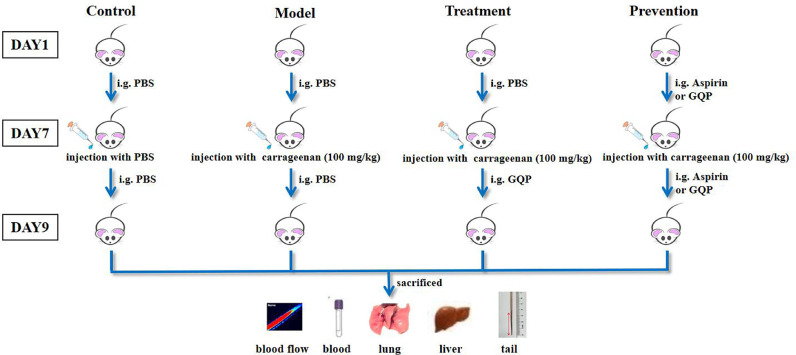
We used a carrageenan-induced mouse thrombus model to confirm the inhibitory effect of GQP on inflammation-induced thrombus. In vitro, studies in human umbilical vein endothelial cells (HUVECs) and in silico network pharmacology analyses were performed to reveal the underlying mechanisms of GQP and determine the main components, targets, and pathways of GQP, respectively.
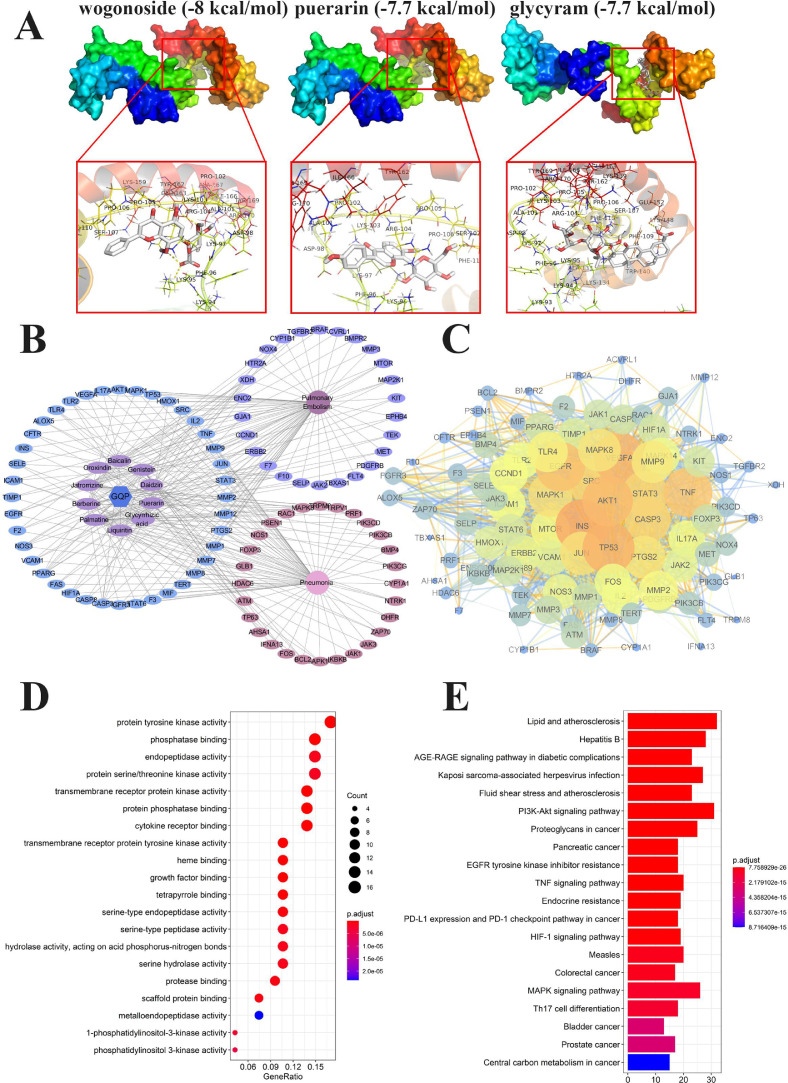
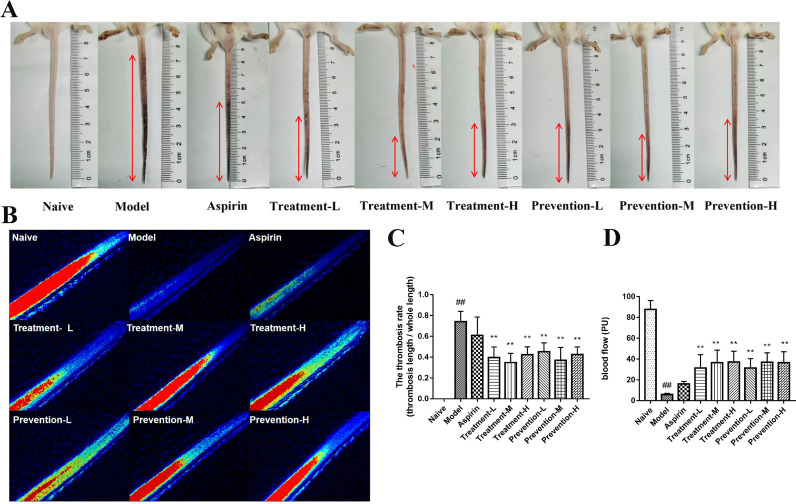
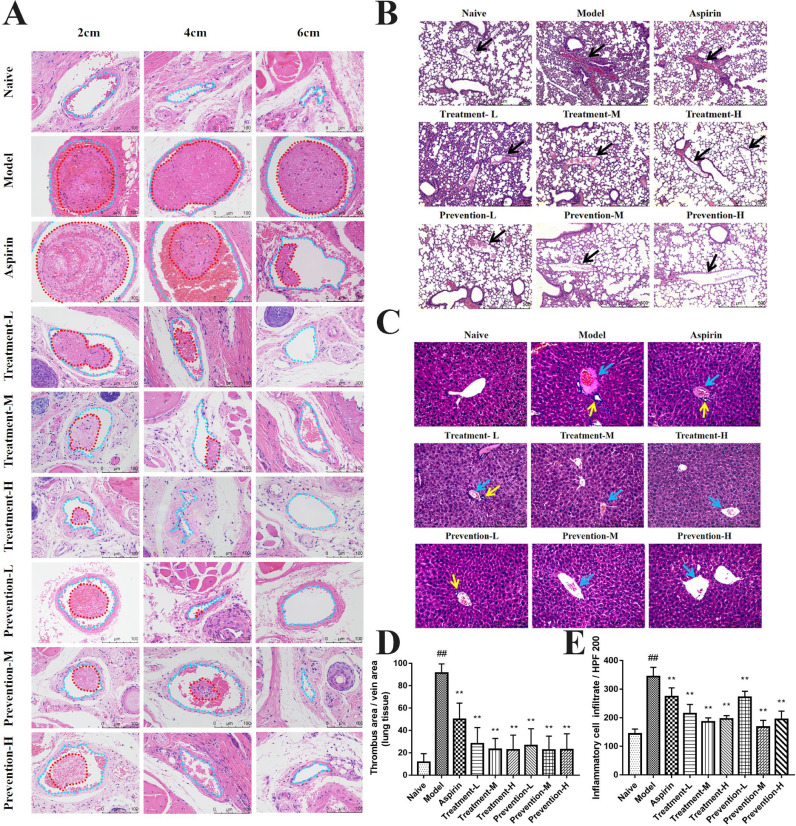
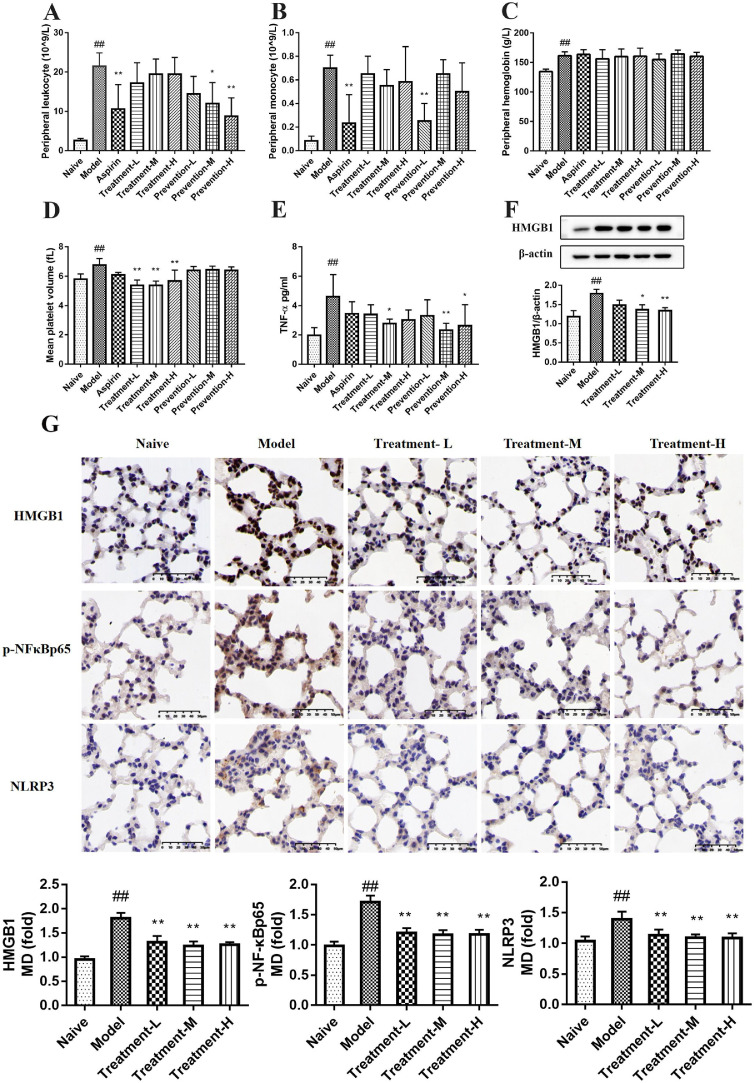
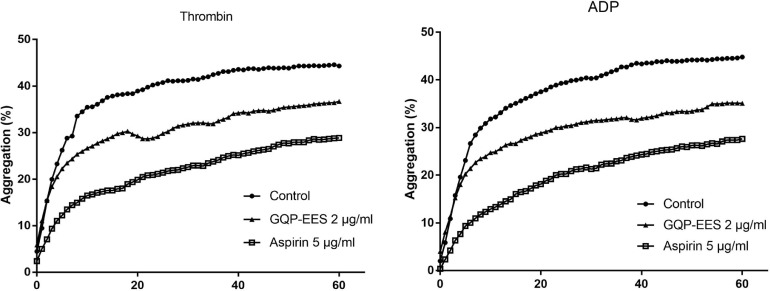
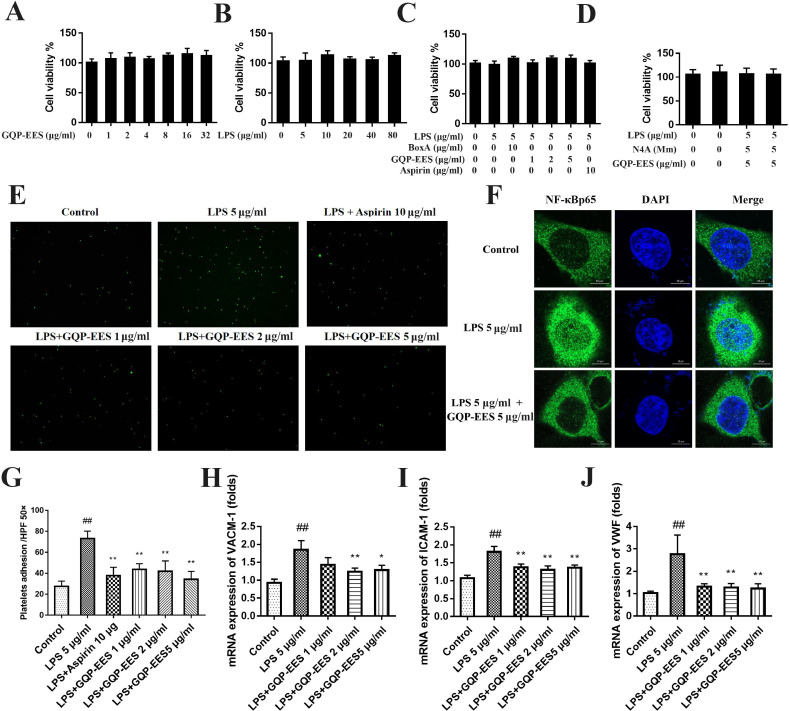
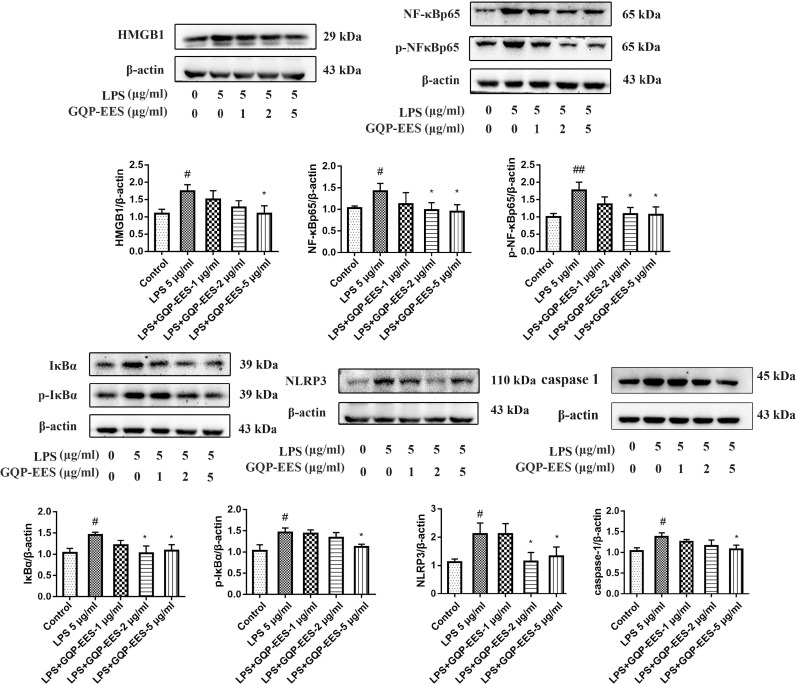
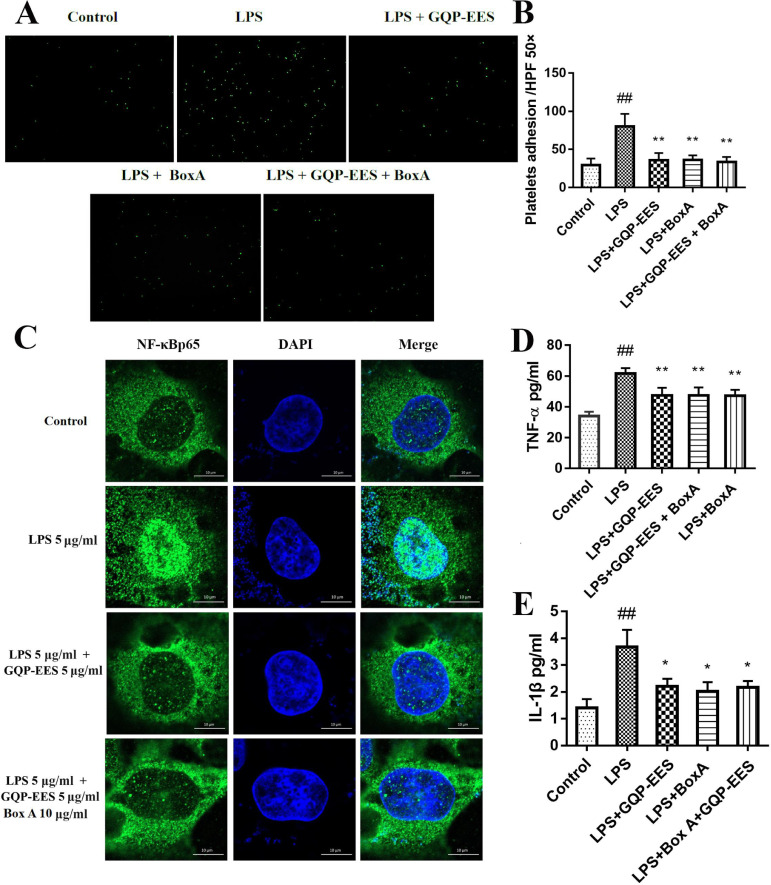
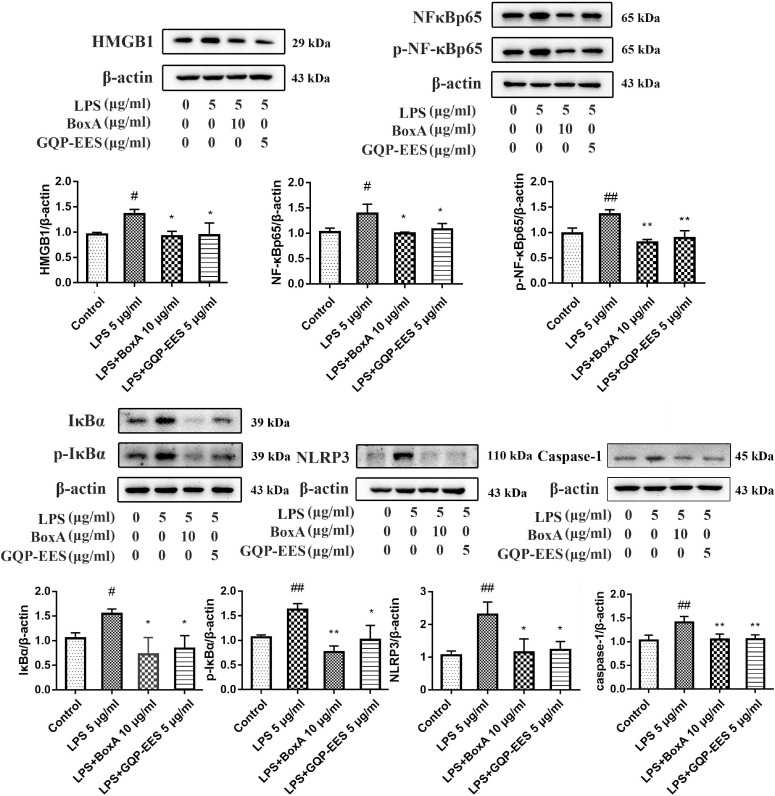
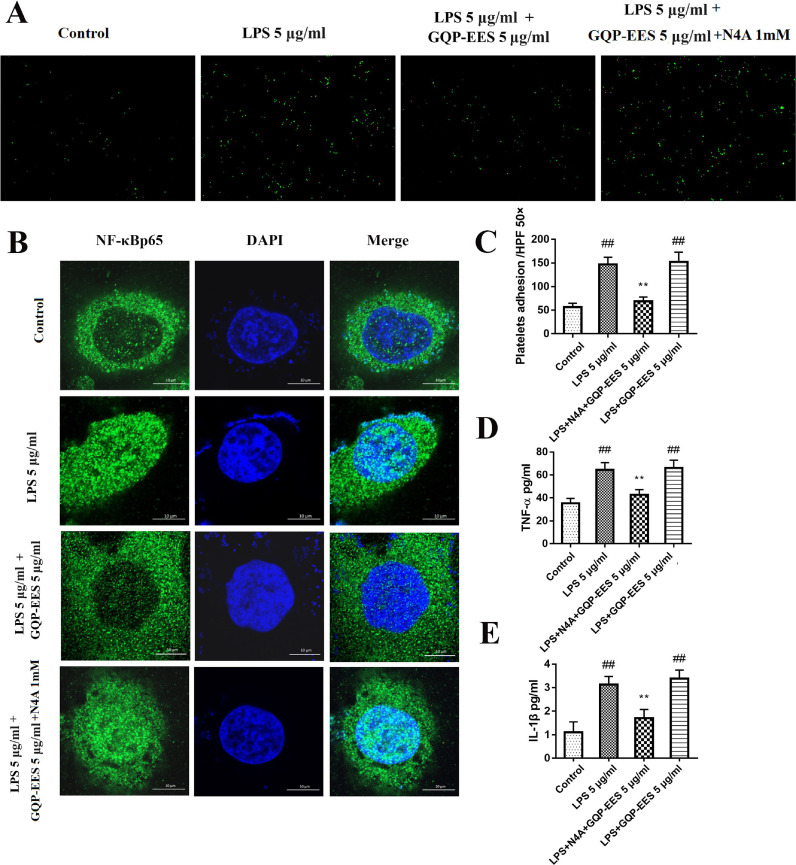
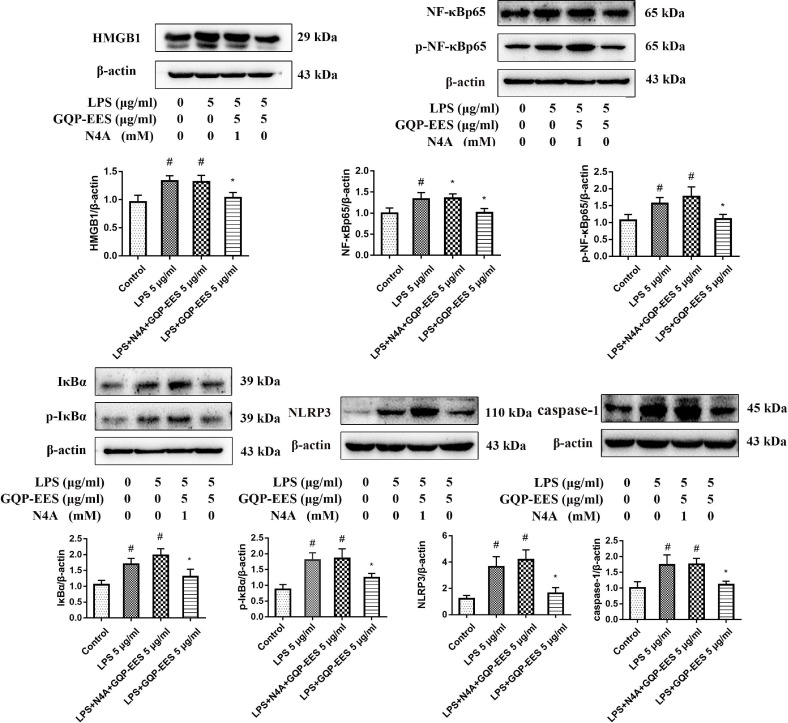
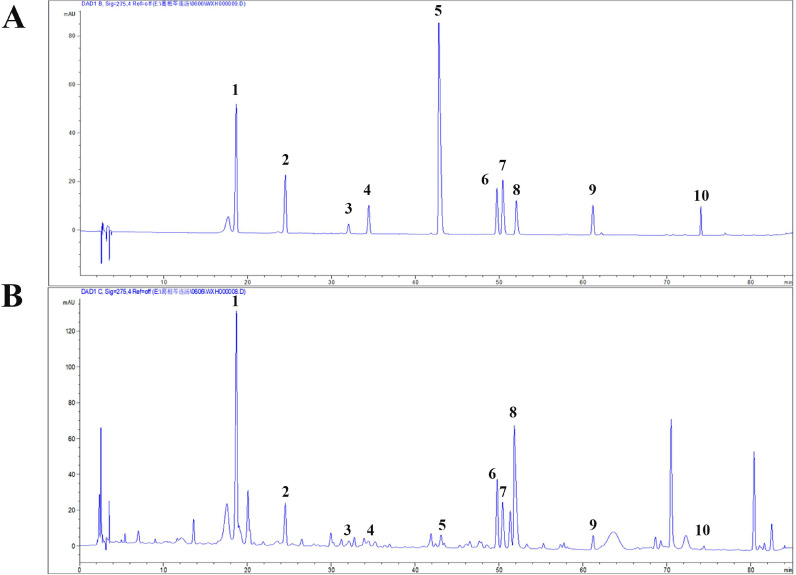
Oral administration of 227.5 mg/kg, 445 mg/kg and 910 mg/kg of GQP significantly inhibited thrombi in the lung, liver, and tail and augmented tail blood flow of carrageenan-induced mice with reduced plasma tumor necrosis factor α (TNF-α) and diminished expression of high mobility group box 1 (HMGB1) in lung tissues. GQP ethanol extract (1, 2, or 5 μg/ml) also reduced the adhesion of platelets to LPS stimulated HUVECs. The TNF-α and the expression of HMGB1, nuclear factor kappa B (NF-κB), and NLR family pyrin domain containing 3 (NLRP3) in LPS stimulated HUVECs were also attenuated. Moreover, we analyzed the components of GQP and inferred the main targets, biological processes, and pathways of GQP in the treatment of inflammation-induced thrombosis through network pharmacology.
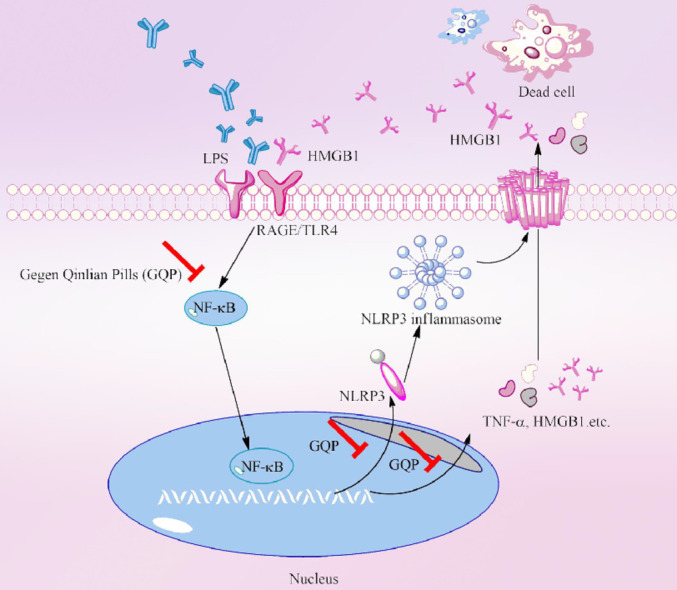
Overall, we demonstrated that GQP could reduce inflammation-induced thrombosis by inhibiting HMGB1/NFκB/NLRP3 signaling and provided an accurate explanation for the multi-target, multi-function mechanism of GQP in the treatment of thromboinflammation, and provides a reference for the clinical usage of GQP.
新冠病毒(COVID-19)的一个临床特征是血栓事件发生率高,这是由于病毒引起的过度炎症反应所致。葛根芩连丸(GQP)是一种中药,被收录在中国药典中,在临床抗击 COVID-19 方面发挥了重要作用。虽然 GQP 已显示出治疗血栓的潜力,但目前尚无关于其治疗血栓的相关研究。
我们假设 GQP 可能能够抑制炎症诱导的血栓形成。
我们在体内角叉菜胶诱导的血栓形成小鼠模型和体外脂多糖(LPS)诱导的人内皮细胞(HUVEC)中测试了我们的假设。
我们使用角叉菜胶诱导的小鼠血栓模型来证实 GQP 对炎症诱导的血栓形成的抑制作用。在体外,我们在人脐静脉内皮细胞(HUVEC)中进行了研究,并通过网络药理学分析分别揭示了 GQP 的潜在作用机制以及确定 GQP 的主要成分、靶点和途径。
口服 227.5、445 和 910mg/kg 的 GQP 可显著抑制角叉菜胶诱导的小鼠肺、肝和尾血栓形成,并增加尾血流量,同时降低血浆肿瘤坏死因子-α(TNF-α)水平,并减少肺组织中高迁移率族蛋白 1(HMGB1)的表达。GQP 乙醇提取物(1、2 或 5μg/ml)也可减少血小板与 LPS 刺激的 HUVECs 的黏附。LPS 刺激的 HUVECs 中 TNF-α和 HMGB1、核因子 kappa B(NF-κB)和 NOD、LRP 和pyrin 结构域包含 3(NLRP3)的表达也受到抑制。此外,我们分析了 GQP 的成分,并通过网络药理学推断出 GQP 在治疗炎症诱导的血栓形成中的主要靶点、生物过程和途径。
总的来说,我们证明 GQP 可以通过抑制 HMGB1/NFκB/NLRP3 信号通路来减少炎症诱导的血栓形成,并为 GQP 治疗血栓炎症的多靶点、多功能机制提供了准确的解释,为 GQP 的临床应用提供了参考。