Chen Yifan, Li Tongxi, Tan Peng, Shi Hao, Cheng Yonglang, Cai Tianying, Bai Junjie, Du Yichao, Fu Wenguang
Department of General Surgery (Hepatopancreatobiliary Surgery), The Affiliated Hospital of Southwest Medical University, Luzhou, China.
Academician (Expert) Workstation of Sichuan Province, The Affiliated Hospital of Southwest Medical University, Luzhou, China.
Front Pharmacol. 2022 Apr 1;13:857015. doi: 10.3389/fphar.2022.857015. eCollection 2022.
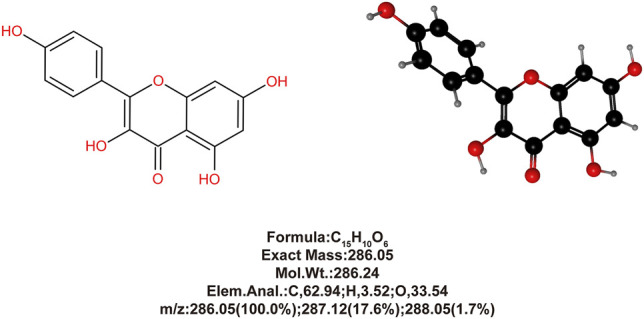
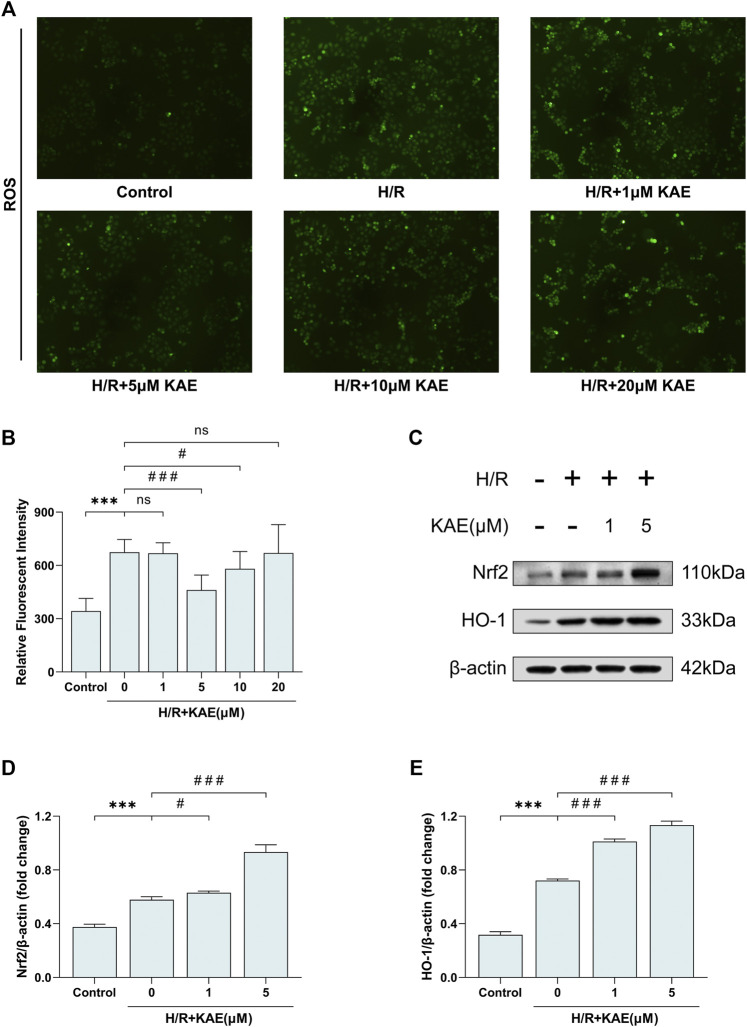
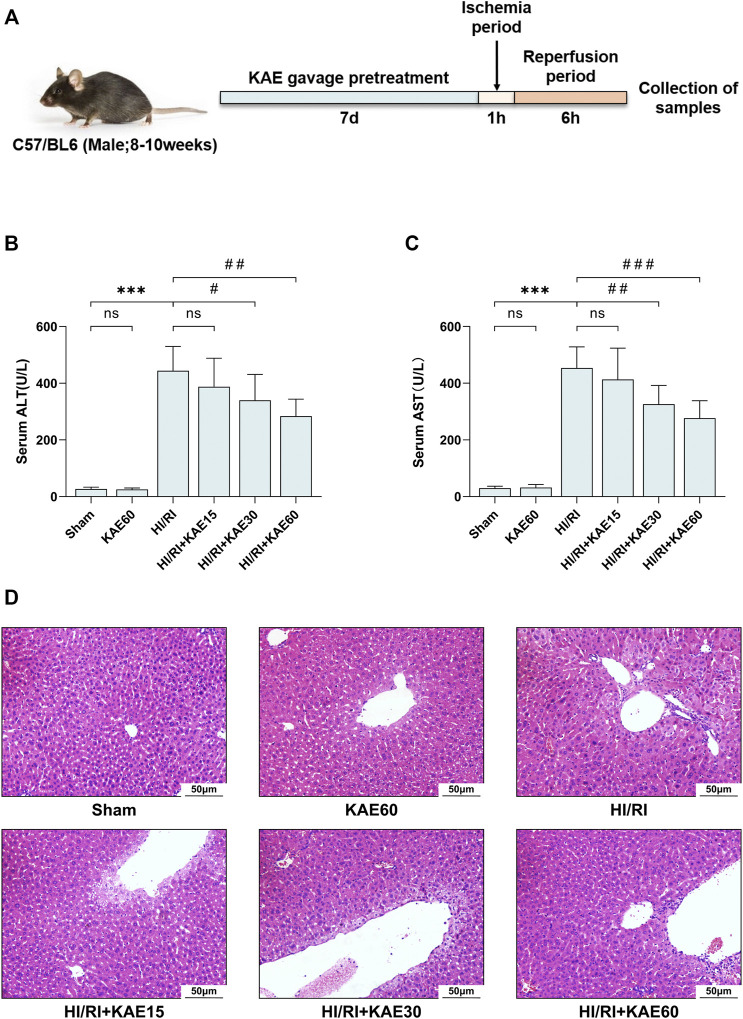
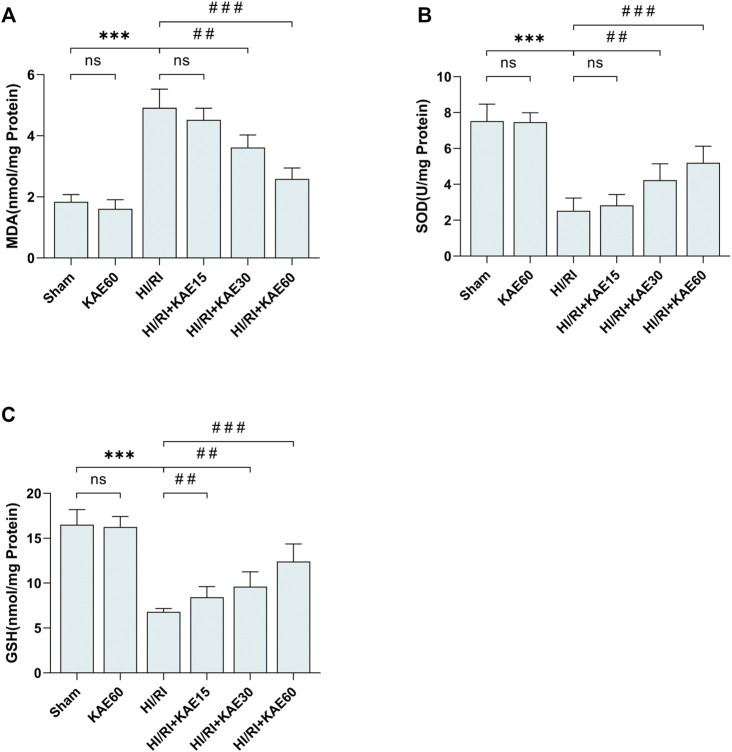
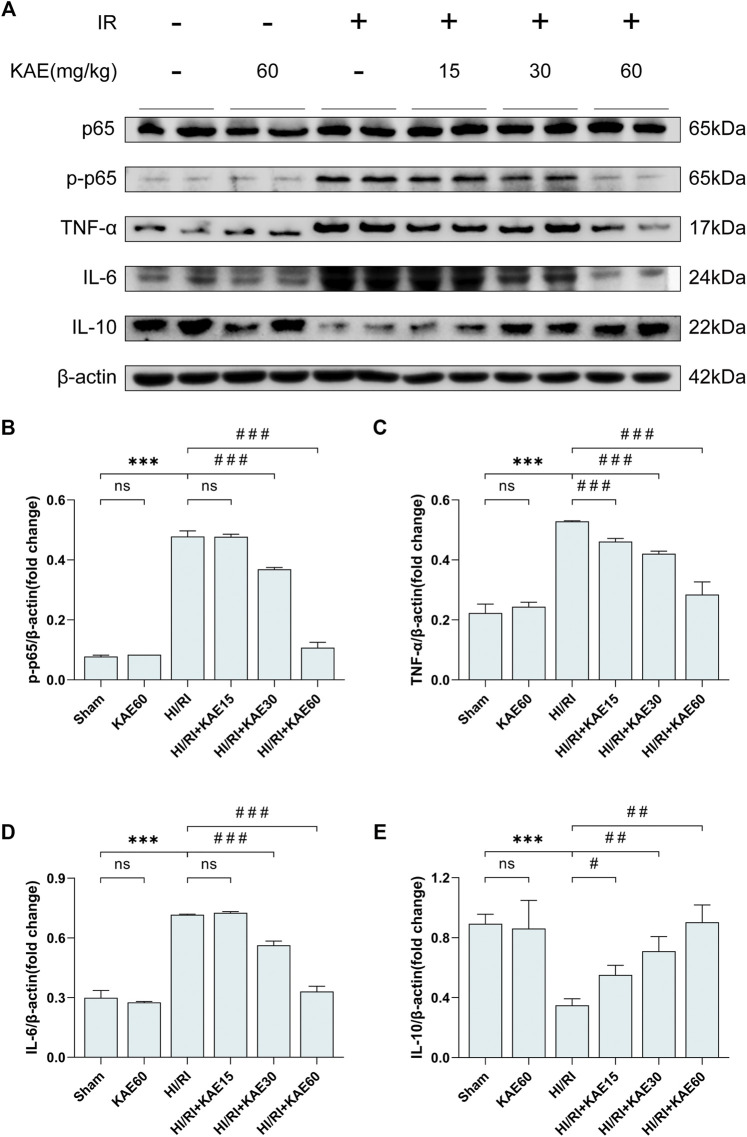
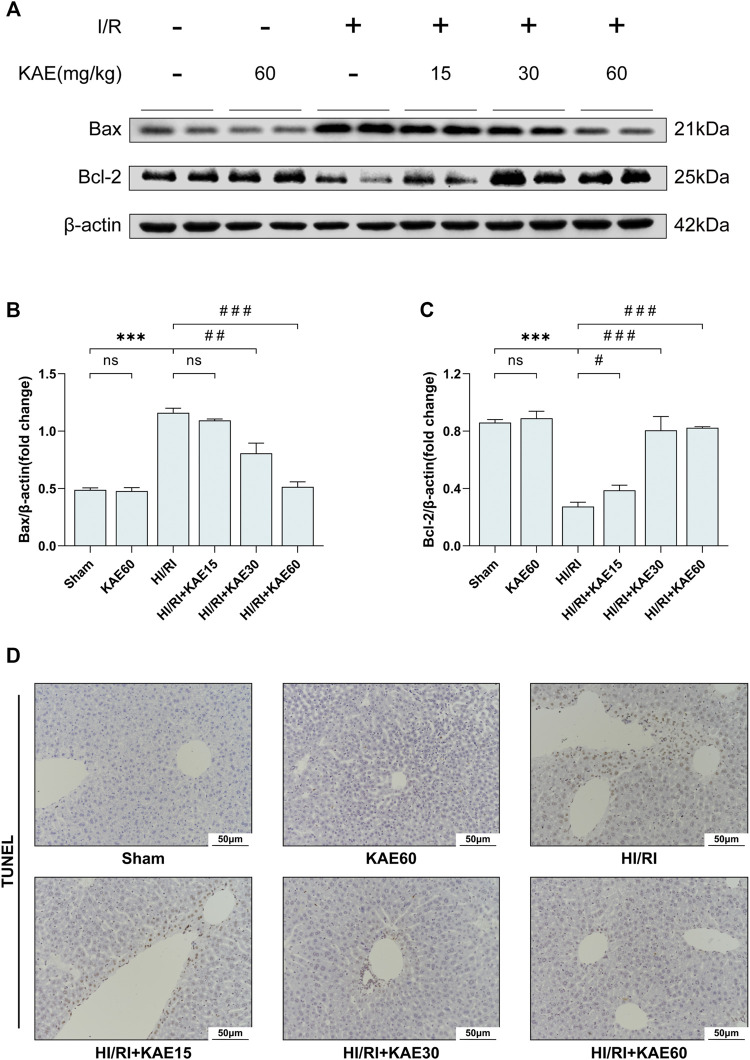
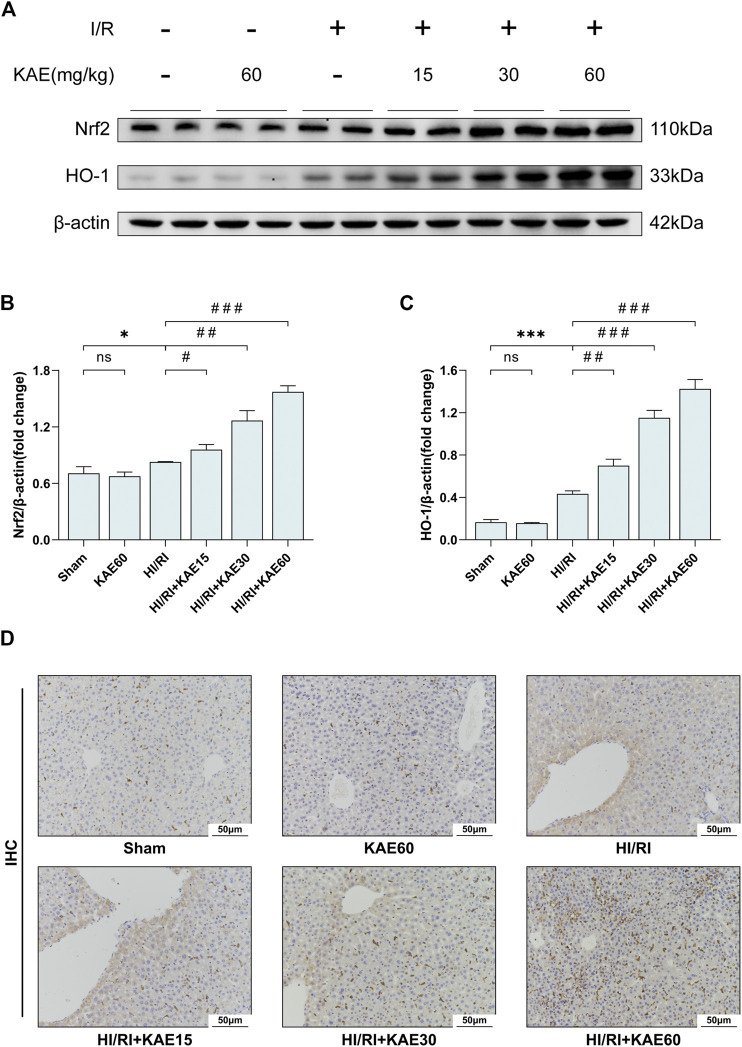
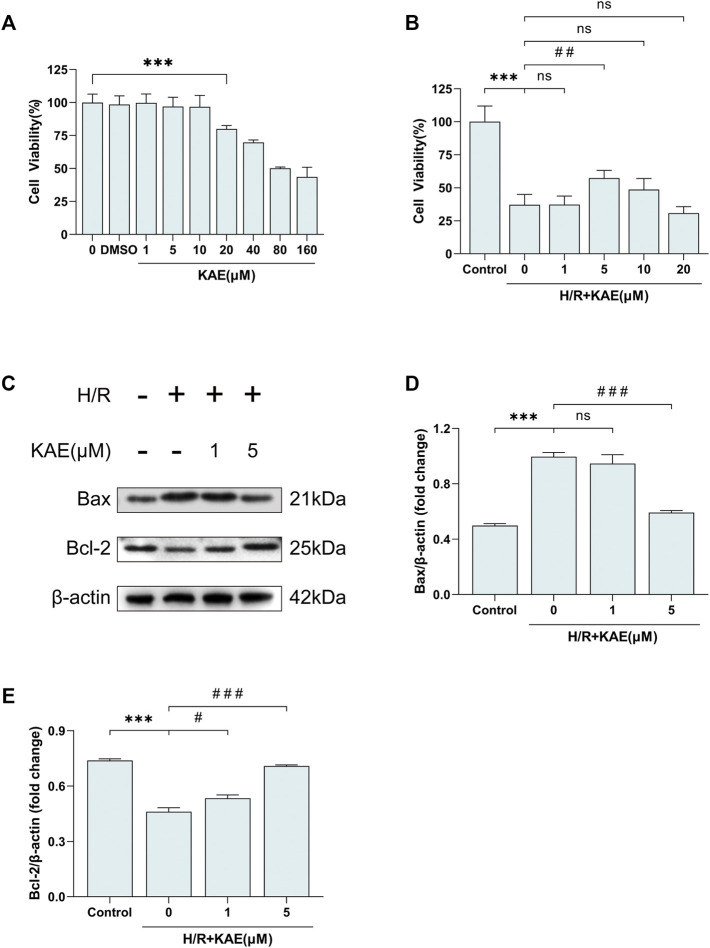
The purpose of this study is to investigate the protective effect of kaempferol (KAE), the main active monomer from Pursh, on hepatic ischemia/reperfusion injury (HI/RI) and its specific mechanism. HI/RI is a common complication closely related to the prognosis of liver surgery, and effective prevention and treatment methods are still unavailable. Ischemia/reperfusion (I/R) injury is caused by tissue damage during ischemia and sustained oxidative stress and inflammation during reperfusion. Pursh is a traditional Chinese medicine widely used to treat liver disease since ancient times. Kaempferol (KAE), a highly purified flavonoid active monomer isolated and extracted from Pursh, was investigated for its protective effect on HI/RI. Our study indicates that KAE pretreatment alleviated I/R-induced transaminase elevation and pathological changes. Further analysis revealed that KAE pretreatment attenuates I/R-induced oxidative stress (as measured by the content of MDA, SOD and GSH) and reduces hypoxia/reoxygenation (H/R) -induced reactive oxygen species (ROS) generation . Meanwhile, KAE inhibits activation of NF-κB/p65 and reduces the release of pro-inflammatory factors (TNF-α and IL-6) to protect the liver from I/R-induced inflammation. Nuclear erythroid 2-related factor 2 (Nrf2) is a crucial cytoprotection regulator because it induces anti-inflammatory, antioxidant, and cytoprotective genes. Therefore, we analyzed the protein levels of Nrf2 and its downstream heme oxygenase-1 (HO-1) in the liver of mice and hepatocytes of humankind, respectively, and discovered that KAE pretreatment activates the Nrf2/HO-1 signaling pathway. In summary, this study confirmed the hepatoprotective effect of KAE on HI/RI, which inhibits oxidative stress and inflammation by activating the Nrf2/HO-1 signaling pathway.
本研究旨在探讨从[药材名称未翻译,推测为某种中药材]中提取的主要活性单体山奈酚(KAE)对肝缺血/再灌注损伤(HI/RI)的保护作用及其具体机制。HI/RI是一种与肝脏手术预后密切相关的常见并发症,目前仍缺乏有效的防治方法。缺血/再灌注(I/R)损伤是由缺血期间的组织损伤以及再灌注期间持续的氧化应激和炎症反应引起的。[该药材名称]是一种自古以来就广泛用于治疗肝病的传统中药。本研究对从[该药材名称]中分离提取的高纯度黄酮类活性单体山奈酚(KAE)对HI/RI的保护作用进行了研究。我们的研究表明,KAE预处理可减轻I/R诱导的转氨酶升高和病理变化。进一步分析发现,KAE预处理可减轻I/R诱导的氧化应激(通过丙二醛、超氧化物歧化酶和谷胱甘肽的含量来衡量),并减少缺氧/复氧(H/R)诱导的活性氧(ROS)生成。同时,KAE可抑制NF-κB/p65的激活,并减少促炎因子(TNF-α和IL-6)的释放,从而保护肝脏免受I/R诱导的炎症损伤。核红细胞2相关因子2(Nrf2)是一种关键的细胞保护调节因子,因为它可诱导抗炎、抗氧化和细胞保护基因。因此,我们分别分析了小鼠肝脏和人类肝细胞中Nrf2及其下游血红素加氧酶-1(HO-1)的蛋白水平,发现KAE预处理可激活Nrf2/HO-1信号通路。综上所述,本研究证实了KAE对HI/RI具有肝脏保护作用,其通过激活Nrf2/HO-1信号通路抑制氧化应激和炎症反应。