Adaptive Biotechnologies, Seattle, Washington, USA.
Stanford University School of Medicine, Stanford, California, USA.
JCI Insight. 2022 May 23;7(10):e150070. doi: 10.1172/jci.insight.150070.
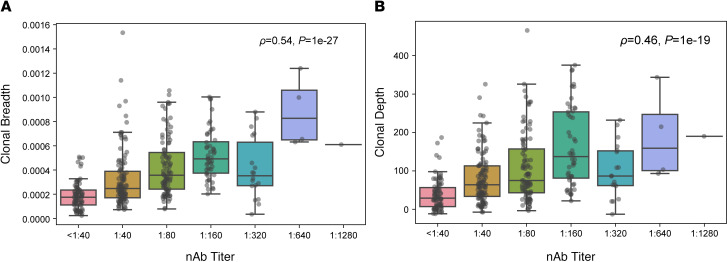
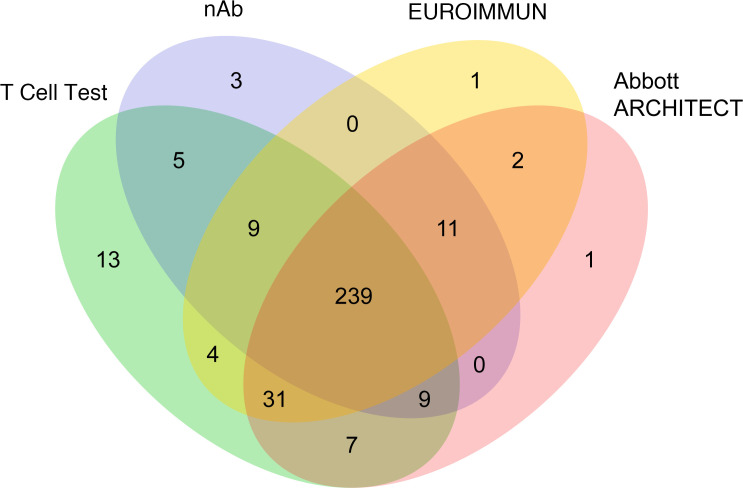
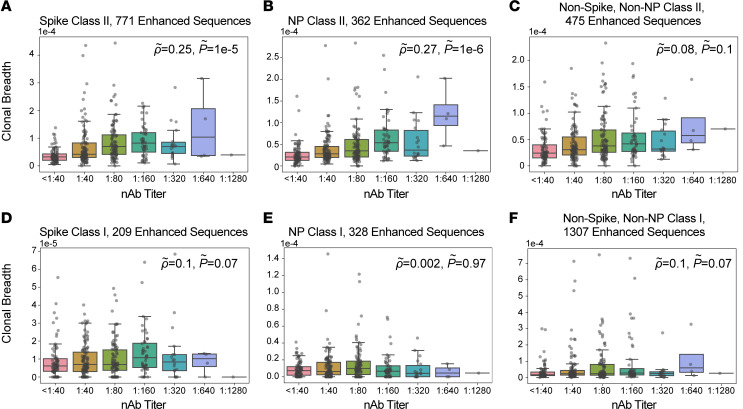
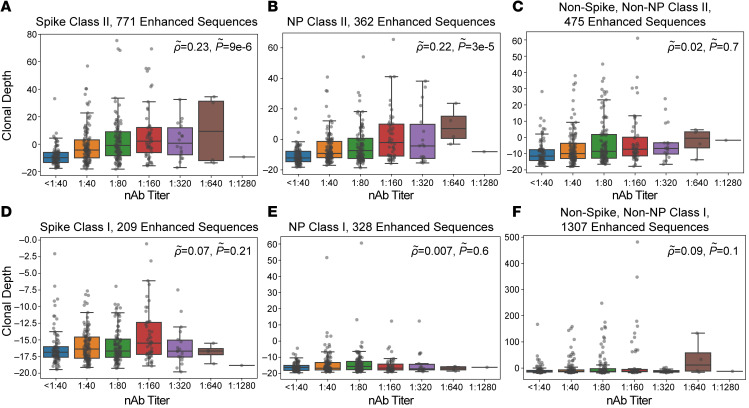
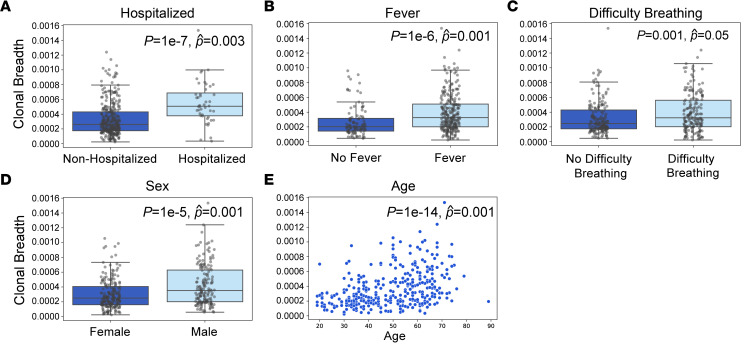
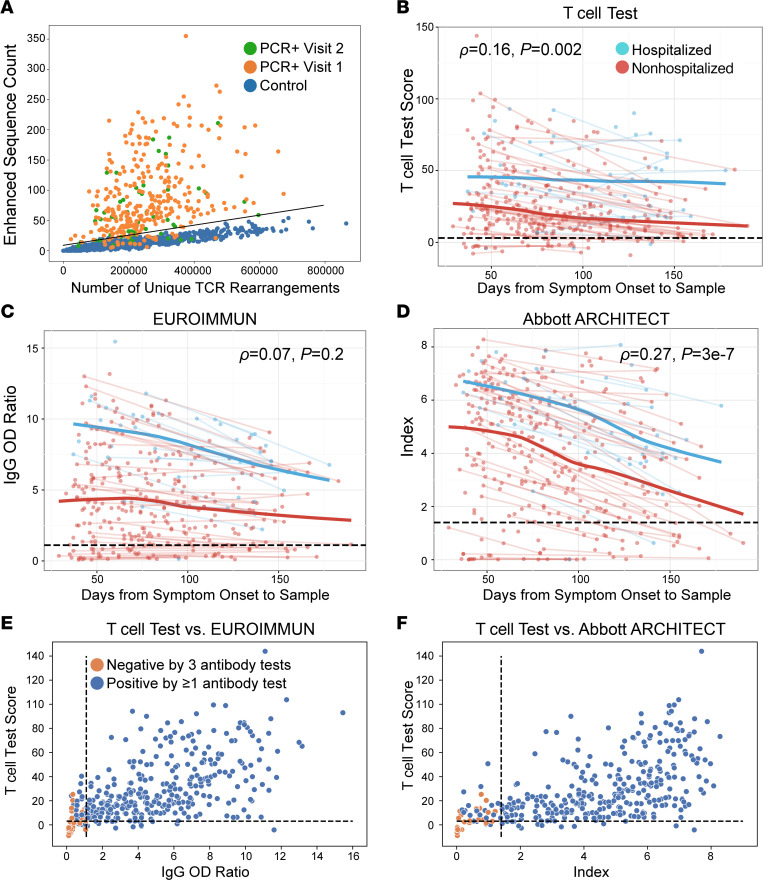
BACKGROUNDMeasuring the immune response to SARS-CoV-2 enables assessment of past infection and protective immunity. SARS-CoV-2 infection induces humoral and T cell responses, but these responses vary with disease severity and individual characteristics.METHODSA T cell receptor (TCR) immunosequencing assay was conducted using small-volume blood samples from 302 individuals recovered from COVID-19. Correlations between the magnitude of the T cell response and neutralizing antibody (nAb) titers or indicators of disease severity were evaluated. Sensitivity of T cell testing was assessed and compared with serologic testing.RESULTSSARS-CoV-2-specific T cell responses were significantly correlated with nAb titers and clinical indicators of disease severity, including hospitalization, fever, and difficulty breathing. Despite modest declines in depth and breadth of T cell responses during convalescence, high sensitivity was observed until at least 6 months after infection, with overall sensitivity ~5% greater than serology tests for identifying prior SARS-CoV-2 infection. Improved performance of T cell testing was most apparent in recovered, nonhospitalized individuals sampled > 150 days after initial illness, suggesting greater sensitivity than serology at later time points and in individuals with less severe disease. T cell testing identified SARS-CoV-2 infection in 68% (55 of 81) of samples with undetectable nAb titers (<1:40) and in 37% (13 of 35) of samples classified as negative by 3 antibody assays.CONCLUSIONThese results support TCR-based testing as a scalable, reliable measure of past SARS-CoV-2 infection with clinical value beyond serology.TRIAL REGISTRATIONSpecimens were accrued under trial NCT04338360 accessible at clinicaltrials.gov.FUNDINGThis work was funded by Adaptive Biotechnologies, Frederick National Laboratory for Cancer Research, NIAID, Fred Hutchinson Joel Meyers Endowment, Fast Grants, and American Society for Transplantation and Cell Therapy.
测量对 SARS-CoV-2 的免疫反应可评估过去的感染和保护免疫力。SARS-CoV-2 感染会引起体液和 T 细胞反应,但这些反应因疾病严重程度和个体特征而异。
使用 302 名从 COVID-19 中康复的个体的小体积血液样本进行 T 细胞受体 (TCR) 免疫测序检测。评估 T 细胞反应的幅度与中和抗体 (nAb) 滴度或疾病严重程度指标之间的相关性。评估了 T 细胞检测的敏感性,并与血清学检测进行了比较。
SARS-CoV-2 特异性 T 细胞反应与 nAb 滴度和疾病严重程度的临床指标显著相关,包括住院、发热和呼吸困难。尽管在恢复期 T 细胞反应的深度和广度略有下降,但仍观察到高敏感性,直到感染后至少 6 个月,总体敏感性比血清学检测识别先前 SARS-CoV-2 感染高出约 5%。在感染后>150 天采样的康复、非住院个体中,T 细胞检测的性能改善最为明显,表明在后期和疾病较轻的个体中比血清学检测更敏感。T 细胞检测在 68%(81 份中有 55 份)无 nAb 滴度(<1:40)的样本和 37%(35 份中有 13 份)的 3 种抗体检测结果为阴性的样本中识别出 SARS-CoV-2 感染。
这些结果支持 TCR 检测作为一种可扩展、可靠的过去 SARS-CoV-2 感染的衡量标准,其临床价值超过血清学。
样本是在试验 NCT04338360 下积累的,可在 clinicaltrials.gov 上查阅。
这项工作由适应性生物技术公司、弗雷德里克国家癌症研究实验室、NIAID、弗雷德·哈钦森乔尔·迈耶斯捐赠基金、快速拨款和美国移植和细胞治疗协会资助。