Department of Nursing, Huashan Hospital, Fudan University, 12 Middle Urumqi Road, Shanghai, China.
Department of Neurology, Huashan Hospital, Fudan University, Shanghai, China.
BMC Med Inform Decis Mak. 2022 Apr 19;22(1):105. doi: 10.1186/s12911-022-01845-2.
Telemedicine has been widely used for long-term care and self-management in patients with chronic disease, but there is no consensus regarding the effect of telemedicine on chronic disease management. The aim of this study is to review and analyse the effect of telemedicine on the management of chronic diseases such as hypertension, diabetes, and rheumatoid arthritis using a systematic review and meta-analysis.
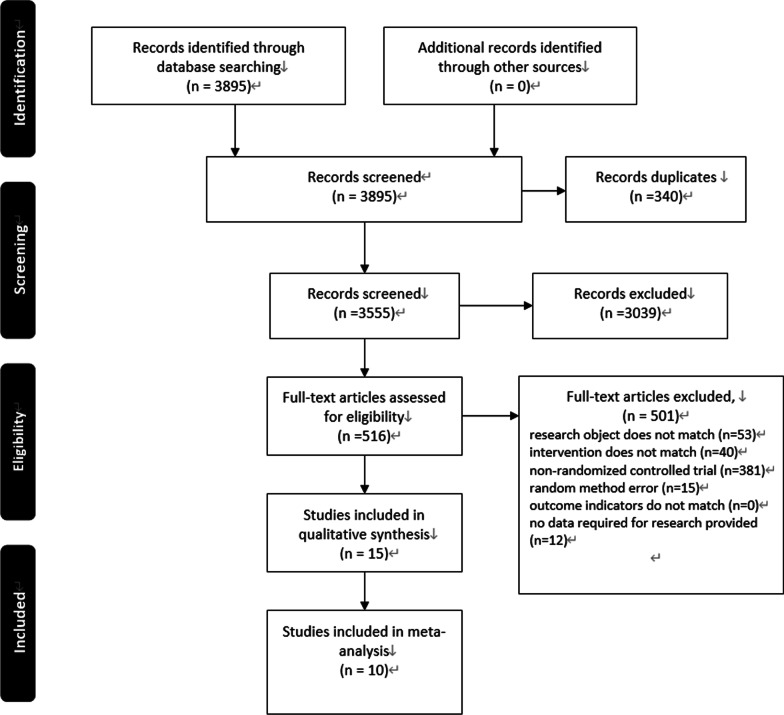
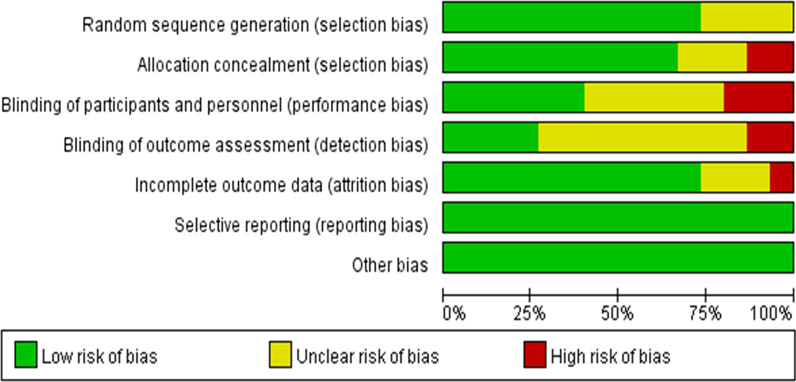
We performed a comprehensive literature search of the Web of Science, PubMed, MEDLINE, EMBASE, CNKI (Chinese database), VIP (Chinese database), WanFang (Chinese database), and SinoMed (Chinese database) databases from their inception until December 31, 2021. The retrieved literature was screened and assessed independently by two authors. We used the risk-of-bias assessment tool recommended by the Cochrane Handbook for Systematic Reviews of Interventions 5.0.2 for assessing literature quality and Revman 5.3 software to conduct the meta-analysis.
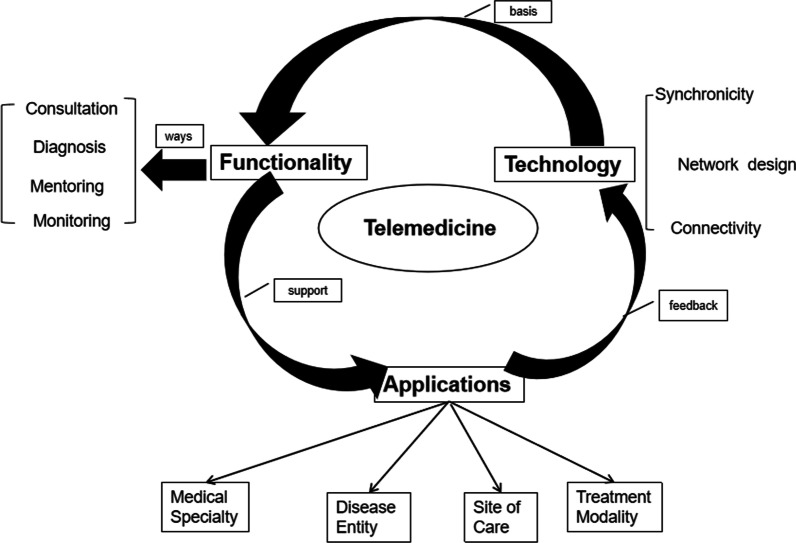
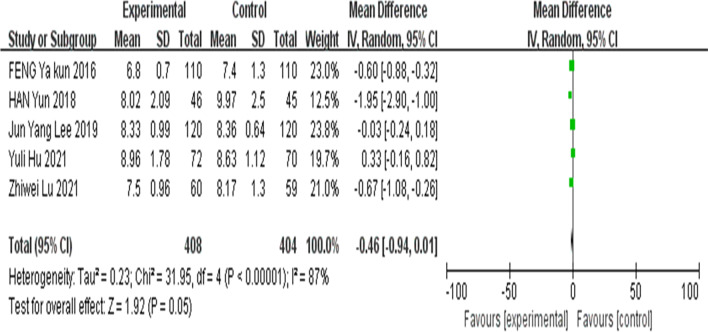
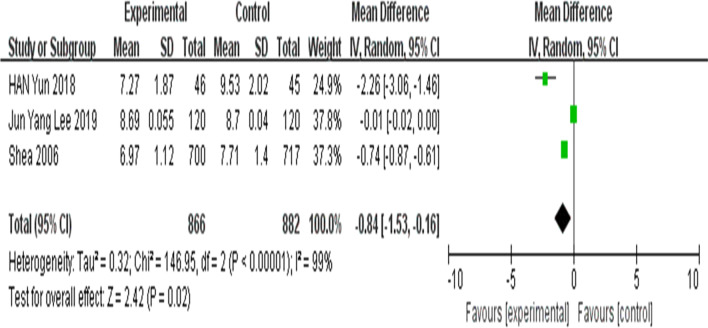
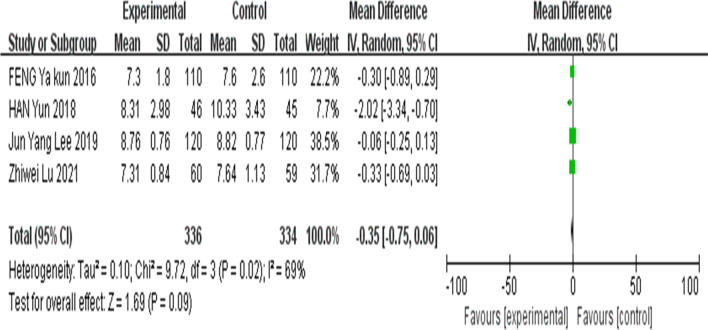
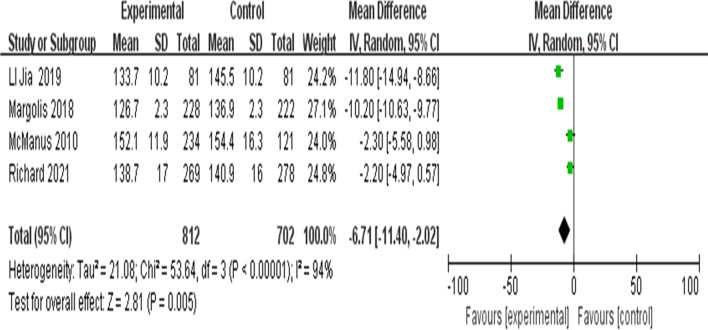
Fifteen articles were included in this study. The results of the systematic review indicated that telemedicine consultation and telemonitoring are the most commonly used intervention methods. Telemedicine is helpful for improving self-management in patients with rheumatoid arthritis. The results of the meta-analysis showed patients' index of glycosylated hemoglobin (HbA1c) improved after 12 months of intervention (MD = - 0.84; 95% CI = - 1.53, - 0.16; Z = 2.42; P = 0.02), and no significant differences in fasting blood glucose (FBG) levels were observed after 6 months of intervention (MD = - 0.35; 95% CI = - 0.75,0.06; Z = 1.69; P = 0.09). The results also showed that systolic blood pressure (MD = - 6.71; 95% CI = - 11.40, - 2.02; Z = 2.81; P = 0.005) was reduced after 6 months of intervention.
Telemedicine had a positive effect on the management of diabetes, hypertension, and rheumatoid arthritis, especially when telemedicine consultation and telemonitoring method were used. When telemedicine was used as a disease management tool for patients with diabetes, the optimal intervention time is 12 months. Telemedicine improved the systolic blood pressure in hypertensive patients while also reducing negative emotions and enhancing medication adherence in rheumatoid arthritis patients.
远程医疗已广泛应用于慢性病患者的长期护理和自我管理,但远程医疗对慢性病管理的效果尚无定论。本研究旨在通过系统评价和荟萃分析来综述和分析远程医疗对高血压、糖尿病和类风湿关节炎等慢性病管理的影响。
我们对 Web of Science、PubMed、MEDLINE、EMBASE、CNKI(中国数据库)、VIP(中国数据库)、万方(中国数据库)和 SinoMed(中国数据库)数据库进行了全面的文献检索,检索时间截至 2021 年 12 月 31 日。由两位作者独立筛选和评估检索到的文献。我们使用 Cochrane 干预措施系统评价手册 5.0.2 推荐的偏倚风险评估工具来评估文献质量,并使用 Revman 5.3 软件进行荟萃分析。
本研究共纳入 15 篇文章。系统评价的结果表明,远程医疗咨询和远程监测是最常用的干预方法。远程医疗有助于改善类风湿关节炎患者的自我管理。荟萃分析的结果表明,干预 12 个月后患者的糖化血红蛋白(HbA1c)指数有所改善(MD=-0.84;95%CI=-1.53,-0.16;Z=2.42;P=0.02),而干预 6 个月后空腹血糖(FBG)水平无显著差异(MD=-0.35;95%CI=-0.75,0.06;Z=1.69;P=0.09)。结果还显示,干预 6 个月后收缩压(MD=-6.71;95%CI=-11.40,-2.02;Z=2.81;P=0.005)降低。
远程医疗对糖尿病、高血压和类风湿关节炎的管理有积极影响,特别是在使用远程医疗咨询和远程监测方法时。当远程医疗作为糖尿病患者的疾病管理工具时,最佳干预时间为 12 个月。远程医疗改善了高血压患者的收缩压,同时减轻了类风湿关节炎患者的负面情绪,增强了他们的药物依从性。