Almostafa Mervt M, Elsewedy Heba S, Shehata Tamer M, Soliman Wafaa E
Department of Chemistry, College of Science, King Faisal University, Alhofuf 31982, Saudi Arabia.
Department of Pharmaceutical Sciences, College of Clinical Pharmacy, King Faisal University, Alhofuf 36362, Saudi Arabia.
Gels. 2022 Apr 15;8(4):245. doi: 10.3390/gels8040245.
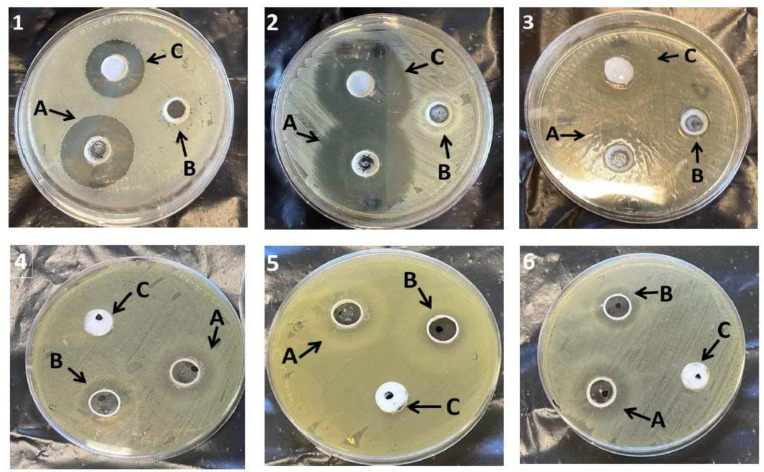
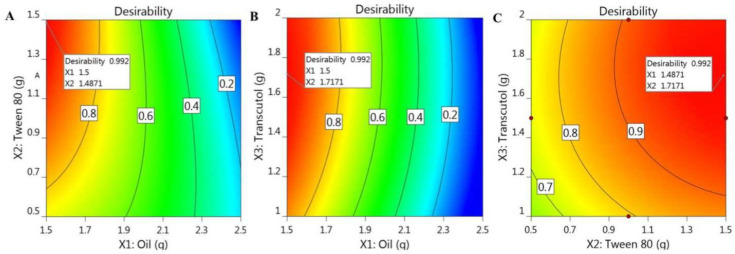
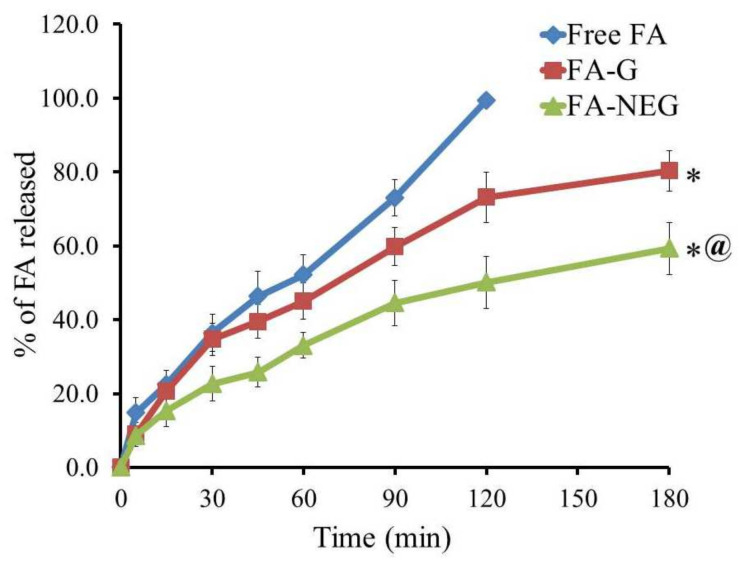
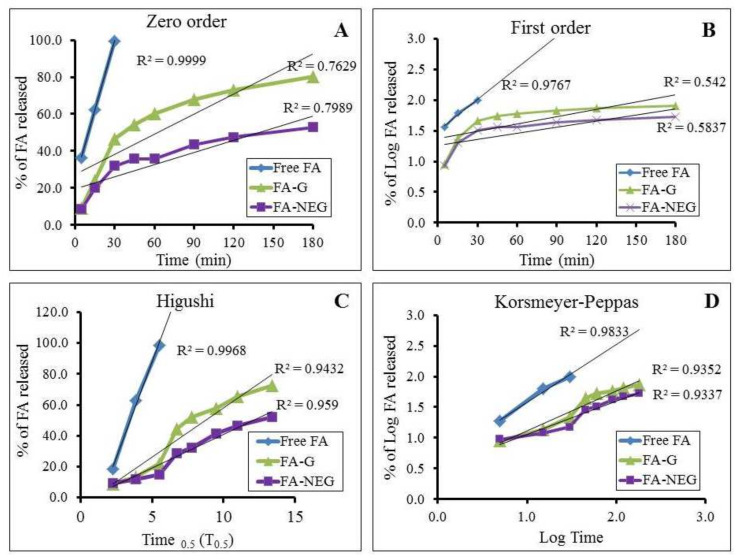
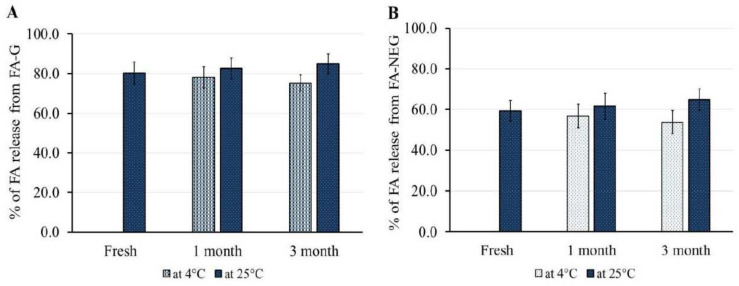
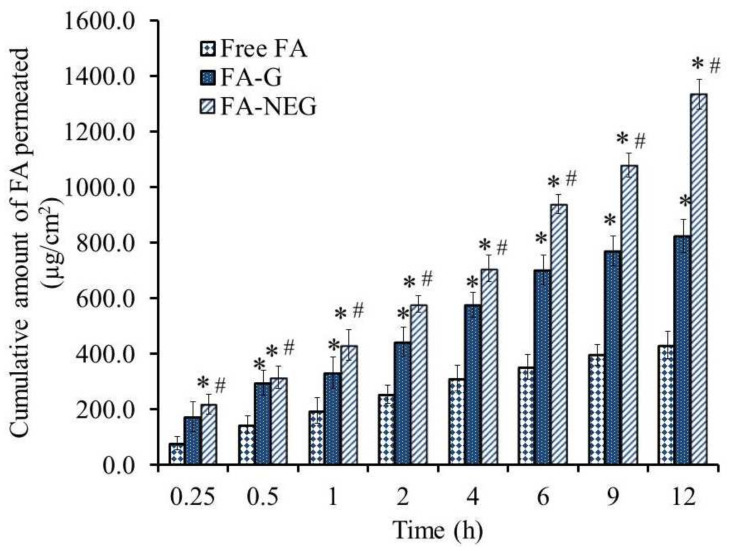
Fusidic acid (FA) is renowned as an effective bacteriostatic agent obtained from the fungus Fusidium coccineum, used for treating various eye and skin disorders. The objective of the present study was to develop, characterize, and evaluate the antibacterial activity of a novel FA nanoemulgel for topical skin application. Primarily, various fusidic acid nanoemulsion formulations were fabricated using different concentrations of myrrh essential oil, Tween 80 as a surfactant, and Transcutol® P as a co-surfactant. A Box−Behnken design was employed to select the optimized FA nanoemulsion formulation, based on the evaluated particle size and % of in vitro release as dependent variables. The optimized formula was incorporated within a hydrogel to obtain an FA nanoemulgel (FA-NEG) preparation. The formulated FA-NEG was evaluated for its visual appearance, pH, viscosity, and spreadability, compared to its corresponding prepared fusidic acid gel. In vitro release, kinetic study, and ex vivo drug permeation were implemented, followed by formulation stability testing. The FA-NEG exhibited a smooth and homogeneous appearance, pH value (6.61), viscosity (25,265 cP), and spreadability (33.6 mm), which were all good characteristics for appropriate topical application. A total of 59.3% of FA was released from the FA-NEG after 3 h. The ex vivo skin permeability of the FA-NEG was significantly enhanced by 3.10 ± 0.13-fold, showing SSTF of 111.2 ± 4.5 µg/cm2·h when compared to other formulations under investigation (p < 0.05). No irritation was observed upon applying the FA-NEG to animal skin. Eventually, it was revealed that the FA-NEG displayed improved antibacterial activity against a wide variety of bacteria when compared to its corresponding FA gel and marketed cream, indicating the prospective antibacterial effect of myrrh essential oil. In conclusion, the recommended formulation offers a promising antibacterial approach for skin infections.
夫西地酸(FA)是一种从绯红色梭链孢菌中提取的有效抑菌剂,用于治疗各种眼部和皮肤疾病。本研究的目的是开发、表征和评估一种用于局部皮肤应用的新型FA纳米乳凝胶的抗菌活性。首先,使用不同浓度的没药精油、吐温80作为表面活性剂和二乙二醇单乙基醚醋酸酯作为助表面活性剂制备了各种夫西地酸纳米乳剂配方。采用Box−Behnken设计,以评估的粒径和体外释放百分比作为因变量,选择优化的FA纳米乳剂配方。将优化后的配方加入水凝胶中,得到FA纳米乳凝胶(FA-NEG)制剂。与相应制备的夫西地酸凝胶相比,对制备的FA-NEG进行了外观、pH值、粘度和铺展性评估。进行了体外释放、动力学研究和离体药物渗透实验,随后进行了制剂稳定性测试。FA-NEG外观光滑均匀,pH值为6.61,粘度为25265 cP,铺展性为33.6 mm,这些都是适合局部应用的良好特性。3小时后,FA-NEG中总共释放了59.3%的FA。与其他研究中的制剂相比,FA-NEG的离体皮肤渗透率显著提高了3.10±0.13倍,显示出111.2±4.5 μg/cm2·h的稳态通量(p<0.05)。将FA-NEG应用于动物皮肤时未观察到刺激。最终,结果表明,与相应的FA凝胶和市售乳膏相比,FA-NEG对多种细菌表现出更好的抗菌活性,表明没药精油具有潜在的抗菌作用。总之,推荐的制剂为皮肤感染提供了一种有前景的抗菌方法。