Macleay Claudia M, Carrick Joan, Shearer Patrick, Begg Angela, Stewart Melinda, Heller Jane, Chicken Catherine, Brookes Victoria J
School of Agricultural, Environmental and Veterinary Sciences, Faculty of Science and Health, Charles Sturt University, Wagga Wagga, NSW 2678, Australia.
Equine Specialist Consulting, Scone, NSW 2337, Australia.
Vet Sci. 2022 Apr 13;9(4):186. doi: 10.3390/vetsci9040186.
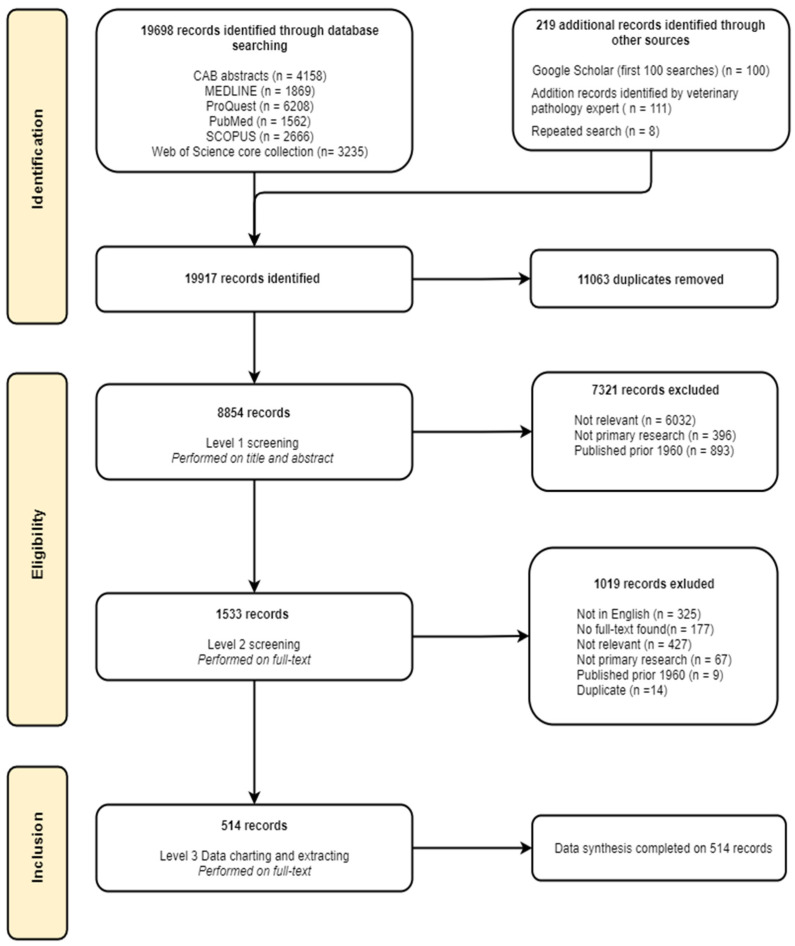
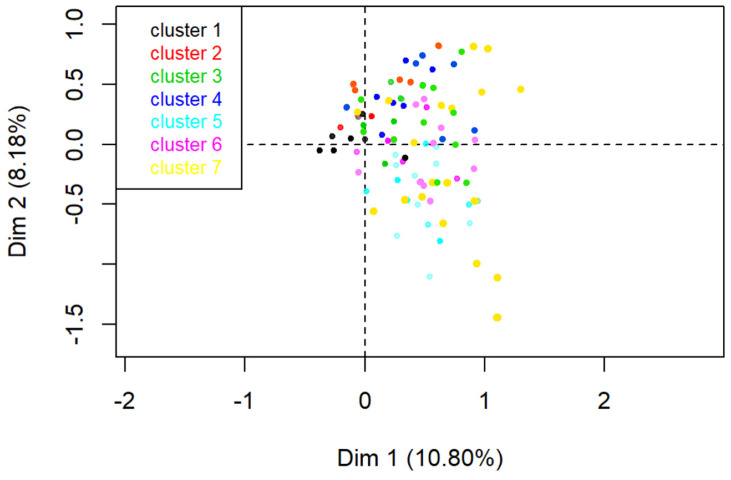
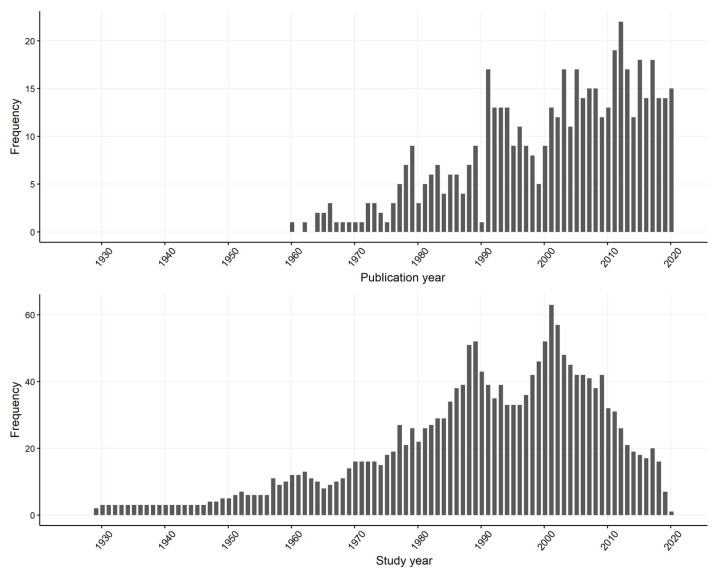
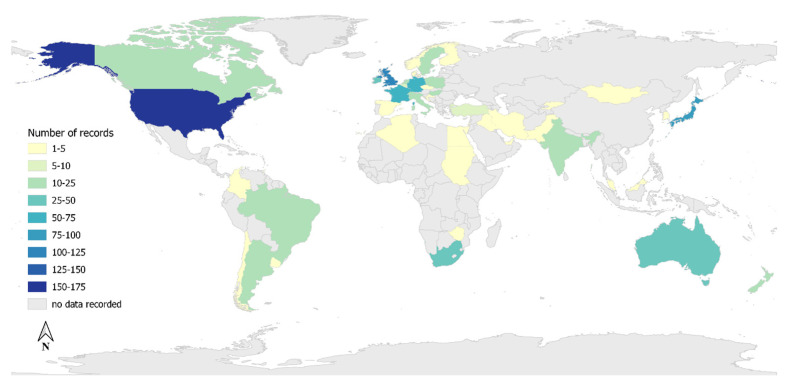
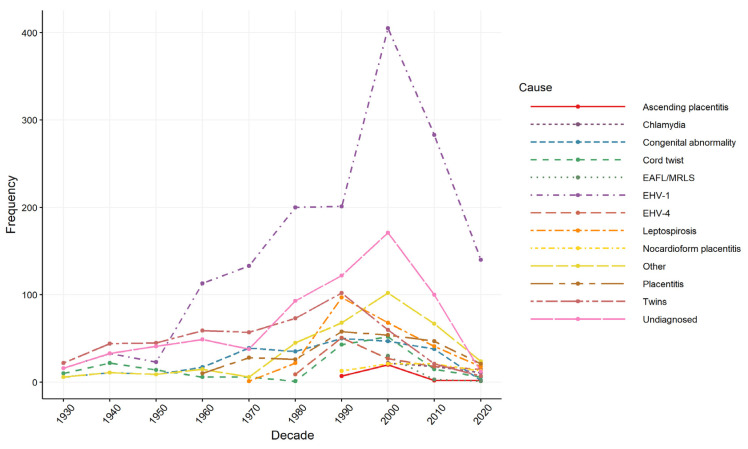
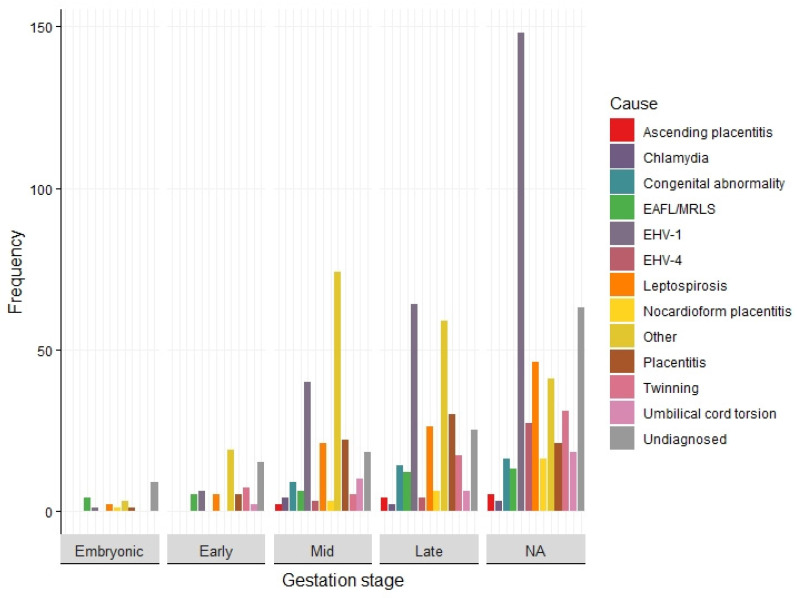
Equine pregnancy loss is frustrating and costly for horse breeders. The reproductive efficiency of mares has significant implications for a breeding operation's economic success, and widespread losses can have a trickle-down effect on those communities that rely on equine breeding operations. Understanding the causes and risks of equine pregnancy loss is essential for developing prevention and management strategies to reduce the occurrence and impact on the horse breeding industry. This PRISMA-guided scoping review identified 514 records on equine pregnancy loss and described the global spatiotemporal distribution of reported causes and syndromes. The multiple correspondence analysis identified seven clusters that grouped causes, syndromes, locations and pathology. Reasons for clustering should be the focus of future research as they might indicate undescribed risk factors associated with equine pregnancy loss. People engaged in the equine breeding industry work closely with horses and encounter equine bodily fluids, placental membranes, aborted foetuses, and stillborn foals. This close contact increases the risk of zoonotic disease transmission. Based on this review, research is required on equine abortion caused by zoonotic bacteria, including , and spp., because of the severe illness that can occur in people who become infected.
马的妊娠丢失对养马者来说既令人沮丧又代价高昂。母马的繁殖效率对繁育业务的经济成功具有重大影响,广泛的妊娠丢失会对那些依赖马匹繁育业务的社区产生连锁反应。了解马妊娠丢失的原因和风险对于制定预防和管理策略以减少其发生及对马匹繁育行业的影响至关重要。这项遵循PRISMA指南的范围综述确定了514条关于马妊娠丢失的记录,并描述了所报告原因和综合征的全球时空分布。多重对应分析确定了七个将原因、综合征、地点和病理分组的集群。聚类的原因应成为未来研究的重点,因为它们可能表明与马妊娠丢失相关的未描述风险因素。从事马匹繁育行业的人员与马密切合作,会接触到马的体液、胎膜、流产胎儿和死产驹。这种密切接触增加了人畜共患病传播的风险。基于本综述,由于感染的人可能会出现严重疾病,因此需要对由人畜共患病细菌引起的马流产进行研究,包括 、 和 菌属。