Vargas-Vargas Manuel Alejandro, Saavedra-Molina Alfredo, Gómez-Barroso Mariana, Peña-Montes Donovan, Cortés-Rojo Christian, Miguel Huerta, Trujillo Xochitl, Montoya-Pérez Rocío
Instituto de Investigaciones Químico-Biológicas, Universidad Michoacana de San Nicolás de Hidalgo, Francisco J. Múgica S/N, Col. Felicitas del Río, Morelia 58030, Mexico.
Centro Universitario de Investigaciones Biomédicas, Universidad de Colima, Av. 25 de Julio 965, Las Víboras, Colima 24040, Mexico.
Antioxidants (Basel). 2022 Apr 7;11(4):731. doi: 10.3390/antiox11040731.
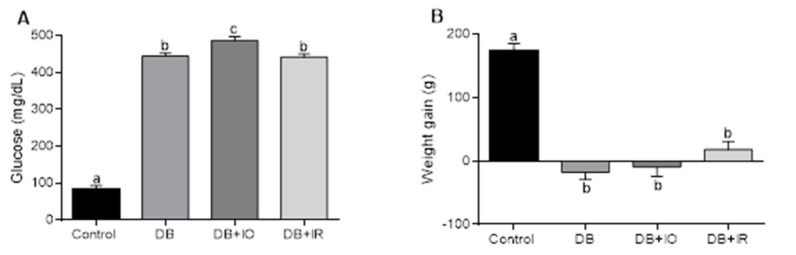
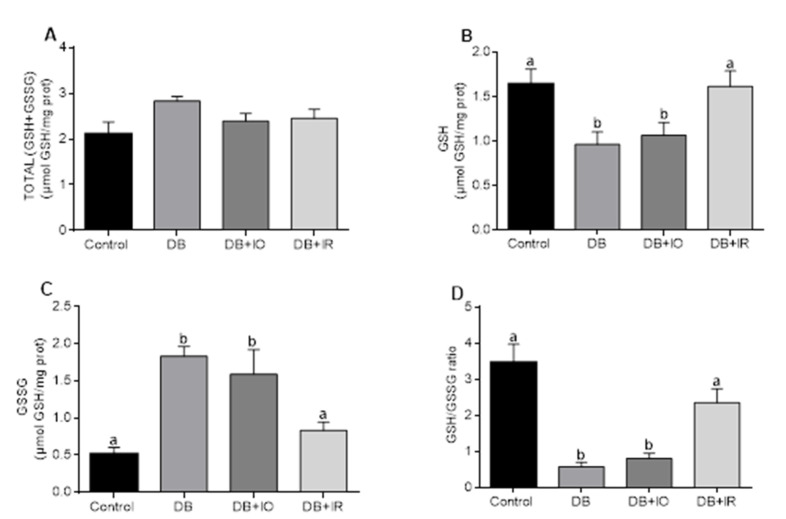
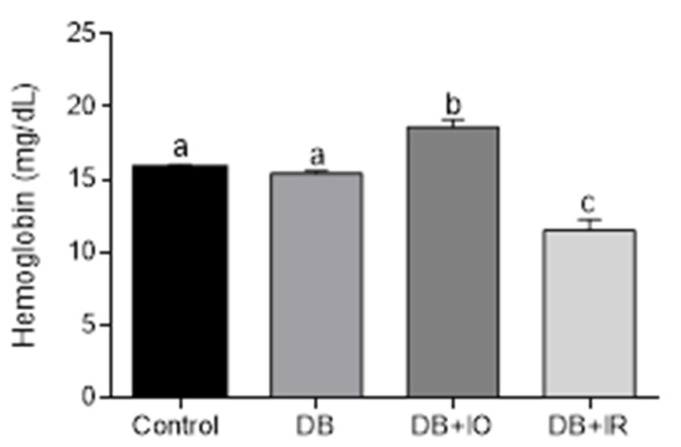
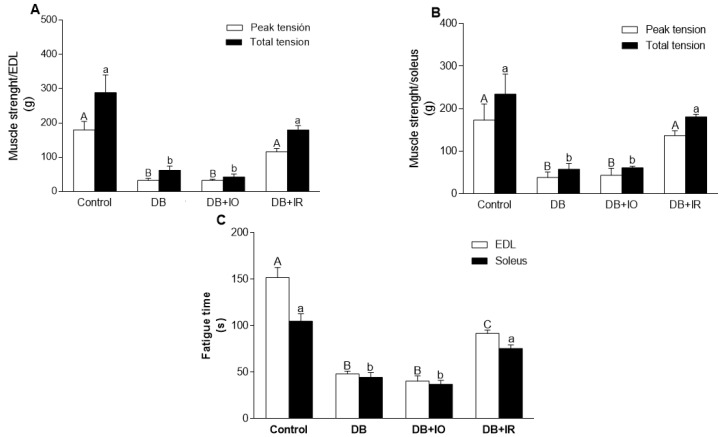
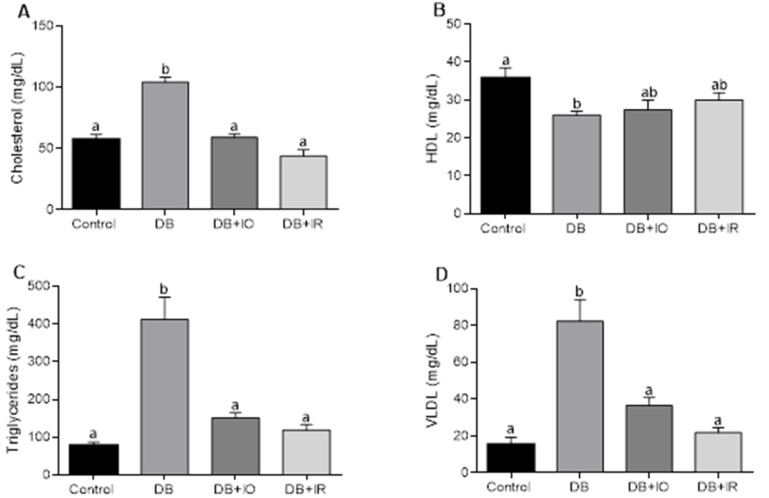
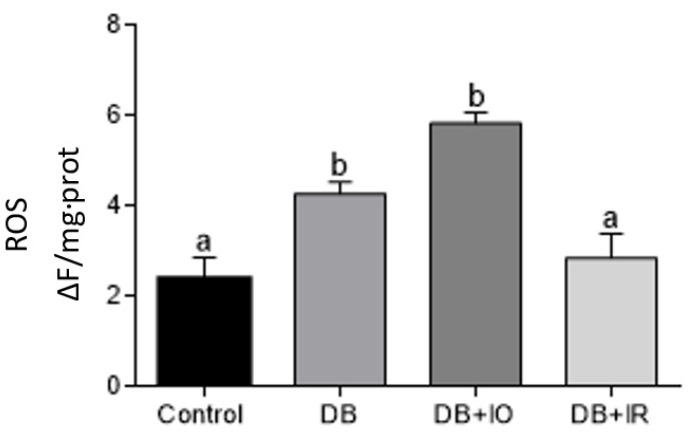
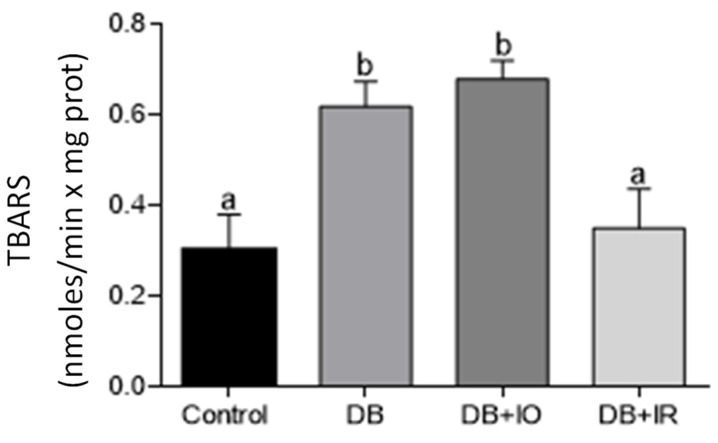
Diabetes mellitus is a chronic degenerative disease characterized by hyperglycemia and oxidative stress. Iron catalyzes free radical overproduction. High iron concentrations have previously been reported to promote an increase in oxidative stress; however, the effect of iron restriction in diabetes has not yet been explored, so we tested to see if iron restriction in diabetic rats reduces oxidative damage and improved muscle function. Wistar rats were assigned to 4 groups: Control; Diabetic; Diabetic rats with a high iron diet, and Diabetic with dietary iron restriction. After 8 weeks the rats were sacrificed, the muscles were extracted to prepare homogenates, and serum was obtained for biochemical measurements. Low iron diabetic rats showed an increase in the development of muscle strength in both muscles. Dietary iron restriction decreased triglyceride concentrations compared to the untreated diabetic rats and the levels of extremely low-density lipoproteins. Aggravation of lipid peroxidation was observed in the diabetic group with a high iron diet, while these levels remained low with iron restriction. Iron restriction improved muscle strength development and reduced fatigue times; this was related to better lipid profile control and decreased oxidant stress markers.
糖尿病是一种以高血糖和氧化应激为特征的慢性退行性疾病。铁催化自由基过度产生。此前有报道称高铁浓度会促进氧化应激增加;然而,铁限制对糖尿病的影响尚未得到研究,因此我们测试了糖尿病大鼠的铁限制是否能减少氧化损伤并改善肌肉功能。将Wistar大鼠分为4组:对照组;糖尿病组;高铁饮食的糖尿病大鼠组,以及饮食铁限制的糖尿病大鼠组。8周后处死大鼠,提取肌肉制备匀浆,并获取血清进行生化测量。低铁糖尿病大鼠的两块肌肉的肌肉力量发育均有所增加。与未治疗的糖尿病大鼠相比,饮食铁限制降低了甘油三酯浓度以及极低密度脂蛋白水平。在高铁饮食的糖尿病组中观察到脂质过氧化加剧,而在铁限制组中这些水平保持较低。铁限制改善了肌肉力量发育并减少了疲劳时间;这与更好的血脂控制和降低的氧化应激标志物有关。