Cinteză Eliza, Voicu Cristiana, Filip Cristina, Ioniță Mihnea, Popescu Monica, Bălgrădean Mihaela, Nicolescu Alin, Mahmoud Hiyam
"Carol Davila" Pediatrics Department, University of Medicine and Pharmacy, 020021 Bucharest, Romania.
"Marie Curie" Emergency Children's Hospital, 041451 Bucharest, Romania.
Diagnostics (Basel). 2022 Apr 1;12(4):884. doi: 10.3390/diagnostics12040884.
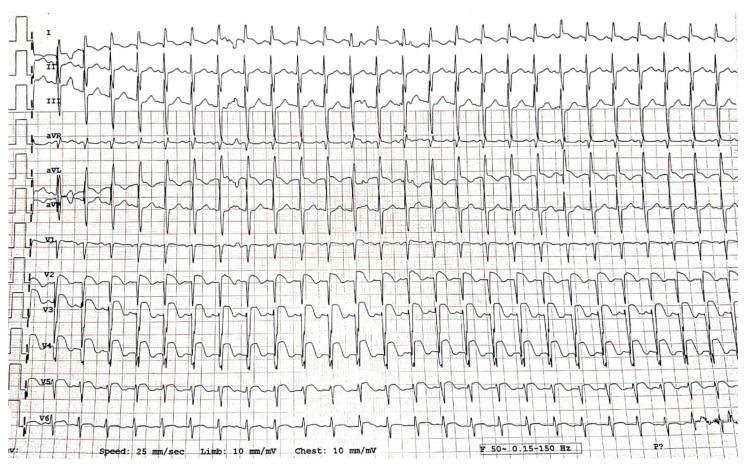
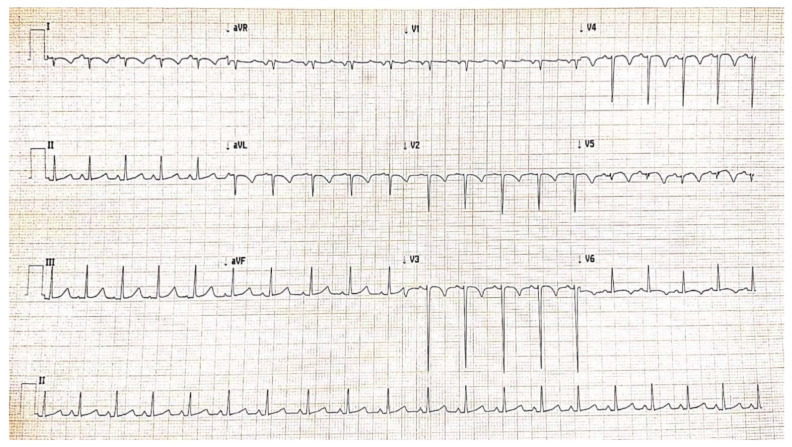
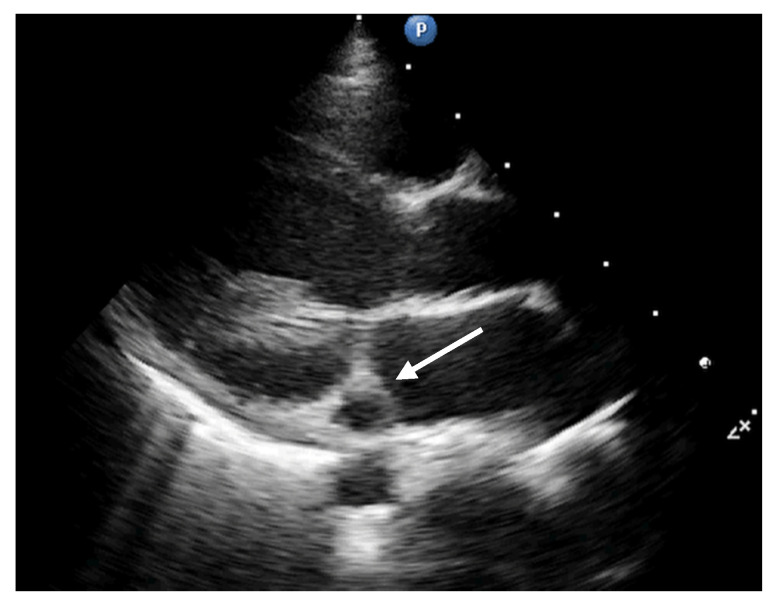
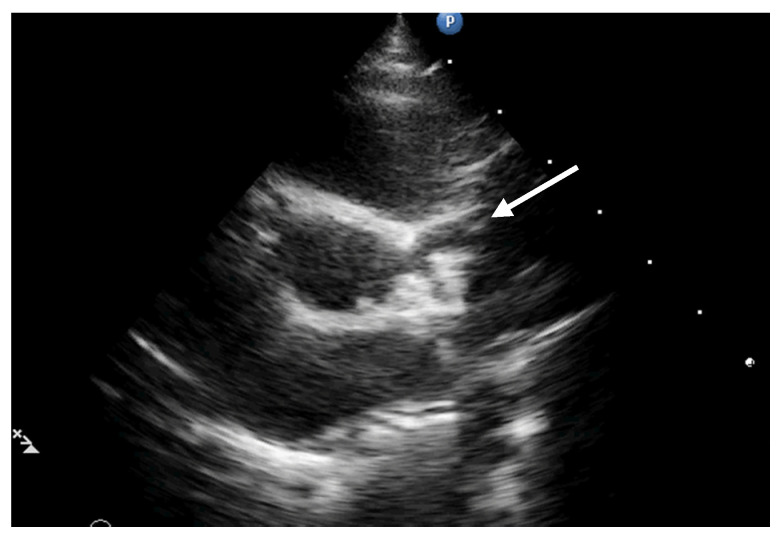
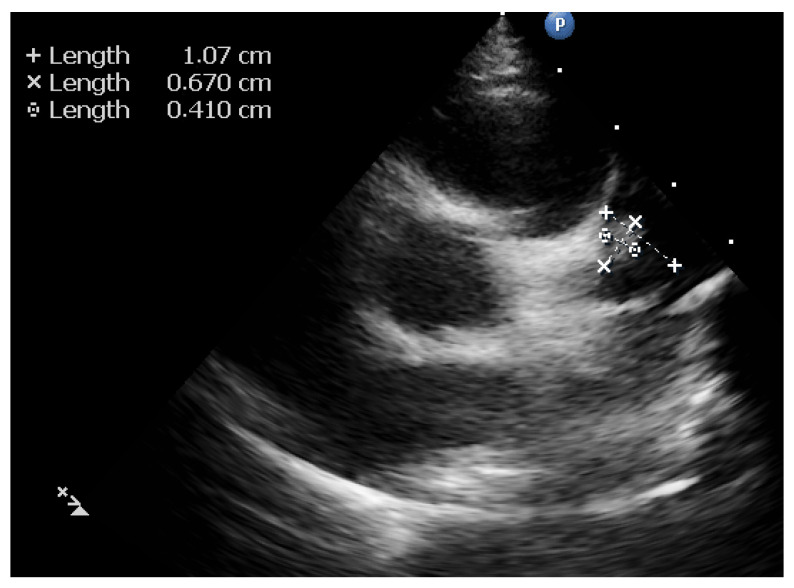
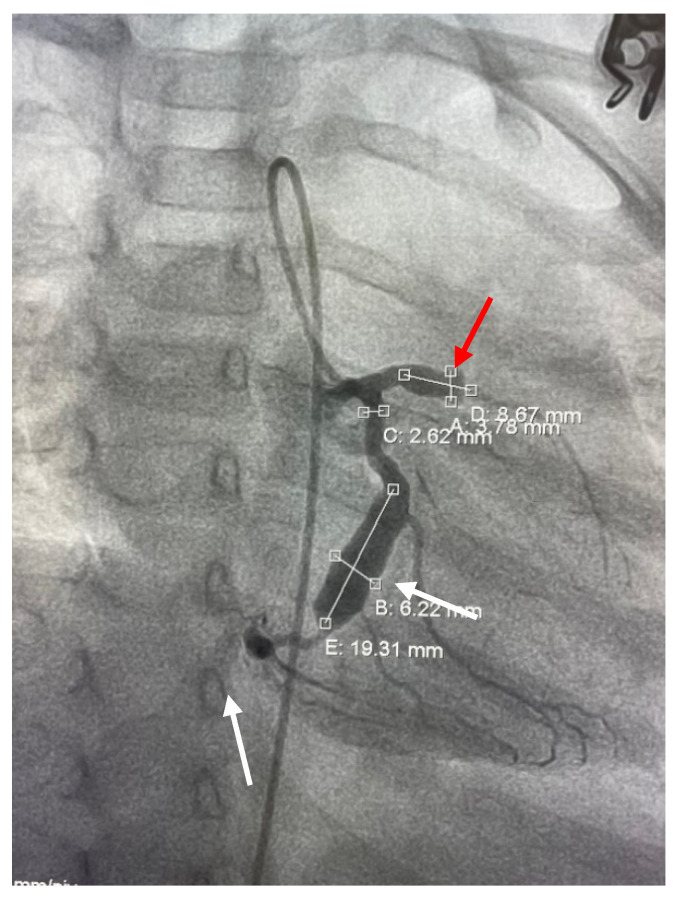
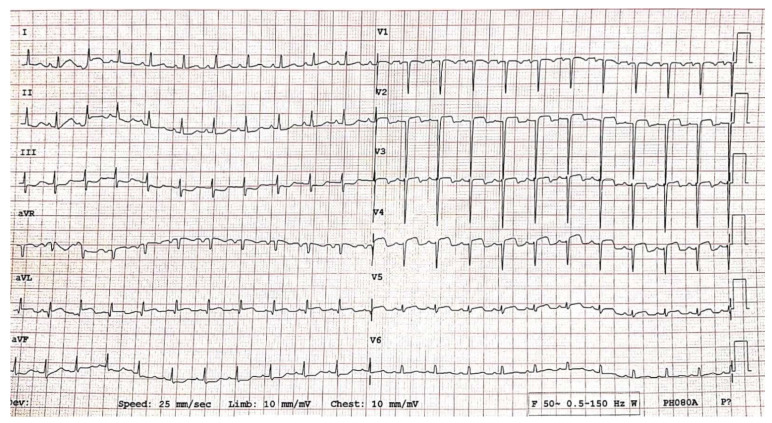
Acute myocardial infarction (AMI) in children is rather anecdotic. However, following COVID-19, some conditions may develop which may favor thrombosis, myocardial infarction, and death. Such a condition is Kawasaki-like disease (K-lD). K-lD appears in children as a subgroup of the multisystem inflammatory syndrome (MIS-C). In some cases, K-lD patients may develop giant coronary aneurysms. The evolution and characteristics of coronary aneurysms from K-lD appear to be different from classical Kawasaki disease (KD) aneurysms. Differences include a lower percentage of aneurysm formation than in non-COVID-19 KD, a smaller number of giant forms, a tendency towards aneurysm regression, and fewer thrombotic events associated with AMI. We present here a review of the literature on the thrombotic risks of post-COVID-19 coronary aneurysms, starting from a unique clinical case of a 2-year-old boy who developed multiple coronary aneurysms, followed by AMI. In dehydration conditions, 6 months after COVID-19, the boy developed anterior descending artery occlusion and a slow favorable outcome of the AMI after thrombolysis. This review establishes severity criteria and risk factors that predispose to thrombosis and AMI in post-COVID-19 patients. These may include dehydration, thrombophilia, congenital malformations, chronic inflammatory conditions, chronic kidney impairment, acute cardiac failure, and others. All these possible complications should be monitored during acute illness. Ischemic heart disease prevalence in children may increase in the post-COVID-19 era, due to an association between coronary aneurysm formation, thrombophilia, and other risk factors whose presence will make a difference in long-term prognosis.
儿童急性心肌梗死(AMI)较为罕见。然而,感染新冠病毒后,可能会出现一些有利于血栓形成、心肌梗死和死亡的情况。这种情况就是川崎样疾病(K-lD)。K-lD在儿童中表现为多系统炎症综合征(MIS-C)的一个亚组。在某些情况下,K-lD患者可能会出现巨大冠状动脉瘤。K-lD冠状动脉瘤的演变和特征似乎与经典川崎病(KD)的动脉瘤不同。差异包括动脉瘤形成的百分比低于非新冠病毒感染的KD,巨大动脉瘤的数量较少,动脉瘤有消退的趋势,以及与AMI相关的血栓形成事件较少。我们在此对新冠病毒感染后冠状动脉瘤的血栓形成风险的文献进行综述,始于一个独特的临床病例,一名2岁男孩出现多个冠状动脉瘤,随后发生AMI。在新冠病毒感染6个月后的脱水状态下,该男孩出现前降支动脉闭塞,溶栓后AMI有缓慢的良好转归。本综述确定了新冠病毒感染后患者易发生血栓形成和AMI的严重程度标准及危险因素。这些可能包括脱水、易栓症、先天性畸形、慢性炎症状态、慢性肾脏损害、急性心力衰竭等。在急性疾病期间应监测所有这些可能的并发症。由于冠状动脉瘤形成、易栓症和其他危险因素之间的关联,而这些因素的存在将对长期预后产生影响,儿童缺血性心脏病的患病率在新冠病毒感染后时代可能会增加。