Mambretti Francesco, Pedrani Nicolò, Casiraghi Luca, Paraboschi Elvezia Maria, Bellini Tommaso, Suweis Samir
Dipartimento di Fisica e Astronomia, Università degli Studi di Padova, Via Marzolo 8, 35131 Padova, Italy.
Atomistic Simulations, Italian Institute of Technology, Via Melen 83, 16152 Genova, Italy.
Entropy (Basel). 2022 Mar 26;24(4):458. doi: 10.3390/e24040458.
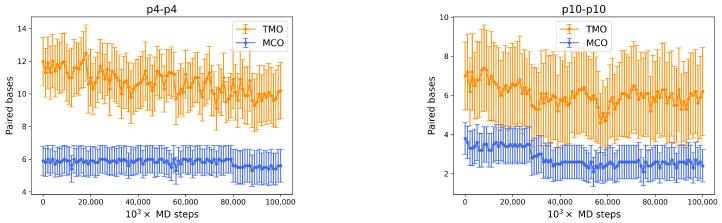
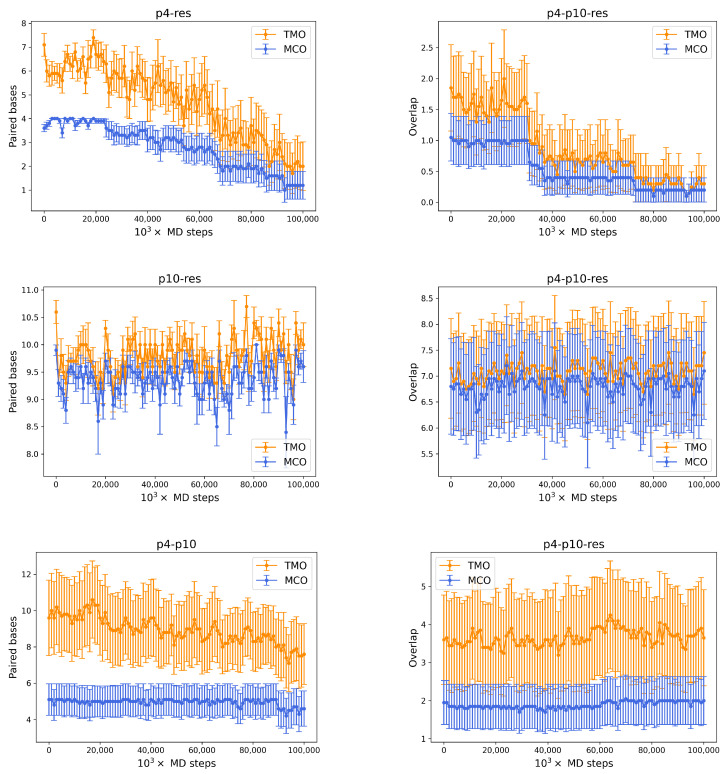
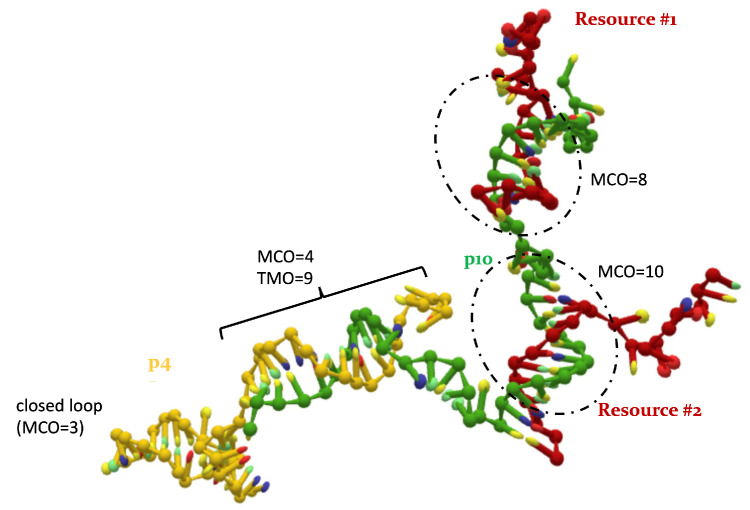
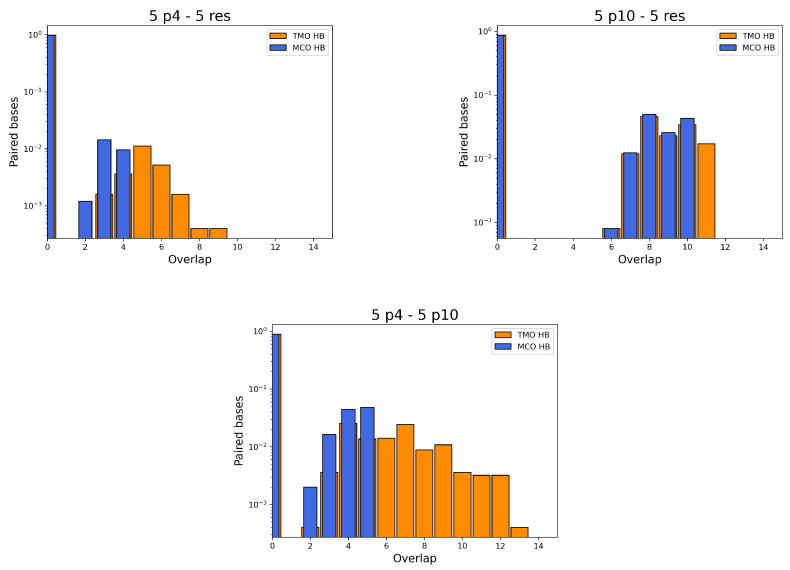
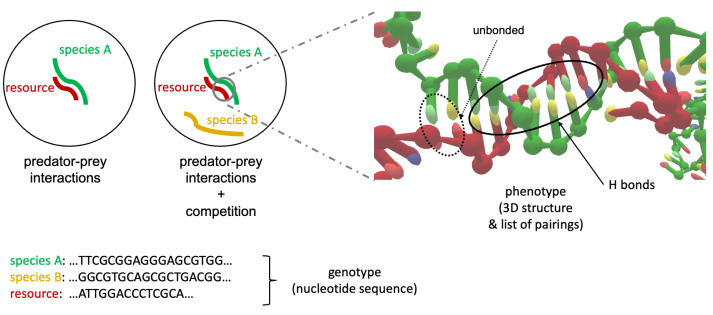
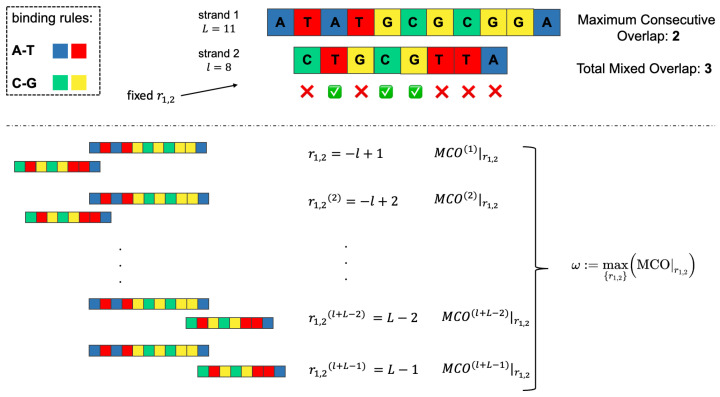
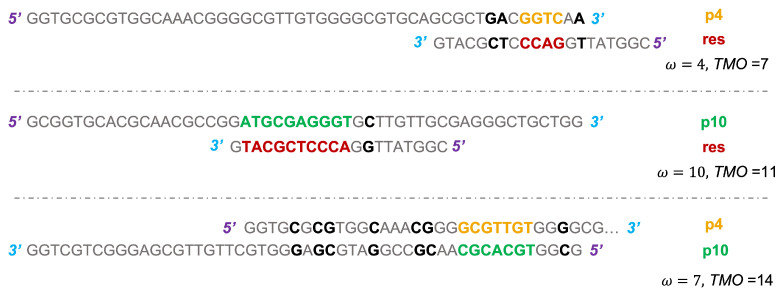
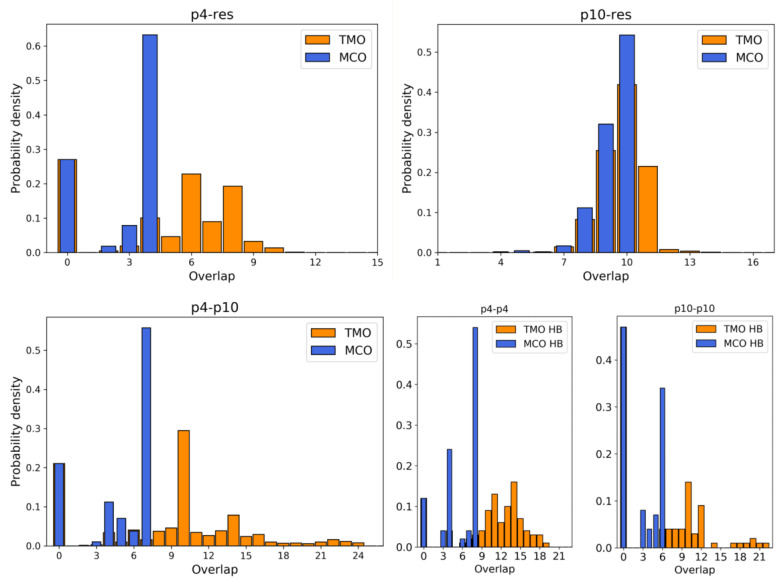
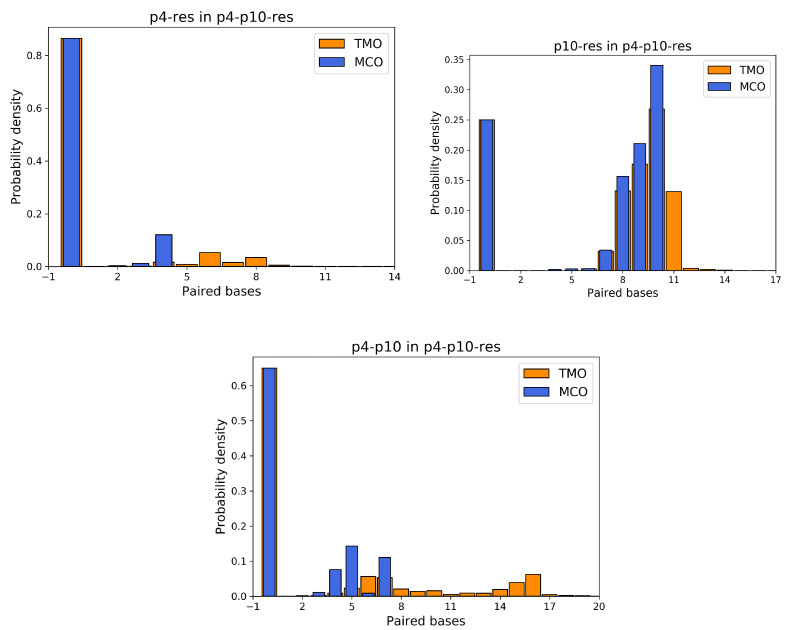
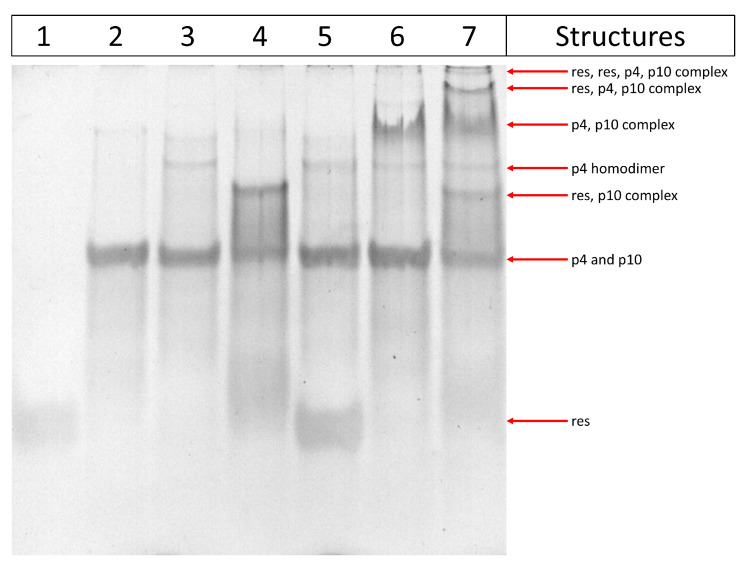
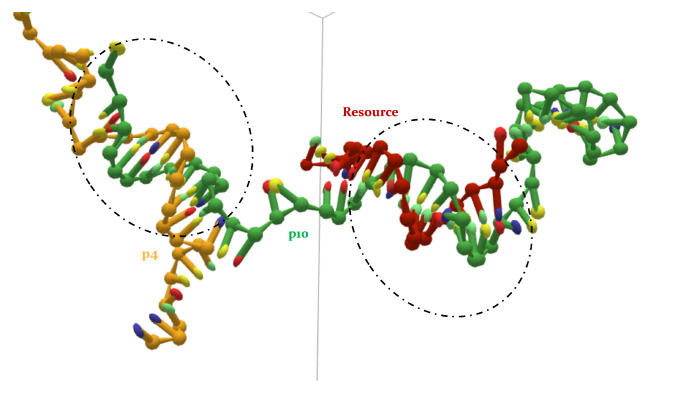
Molecular ecology uses molecular genetic data to answer traditional ecological questions in biogeography and biodiversity, among others. Several ecological principles, such as the and the , are based on the fact that species compete for resources. More in generally, it is now recognized that species interactions play a crucial role in determining the coexistence and abundance of species. However, experimentally controllable platforms, which allow us to study and measure competitions among species, are rare and difficult to implement. In this work, we suggest exploiting a Molecular Dynamics coarse-grained model to study interactions among single strands of DNA, representing individuals of different species, which compete for binding to other oligomers considered as resources. In particular, the well-established knowledge of DNA-DNA interactions at the nanoscale allows us to test the hypothesis that the maximum consecutive overlap between pairs of oligomers measure the species' competitive advantages. However, we suggest that a more complex structure also plays a role in the ability of the species to successfully bind to the target resource oligomer. We complement the simulations with experiments on populations of DNA strands which qualitatively confirm our hypotheses. These tools constitute a promising starting point for further developments concerning the study of controlled, DNA-based, artificial ecosystems.
分子生态学利用分子遗传数据来回答生物地理学和生物多样性等领域的传统生态学问题。一些生态学原理,比如[此处原文缺失两个生态学原理的具体内容],是基于物种竞争资源这一事实。更一般地说,现在人们认识到物种间相互作用在决定物种的共存和丰度方面起着关键作用。然而,能够让我们研究和测量物种间竞争的实验可控平台却很罕见且难以实现。在这项工作中,我们建议利用分子动力学粗粒化模型来研究代表不同物种个体的单链DNA之间的相互作用,这些单链DNA竞争与被视为资源的其他寡聚物结合。特别地,在纳米尺度上关于DNA - DNA相互作用的成熟知识使我们能够检验这样一个假设:寡聚物对之间的最大连续重叠衡量了物种的竞争优势。然而,我们认为更复杂的结构在物种成功结合目标资源寡聚物的能力方面也发挥着作用。我们用对DNA链群体的实验对模拟进行补充,这些实验定性地证实了我们的假设。这些工具为进一步开展关于基于DNA的可控人工生态系统研究提供了一个有前景的起点。