Högnäsbacka Antonia, Poot Alex J, Vugts Danielle J, van Dongen Guus A M S, Windhorst Albert D
Department of Radiology & Nuclear Medicine, Amsterdam UMC Location Vrije Universiteit Amsterdam, De Boelelaan 1117, 1081 HV Amsterdam, The Netherlands.
Cancer Center Amsterdam, Imaging and Biomarkers, 1081 HV Amsterdam, The Netherlands.
Pharmaceuticals (Basel). 2022 Apr 5;15(4):450. doi: 10.3390/ph15040450.
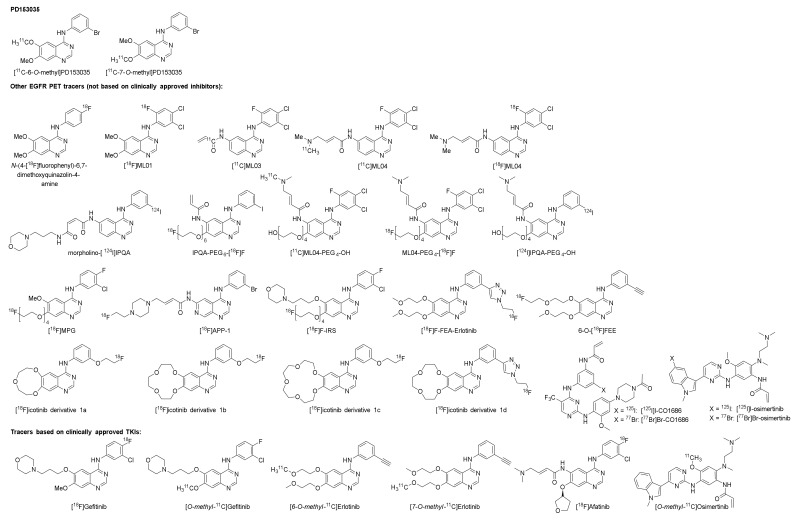
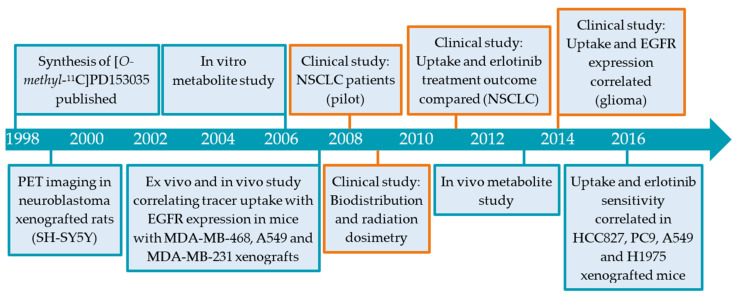
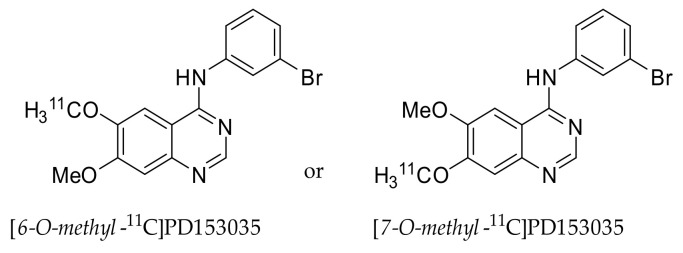
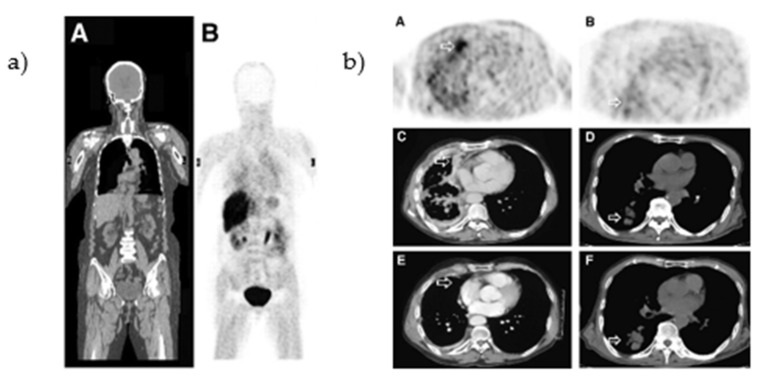
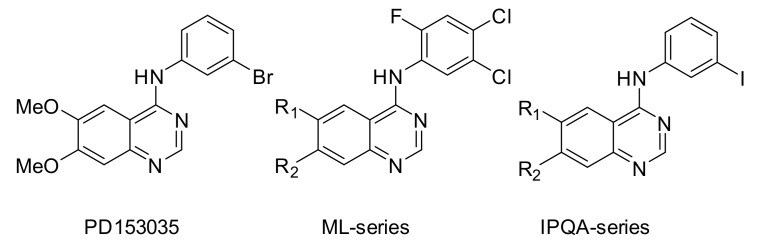
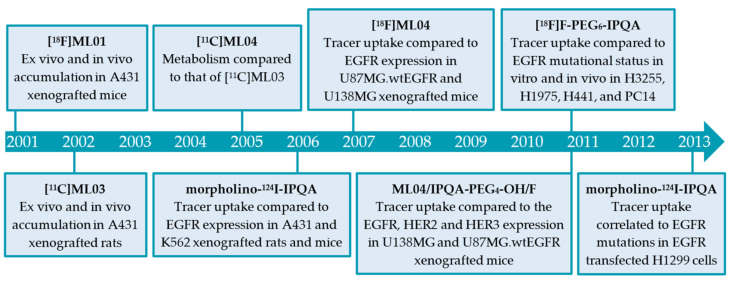
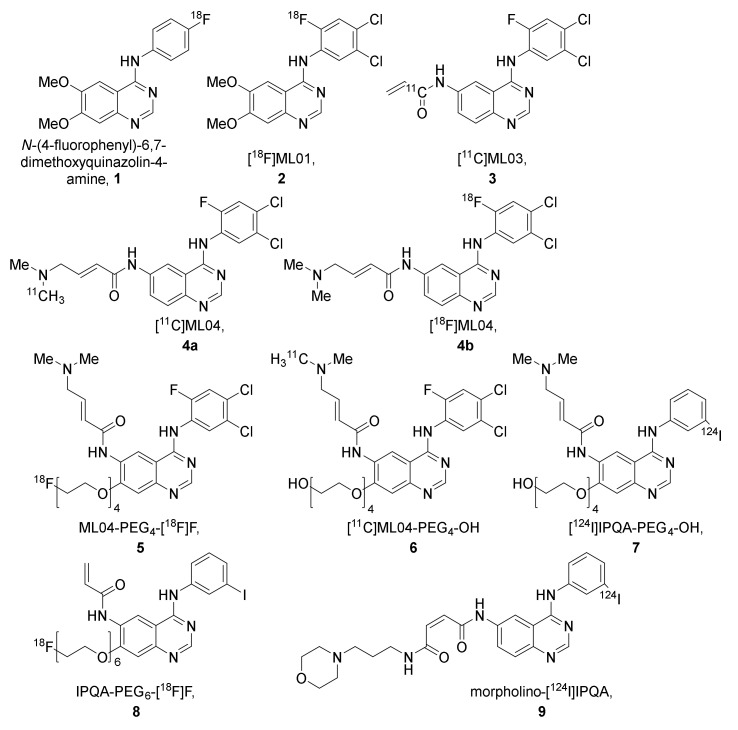
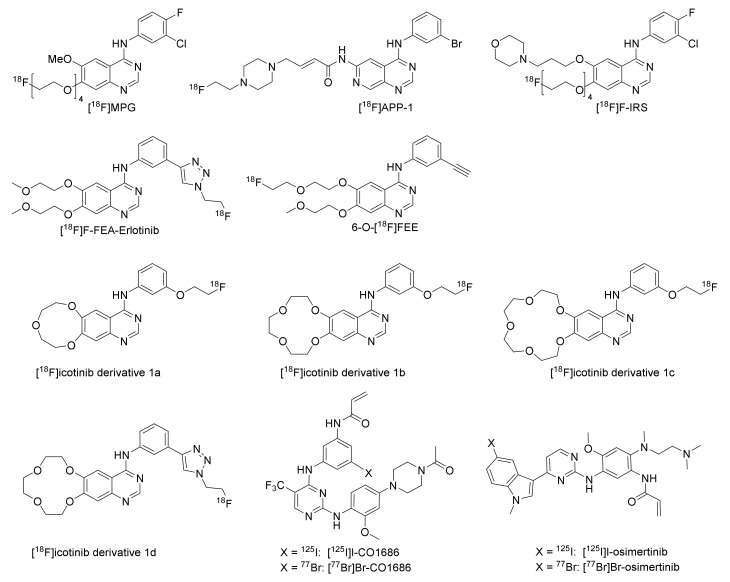
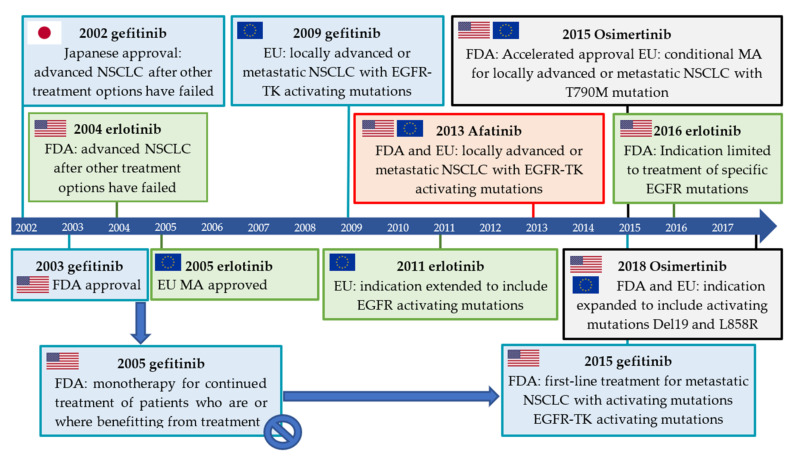
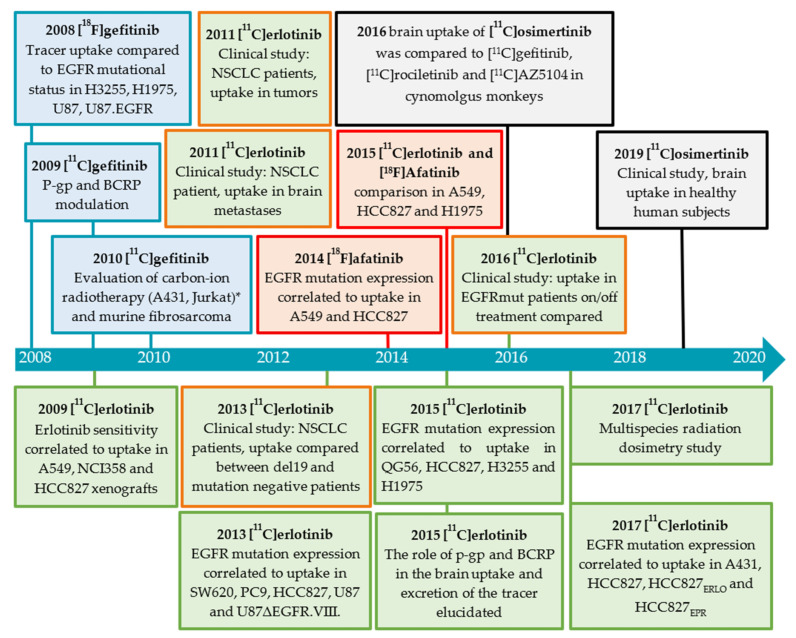
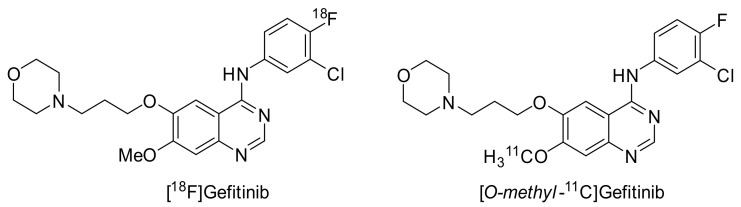
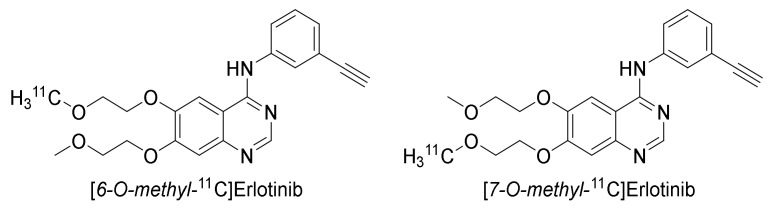
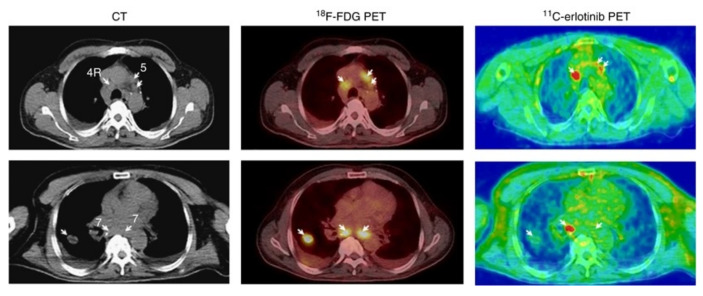
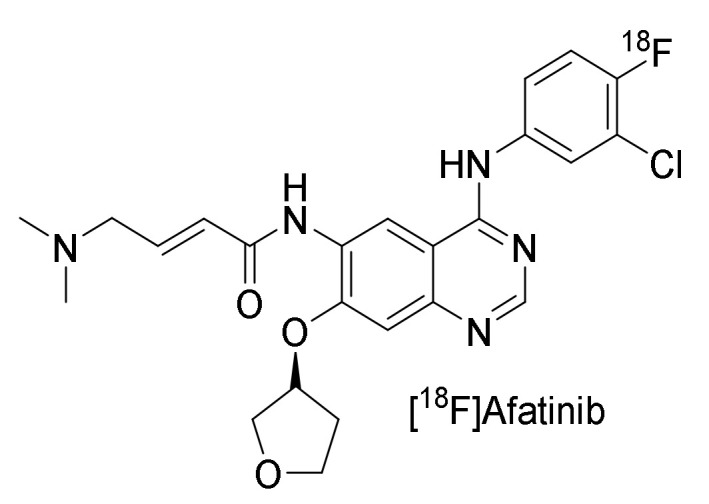
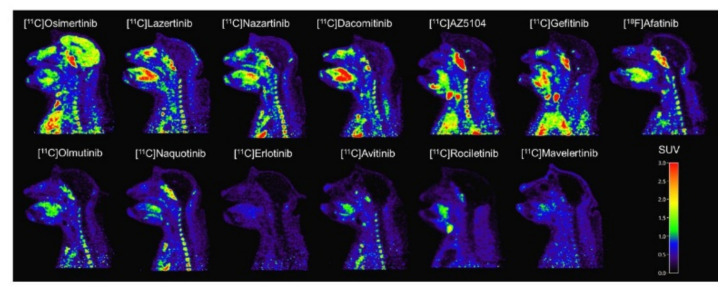
Multiple small molecule PET tracers have been developed for the imaging of the epidermal growth factor receptor (EGFR). These tracers target the tyrosine kinase (TK) domain of the receptor and have been used for both quantifying EGFR expression and to differentiate between EGFR mutational statuses. However, the approaches for in vivo evaluation of these tracers are diverse and have resulted in data that are hard to compare. In this review, we analyze the historical development of the in vivo evaluation approaches, starting from the first EGFR TK PET tracer [C]PD153035 to tracers developed based on TK inhibitors used for the clinical treatment of mutated EGFR expressing non-small cell lung cancer like [C]erlotinib and [F]afatinib. The evaluation of each tracer has been compiled to allow for a comparison between studies and ultimately between tracers. The main challenges for each group of tracers are thereafter discussed. Finally, this review addresses the challenges that need to be overcome to be able to efficiently drive EGFR PET imaging forward.
已经开发出多种小分子正电子发射断层显像(PET)示踪剂用于表皮生长因子受体(EGFR)成像。这些示踪剂靶向该受体的酪氨酸激酶(TK)结构域,并已用于定量EGFR表达以及区分EGFR突变状态。然而,这些示踪剂的体内评估方法多种多样,导致数据难以比较。在本综述中,我们分析了体内评估方法的历史发展,从首个EGFR TK PET示踪剂[C]PD153035到基于用于临床治疗表达突变EGFR的非小细胞肺癌的TK抑制剂开发的示踪剂,如[C]厄洛替尼和[F]阿法替尼。已汇总了每种示踪剂的评估情况,以便在研究之间进行比较,并最终在示踪剂之间进行比较。此后讨论了每组示踪剂面临的主要挑战。最后,本综述阐述了为有效推动EGFR PET成像发展需要克服的挑战。