Department of Translational Medicine and Laboratory for Technologies of Advanced Therapies (LTTA), University of Ferrara, 44121 Ferrara, Italy.
Department of Chemistry "Giacomo Ciamician" Alma Mater Studiorum, University of Bologna, 40126 Bologna, Italy.
Nutrients. 2022 Apr 8;14(8):1560. doi: 10.3390/nu14081560.
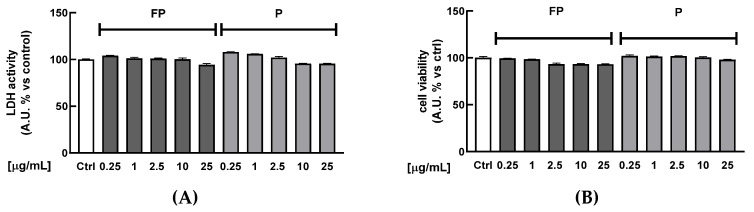
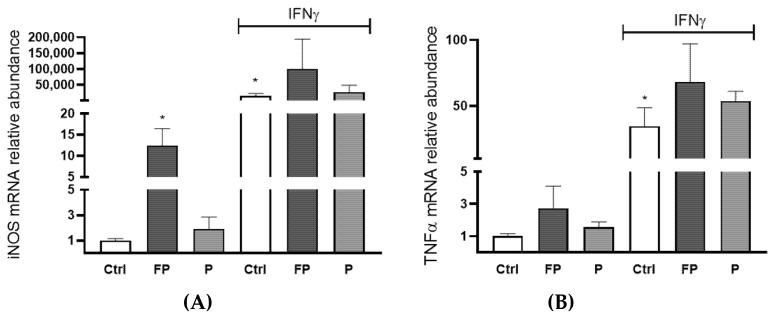
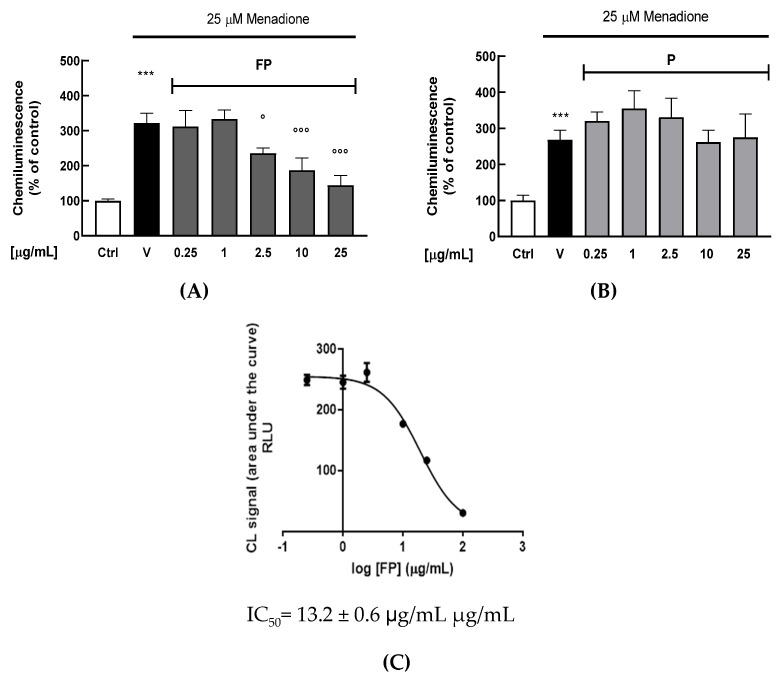
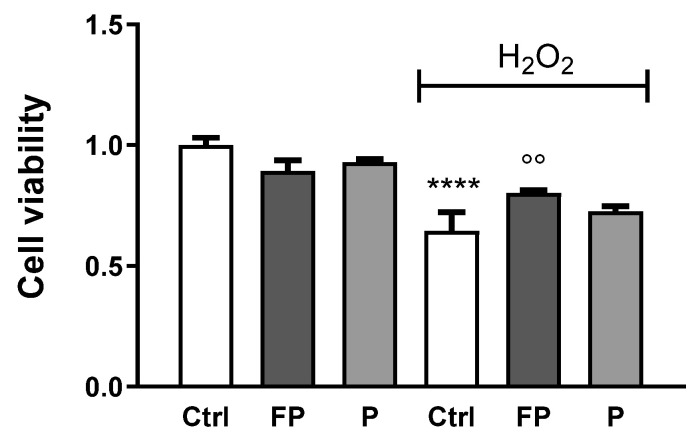
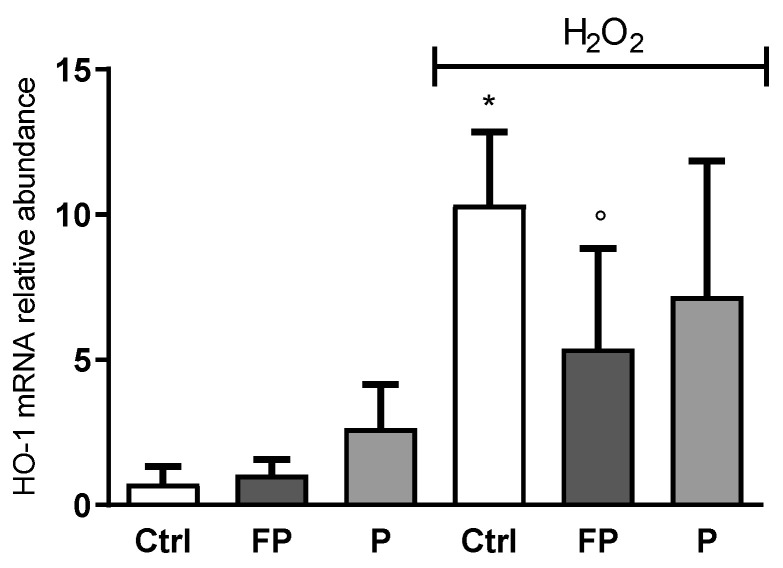
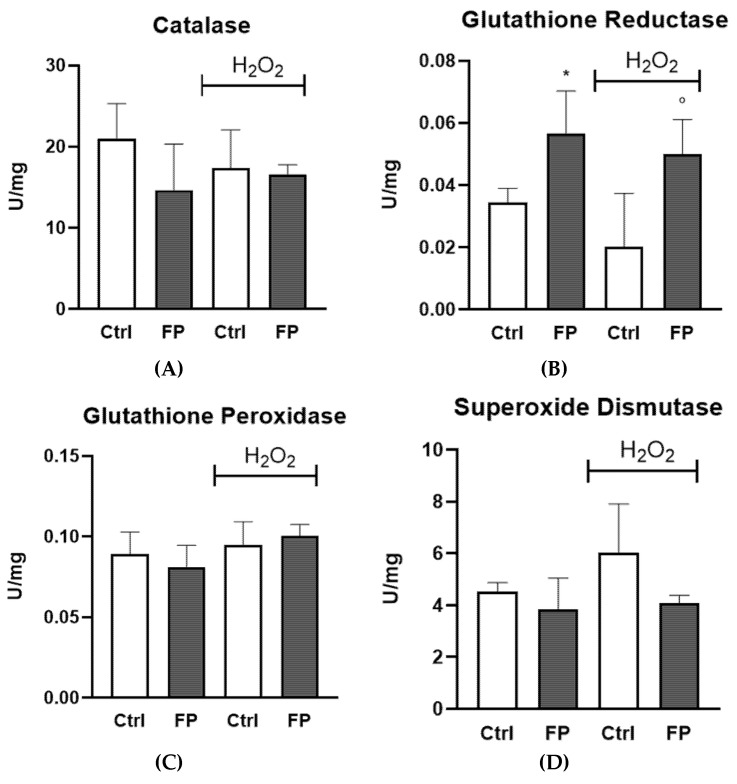
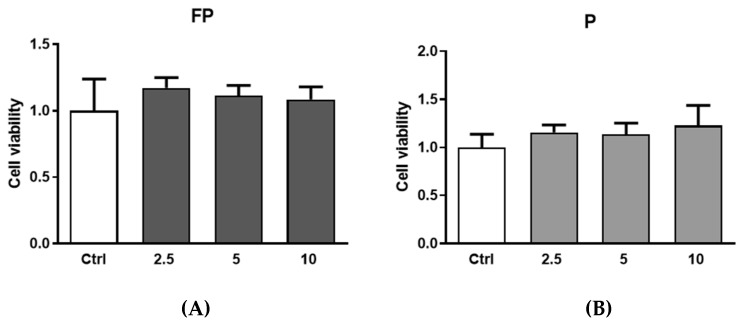
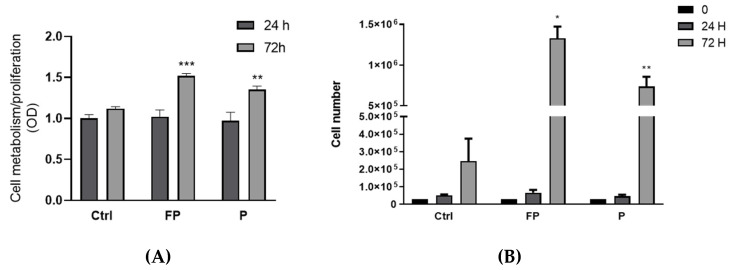
Accumulating evidence suggests that high consumption of natural antioxidants promotes health by reducing oxidative stress and, thus, the risk of developing cardiovascular diseases. Similarly, fermentation of natural compounds with lactic acid bacteria (LAB), such as , enhances their beneficial properties as regulators of the immune, digestive, and cardiovascular system. We investigated the effects of fermentation with on the antioxidant and immunomodulatory effects of Pushgay berries (, Ericaceae family) in human umbilical vein endothelial cells (HUVECs) and macrophage cell line RAW264.7. Polyphenol content was assayed by Folin-Ciocalteu and HPLC-MS/MS analysis. The effects of berries solutions on cell viability or proliferation were assessed by WST8 (2-(2-methoxy-4-nitrophenyl)-3-(4-nitrophenyl)-5-(2,4-disulfophenyl)-2H-tetrazolium, monosodium salt and Lactate dehydrogenase (LDH) release, Trypan blue exclusion test, and Alamar blue assay. Antioxidant activity was evaluated by a cell-based chemiluminescent probe for the detection of intracellular HO production in HUVECs. Heme oxygenase-1 (HO-1) expression levels were investigated by RT-qPCR. Glutathione reductase (GR), glutathione peroxidase (Gpx), superoxide dismutase (SOD), and catalase (CAT) activities, as markers of intracellular antioxidant defense, were evaluated by spectrophotometric analysis. The immunomodulatory activity was examined in RAW 264.7 by quantification of inducible nitric oxide synthase (iNOS) and Tumor Necrosis Factor-alpha (TNFα) by RT-qPCR. Data showed that fermentation of Pushgay berries () enhances the content of quercetin aglycone, and () increases their intracellular antioxidant activity, as indicated by the reduction in HO-induced cell death and the decrease in HO-induced HO-1 gene expression in HUVECs treated for 24 h with fermented berries solution (10 µg/mL). Moreover, treatment with Pushgay berries for 72 h (10 µg/mL) promotes cells growth in RAW 264.7, and only fermented Pushgay berries increase the expression of iNOS in the same cell line. Taken together, our results show that LAB fermentation of Pushgay berries enhances their antioxidant and immunomodulatory properties.
越来越多的证据表明,高消费天然抗氧化剂通过减少氧化应激,从而降低患心血管疾病的风险,促进健康。同样,利用乳酸菌(LAB)发酵天然化合物,如,增强了它们作为免疫、消化和心血管系统调节剂的有益特性。我们研究了发酵对沙棘浆果(沙棘,虎耳草科)在人脐静脉内皮细胞(HUVEC)和巨噬细胞 RAW264.7 细胞系中的抗氧化和免疫调节作用的影响。多酚含量通过 Folin-Ciocalteu 和 HPLC-MS/MS 分析进行测定。通过 WST8(2-(2-甲氧基-4-硝基苯基)-3-(4-硝基苯基)-5-(2,4-二磺基苯基)-2H-四唑,单钠盐和乳酸脱氢酶(LDH)释放、台盼蓝排除试验和 Alamar 蓝测定来评估浆果溶液对细胞活力或增殖的影响。通过细胞化学发光探针检测细胞内 HO 生成来评估抗氧化活性。通过 RT-qPCR 研究血红素加氧酶-1(HO-1)的表达水平。通过分光光度分析评估谷胱甘肽还原酶(GR)、谷胱甘肽过氧化物酶(Gpx)、超氧化物歧化酶(SOD)和过氧化氢酶(CAT)等细胞内抗氧化防御标志物的活性。通过 RAW 264.7 中诱导型一氧化氮合酶(iNOS)和肿瘤坏死因子-α(TNFα)的定量评估来研究免疫调节活性。结果表明,发酵沙棘浆果增强了槲皮素苷元的含量,并且()增加了其细胞内抗氧化活性,如 24 小时用发酵浆果溶液(10μg/mL)处理的 HUVEC 中 HO 诱导的细胞死亡减少和 HO 诱导的 HO-1 基因表达减少所表明的那样。此外,72 小时(10μg/mL)用沙棘浆果处理可促进 RAW 264.7 细胞的生长,并且仅发酵的沙棘浆果可增加同一细胞系中 iNOS 的表达。总之,我们的结果表明,LAB 发酵沙棘浆果增强了其抗氧化和免疫调节特性。