Translational Neuroscience Program, Department of Psychiatry, School of Medicine, University of Pittsburgh, Pittsburgh, Pennsylvania; Center for Neuroscience, University of Pittsburgh, Pittsburgh, Pennsylvania.
Department of Biostatistics, Graduate School of Public Health, University of Pittsburgh, Pittsburgh, Pennsylvania.
Biol Psychiatry. 2022 Jul 1;92(1):68-80. doi: 10.1016/j.biopsych.2022.02.007. Epub 2022 Feb 18.
Substance use disorders are associated with disruptions in circadian rhythms. Both human and animal work have shown the integral role for circadian clocks in the modulation of reward behaviors. Astrocytes have emerged as key regulators of circadian rhythmicity. However, no studies to date have identified the role of circadian astrocyte function in the nucleus accumbens (NAc), a hub for reward regulation, or determined the importance of these rhythms for reward-related behavior.
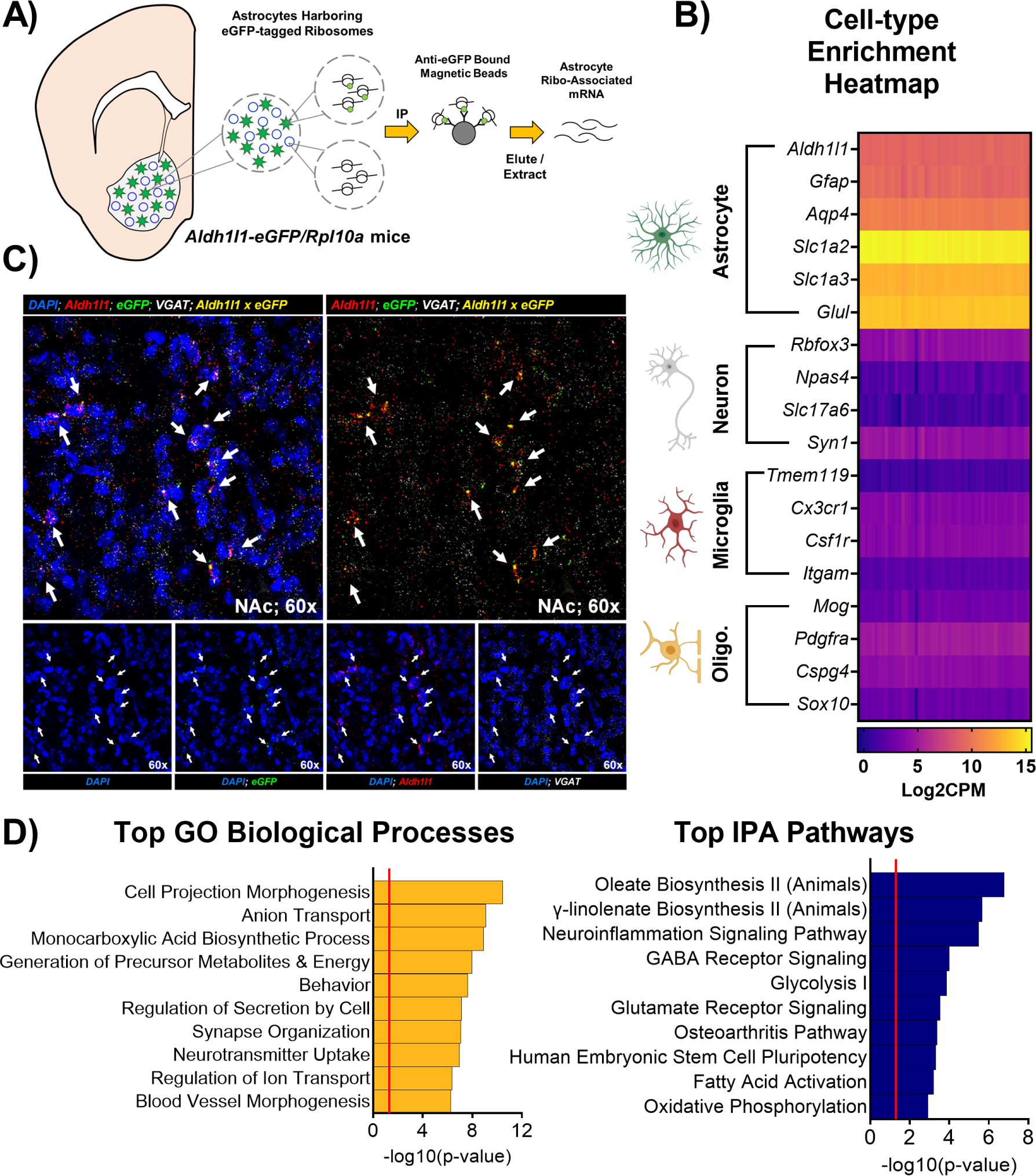
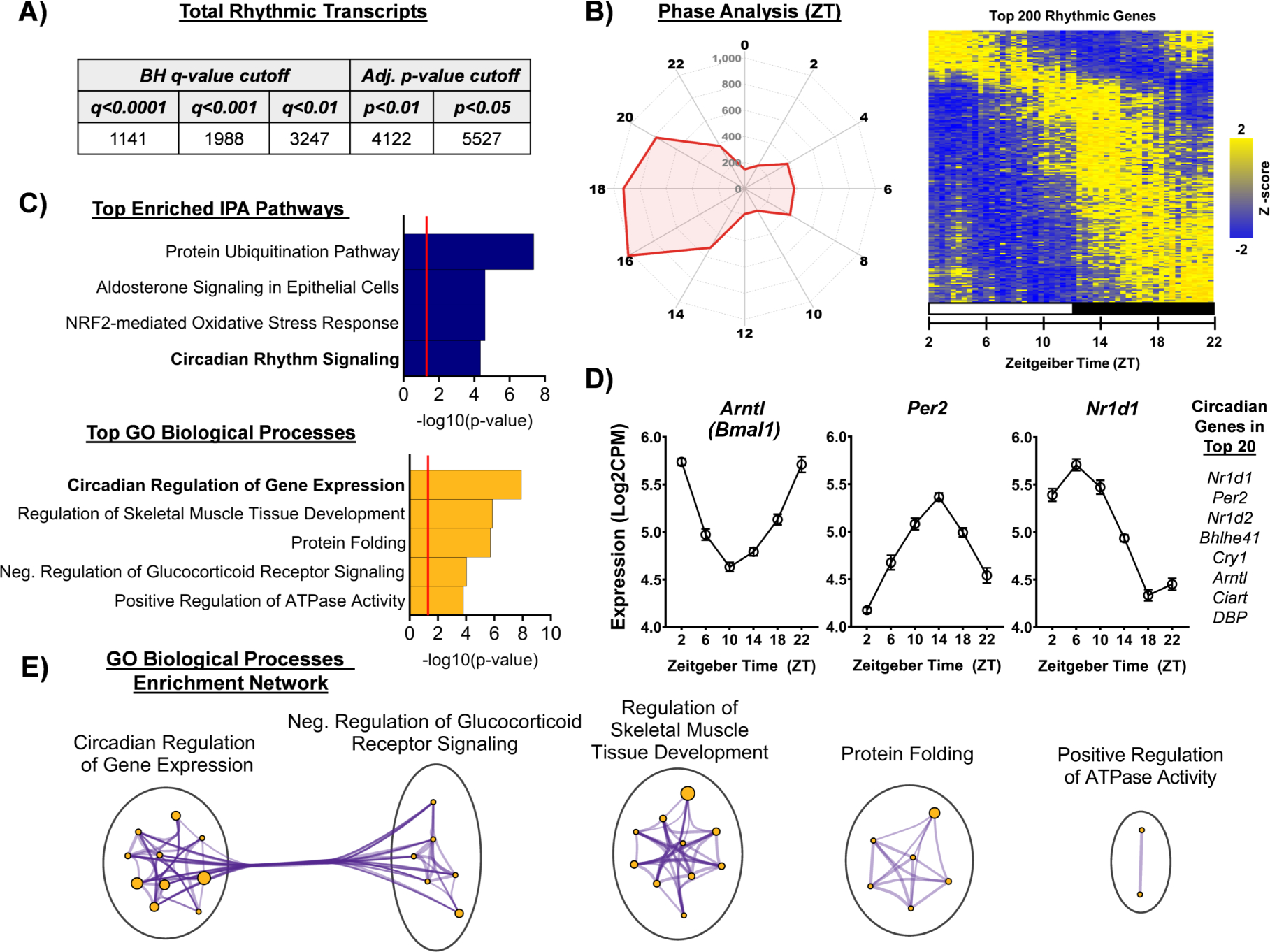
Using astrocyte-specific RNA sequencing across time of day, we first characterized diurnal variation of the NAc astrocyte transcriptome. We then investigated the functional significance of this circadian regulation through viral-mediated disruption of molecular clock function in NAc astrocytes, followed by assessment of reward-related behaviors, metabolic-related molecular assays, and whole-cell electrophysiology in the NAc.
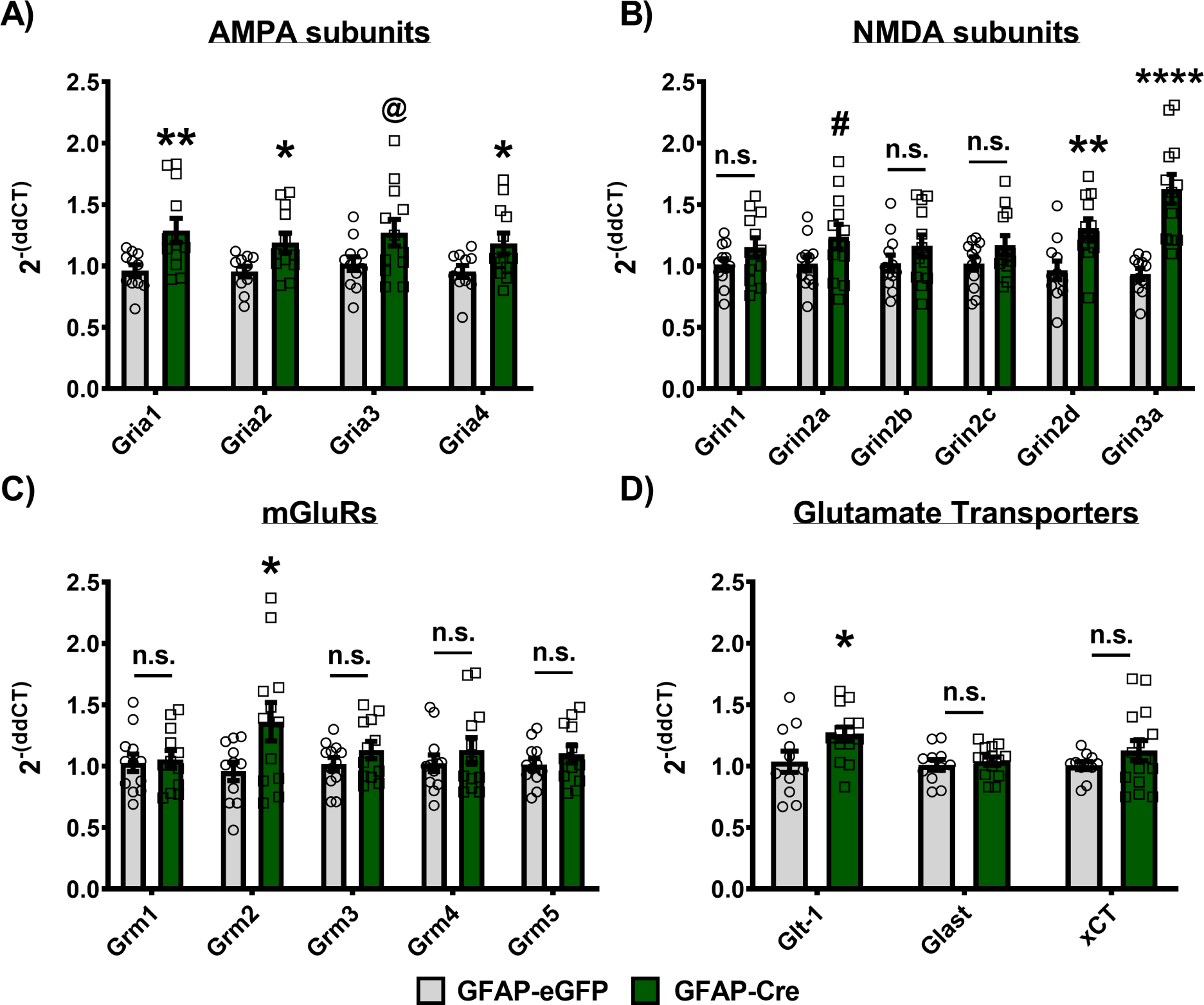
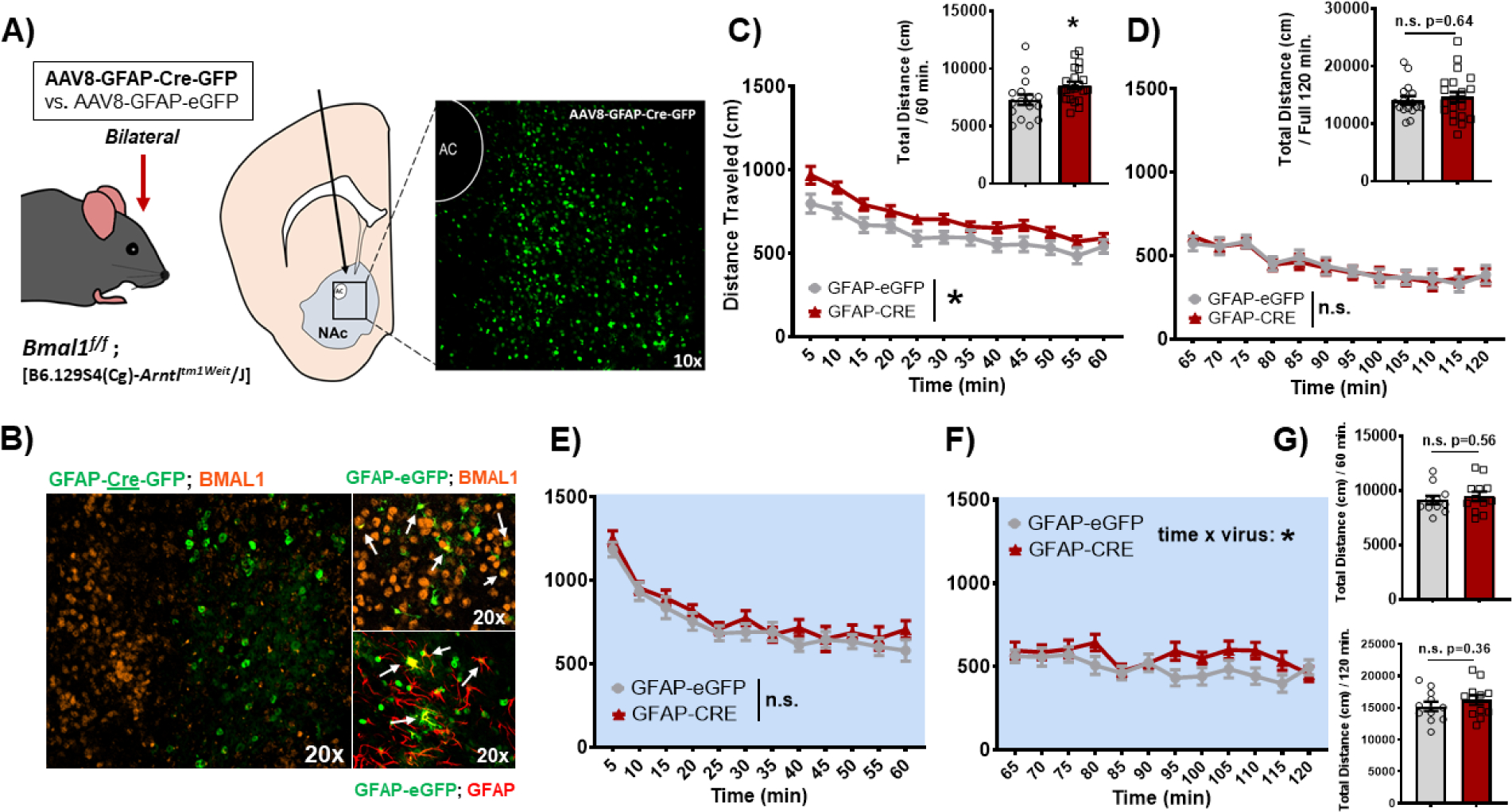
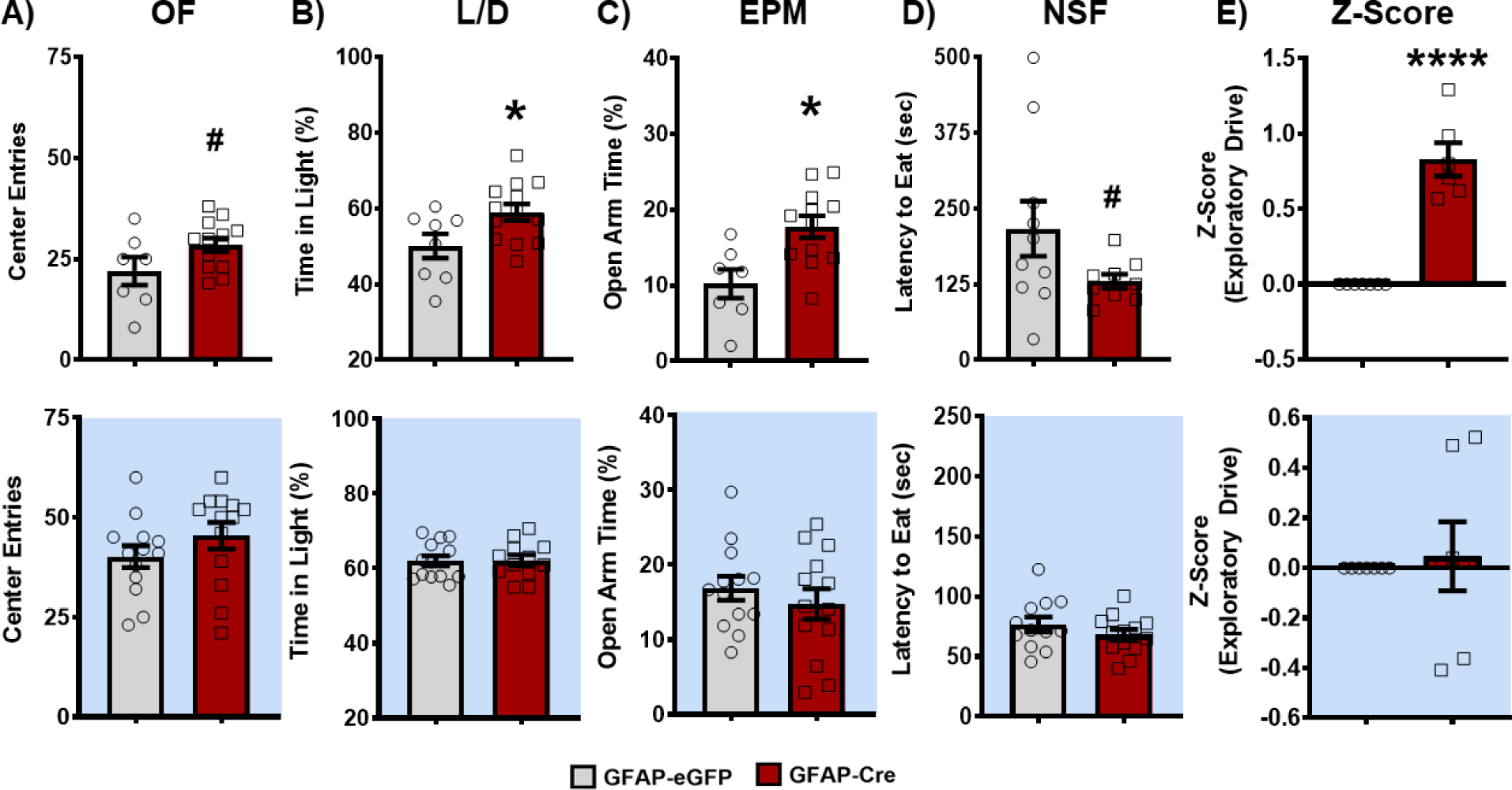
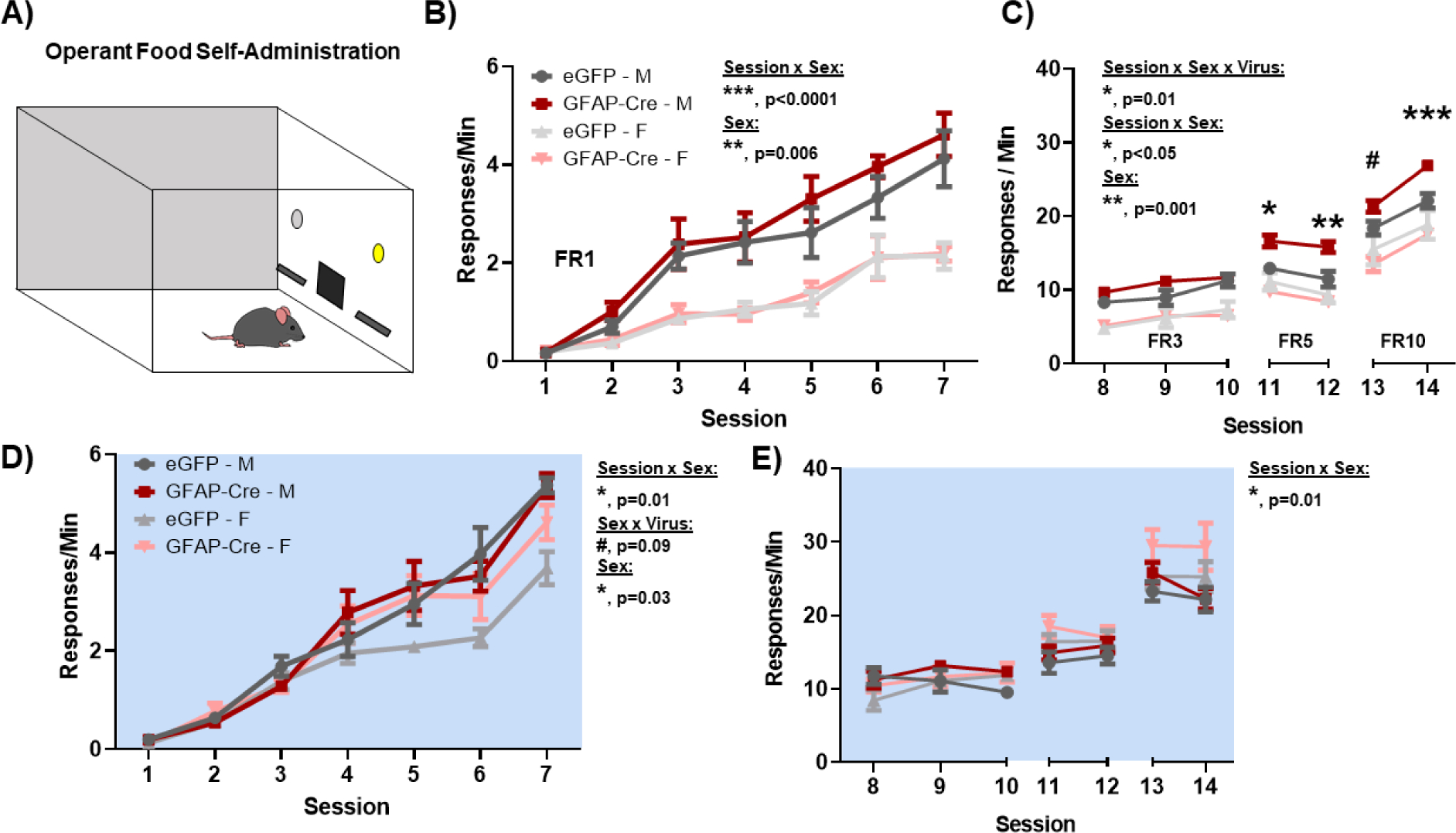
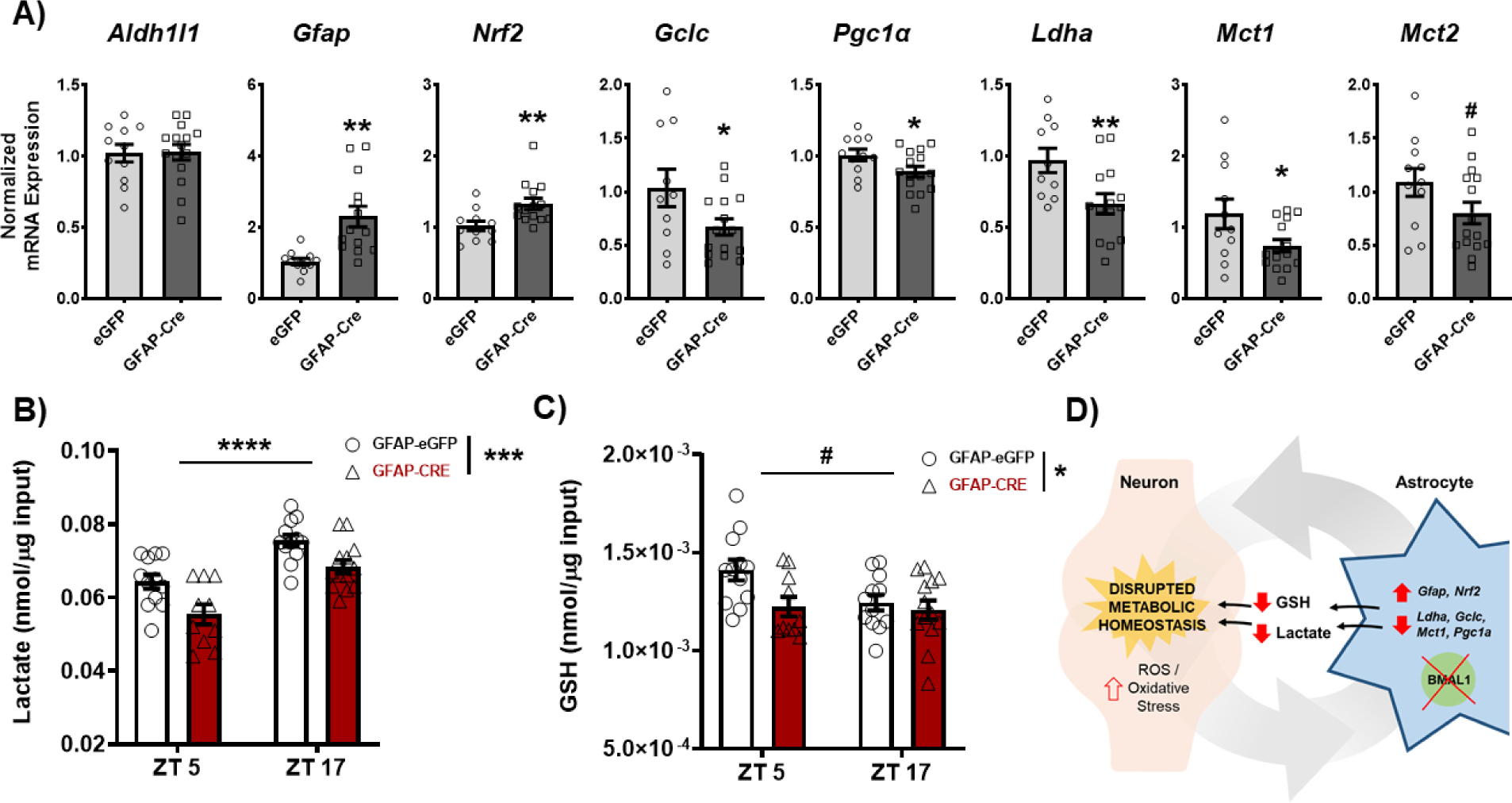
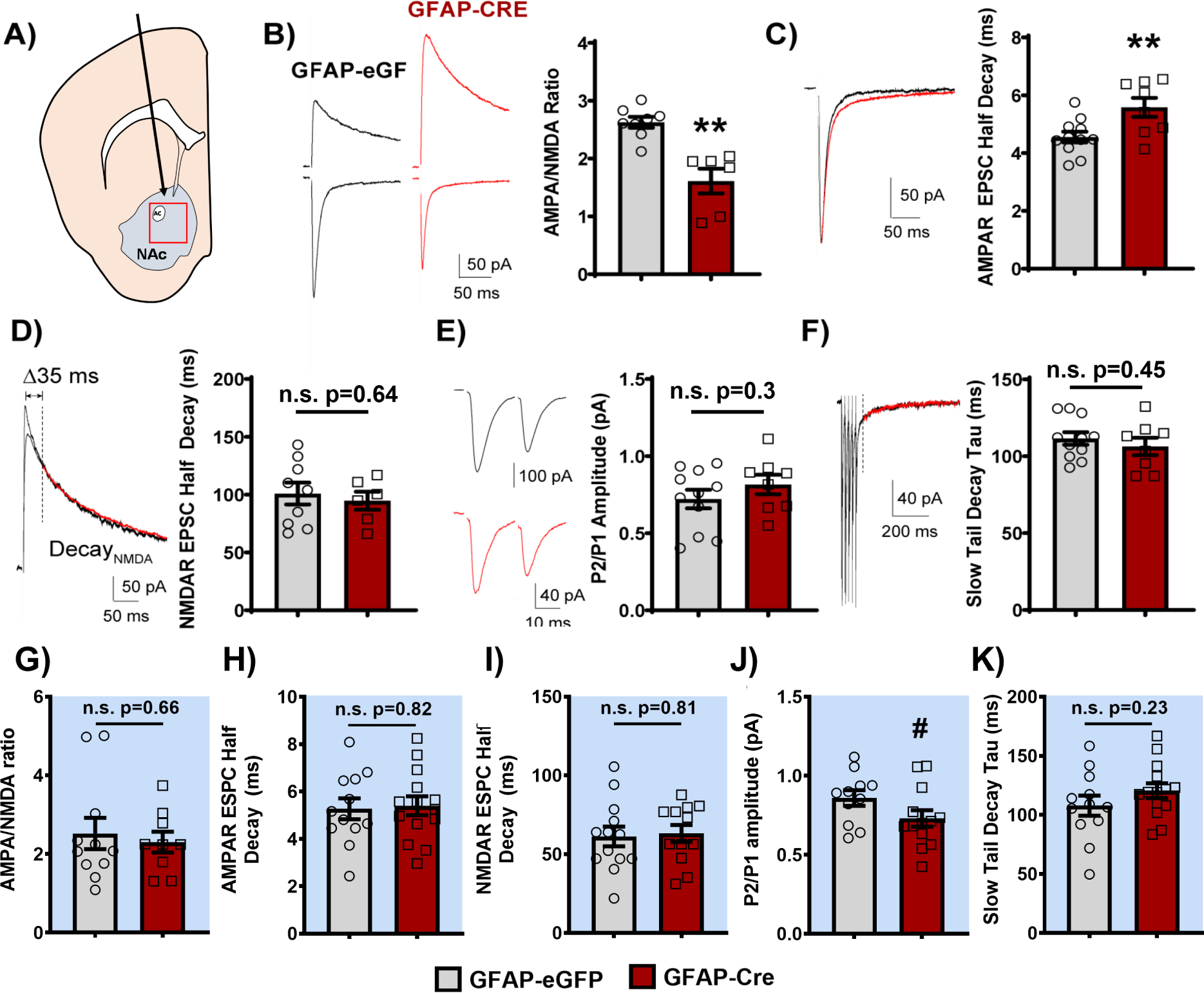
Strikingly, approximately 43% of the astrocyte transcriptome has a diurnal rhythm, and key metabolic pathways were enriched among the top rhythmic genes. Moreover, mice with a viral-mediated loss of molecular clock function in NAc astrocytes show a significant increase in locomotor response to novelty, exploratory drive, operant food self-administration, and motivation. At the molecular level, these animals also show disrupted metabolic gene expression, along with significant downregulation of both lactate and glutathione levels in the NAc. Loss of NAc astrocyte clock function also significantly altered glutamatergic signaling onto neighboring medium spiny neurons, alongside upregulated glutamate-related gene expression.
Taken together, these findings demonstrate a novel role for astrocyte circadian molecular clock function in the regulation of the NAc and reward-related behaviors.
物质使用障碍与昼夜节律紊乱有关。人类和动物的研究都表明,生物钟在调节奖励行为方面起着重要作用。星形胶质细胞已成为昼夜节律调节的关键调节因子。然而,迄今为止,尚无研究确定生物钟星形胶质细胞功能在伏隔核(NAc)中的作用,NAc 是调节奖励的枢纽,也没有确定这些节律对与奖励相关的行为的重要性。
我们首先通过全天的星形胶质细胞特异性 RNA 测序,描述了 NAc 星形胶质细胞转录组的昼夜变化。然后,我们通过病毒介导的 NAc 星形胶质细胞分子钟功能破坏来研究这种节律调节的功能意义,随后评估与奖励相关的行为、代谢相关的分子测定和 NAc 的全细胞电生理学。
引人注目的是,大约 43%的星形胶质细胞转录组具有昼夜节律,关键代谢途径在顶级节律基因中富集。此外,NAc 星形胶质细胞中分子钟功能丧失的病毒介导的小鼠对新奇的运动反应、探索性驱动力、操作性食物自我给药和动机显著增加。在分子水平上,这些动物还表现出代谢基因表达失调,以及 NAc 中乳酸和谷胱甘肽水平的显著下调。NAc 星形胶质细胞时钟功能的丧失也显著改变了邻近的中脑神经元上的谷氨酸能信号传递,同时谷氨酸相关基因表达上调。
总之,这些发现表明星形胶质细胞昼夜分子时钟功能在调节 NAc 和与奖励相关的行为方面具有新的作用。