Wu Hao, Hu Tingzi, Zhang Linfang, Xia Xiujuan, Liu Xuanyou, Zhu Qiang, Wang Meifang, Sun Zhe, Hao Hong, Cui Yuqi, Parrish Alan R, Li De-Pei, Hill Michael A, Xu Canxia, Liu Zhenguo
Center for Precision Medicine and Division of Cardiovascular Medicine, University of Missouri School of Medicine, Columbia, MO, United States.
Department of Gastroenterology, Third Xiangya Hospital, Central South University, Changsha, China.
Front Cardiovasc Med. 2022 Apr 7;9:871335. doi: 10.3389/fcvm.2022.871335. eCollection 2022.
Inflammatory bowel disease (IBD) produces significant local and systemic inflammation with increased reactive oxygen species (ROS) formation. IBD Patients are at an increased risk for developing endothelial dysfunction and cardiovascular diseases. The present study tested the hypothesis that IBD impairs aortic endothelial function via ROS formation and investigate potential sex-related differences.
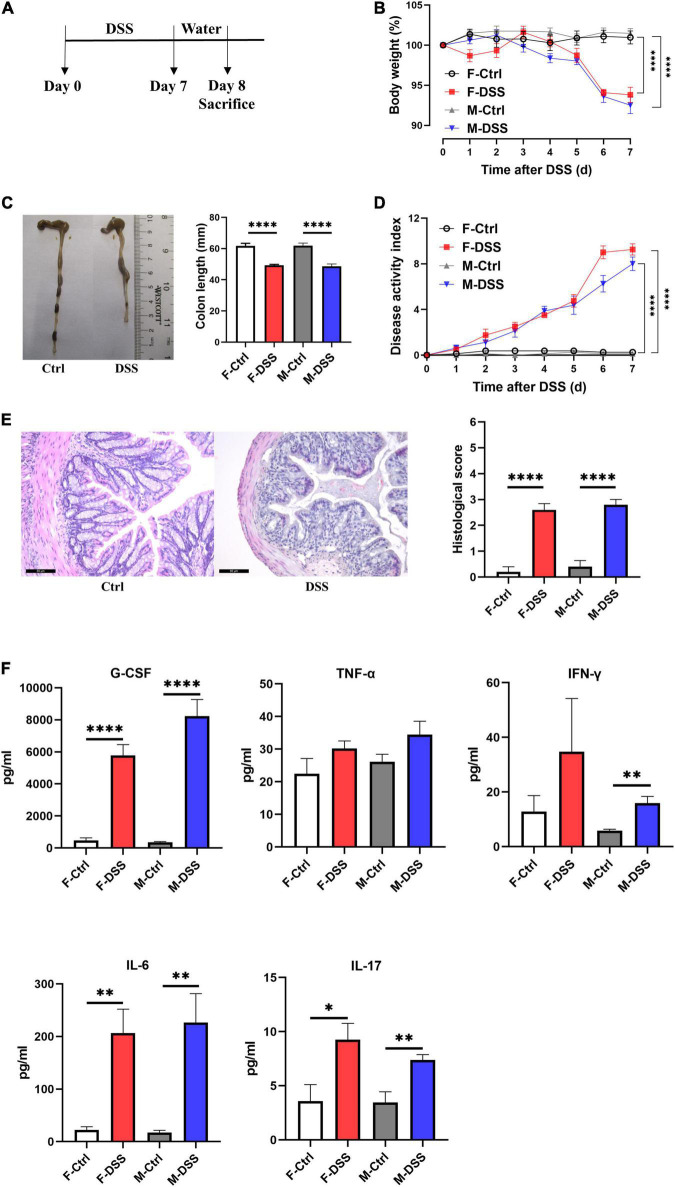
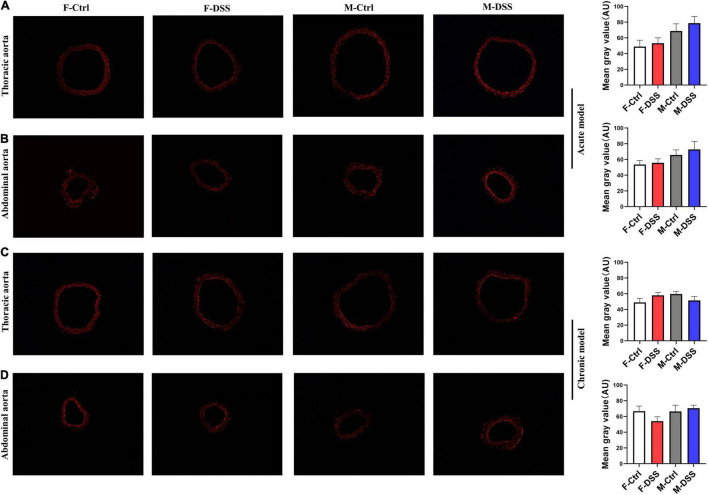
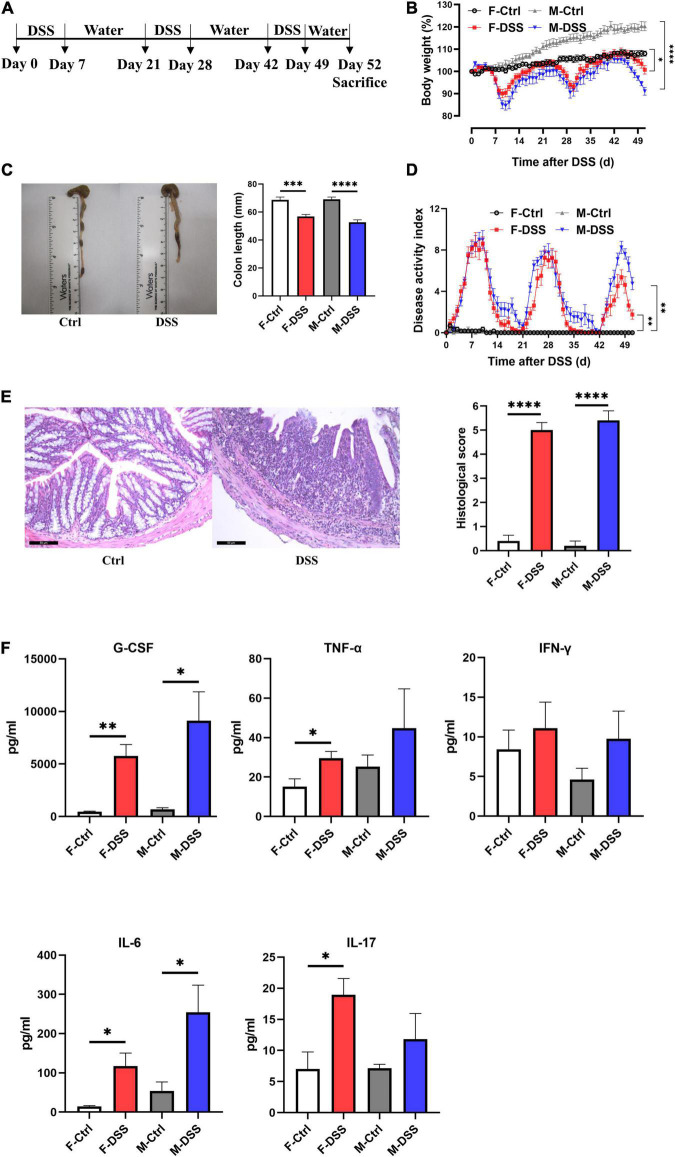
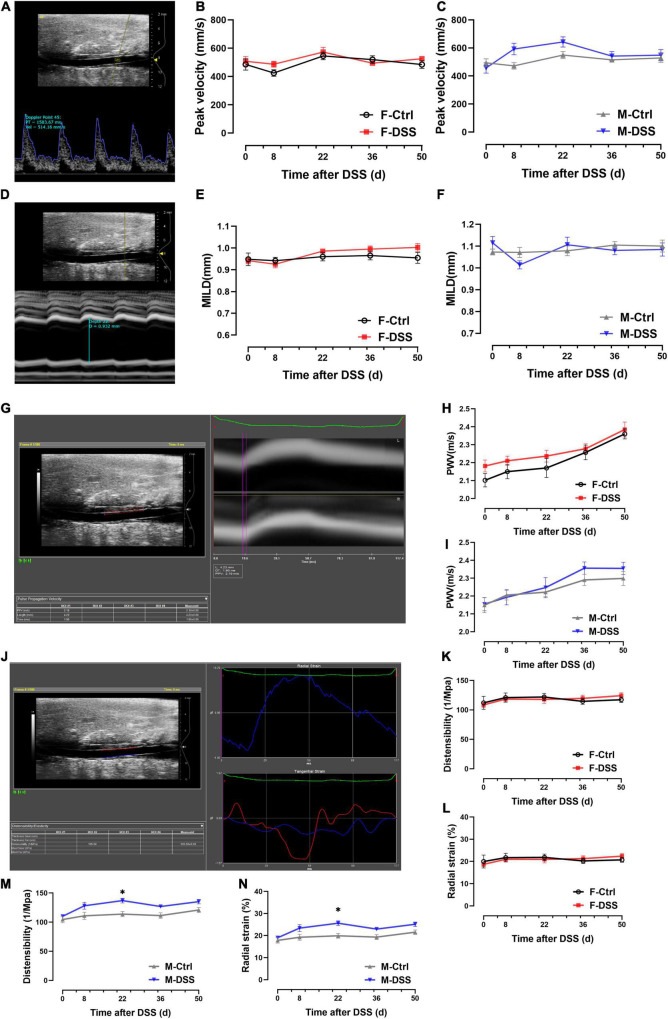
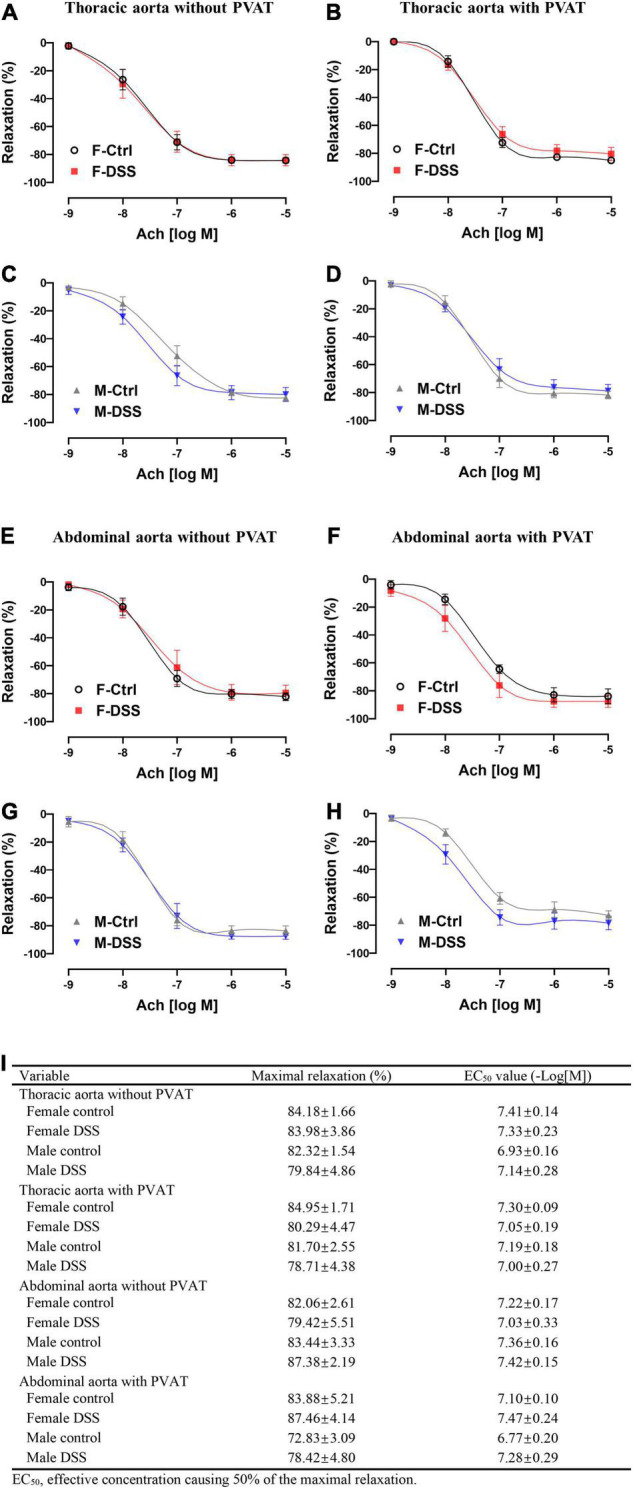
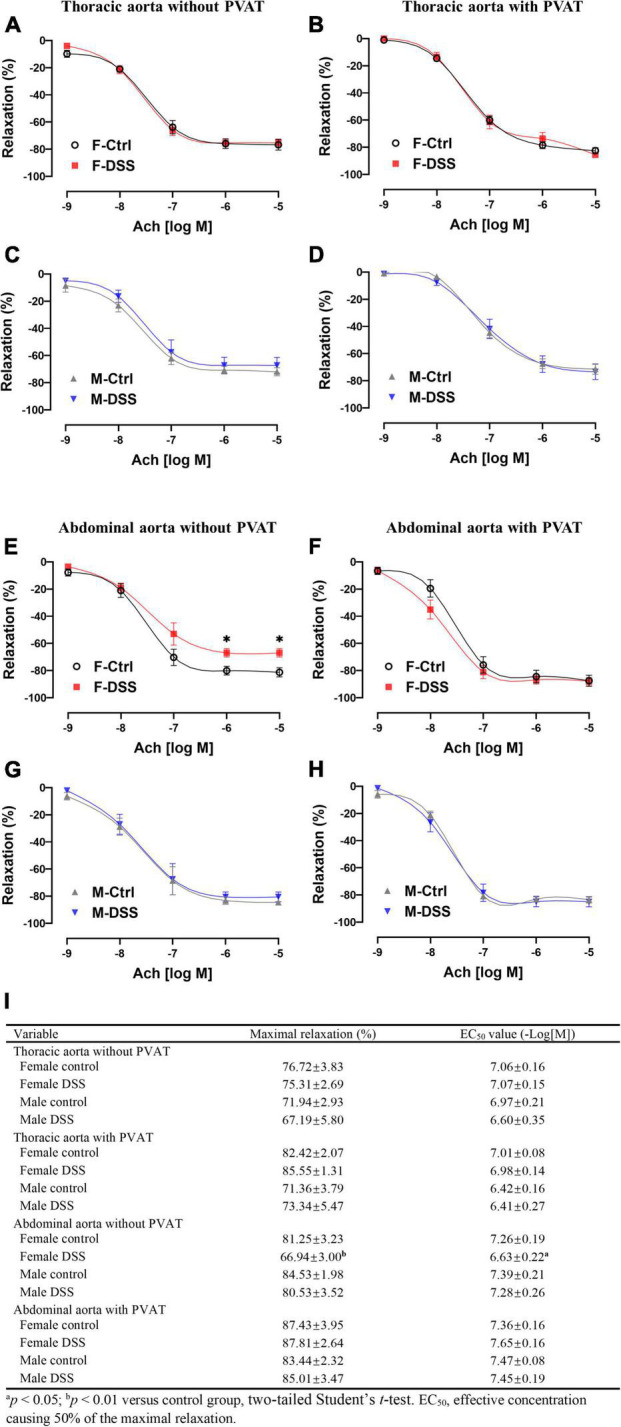
Acute and chronic colitis models were induced in male and female C57BL/6 mice with dextran sodium sulfate (DSS) treatment. Aortic wall stiffness, endothelial function, and ROS levels, as well as serum levels of pro-inflammatory cytokines were evaluated. Acetylcholine (Ach)-induced endothelium-dependent relaxation of abdominal aorta without perivascular adipose tissue (PVAT) was significantly reduced in female mice, not males, with chronic colitis without a change in nitroglycerin-induced endothelium-independent relaxation. PVAT effectively preserved Ach-induced relaxation in abdominal aorta of female mice with chronic colitis. Aortic peak velocity, maximal intraluminal diameters, pulse wave velocity, distensibility and radial strain were preserved in mice with both acute and chronic colitis. Although pro-inflammatory cytokines levels were increased in mice with acute and chronic colitis, aortic ROS levels were not increased.
The data demonstrate that abdominal aortic endothelial function was attenuated selectively in female mice with chronic colitis independent of ROS formation. Further, PVAT played an important role in preserving endothelial function in female mice with chronic colitis.
炎症性肠病(IBD)会引发显著的局部和全身炎症,活性氧(ROS)生成增加。IBD患者发生内皮功能障碍和心血管疾病的风险升高。本研究检验了IBD通过ROS生成损害主动脉内皮功能这一假说,并调查潜在的性别相关差异。
用葡聚糖硫酸钠(DSS)处理雄性和雌性C57BL/6小鼠,诱导急性和慢性结肠炎模型。评估主动脉壁硬度、内皮功能、ROS水平以及促炎细胞因子的血清水平。在患有慢性结肠炎的雌性小鼠而非雄性小鼠中,乙酰胆碱(Ach)诱导的无血管周围脂肪组织(PVAT)的腹主动脉内皮依赖性舒张显著降低,而硝酸甘油诱导的非内皮依赖性舒张无变化。PVAT有效保留了患有慢性结肠炎的雌性小鼠腹主动脉中Ach诱导的舒张。患有急性和慢性结肠炎的小鼠的主动脉峰值速度、最大管腔直径、脉搏波速度、扩张性和径向应变均得以保留。虽然患有急性和慢性结肠炎的小鼠促炎细胞因子水平升高,但主动脉ROS水平未升高。
数据表明,患有慢性结肠炎的雌性小鼠腹主动脉内皮功能选择性减弱,与ROS生成无关。此外,PVAT在保留患有慢性结肠炎的雌性小鼠的内皮功能方面发挥了重要作用。