Jadhav Sunit V, Bharambe Vaishaly K, Pathak Varun S, Khurjekar Ananya P, Navandar Raghav L, K Arunprasad V
Anatomy, Symbiosis Medical College for Women, Pune, IND.
Anatomy, Byramjee Jeejeebhoy Government Medical College and Sassoon General Hospital, Pune, IND.
Cureus. 2022 Mar 11;14(3):e23081. doi: 10.7759/cureus.23081. eCollection 2022 Mar.
The teaching of human anatomy, a medical subject that relies heavily on live teaching, teacher-student interactivity, and visuospatial skills, has suffered tremendously since the COVID-19 pandemic mandated the shutting down of medical institutions. The medical education fraternity was compelled to replace the traditional teaching method of hands-on cadaveric dissections (HOCDs) with online education to overcome this new challenge, but it came at the cost of reduced student engagement and lesser spatial orientation.
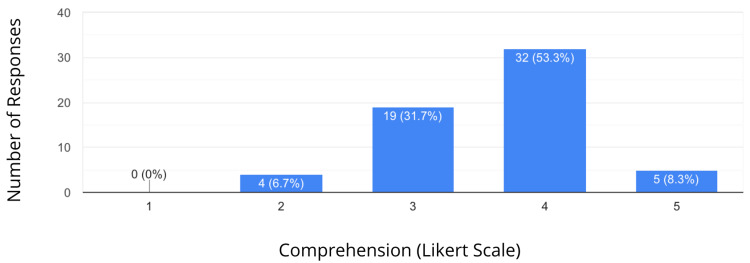
In this cross-sectional, questionnaire-based study, we designed a novel online dissection course on lower limb anatomy and collected student feedback on the same from consenting Phase I Bachelor of Medicine, Bachelor of Surgery (MBBS) students of Symbiosis Medical College for Women, Pune, India. The course design consisted of three different modes: a live Zoom session using a handheld camera phone, a pre-recorded video dissection uploaded on the institute learning management system, and a Powerpoint presentation with high-resolution photographs of each dissected layer; and the feedback intended to find out what works best for the students. Overall feedback regarding their preferences in terms of presentation design, use of background music in pre-recorded videos, and overall learning experience was also collected. The course consisted of six two-hour teaching sessions. The first three sessions each used a different mode of teaching, repeating the same pattern in the next three sessions. The first mode of teaching implemented was a live Zoom session where instructors used a hand-held cell phone camera to show specimens that had been dissected a day prior. The second mode involved a pre-recorded video showing step-by-step dissection performed by the instructor which was then uploaded on the Institute Learning Management System. Of the two pre-recorded videos, background music consisting of a low-volume instrumental track was added to the second video. The third mode utilized Powerpoint presentations containing high-resolution photographs of each dissected layer on a separate slide along with labeling. The presentations were shown to the students over a Zoom call. A Google Form (GF) questionnaire was created after validation by subject experts to gather the students' feedback on the teaching and learning of anatomy via these sessions. The GF responses were collected and analyzed using Microsoft Excel.
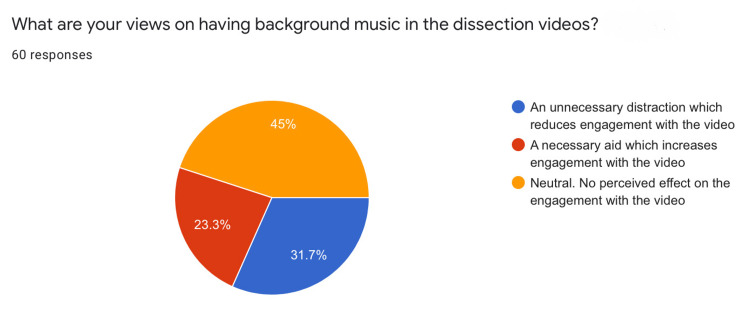
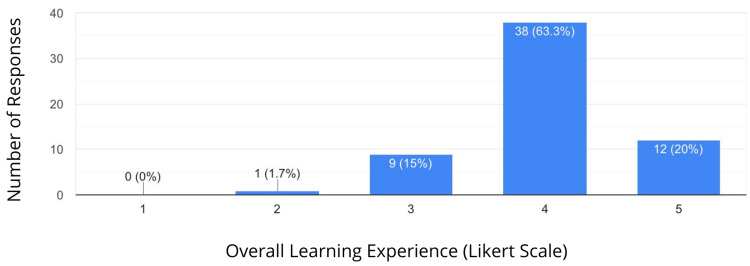
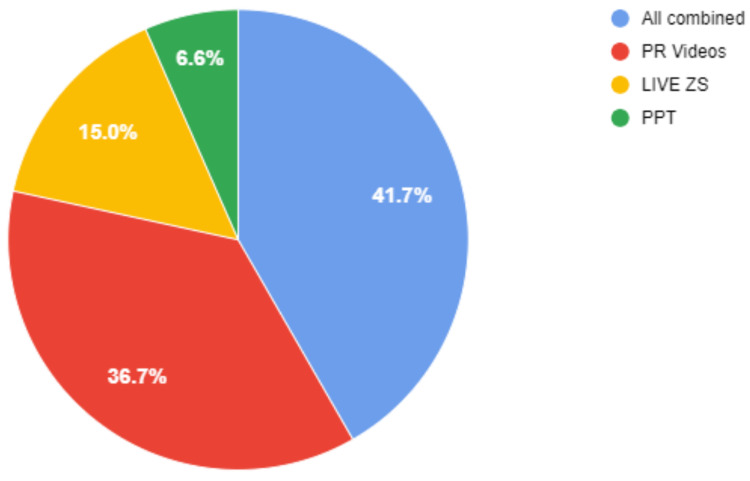
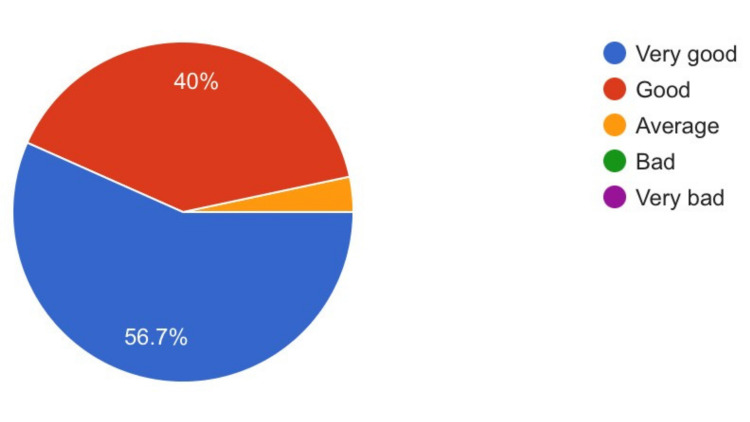
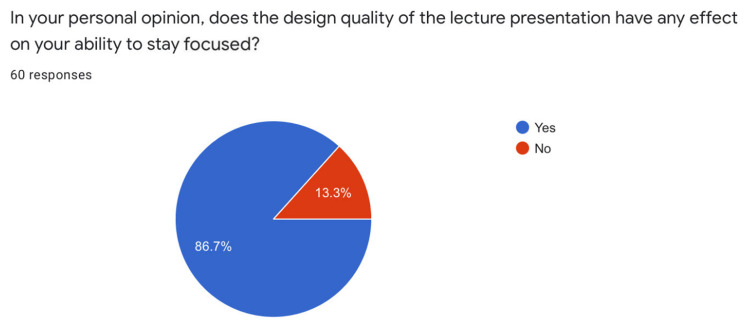
41.7% of students recommended the use of a combination of all three modes in the same session, while 36.7% favored pre-recorded videos. 86.7% of students said that a good quality presentation design helps in keeping them engaged and only 23% of students favored the use of background music for increasing their ability to concentrate. 63.3% of students found the learning experience highly satisfactory.
Although virtual dissection teaching methods may not be able to completely replace HOCDs, a well-planned online dissection course incorporating multiple modes of online dissections with an emphasis on good quality presentation design and frequent teacher-student interactivity can provide a strong impetus for learning in the absence of live teaching methods.
人体解剖学教学严重依赖现场教学、师生互动和视觉空间技能。自新冠疫情导致医疗机构关闭以来,人体解剖学教学受到了极大影响。医学教育界被迫用在线教育取代传统的尸体解剖实践教学方法,以应对这一新挑战,但这是以学生参与度降低和空间定向能力减弱为代价的。
在这项基于问卷调查的横断面研究中,我们设计了一门关于下肢解剖学的新型在线解剖课程,并从印度浦那共生女子医学院同意参与的医学学士和外科学士(MBBS)一年级学生那里收集了关于该课程的反馈。课程设计包括三种不同模式:使用手持摄像手机的实时Zoom课程、上传到学院学习管理系统的预录制视频解剖以及带有各解剖层高分辨率照片的PowerPoint演示文稿;反馈旨在找出对学生最有效的方式。还收集了关于他们在演示文稿设计、预录制视频中背景音乐的使用以及整体学习体验方面偏好的总体反馈。该课程包括六个两小时的教学环节。前三个环节每个都采用不同的教学模式,后三个环节重复相同模式。实施的第一种教学模式是实时Zoom课程,教师使用手持手机摄像头展示前一天解剖的标本。第二种模式是一个预录制视频,展示教师进行的逐步解剖过程,然后上传到学院学习管理系统。在两个预录制视频中,第二个视频添加了由低音量器乐组成的背景音乐。第三种模式利用PowerPoint演示文稿,在单独的幻灯片上展示每个解剖层的高分辨率照片并进行标注。这些演示文稿通过Zoom会议展示给学生。在经过学科专家验证后创建了一份谷歌表单(GF)问卷,以收集学生对通过这些环节进行解剖学教学和学习的反馈。使用Microsoft Excel收集和分析GF的回复。
41.7%的学生建议在同一节课中结合使用所有三种模式,而36.7%的学生更喜欢预录制视频。86.7%的学生表示高质量的演示文稿设计有助于保持他们的参与度,只有23%的学生赞成使用背景音乐来提高他们的注意力。63.3%的学生对学习体验非常满意。
尽管虚拟解剖教学方法可能无法完全取代尸体解剖实践教学,但精心规划的在线解剖课程,结合多种在线解剖模式,强调高质量的演示文稿设计和频繁的师生互动,在缺乏现场教学方法的情况下,可以为学习提供强大动力。