Kamphuis Marije E, Kuipers Henny, Verschoor Jacqueline, van Hespen Johannes C G, Greuter Marcel J W, Slart Riemer H J A, Slump Cornelis H
Multi-Modality Medical Imaging (M3i) Group, Faculty of Science and Technology, Technical Medical Centre, University of Twente, P.O. Box 217, 7500 AE, Enschede, The Netherlands.
Robotics and Mechatronics (RaM) Group, Faculty of Electrical Engineering Mathematics and Computer Science, University of Twente, Enschede, The Netherlands.
EJNMMI Phys. 2022 Apr 25;9(1):31. doi: 10.1186/s40658-022-00458-y.
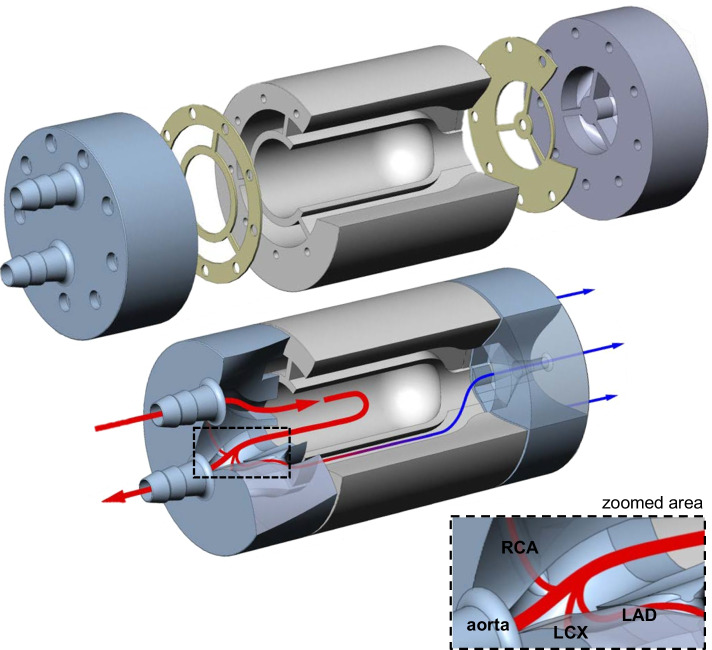
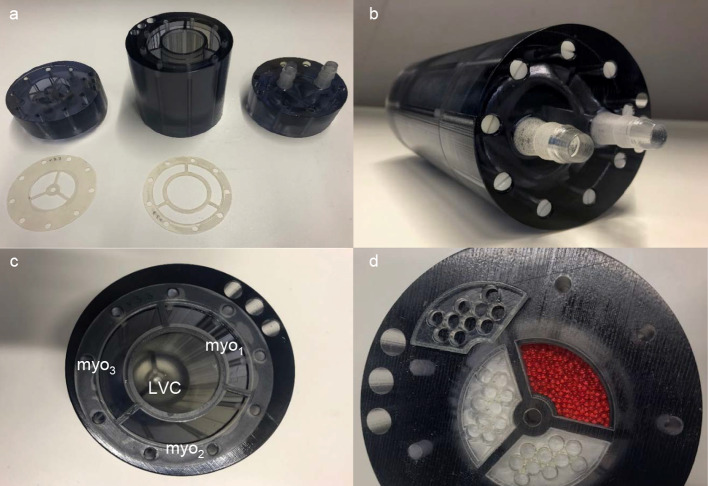
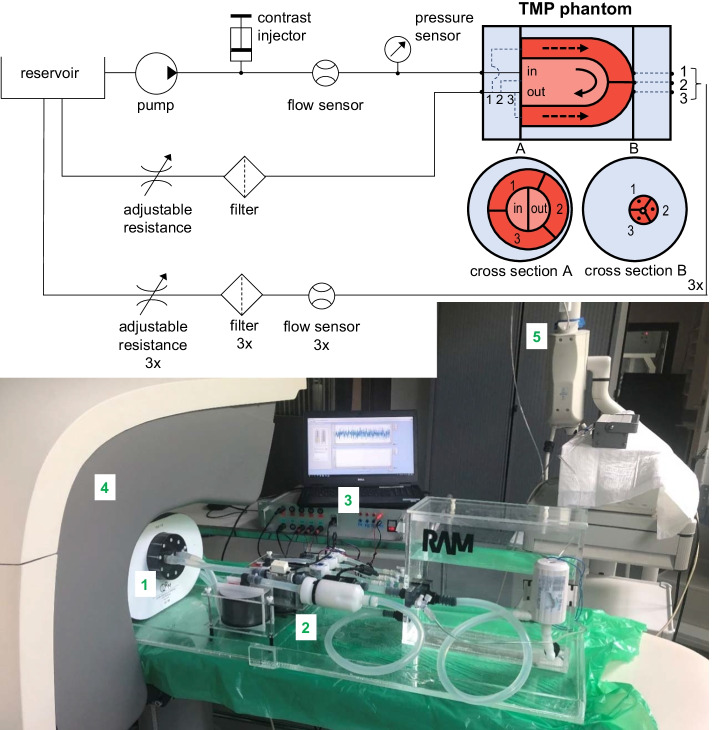
Absolute myocardial perfusion imaging (MPI) is beneficial in the diagnosis and prognosis of patients with suspected or known coronary artery disease. However, validation and standardization of perfusion estimates across centers is needed to ensure safe and adequate integration into the clinical workflow. Physical myocardial perfusion models can contribute to this clinical need as these can provide ground-truth validation of perfusion estimates in a simplified, though controlled setup. This work presents the design and realization of such a myocardial perfusion phantom and highlights initial performance testing of the overall phantom setup using dynamic single photon emission computed tomography.
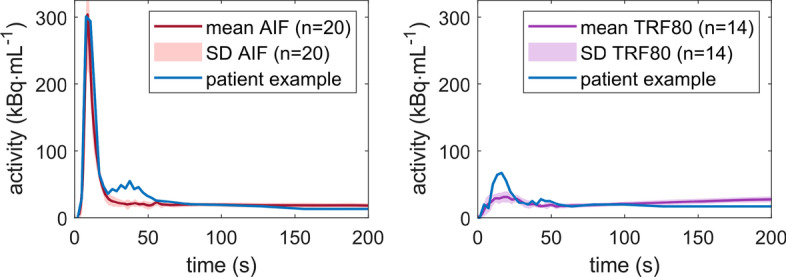
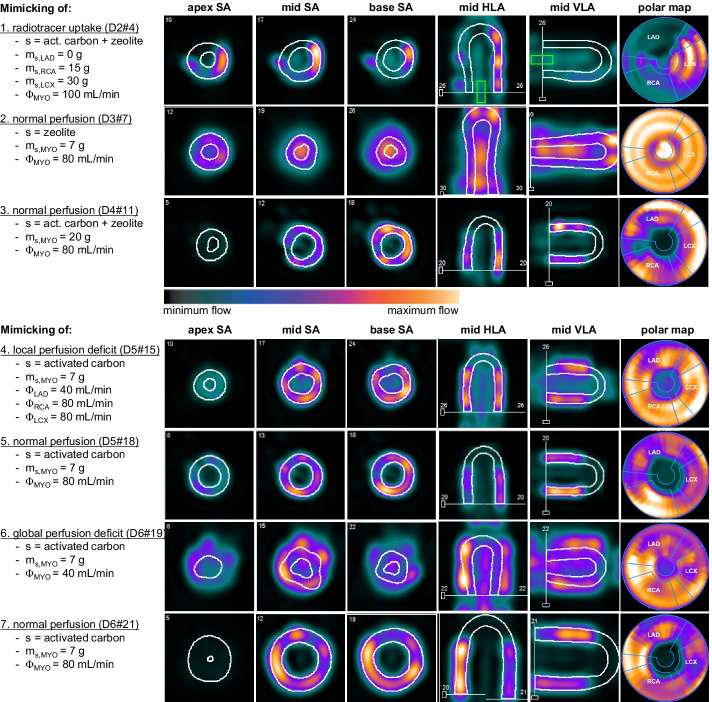
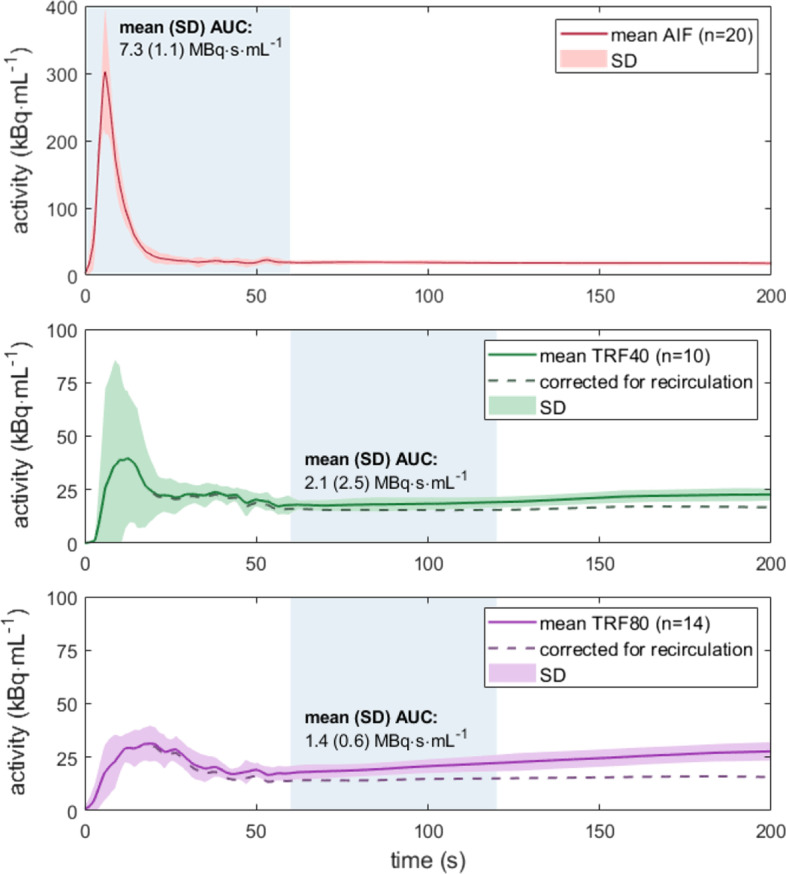
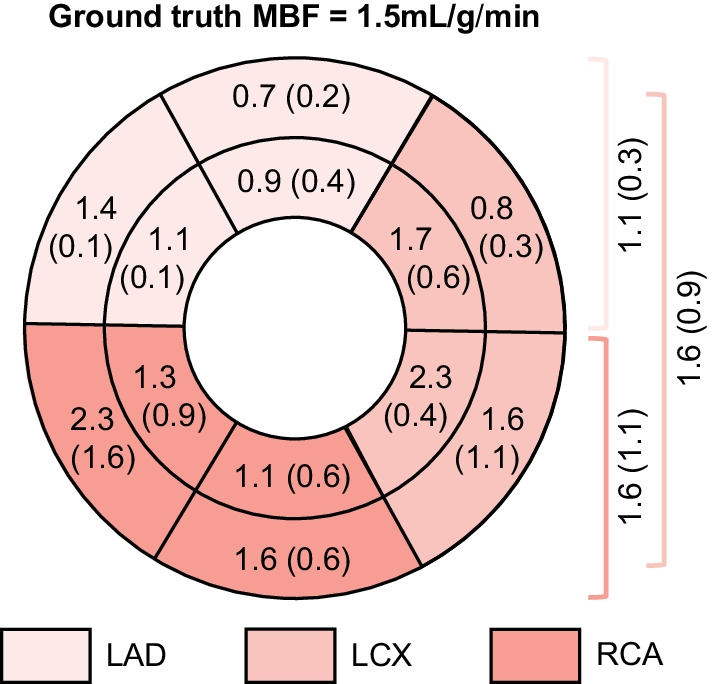
Due to anatomical and (patho-)physiological representation in the 3D printed myocardial perfusion phantom, we were able to acquire 22 dynamic MPI datasets in which Tc-labelled tracer kinetics was measured and analyzed using clinical MPI software. After phantom setup optimization, time activity curve analysis was executed for measurements with normal myocardial perfusion settings (1.5 mL/g/min) and with settings containing a regional or global perfusion deficit (0.8 mL/g/min). In these measurements, a specific amount of activated carbon was used to adsorb radiotracer in the simulated myocardial tissue. Such mimicking of myocardial tracer uptake and retention over time satisfactorily matched patient tracer kinetics. For normal perfusion levels, the absolute mean error between computed myocardial blood flow and ground-truth flow settings ranged between 0.1 and 0.4 mL/g/min.
The presented myocardial perfusion phantom is a first step toward ground-truth validation of multimodal, absolute MPI applications in the clinical setting. Its dedicated and 3D printed design enables tracer kinetic measurement, including time activity curve and potentially compartmental myocardial blood flow analysis.
绝对心肌灌注成像(MPI)对疑似或已知冠心病患者的诊断和预后有益。然而,需要对各中心的灌注估计进行验证和标准化,以确保安全且充分地融入临床工作流程。物理心肌灌注模型可满足这一临床需求,因为它们能在简化但可控的设置中为灌注估计提供真实的验证。本文介绍了这种心肌灌注体模的设计与实现,并重点展示了使用动态单光子发射计算机断层扫描对整个体模设置进行的初始性能测试。
由于3D打印的心肌灌注体模具有解剖学和(病理)生理学表现,我们能够获取22个动态MPI数据集,其中使用临床MPI软件测量和分析了锝标记示踪剂的动力学。在优化体模设置后,对正常心肌灌注设置(1.5 mL/g/min)以及包含局部或整体灌注不足的设置(0.8 mL/g/min)进行了时间-活度曲线分析。在这些测量中,使用特定量的活性炭在模拟心肌组织中吸附放射性示踪剂。这种对心肌示踪剂摄取和保留随时间变化的模拟与患者示踪剂动力学令人满意地匹配。对于正常灌注水平,计算得到的心肌血流量与真实血流设置之间的绝对平均误差在0.1至0.4 mL/g/min之间。
所呈现的心肌灌注体模是在临床环境中对多模态绝对MPI应用进行真实验证的第一步。其专门的3D打印设计能够进行示踪剂动力学测量,包括时间-活度曲线以及潜在的房室心肌血流量分析。