William Harvey Research Institute, Barts and The London School of Medicine and Dentistry, Queen Mary University of London, Charterhouse Square, London, United Kingdom. Research Institute, Queen Mary University of London, London, United Kingdom.
Centre for Inflammation and Therapeutic Innovation, Queen Mary University of London, Charterhouse Square, London, United Kingdom.
JCI Insight. 2022 May 23;7(10):e147814. doi: 10.1172/jci.insight.147814.
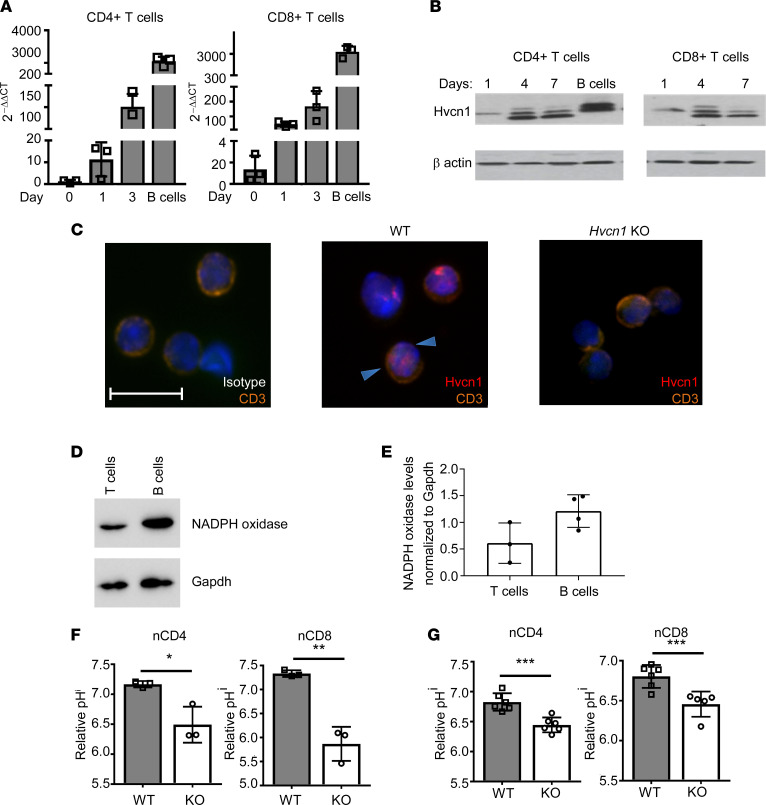
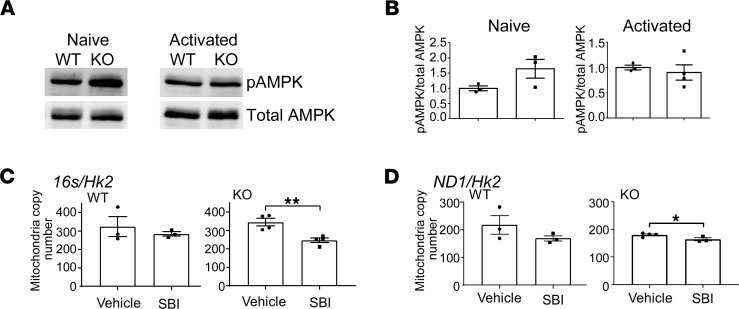
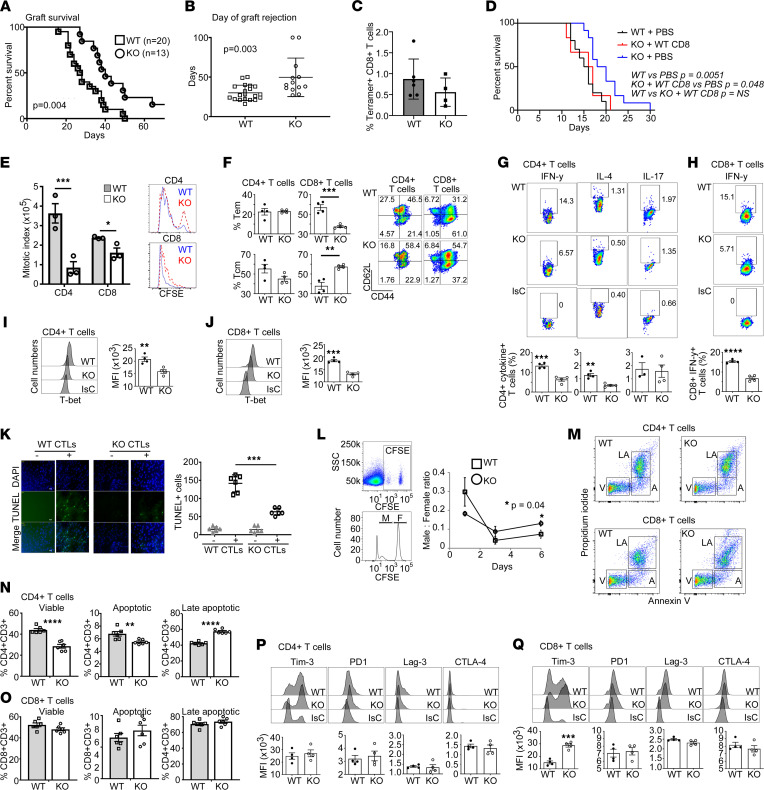
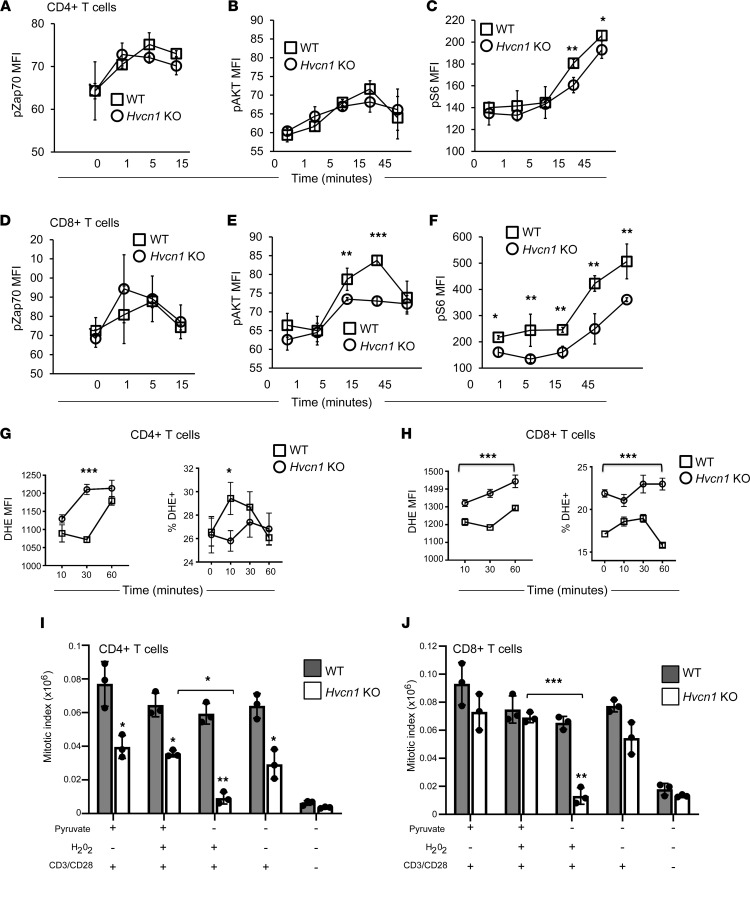
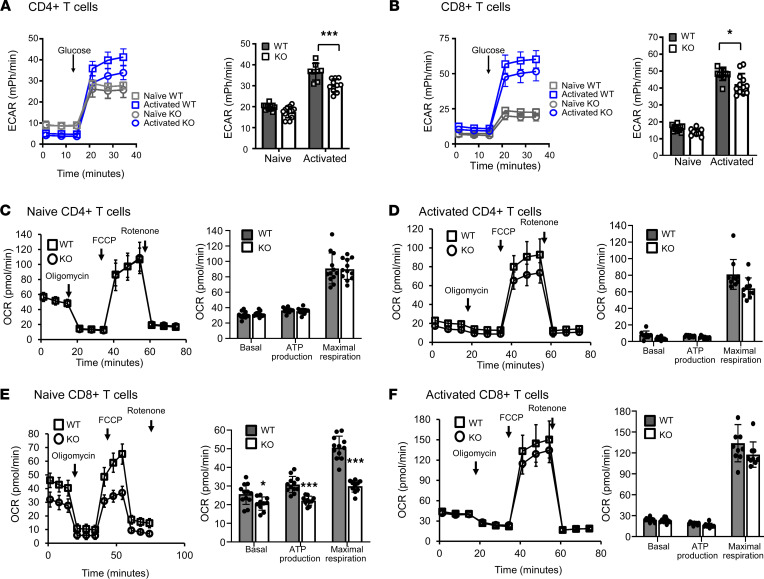
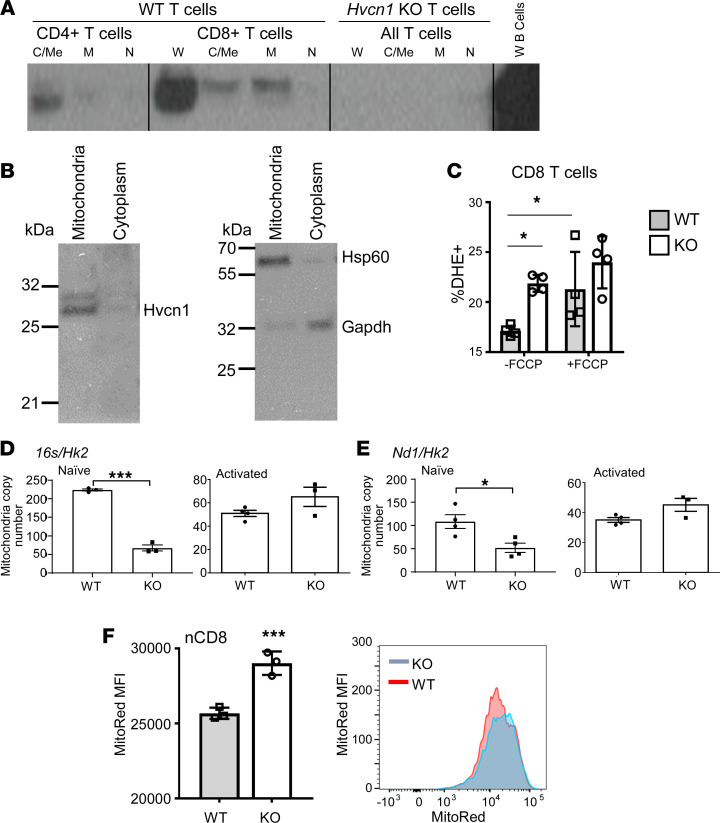
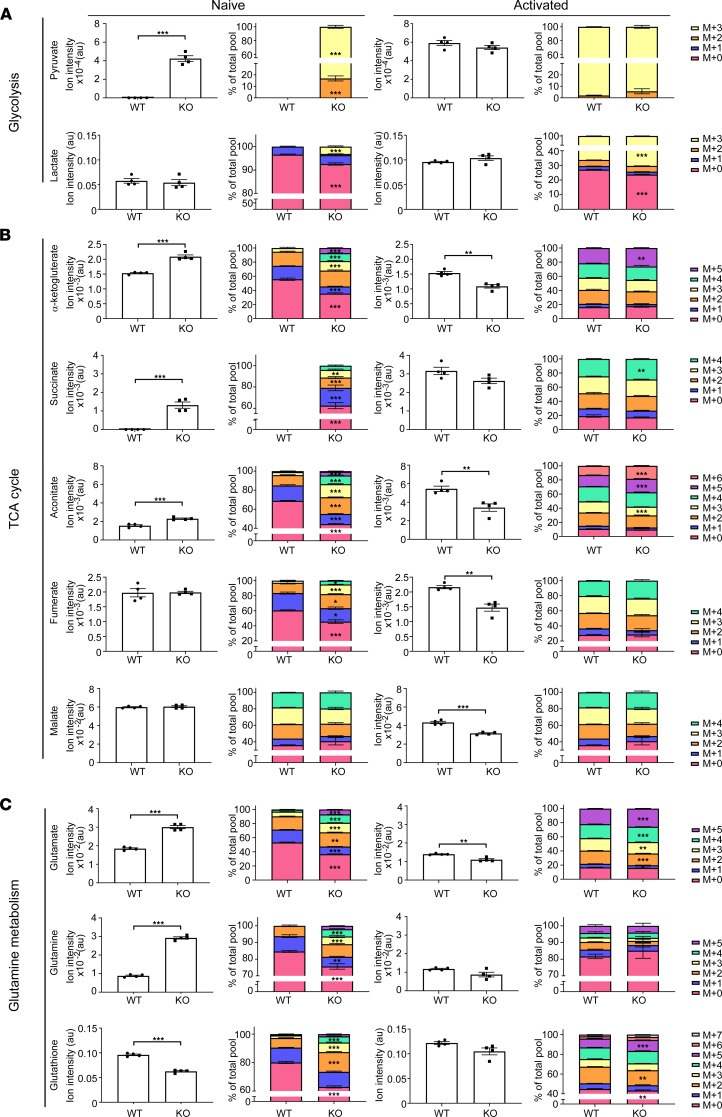
Voltage-gated hydrogen channel 1 (Hvcn1) is a voltage-gated proton channel, which reduces cytosol acidification and facilitates the production of ROS. The increased expression of this channel in some cancers has led to proposing Hvcn1 antagonists as potential therapeutics. While its role in most leukocytes has been studied in depth, the function of Hvcn1 in T cells remains poorly defined. We show that Hvcn1 plays a nonredundant role in protecting naive T cells from intracellular acidification during priming. Despite sharing overall functional impairment in vivo and in vitro, Hvcn1-deficient CD4+ and CD8+ T cells display profound differences during the transition from naive to primed T cells, including in the preservation of T cell receptor (TCR) signaling, cellular division, and death. These selective features result, at least in part, from a substantially different metabolic response to intracellular acidification associated with priming. While Hvcn1-deficient naive CD4+ T cells reprogram to rescue the glycolytic pathway, naive CD8+ T cells, which express high levels of this channel in the mitochondria, respond by metabolically compensating mitochondrial dysfunction, at least in part via AMPK activation. These observations imply heterogeneity between adaptation of naive CD4+ and CD8+ T cells to intracellular acidification during activation.
电压门控氢离子通道 1(Hvcn1)是一种电压门控质子通道,可减少细胞质酸化并促进 ROS 的产生。该通道在某些癌症中的表达增加,导致人们提出 Hvcn1 拮抗剂作为潜在的治疗方法。虽然其在大多数白细胞中的作用已经深入研究,但 Hvcn1 在 T 细胞中的功能仍未得到明确界定。我们表明,Hvcn1 在启动过程中保护幼稚 T 细胞免受细胞内酸化方面发挥着非冗余作用。尽管在体内和体外均存在总体功能障碍,但 Hvcn1 缺陷的 CD4+和 CD8+T 细胞在从幼稚 T 细胞向激活 T 细胞的转变过程中表现出明显的差异,包括 TCR 信号、细胞分裂和死亡的维持。这些选择性特征至少部分归因于与启动相关的细胞内酸化所引起的代谢反应存在显著差异。虽然 Hvcn1 缺陷的幼稚 CD4+T 细胞通过重新编程来挽救糖酵解途径,但表达高水平该通道的幼稚 CD8+T 细胞通过代谢补偿线粒体功能障碍来响应,至少部分通过 AMPK 激活。这些观察结果表明,在激活过程中,幼稚 CD4+和 CD8+T 细胞对细胞内酸化的适应存在异质性。