Department I of Oral Comprehensive Outpatient, Yantai Stomatological Hospital of Binzhou Medical University, Yantai, 264001, Shandong, China.
Department of Dental Implant, Yantai Stomatological Hospital of Binzhou Medical University, Yantai, 264001, Shandong, China.
BMC Oral Health. 2022 Apr 29;22(1):152. doi: 10.1186/s12903-022-02193-3.
Oral squamous cell carcinoma (OSCC) is a rising problem in global public health. The traditional physical and imageological examinations are invasive and radioactive. There is a need for less harmful new biomarkers. Tumor mutational burden (TMB) is a novel prognostic biomarker for various cancers. We intended to explore the relationship between TMB-related genes and the prognosis of OSCC and to construct a prognostic model.
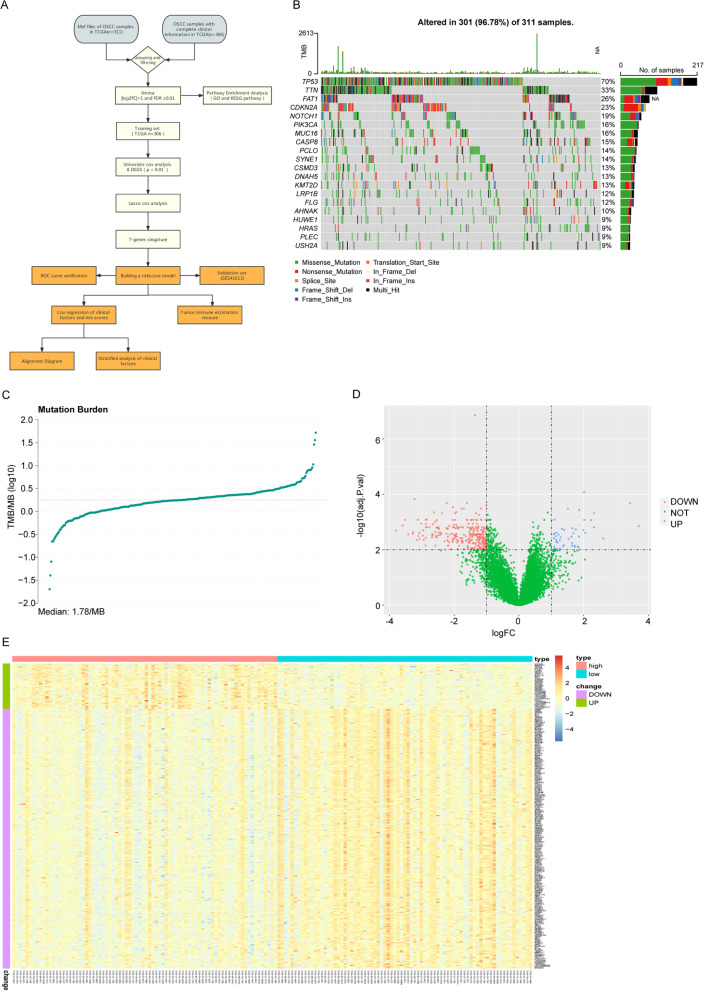
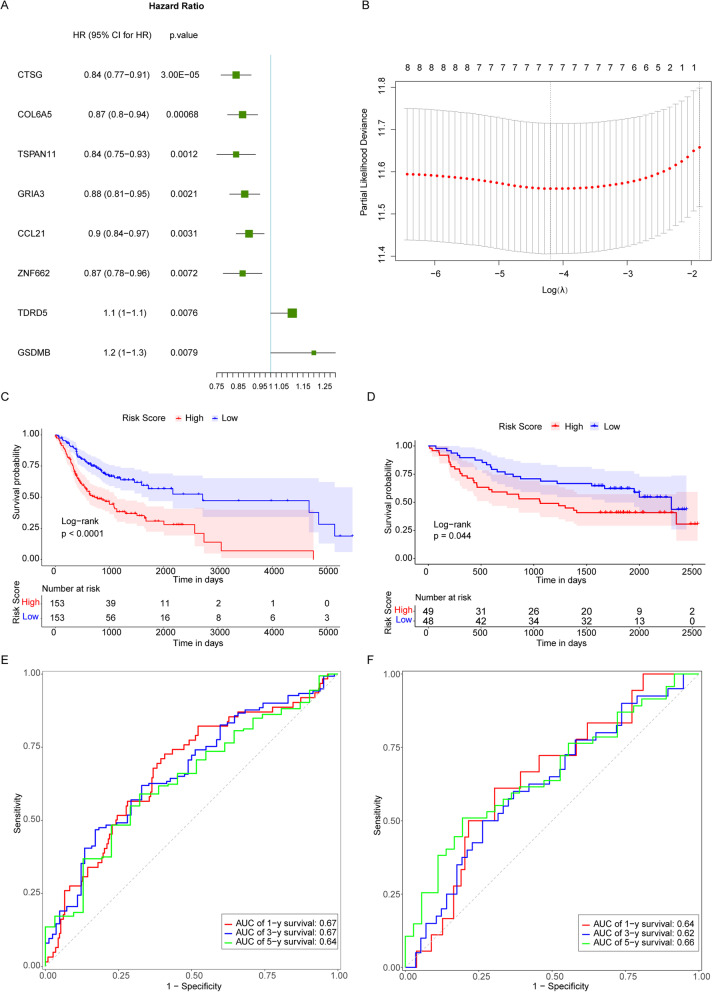
TMB-related differential expressed genes (DEGs) were screened by differential analysis and optimized via the univariate Cox and LASSO Cox analyses. Risk Score model was constructed by expression values of screened genes multiplying coefficient of LASSO Cox.
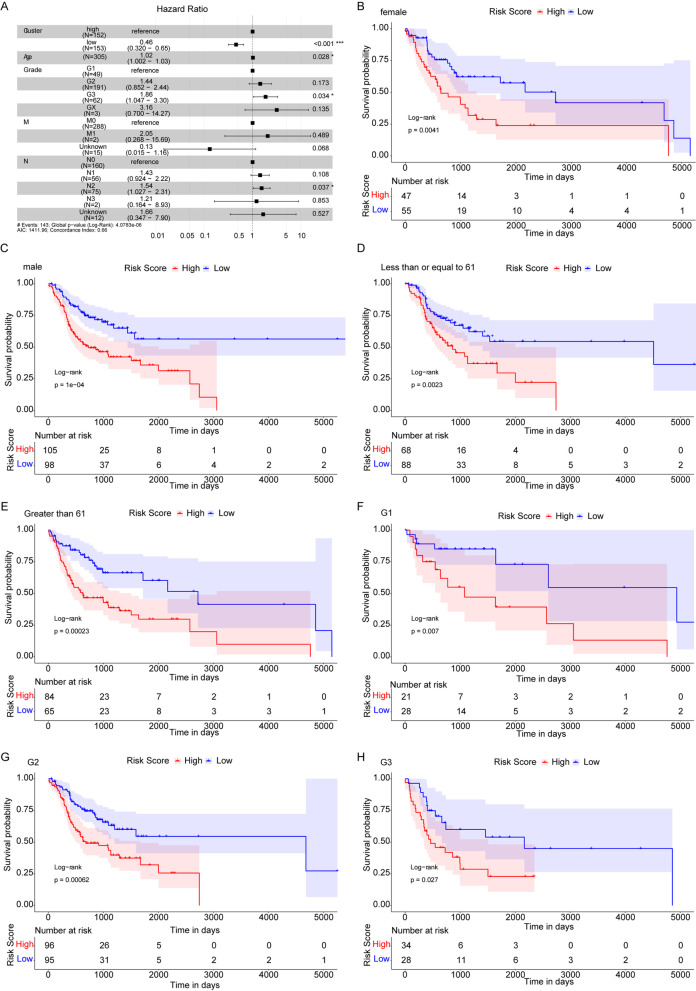
Seven TMB-related DEGs (CTSG, COL6A5, GRIA3, CCL21, ZNF662, TDRD5 and GSDMB) were screened. Patients in high-risk group (Risk Score > - 0.684511507) had worse prognosis compared to the low-risk group (Risk Score < - 0.684511507). Survival rates of patients in the high-risk group were lower in the gender, age and degrees of differentiation subgroups compared to the low-risk group.
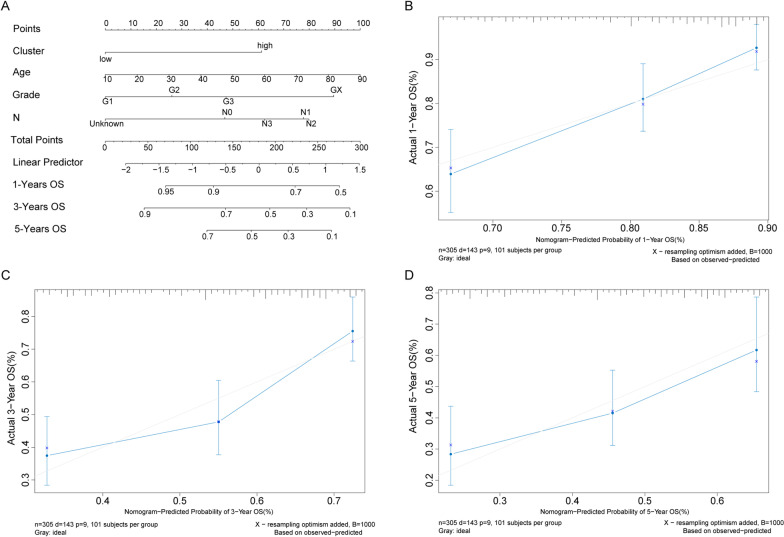
The Risk Score model constructed by 7 TMB-related genes may be a reliable biomarker for predicting the prognosis of OSCC patients.
口腔鳞状细胞癌(OSCC)是全球公共卫生的一个新问题。传统的物理和影像学检查具有侵袭性和放射性。因此,需要寻找危害较小的新型生物标志物。肿瘤突变负荷(TMB)是一种用于多种癌症的新型预后生物标志物。我们旨在探讨 TMB 相关基因与 OSCC 预后之间的关系,并构建预后模型。
通过差异分析筛选 TMB 相关差异表达基因(DEGs),并通过单变量 Cox 和 LASSO Cox 分析进行优化。通过筛选基因的表达值乘以 LASSO Cox 的系数构建风险评分模型。
筛选出 7 个 TMB 相关 DEGs(CTSG、COL6A5、GRIA3、CCL21、ZNF662、TDRD5 和 GSDMB)。高风险组(Risk Score > -0.684511507)的患者预后明显差于低风险组(Risk Score < -0.684511507)。在性别、年龄和分化程度亚组中,高风险组患者的生存率明显低于低风险组。
由 7 个 TMB 相关基因构建的 Risk Score 模型可能是预测 OSCC 患者预后的可靠生物标志物。