Department of Pharmacognosy and Pharmaceutical Chemistry, Faculty of Pharmacy, Medical University-Plovdiv, 4002 Plovdiv, Bulgaria.
Biomed Res Int. 2022 Apr 22;2022:8387271. doi: 10.1155/2022/8387271. eCollection 2022.
The substances used in sport could be divided into two major groups: those banned by the World Anti-Doping Agency and those which are not. The prohibited list is extremely detailed and includes a wide variety of both medicinal and nonmedicinal substances. Professional athletes are exposed to intense physical overload every day. They follow a relevant food regime and take specific dietary supplements, which is essential for the better recovery between trainings and competitions. However, the use of "nonprohibited" dietary supplements (DS) is not always completely safe. One of the risks associated with the use of dietary supplements is the risk of unintended doping-originating from contaminated products. The presence of undeclared compounds in the composition of DS is a serious concern. The aim of this study is to evaluate the risk of unintentional doping.
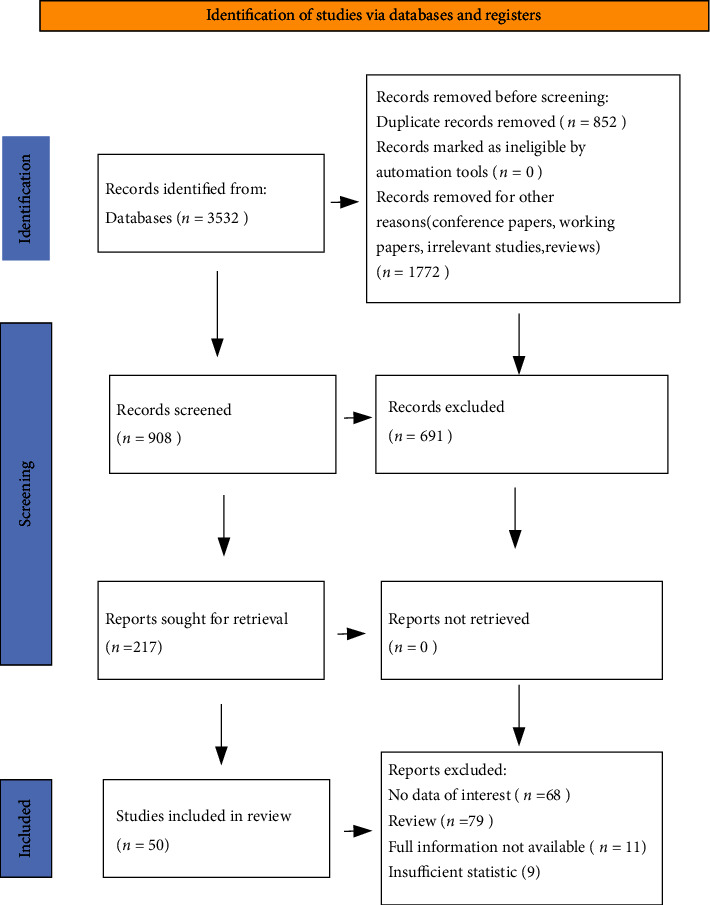
Literature search was done through PubMed, Science Direct, Google Scholar, and Web of Science. Studies investigating the presence of undeclared compounds, in dietary supplements, banned by WADA met the inclusion criteria. The last search was conducted in June 2021. The present review is based on a total of 50 studies, which investigated the presence of undeclared compounds in DS.
The total number of analyzed DS is 3132, 875 of which were found to contain undeclared substances. Most frequently found undeclared substances are sibutramine and anabolic-androgenic steroids.
More than 28% of the analyzed dietary supplements pose a potential risk of unintentional doping. Athletes and their teams need to be aware of the issues associated with the use of DS. They should take great care before inclusion of DS in the supplementation regime.
运动中使用的物质可分为两大类:一类是世界反兴奋剂机构禁用的物质,另一类是不禁用的物质。禁用清单非常详细,包括各种药品和非药品物质。职业运动员每天都要承受高强度的身体负荷。他们遵循相关的饮食制度,并服用特定的膳食补充剂,这对训练和比赛之间的更好恢复是必不可少的。然而,使用“非禁用”膳食补充剂(DS)并不总是完全安全的。与使用膳食补充剂相关的风险之一是源自污染产品的意外兴奋剂风险。DS 成分中存在未申报的化合物是一个严重的问题。本研究旨在评估意外兴奋剂的风险。
通过 PubMed、Science Direct、Google Scholar 和 Web of Science 进行文献检索。符合纳入标准的研究是调查 DS 中存在的未申报化合物,这些 DS 是世界反兴奋剂机构禁止的。最后一次搜索是在 2021 年 6 月进行的。本综述基于总共 50 项研究,这些研究调查了 DS 中未申报化合物的存在情况。
共分析了 3132 种 DS,其中 875 种被发现含有未申报物质。最常发现的未申报物质是西布曲明和合成代谢雄激素类固醇。
超过 28%的分析 DS 存在意外兴奋剂的潜在风险。运动员及其团队需要意识到与使用 DS 相关的问题。在将 DS 纳入补充方案之前,他们应该非常小心。