Institute of Physiology, University of Zurich, Winterthurerstrasse 190, CH-8057, Zurich, Switzerland.
National Center of Competence in Research NCCR Kidney.CH, Zurich, Switzerland.
Pflugers Arch. 2022 Aug;474(8):919-934. doi: 10.1007/s00424-022-02696-6. Epub 2022 May 5.
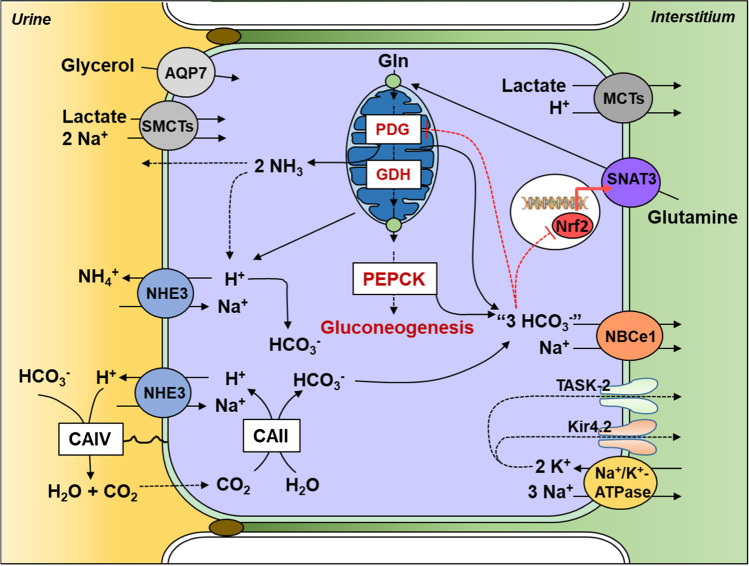
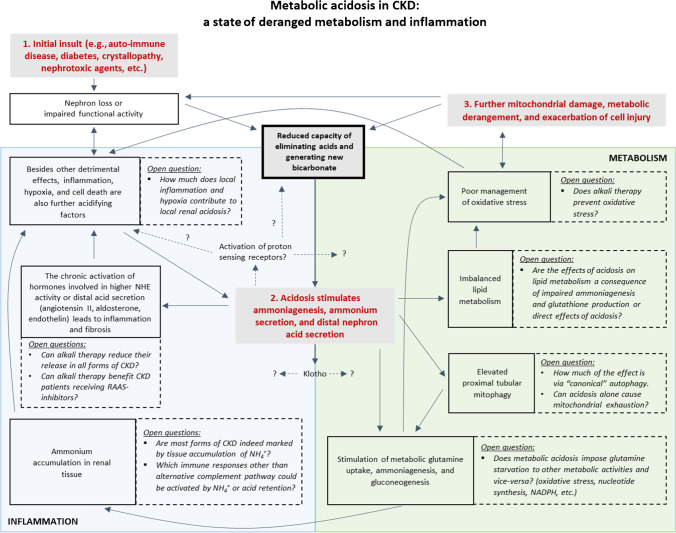
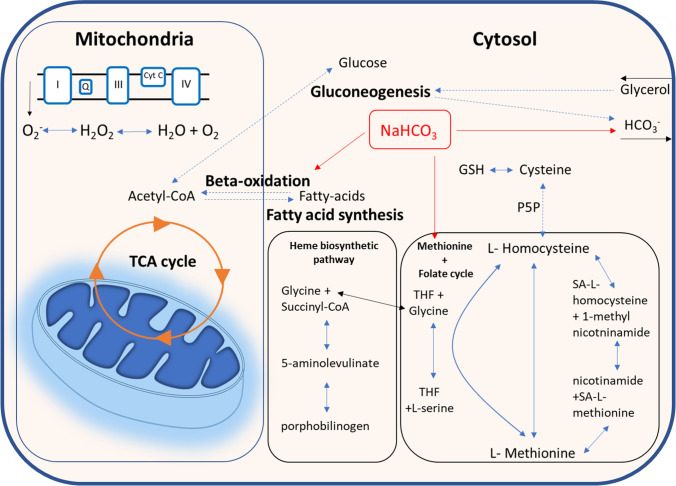
Kidneys are central in the regulation of multiple physiological functions, such as removal of metabolic wastes and toxins, maintenance of electrolyte and fluid balance, and control of pH homeostasis. In addition, kidneys participate in systemic gluconeogenesis and in the production or activation of hormones. Acid-base conditions influence all these functions concomitantly. Healthy kidneys properly coordinate a series of physiological responses in the face of acute and chronic acid-base disorders. However, injured kidneys have a reduced capacity to adapt to such challenges. Chronic kidney disease patients are an example of individuals typically exposed to chronic and progressive metabolic acidosis. Their organisms undergo a series of alterations that brake large detrimental changes in the homeostasis of several parameters, but these alterations may also operate as further drivers of kidney damage. Acid-base disorders lead not only to changes in mechanisms involved in acid-base balance maintenance, but they also affect multiple other mechanisms tightly wired to it. In this review article, we explore the basic renal activities involved in the maintenance of acid-base balance and show how they are interconnected to cell energy metabolism and other important intracellular activities. These intertwined relationships have been investigated for more than a century, but a modern conceptual organization of these events is lacking. We propose that pH homeostasis indissociably interacts with central pathways that drive progression of chronic kidney disease, such as inflammation and metabolism, independent of etiology.
肾脏在调节多种生理功能方面起着核心作用,如清除代谢废物和毒素、维持电解质和液体平衡以及控制 pH 值稳态。此外,肾脏参与全身糖异生以及激素的产生或激活。酸碱条件会同时影响所有这些功能。健康的肾脏能够在面对急性和慢性酸碱紊乱时,协调一系列生理反应。然而,受损的肾脏适应这些挑战的能力会降低。慢性肾脏病患者就是一个典型的长期暴露于慢性进行性代谢性酸中毒的例子。他们的身体会经历一系列的改变,以阻止多个参数的内环境稳态发生巨大的不利变化,但这些改变也可能成为肾脏损伤的进一步驱动因素。酸碱紊乱不仅导致参与酸碱平衡维持的机制发生变化,还会影响与之紧密相关的其他多种机制。在这篇综述文章中,我们探讨了维持酸碱平衡所涉及的基本肾脏活动,并展示了它们如何与细胞能量代谢和其他重要的细胞内活动相互关联。这些相互关联的关系已经研究了一个多世纪,但缺乏对这些事件的现代概念组织。我们提出,pH 值稳态与炎症和代谢等驱动慢性肾脏病进展的核心途径不可分割地相互作用,而与病因无关。