Perera W P T D, Dissanayake Ranga K, Ranatunga U I, Hettiarachchi N M, Perera K D C, Unagolla Janitha M, De Silva R T, Pahalagedara L R
Academy of the Sri Lanka Institute of Nanotechnology, Nanotechnology and Science Park Mahenwatte, Pitipana Homagama 10206 Sri Lanka.
Sri Lanka Institute of Nanotechnology, Nanotechnology and Science Park Mahenwatte, Pitipana Homagama 10206 Sri Lanka.
RSC Adv. 2020 Aug 19;10(51):30785-30795. doi: 10.1039/d0ra05755j. eCollection 2020 Aug 17.
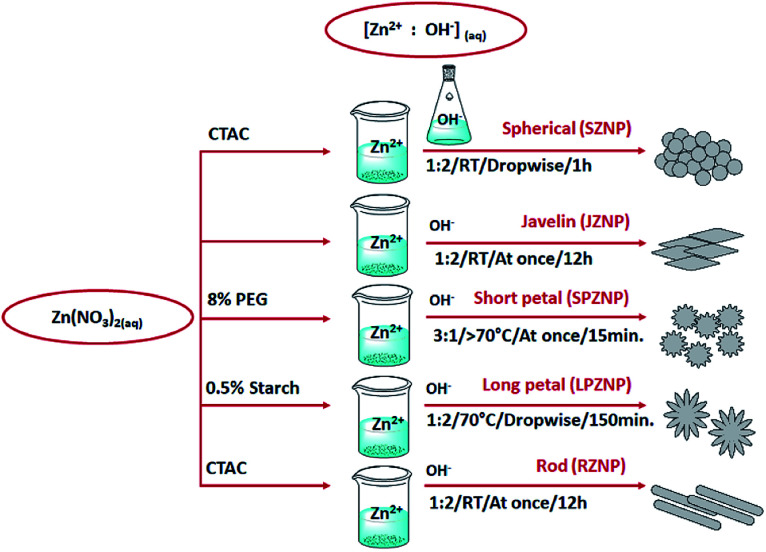
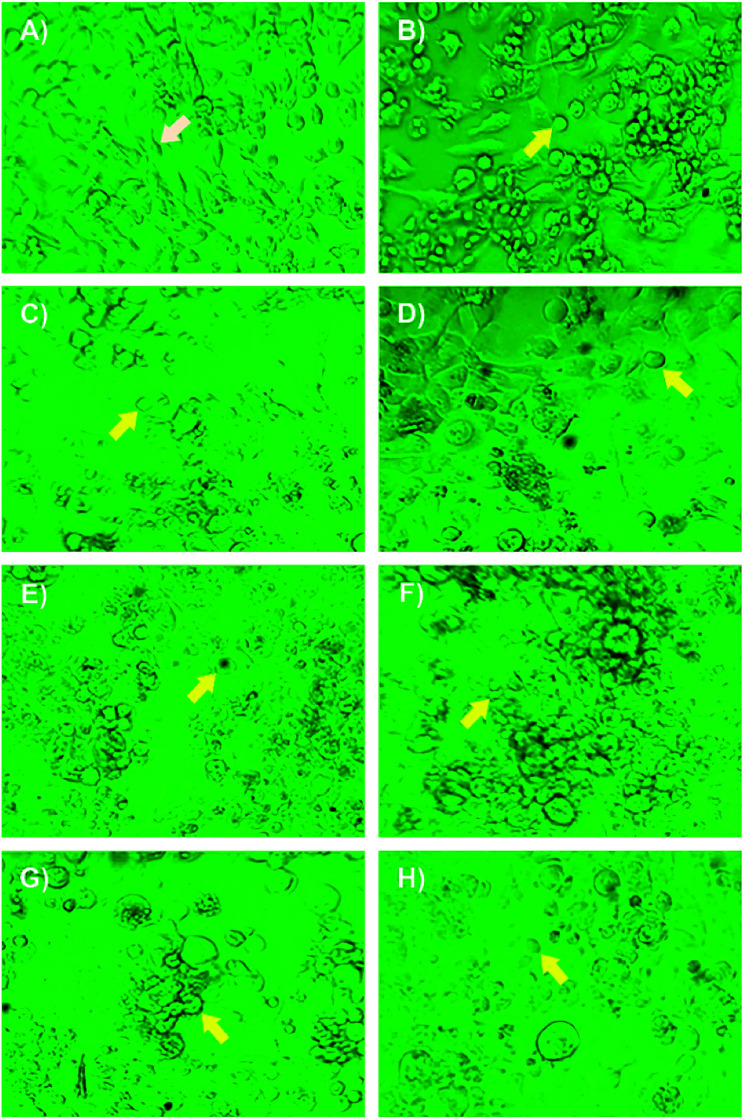
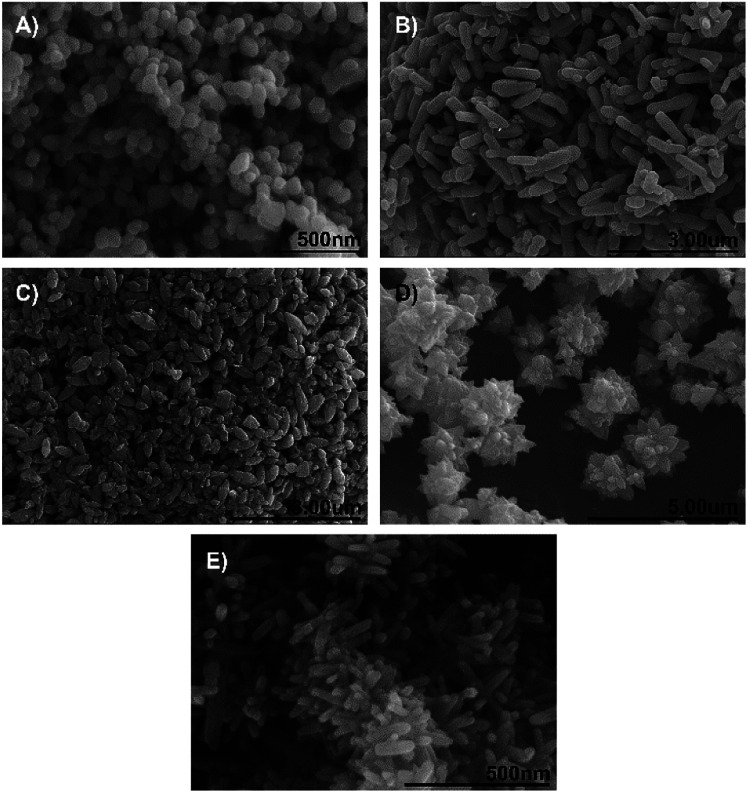
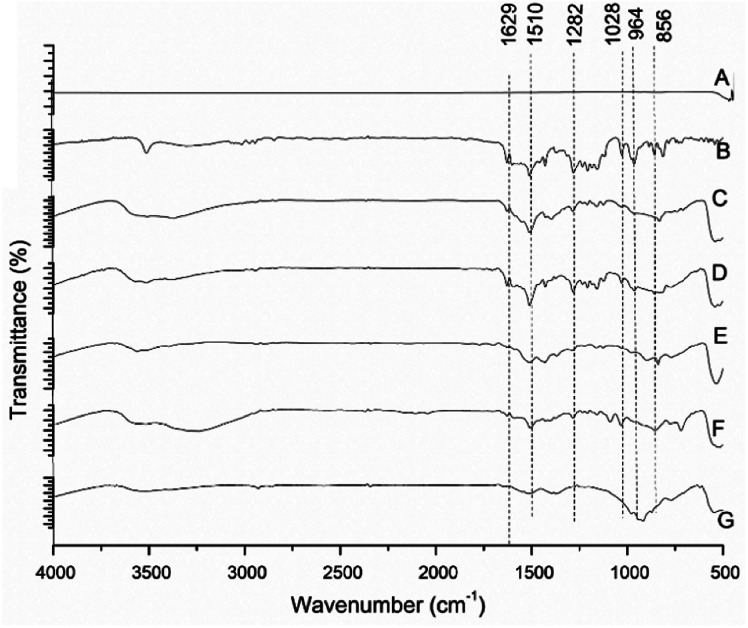
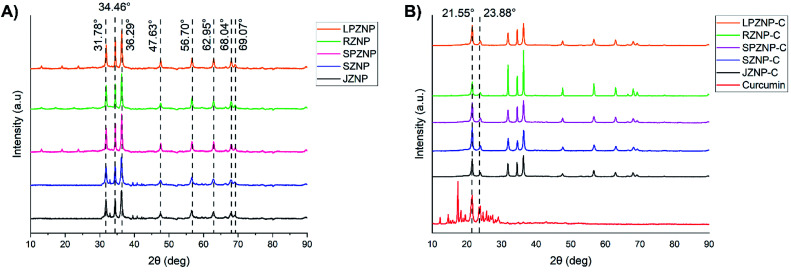
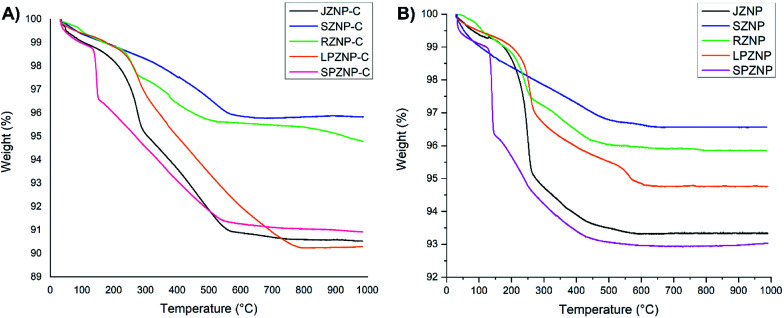
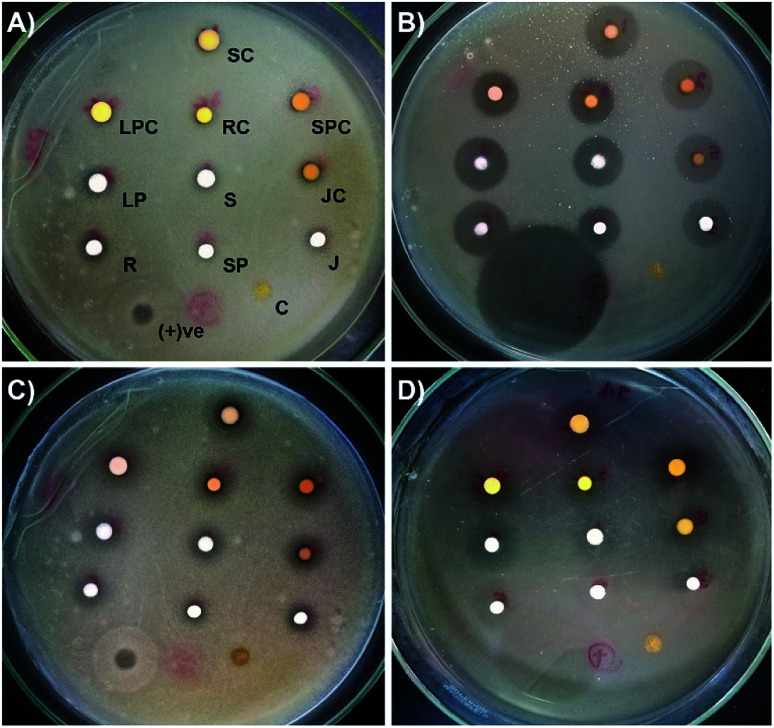
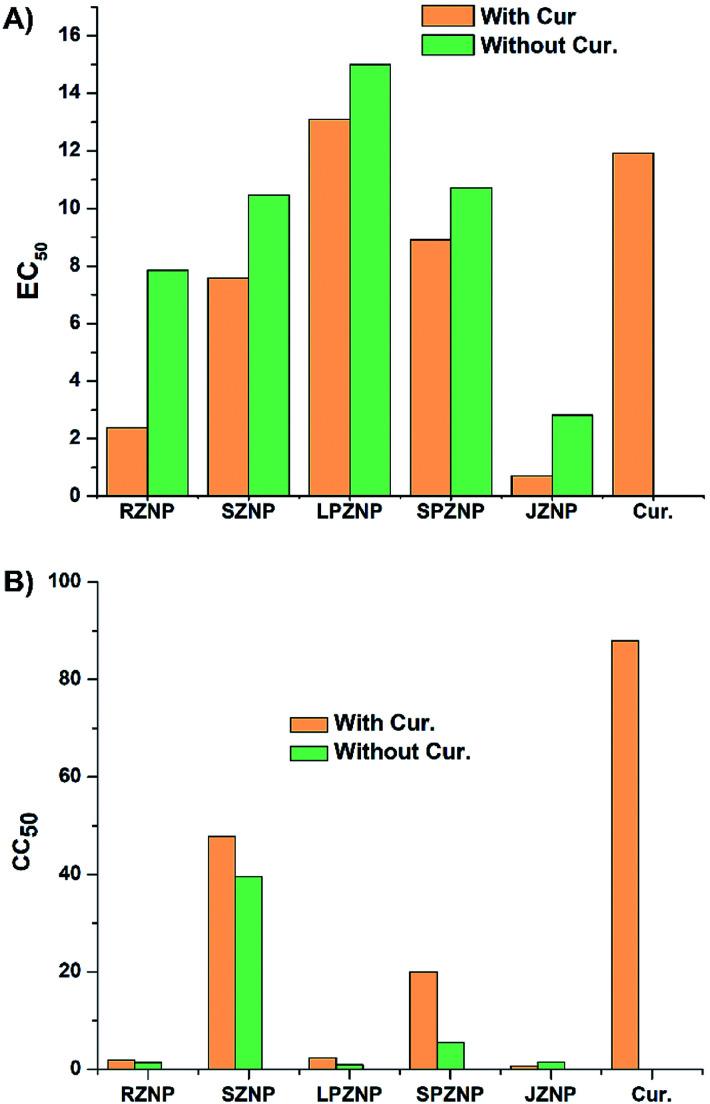
Zinc oxide nanoparticles and curcumin have been shown to be excellent antimicrobial agents and promising anticancer agents, both on their own as well as in combination. Together, they have potential as alternatives/supplements to antibiotics and traditional anticancer drugs. In this study, different morphologies of zinc oxide-grafted curcumin nanocomposites (ZNP-Cs) were synthesized and characterized using SEM, TGA, FTIR, XRD and UV-vis spectrophotometry. Antimicrobial assays were conducted against both Gram negative and Gram-positive bacterial stains. Spherical ZnO-curcumin nanoparticles (SZNP-Cs) and rod-shaped ZnO-curcumin nanoparticles showed the most promising activity against tested bacterial strains. The inhibition zones for these curcumin-loaded ZnO nanocomposites were consistently larger than their bare counterparts or pure curcumin, revealing an additve effect between the ZnO and curcumin components. The potential anticancer activity of the synthesized nanocomposites was studied on the rhabdomyosarcoma RD cell line MTT assay, while their cytotoxic effects were tested against human embryonic kidney cells using the resazurin assay. SZNP-Cs exhibited the best balance between the two, showing the lowest toxicity against healthy cells and good anticancer activity. The results of this investigation demonstrate that the nanomatrix synthesized can act as an effective, additively-enhanced combination delivery/therapeutic agent, holding promise for anticancer therapy and other biomedical applications.
氧化锌纳米颗粒和姜黄素已被证明是出色的抗菌剂和有前景的抗癌剂,无论是单独使用还是联合使用。它们共同具有作为抗生素和传统抗癌药物的替代品/补充剂的潜力。在本研究中,合成了不同形态的氧化锌接枝姜黄素纳米复合材料(ZNP-Cs),并使用扫描电子显微镜(SEM)、热重分析(TGA)、傅里叶变换红外光谱(FTIR)、X射线衍射(XRD)和紫外可见分光光度法对其进行了表征。针对革兰氏阴性和革兰氏阳性细菌菌株进行了抗菌试验。球形氧化锌-姜黄素纳米颗粒(SZNP-Cs)和棒状氧化锌-姜黄素纳米颗粒对测试的细菌菌株表现出最有前景的活性。这些负载姜黄素的氧化锌纳米复合材料的抑菌圈始终大于其未负载的对应物或纯姜黄素,揭示了氧化锌和姜黄素成分之间的加和效应。使用MTT法在横纹肌肉瘤RD细胞系上研究了合成纳米复合材料的潜在抗癌活性,同时使用刃天青法测试了它们对人胚肾细胞的细胞毒性作用。SZNP-Cs在两者之间表现出最佳平衡,对健康细胞的毒性最低且具有良好的抗癌活性。本研究结果表明,合成的纳米基质可作为一种有效的、加和增强的组合递送/治疗剂,在抗癌治疗和其他生物医学应用方面具有前景。