Qiao Haixia, Song Guiqin, Huang Yong, Yang Hao, Han Shuguang, Zhang Xuejiao, Wang Zhenhui, Ma Jing, Bu Xiaopei, Fu Li
College of Lab Medicine, Hebei North University Zhangjiakou 075000 China
Key Laboratory for Green Chemical Process of Ministry of Education, School of Environmental Ecology and Biological Engineering, Wuhan Institute of Technology Wuhan 430205 China.
RSC Adv. 2019 Apr 30;9(24):13348-13364. doi: 10.1039/c9ra01168d.
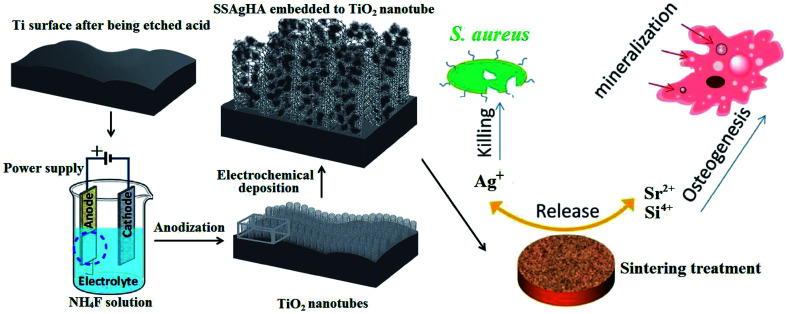
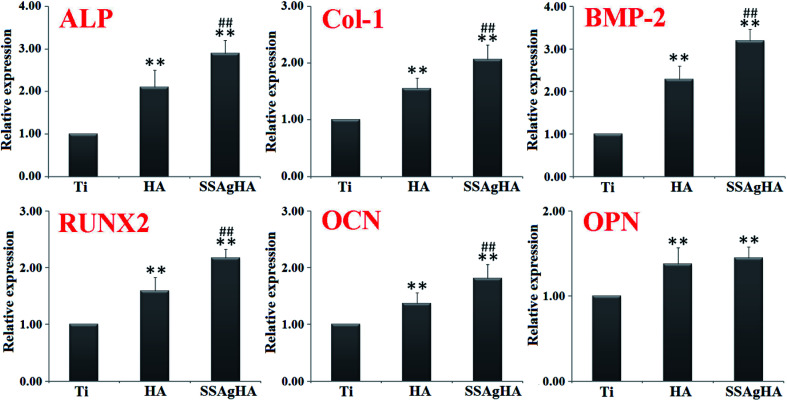
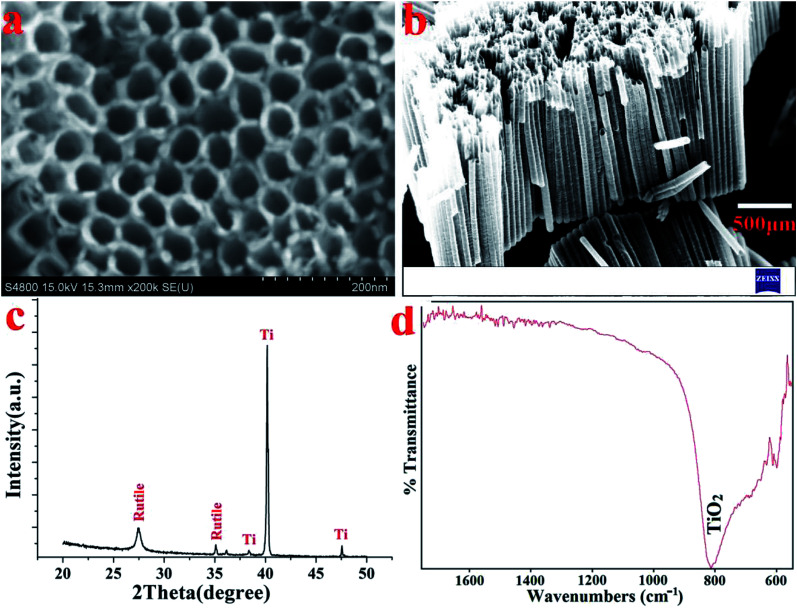
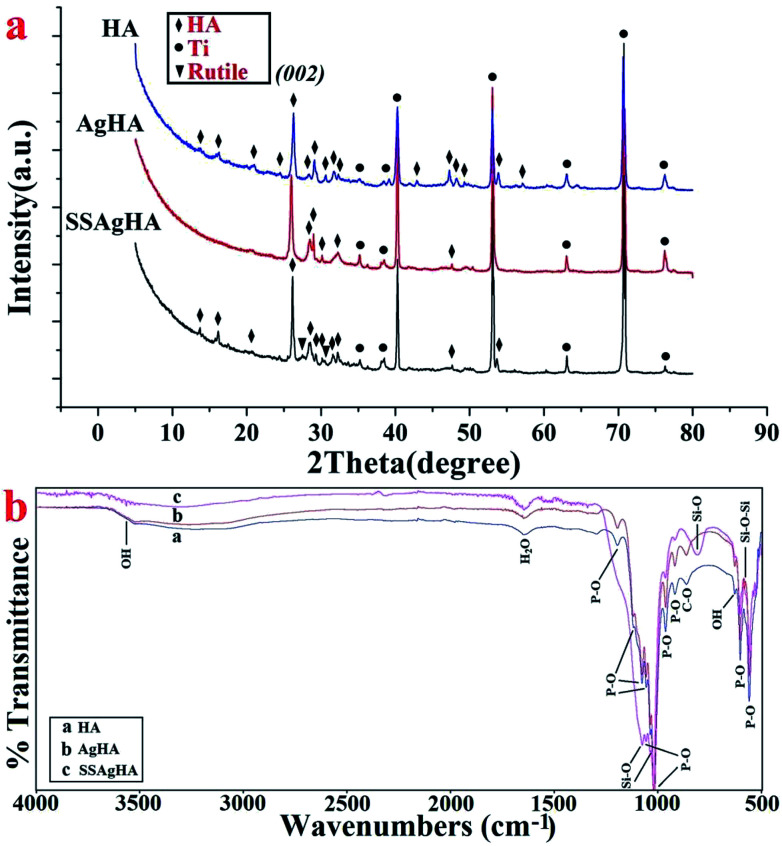
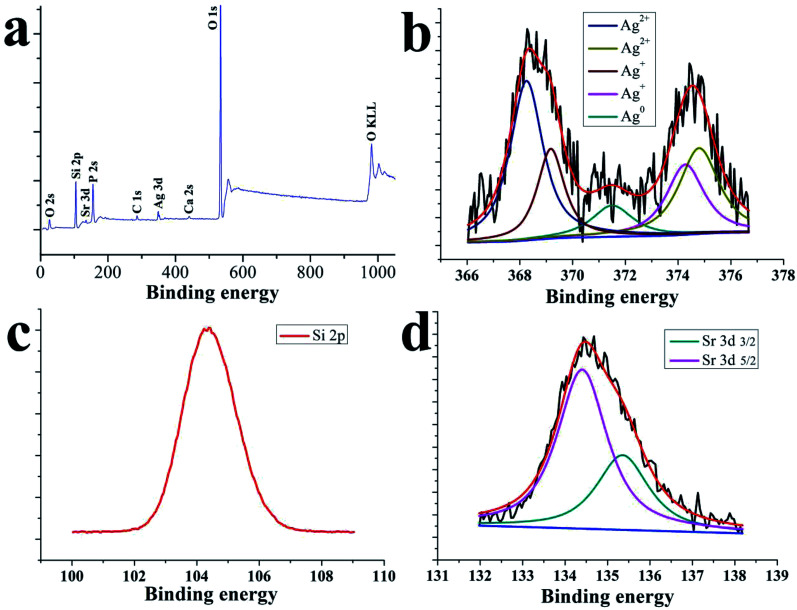
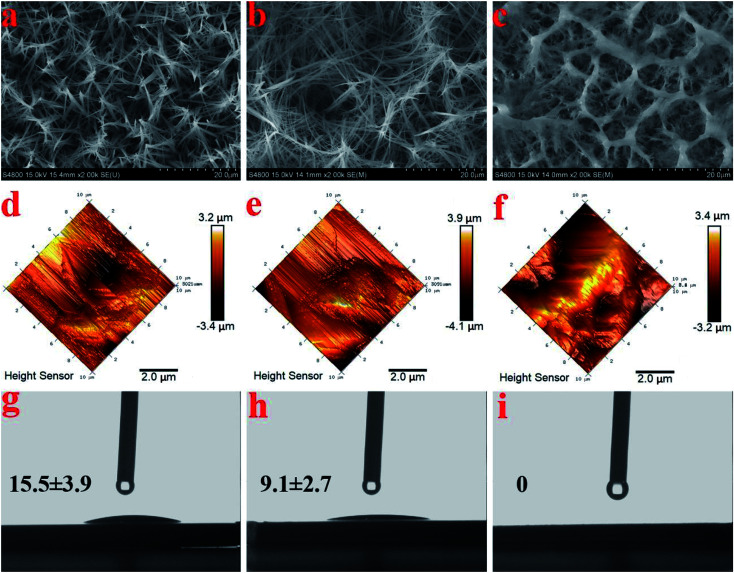
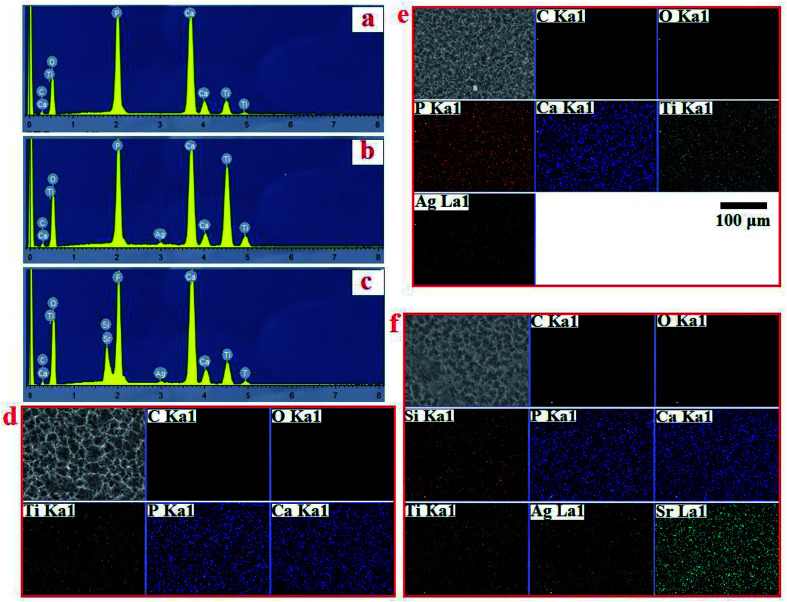
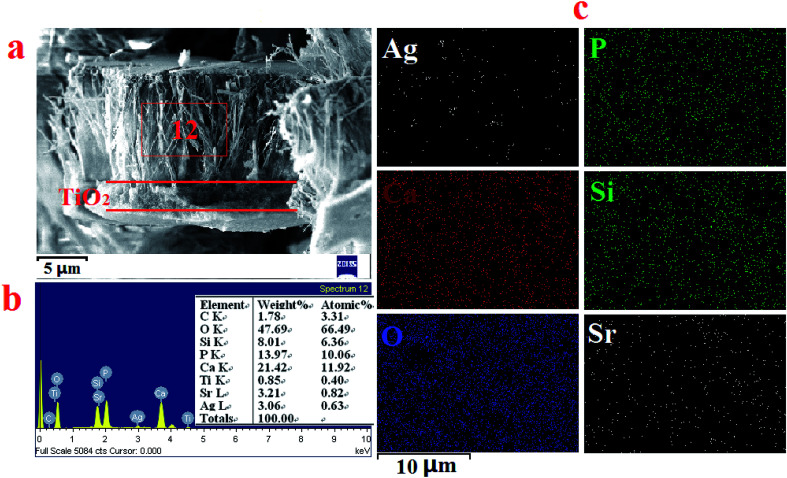
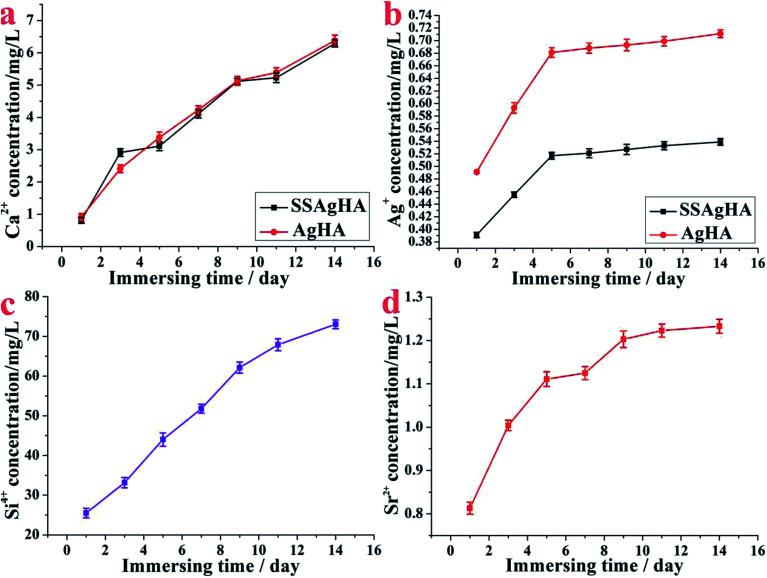
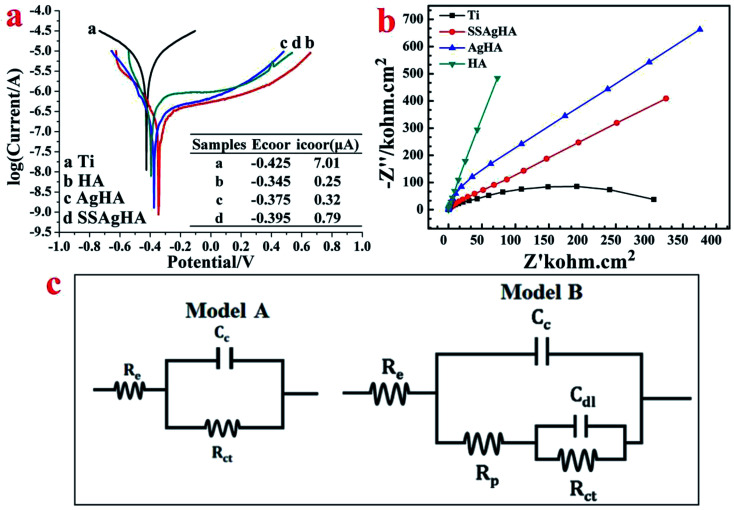
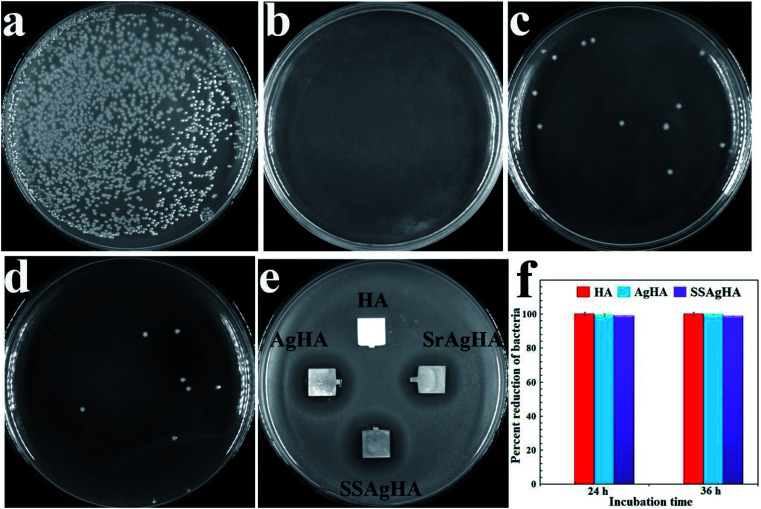
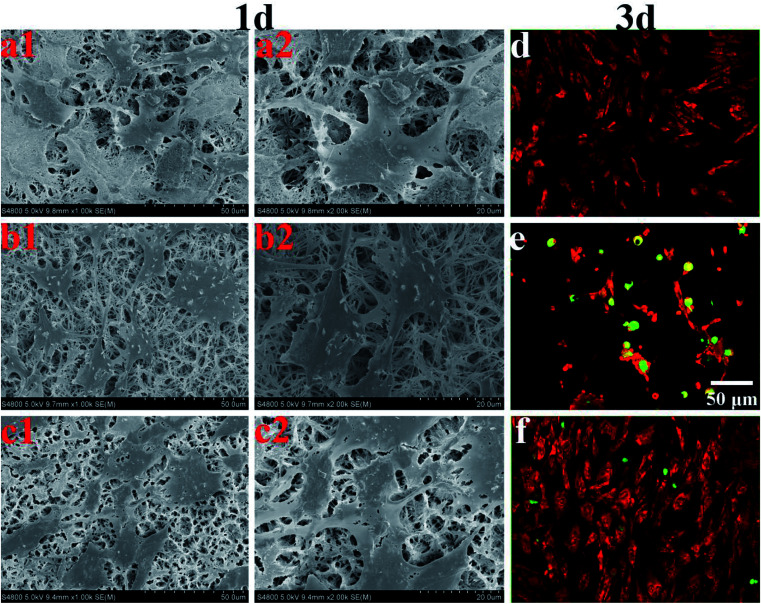
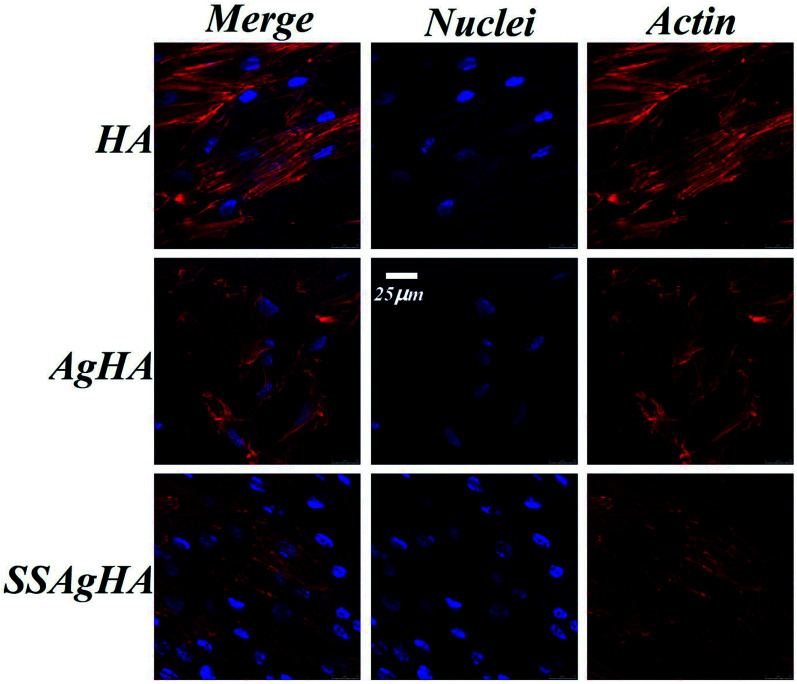
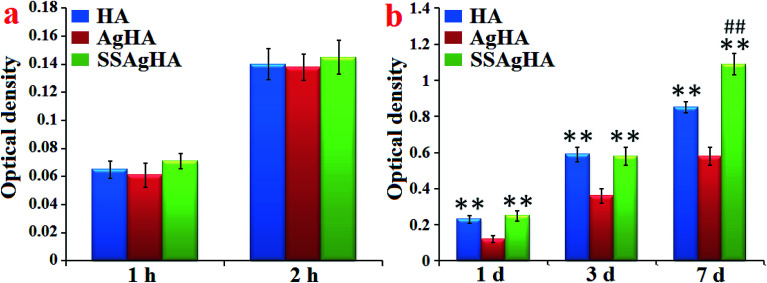
A multifaceted coating with favourable cytocompatibility, osteogenic activity and antibacterial properties would be of great significance and value due to its capability for improving osseointegration and alleviating prosthesis loosening. This study marks the first report on the coating of TiO nanotubular (TNT) arrays with Sr-and-Si-substituted hydroxyapatite (SSHA) endowed with antibacterial characteristics using silver ions. This TNT layer coated with Ag-substituted SSHA (SSAgHA) formed a composite coating with an interconnected microporous structure and a homogeneous distribution of Sr, Si and Ag; such a coating promoted cell adhesion and osteogenic potential. The anchoring effect of the TNT layer improved the adhesion strength of the SSAgHA/TNT coating to 16.9 ± 3.1 MPa, which was higher than the 15 MPa set in the ISO standard 13 779-4:2002. Moreover, the bio-corrosion resistance of the underlying Ti substrate was greatly enhanced by the composite coating. Hydroxyapatite (HA) and SSAgHA coatings provided a suitable environment for the adhesion, spreading and proliferation of mouse osteoblasts. The SSAgHA coating excellently inhibited bacterial activity and enhanced osteoinductivity with higher osteogenic differentiation compared with the HA coating. Sr and Si dopants increased the expression levels of the genes related to osteogenesis and successfully offset the potential cytotoxicity of Ag ions. Super-osteoinductivity was attributed to the rough and superhydrophilic surface of the composite coating. Therefore, the present study demonstrated the potential of the electrodeposited SSAgHA/TNT composite coating as a promising metallic implant with great intrinsic antibacterial activity and osteointegration ability.
一种具有良好细胞相容性、成骨活性和抗菌性能的多面涂层,因其能够改善骨整合和减轻假体松动的能力,将具有重大意义和价值。本研究首次报道了用银离子赋予抗菌特性的锶和硅取代羟基磷灰石(SSHA)涂覆二氧化钛纳米管(TNT)阵列。这种涂覆有银取代的SSHA(SSAgHA)的TNT层形成了一种具有相互连接的微孔结构以及锶、硅和银均匀分布的复合涂层;这样的涂层促进了细胞粘附和成骨潜力。TNT层的锚固作用将SSAgHA/TNT涂层的粘附强度提高到16.9±3.1MPa,高于ISO标准13 779-4:2002中设定的15MPa。此外,复合涂层大大提高了底层钛基底的生物耐腐蚀性。羟基磷灰石(HA)和SSAgHA涂层为小鼠成骨细胞的粘附、铺展和增殖提供了适宜的环境。与HA涂层相比,SSAgHA涂层出色地抑制了细菌活性,并通过更高的成骨分化增强了骨诱导性。锶和硅掺杂剂提高了与成骨相关基因的表达水平,并成功抵消了银离子的潜在细胞毒性。超骨诱导性归因于复合涂层粗糙且超亲水的表面。因此,本研究证明了电沉积的SSAgHA/TNT复合涂层作为一种具有巨大内在抗菌活性和骨整合能力的有前景的金属植入物的潜力。