Zhang Maolan, Zeng Guoming, Liao Xiaoling, Wang Yuanliang
Chongqing University of Science and Technology Chongqing 401331 China
Key Laboratory of Biorheological Science and Technology (Chongqing University), Ministry of Education Chongqing 400044 China.
RSC Adv. 2019 Apr 1;9(18):10135-10147. doi: 10.1039/c9ra02219h. eCollection 2019 Mar 28.
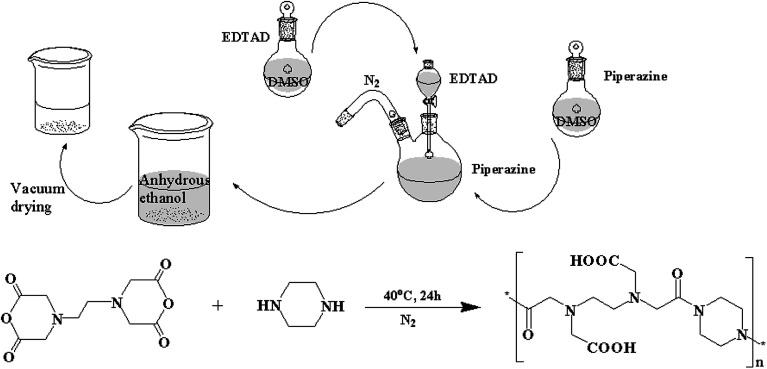
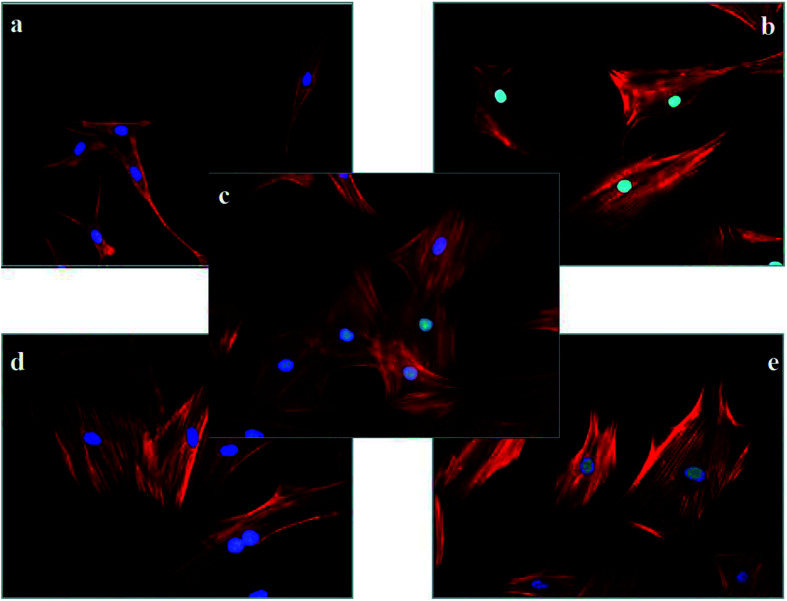
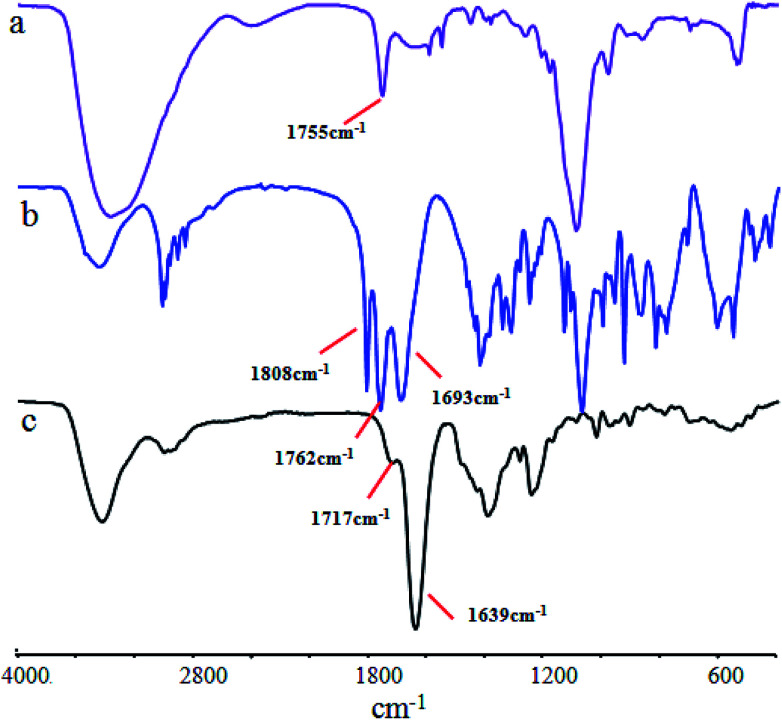
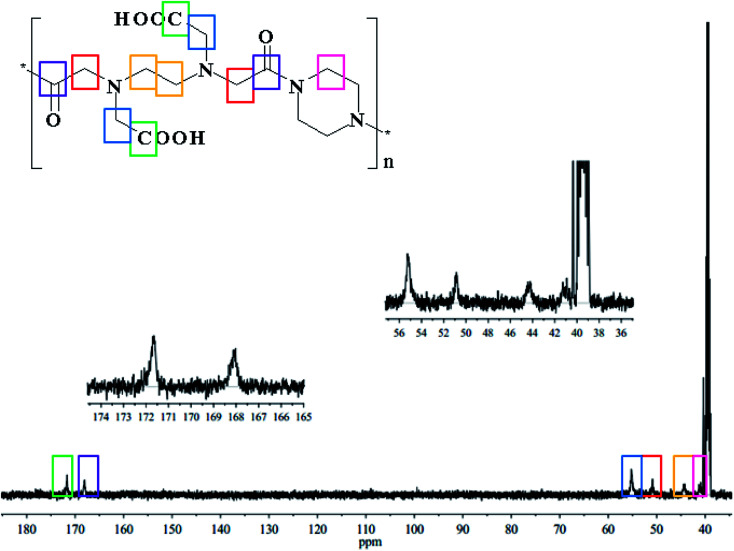
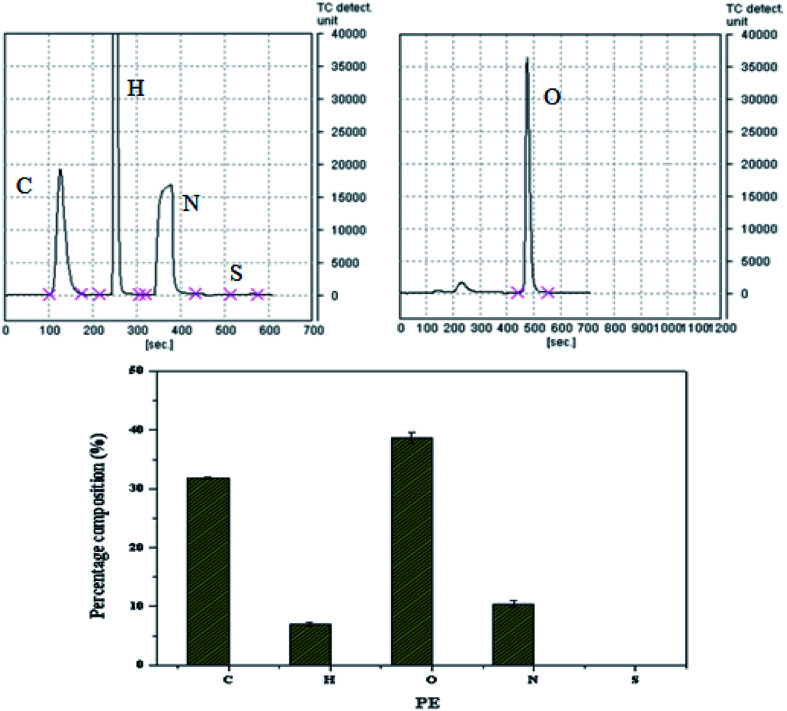
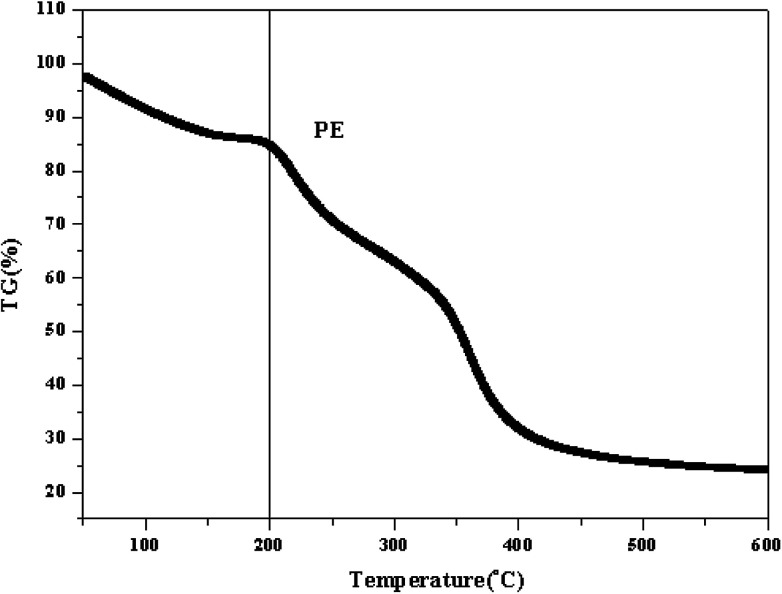
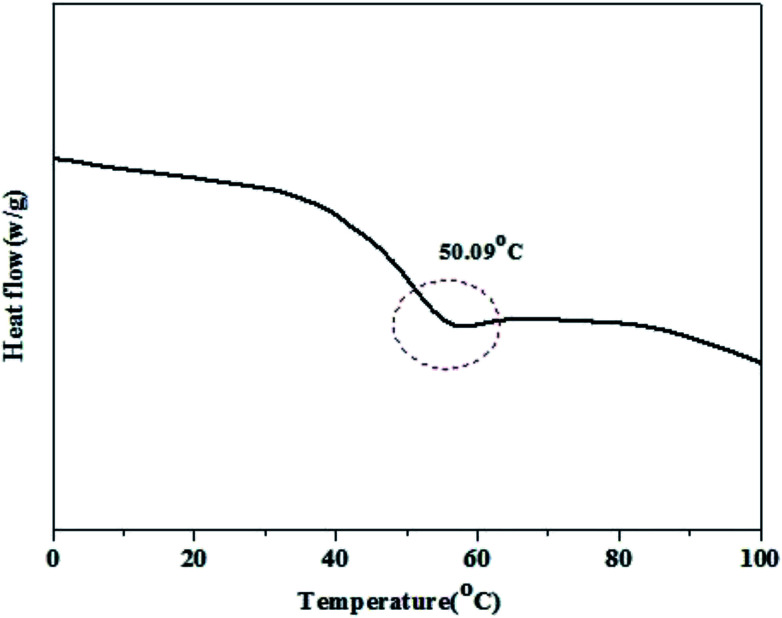
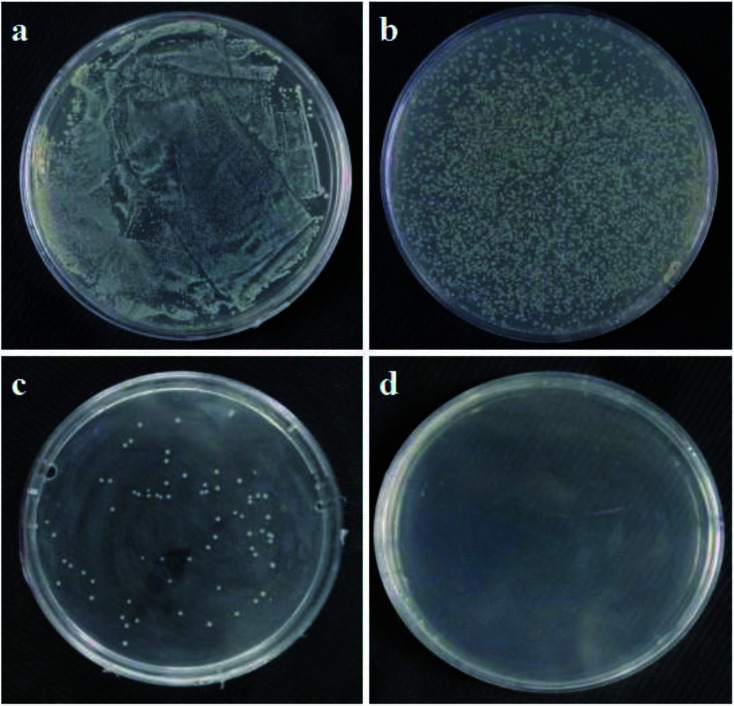
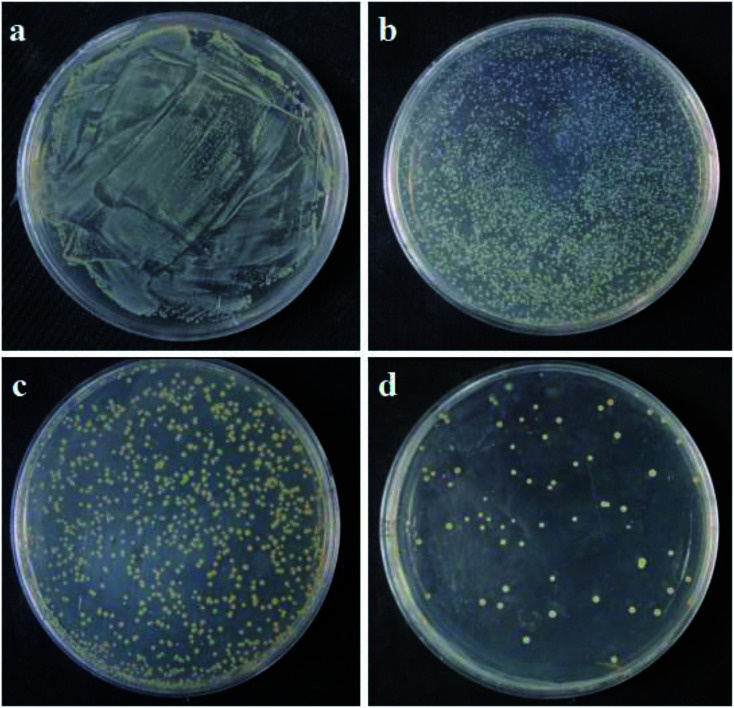
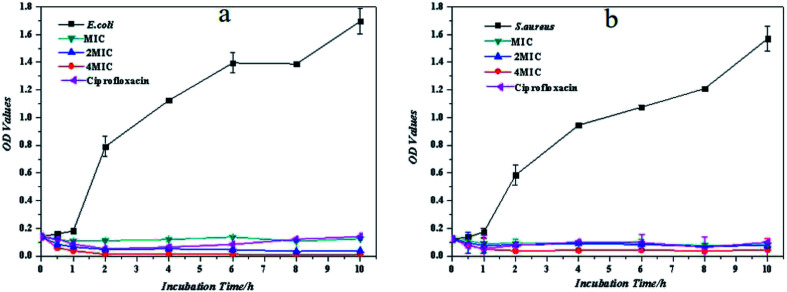
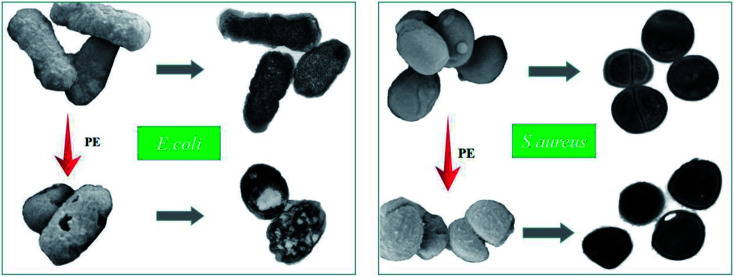
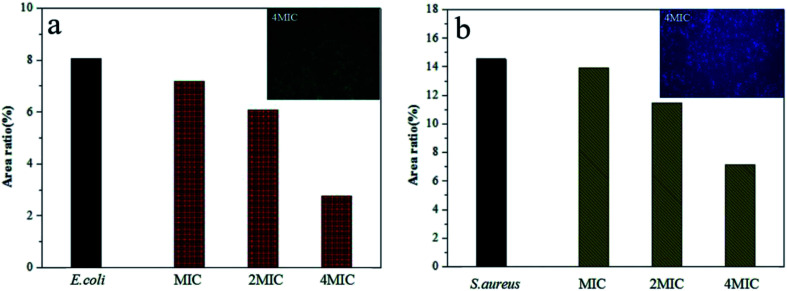
Bacterial repellence by biomedical materials is a desirable property that can potentially improve the healing process. In this study, we described a simple and green method to prepare a novel piperazine polymer (PE), which was based on the raw materials piperazine (PA) and ethylenediaminetetraacetic dianhydride (EDTAD). The structure and thermal stability of the obtained material were characterized using Fourier transform infrared spectrometry (FTIR), nuclear magnetic resonance spectroscopy (NMR), elementary analysis, differential scanning calorimetry (DSC) and thermogravimetric analysis (TGA). To evaluate the antibacterial properties of PE, a strain of Gram-negative () bacteria and a strain of Gram-positive () bacteria were used. The results indicated that PE exhibited good antibacterial activity against both strains of bacteria in a short time frame. The initial cytotoxicity test of the obtained material was based on the changes in the morphology and proliferation of osteoblasts, and the results demonstrated that the cytotoxicity of PE was concentration-dependent. Combining the experimental results of these two parts, it was shown that bacteria could be inhibited by a certain concentration of PE, while its toxicity toward osteoblasts was very low. In summary, these results revealed the potential usefulness of PE in biomedical applications.
生物医学材料的细菌排斥性是一种理想的特性,它有可能改善愈合过程。在本研究中,我们描述了一种基于哌嗪(PA)和乙二胺四乙酸二酐(EDTAD)原料制备新型哌嗪聚合物(PE)的简单绿色方法。使用傅里叶变换红外光谱(FTIR)、核磁共振光谱(NMR)、元素分析、差示扫描量热法(DSC)和热重分析(TGA)对所得材料的结构和热稳定性进行了表征。为了评估PE的抗菌性能,使用了一株革兰氏阴性()细菌和一株革兰氏阳性()细菌。结果表明,PE在短时间内对两种细菌菌株均表现出良好的抗菌活性。所得材料的初始细胞毒性试验基于成骨细胞形态和增殖的变化,结果表明PE的细胞毒性具有浓度依赖性。综合这两部分的实验结果表明,一定浓度的PE可以抑制细菌,而其对成骨细胞的毒性非常低。总之,这些结果揭示了PE在生物医学应用中的潜在用途。