Department of Developmental Biology and Center of Regenerative Medicine, Washington University School of Medicine, 4515 McKinley Ave, Room 3313, St. Louis, MO 63110, USA.
Department of Obstetrics and Gynecology, Center for Reproductive Health Sciences, Washington University School of Medicine, St. Louis, MO 63110, USA.
Cell Stem Cell. 2022 May 5;29(5):810-825.e8. doi: 10.1016/j.stem.2022.04.004.
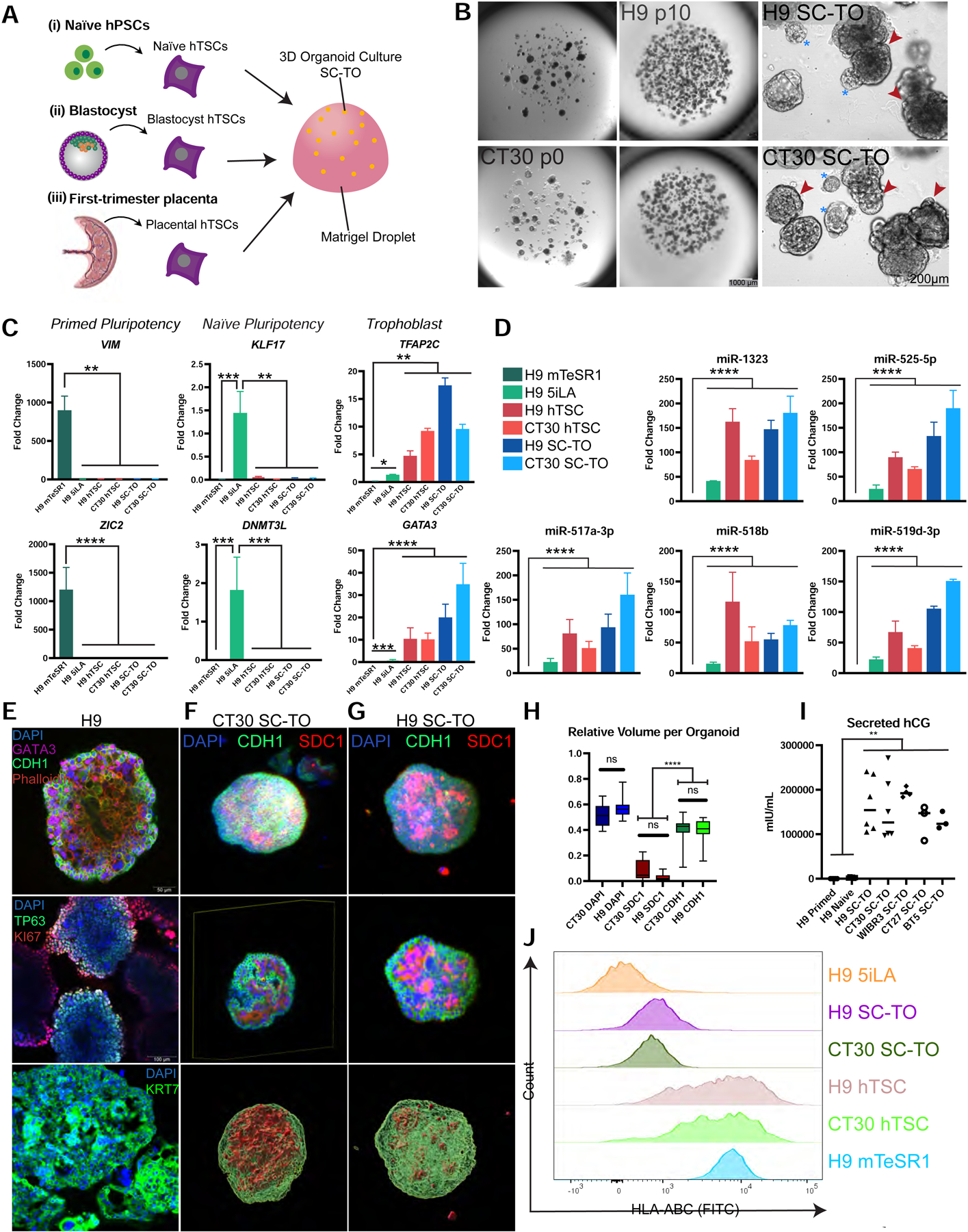
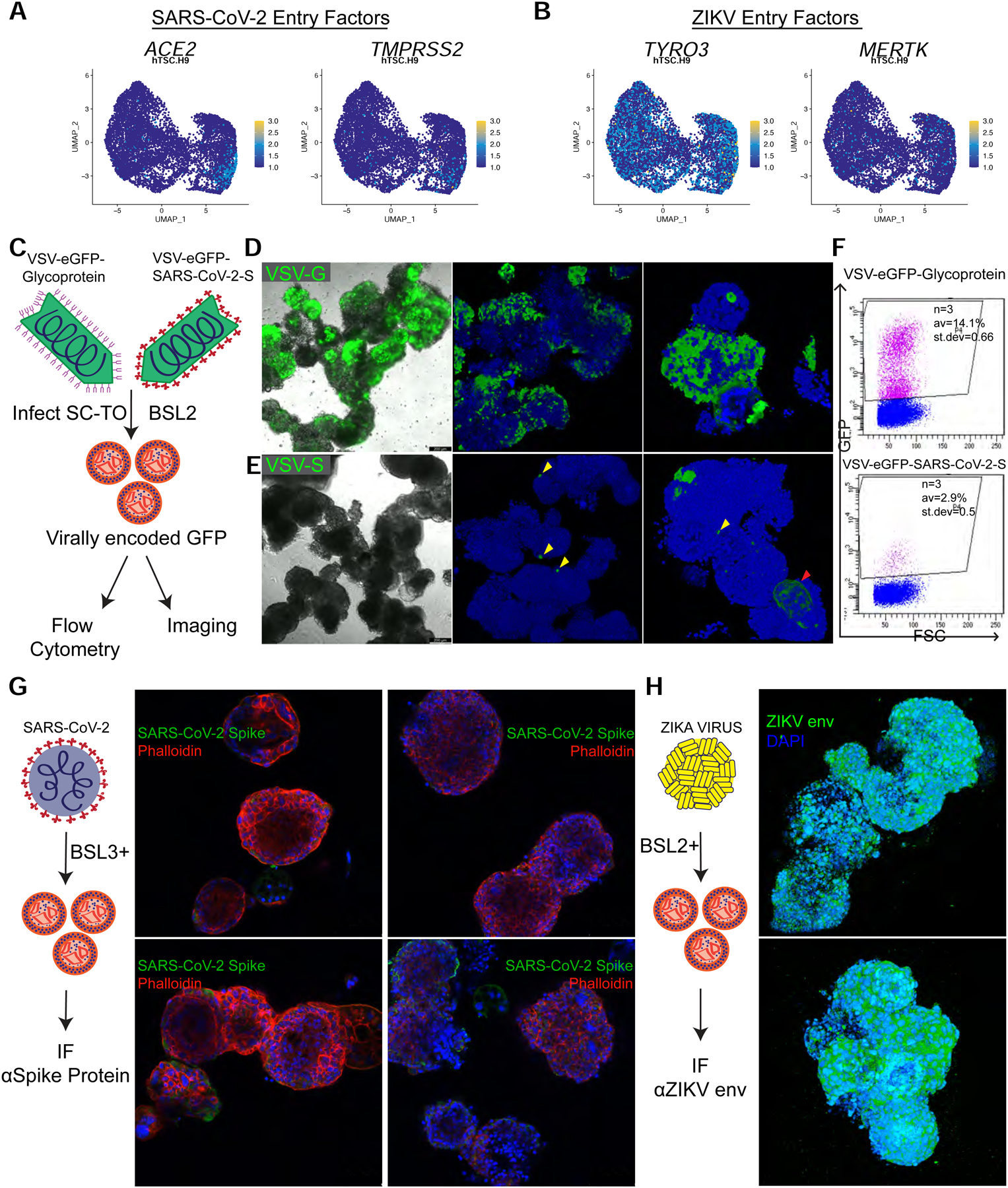
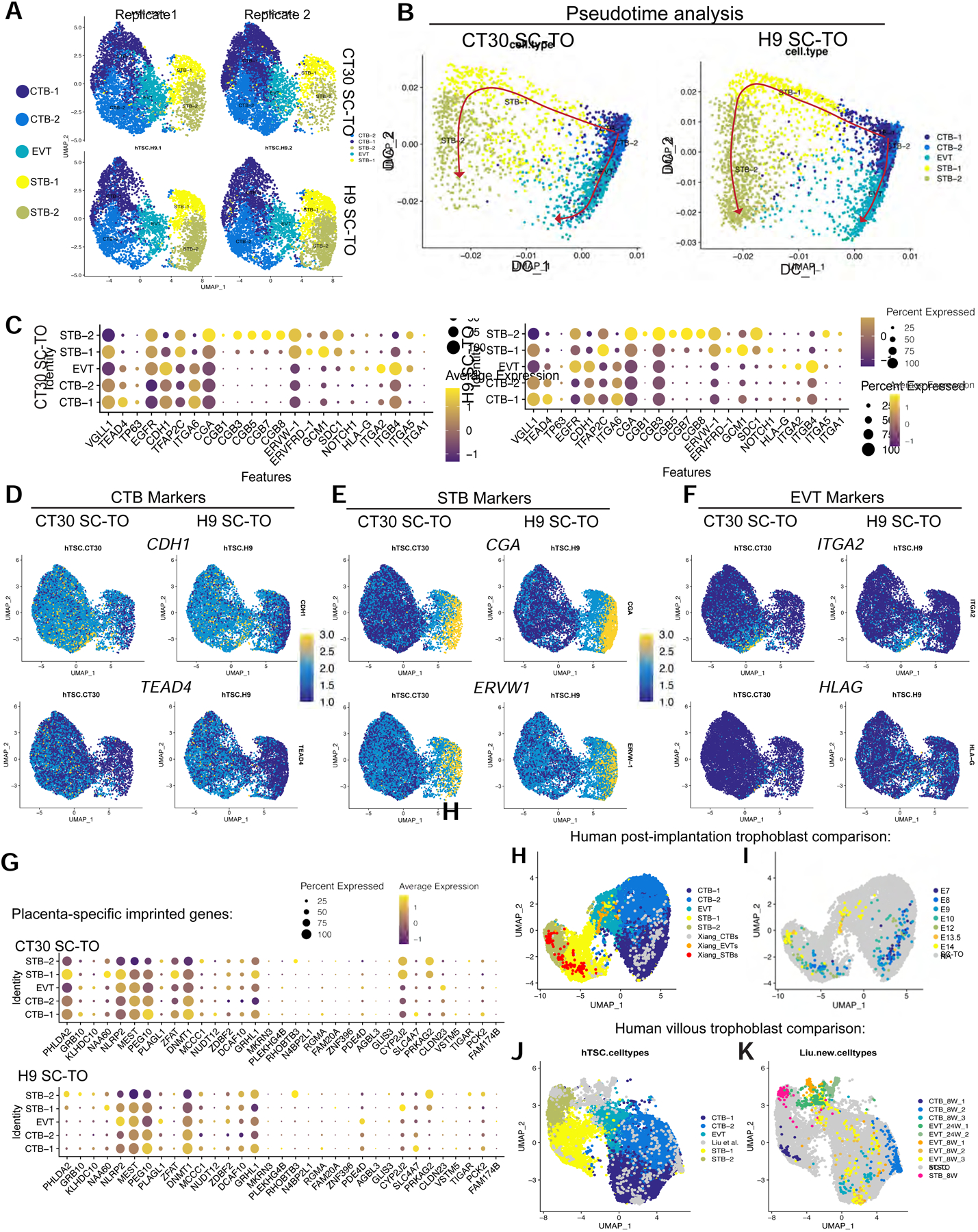
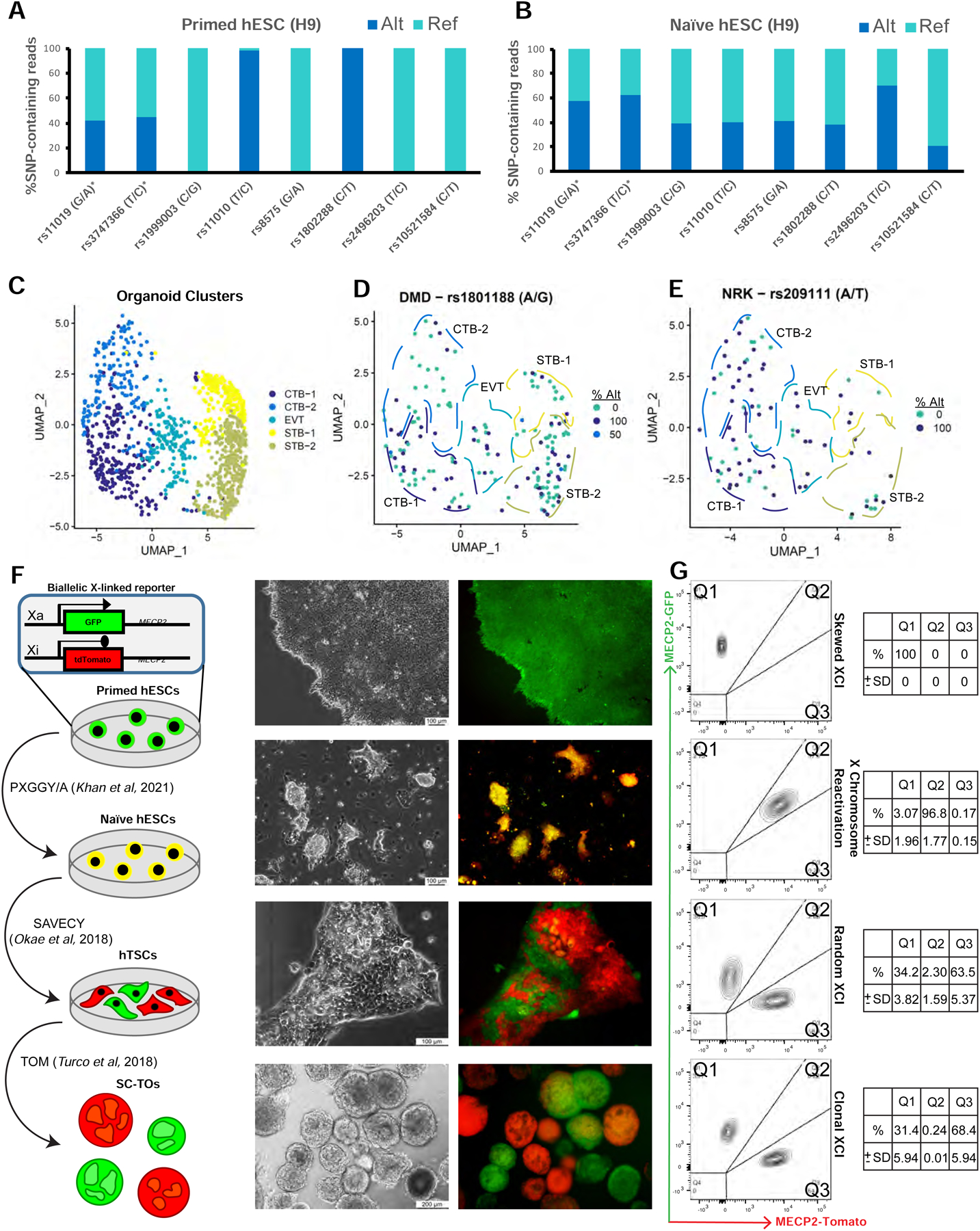
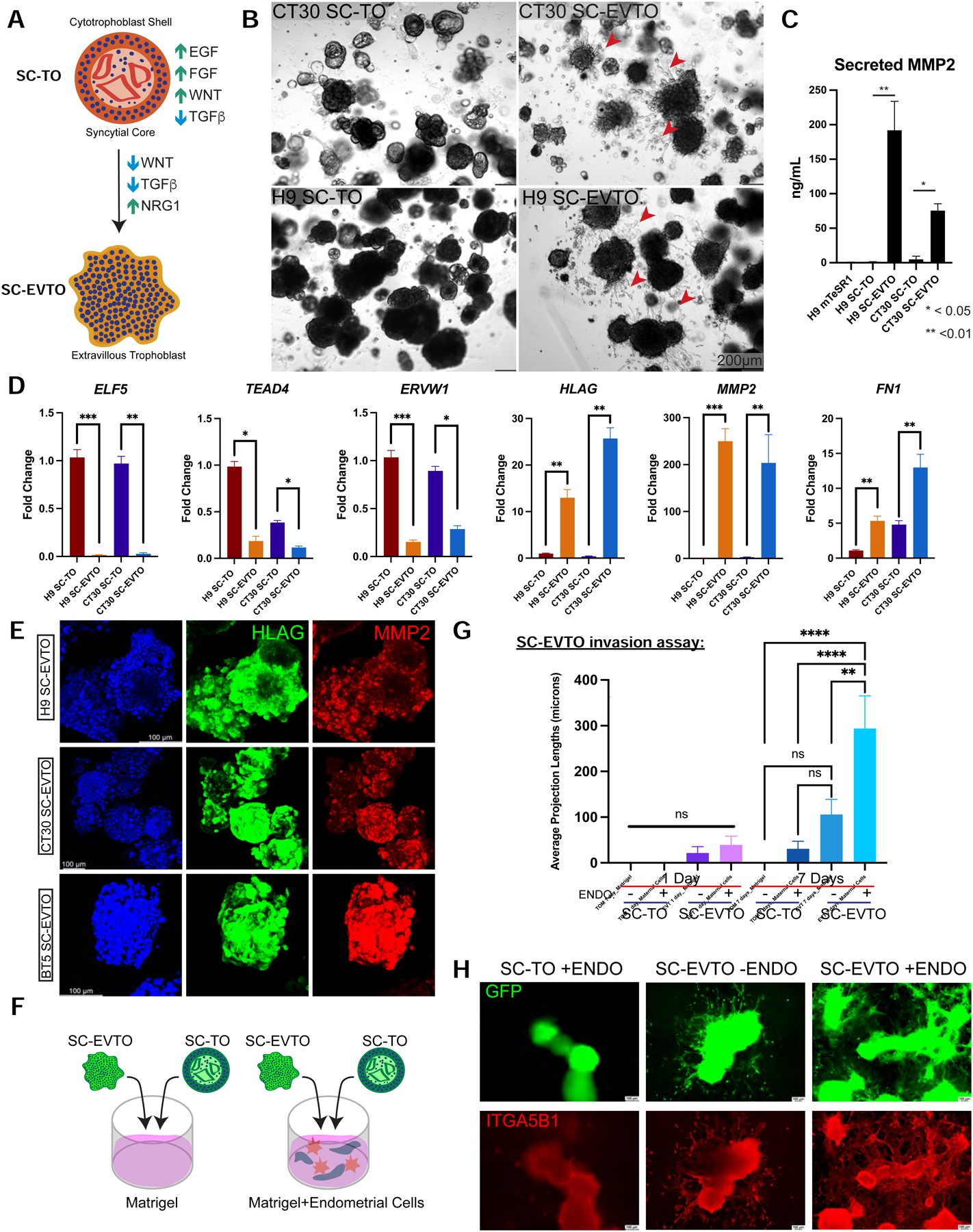
Trophoblast organoids derived from placental villi provide a 3D model system of human placental development, but access to first-trimester tissues is limited. Here, we report that trophoblast stem cells isolated from naive human pluripotent stem cells (hPSCs) can efficiently self-organize into 3D stem-cell-derived trophoblast organoids (SC-TOs) with a villous architecture similar to primary trophoblast organoids. Single-cell transcriptome analysis reveals the presence of distinct cytotrophoblast and syncytiotrophoblast clusters and a small cluster of extravillous trophoblasts, which closely correspond to trophoblast identities in the post-implantation embryo. These organoid cultures display clonal X chromosome inactivation patterns previously described in the human placenta. We further demonstrate that SC-TOs exhibit selective vulnerability to emerging pathogens (SARS-CoV-2 and Zika virus), which correlates with expression levels of their respective entry factors. The generation of trophoblast organoids from naive hPSCs provides an accessible 3D model system of the developing placenta and its susceptibility to emerging pathogens.
滋养层类器官源自胎盘绒毛,为人类胎盘发育提供了一个 3D 模型系统,但获取早期胎盘组织受到限制。在这里,我们报告说,从原始人多能干细胞(hPSC)中分离出的滋养层干细胞能够有效地自我组织成具有绒毛状结构的 3D 干细胞衍生滋养层类器官(SC-TO),类似于原发性滋养层类器官。单细胞转录组分析揭示了存在明显的滋养细胞和合体滋养细胞簇,以及一小簇绒毛外滋养细胞,这些细胞与着床后胚胎中的滋养细胞特征密切对应。这些类器官培养物显示出与人类胎盘中先前描述的克隆 X 染色体失活模式。我们进一步证明,SC-TO 对新兴病原体(SARS-CoV-2 和寨卡病毒)表现出选择性易感性,这与它们各自进入因子的表达水平相关。从原始 hPSC 生成滋养层类器官为正在发育的胎盘及其对新兴病原体的易感性提供了一个易于获取的 3D 模型系统。