Department of Ultrasound, Chongqing Key Laboratory of Ultrasound Molecular Imaging, The Second Affiliated Hospital of Chongqing Medical University, Chongqing, China.
Department of Respiratory and Critical Care Medicine, Chongqing Traditional Chinese Medicine Hospital, Chongqing, China.
J Nanobiotechnology. 2022 May 6;20(1):213. doi: 10.1186/s12951-022-01435-4.
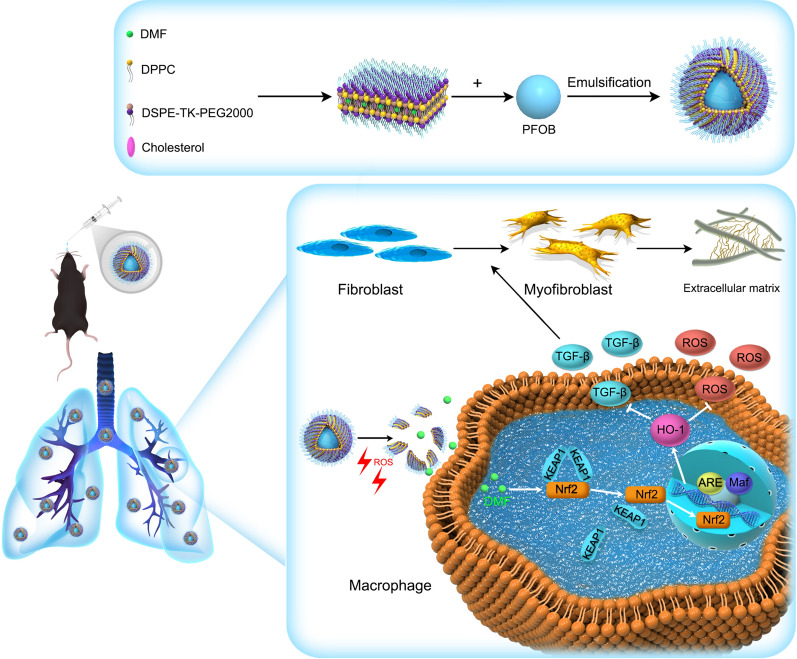
Idiopathic pulmonary fibrosis (IPF) is a progressive fibrotic disease with pathophysiological characteristics of transforming growth factor-β (TGF-β), and reactive oxygen species (ROS)-induced excessive fibroblast-to-myofibroblast transition and extracellular matrix deposition. Macrophages are closely involved in the development of fibrosis. Nuclear factor erythroid 2 related factor 2 (Nrf2) is a key molecule regulating ROS and TGF-β expression. Therefore, Nrf2 signaling modulation might be a promising therapy for fibrosis. The inhalation-based drug delivery can reduce systemic side effects and improve therapeutic effects, and is currently receiving increasing attention, but direct inhaled drugs are easily cleared and difficult to exert their efficacy. Therefore, we aimed to design a ROS-responsive liposome for the Nrf2 agonist dimethyl fumarate (DMF) delivery in the fibrotic lung. Moreover, we explored its therapeutic effect on pulmonary fibrosis and macrophage activation.
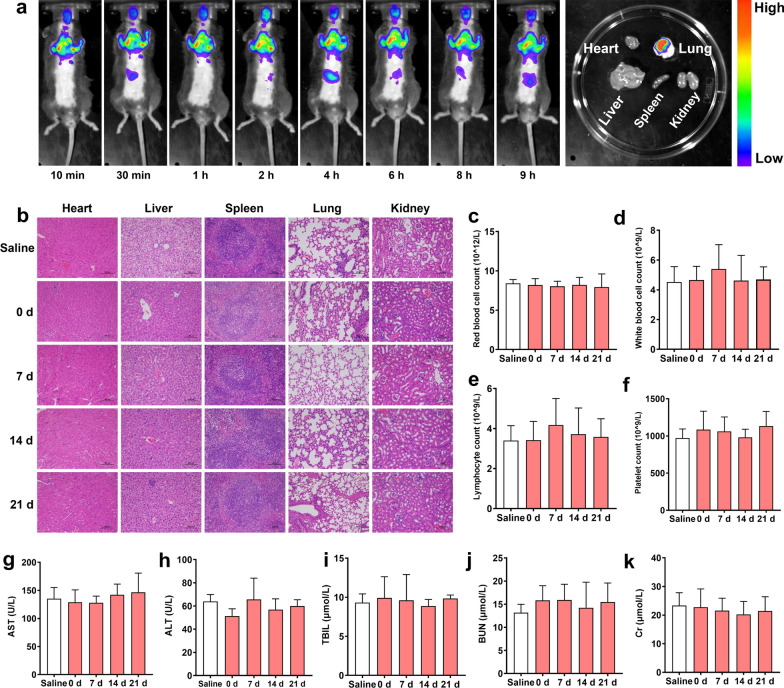
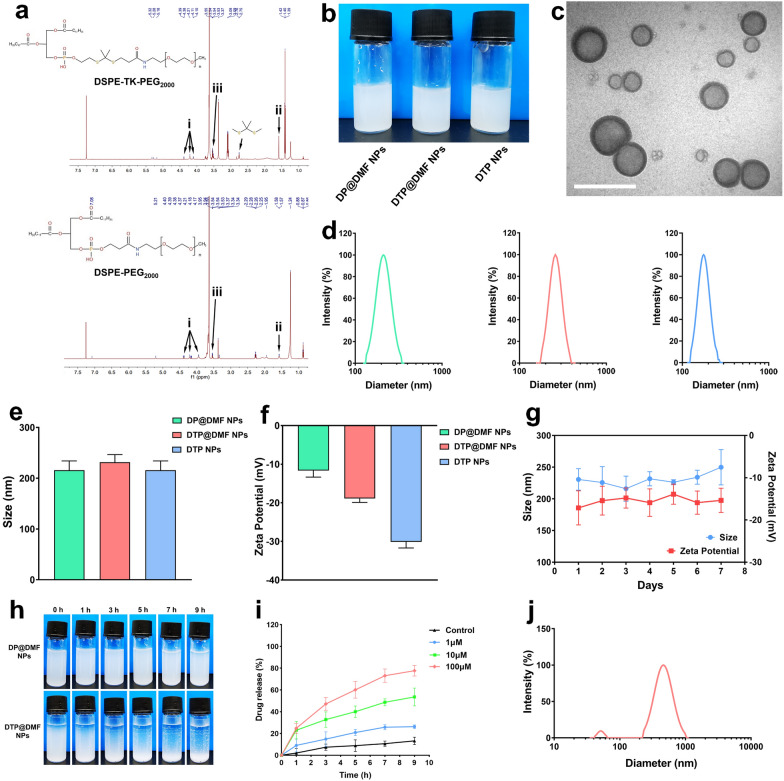
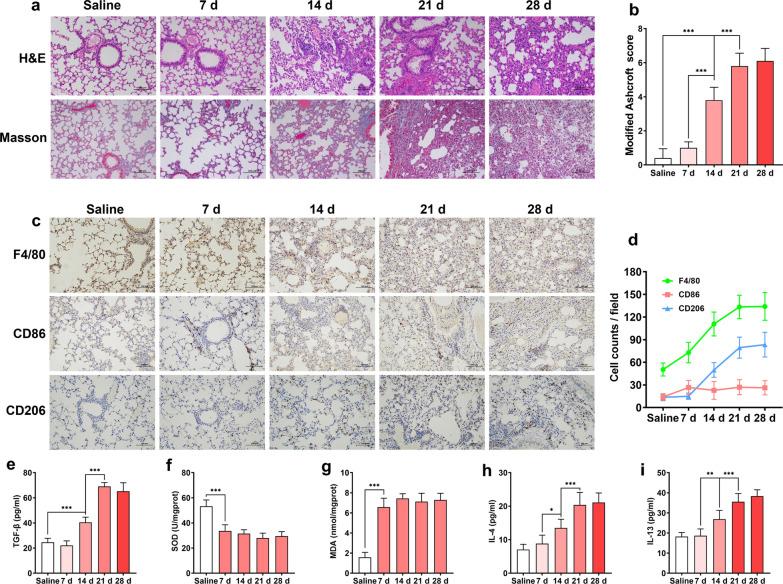
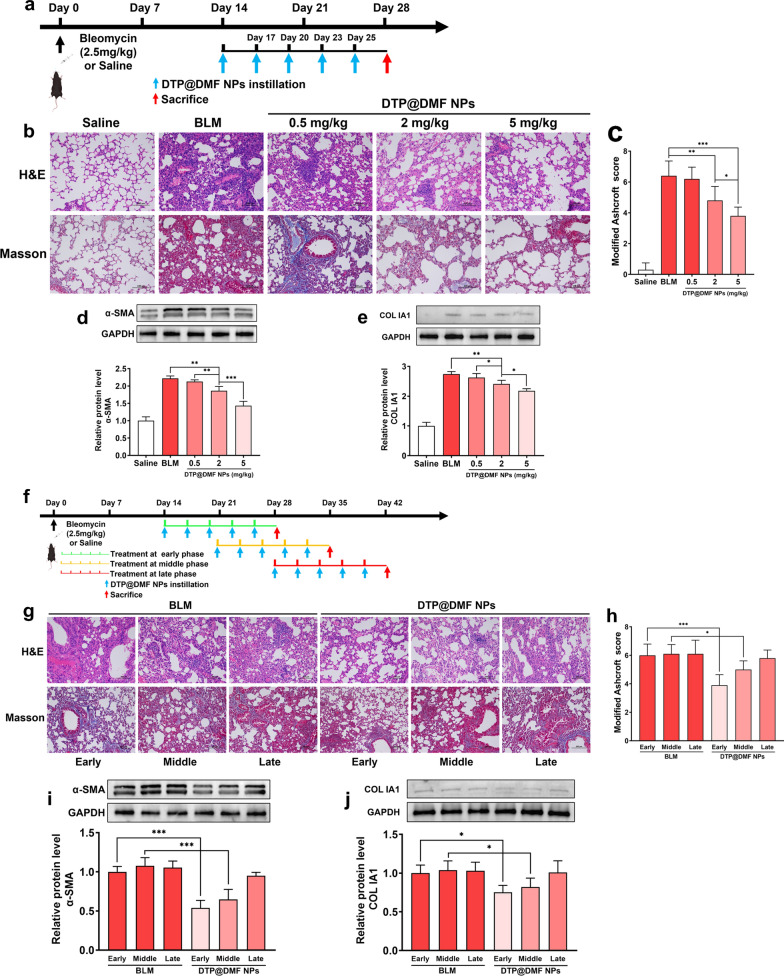
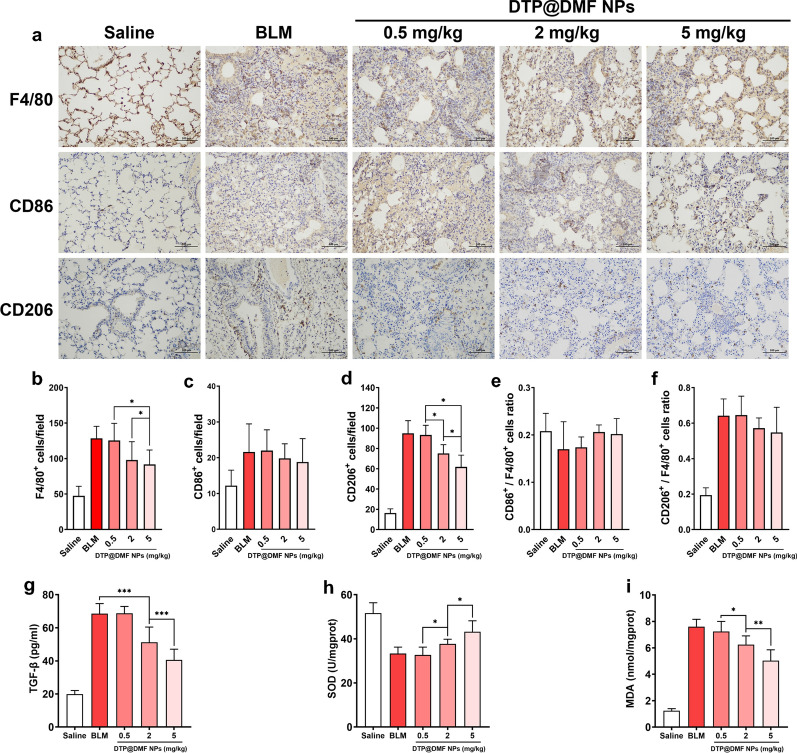
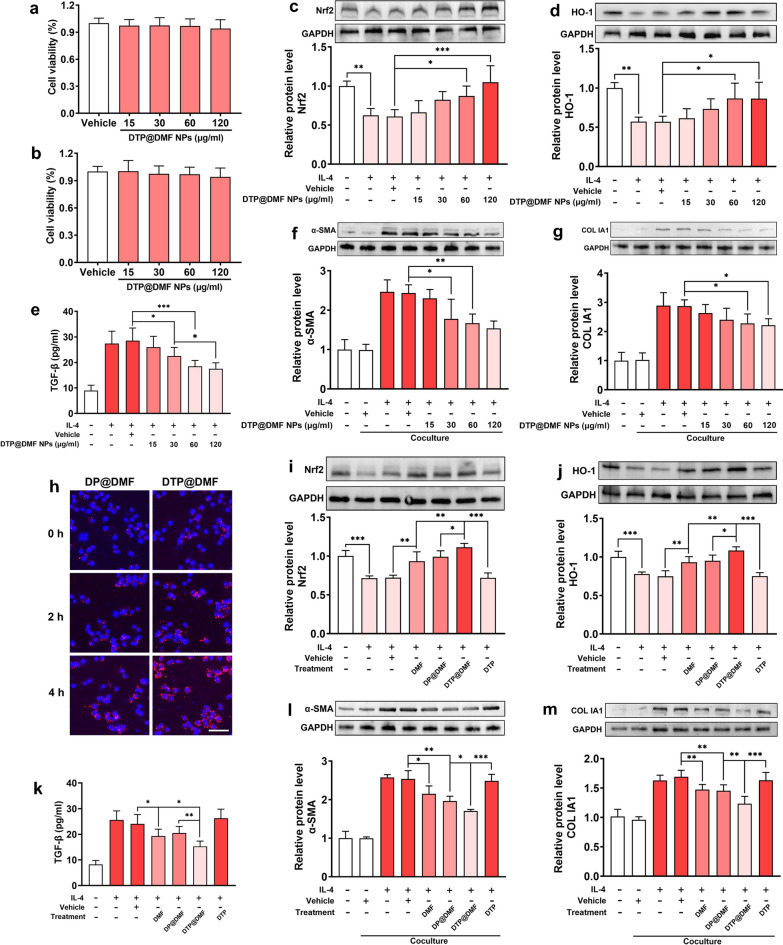
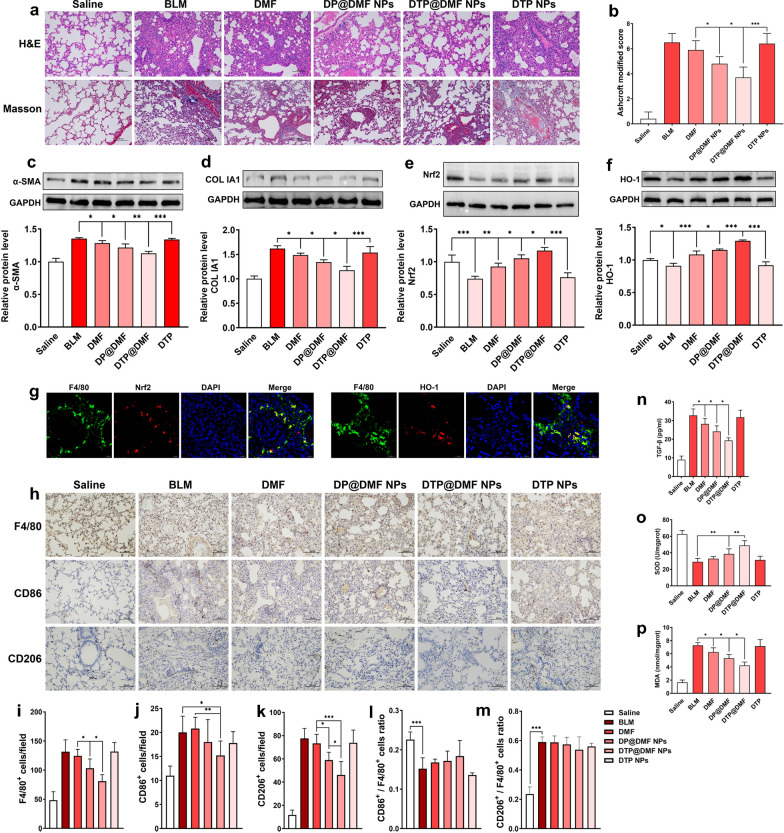
We synthesized DMF-loaded ROS-responsive DSPE-TK-PEG@DMF liposomes (DTP@DMF NPs). DTP@DMF NPs had suitable size and negative zeta potential and excellent capability to rapidly release DMF in a high-ROS environment. We found that macrophage accumulation and polarization were closely related to fibrosis development, while DTP@DMF NPs could attenuate macrophage activity and fibrosis in mice. RAW264.7 and NIH-3T3 cells coculture revealed that DTP@DMF NPs could promote Nrf2 and downstream heme oxygenase-1 (HO-1) expression and suppress TGF-β and ROS production in macrophages, thereby reducing fibroblast-to-myofibroblast transition and collagen production by NIH-3T3 cells. In vivo experiments confirmed the above findings. Compared with direct DMF instillation, DTP@DMF NPs treatment presented enhanced antifibrotic effect. DTP@DMF NPs also had a prolonged residence time in the lung as well as excellent biocompatibility.
DTP@DMF NPs can reduce macrophage-mediated fibroblast-to-myofibroblast transition and extracellular matrix deposition to attenuate lung fibrosis by upregulating Nrf2 signaling. This ROS-responsive liposome is clinically promising as an ideal delivery system for inhaled drug delivery.
特发性肺纤维化(IPF)是一种进行性纤维化疾病,具有转化生长因子-β(TGF-β)和活性氧(ROS)诱导的过度成纤维细胞向肌成纤维细胞转化和细胞外基质沉积的病理生理特征。巨噬细胞在纤维化的发展中密切相关。核因子红细胞 2 相关因子 2(Nrf2)是调节 ROS 和 TGF-β表达的关键分子。因此,Nrf2 信号转导调节可能是纤维化的一种有前途的治疗方法。基于吸入的药物输送可以减少全身副作用并提高治疗效果,目前正受到越来越多的关注,但直接吸入的药物容易清除,难以发挥疗效。因此,我们旨在设计一种用于特发性肺纤维化和巨噬细胞激活的 Nrf2 激动剂富马酸二甲酯(DMF)的 ROS 响应脂质体。
我们合成了负载 DMF 的 ROS 响应 DSPE-TK-PEG@DMF 脂质体(DTP@DMF NPs)。DTP@DMF NPs 具有合适的粒径和负 zeta 电位,并且在高 ROS 环境中能够快速释放 DMF。我们发现巨噬细胞的积累和极化与纤维化的发展密切相关,而 DTP@DMF NPs 可以减轻小鼠的巨噬细胞活性和纤维化。RAW264.7 和 NIH-3T3 细胞共培养表明,DTP@DMF NPs 可以促进巨噬细胞中 Nrf2 和下游血红素加氧酶-1(HO-1)的表达,并抑制 TGF-β和 ROS 的产生,从而减少 NIH-3T3 细胞的成纤维细胞向肌成纤维细胞的转化和胶原蛋白的产生。体内实验证实了上述发现。与直接 DMF 滴注相比,DTP@DMF NPs 治疗具有增强的抗纤维化作用。与直接 DMF 滴注相比,DTP@DMF NPs 治疗具有增强的抗纤维化作用。DTP@DMF NPs 还具有延长在肺部的停留时间和良好的生物相容性。
DTP@DMF NPs 通过上调 Nrf2 信号减轻巨噬细胞介导的成纤维细胞向肌成纤维细胞转化和细胞外基质沉积,从而减轻肺纤维化。这种 ROS 响应脂质体作为吸入药物输送的理想输送系统具有临床应用前景。