Haschka Stefanie J, Gar Christina, Potzel Anne L, Sacco Vanessa, Kern-Matschilles Stefanie, Benz Irina, Then Cornelia, Seissler Jochen, Lechner Andreas
Diabetes Research Group, Ludwig-Maximilians-Universität (LMU) Klinikum, Munich, DEU.
Diabetes and Endocrinology, German Center for Diabetes Research, Neuherberg, DEU.
Cureus. 2022 Apr 7;14(4):e23916. doi: 10.7759/cureus.23916. eCollection 2022 Apr.
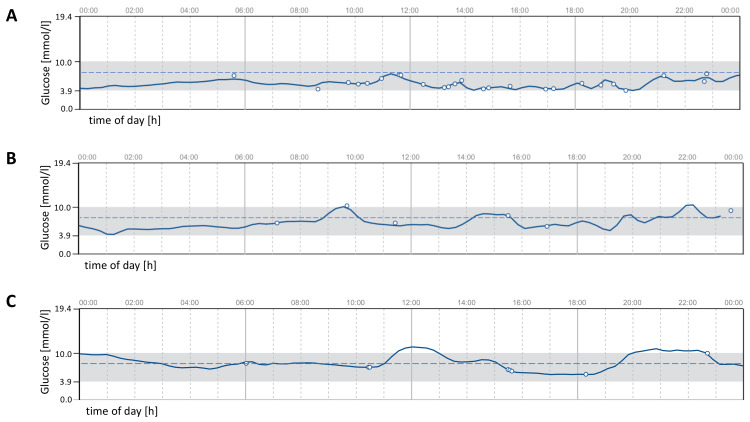
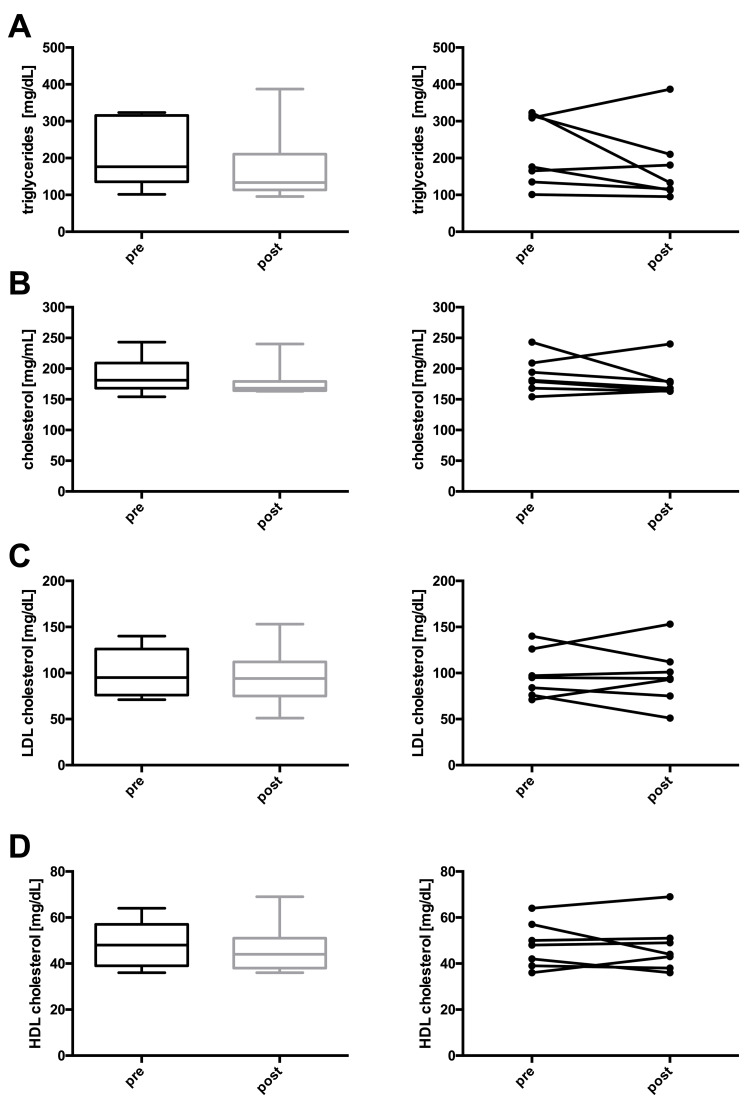
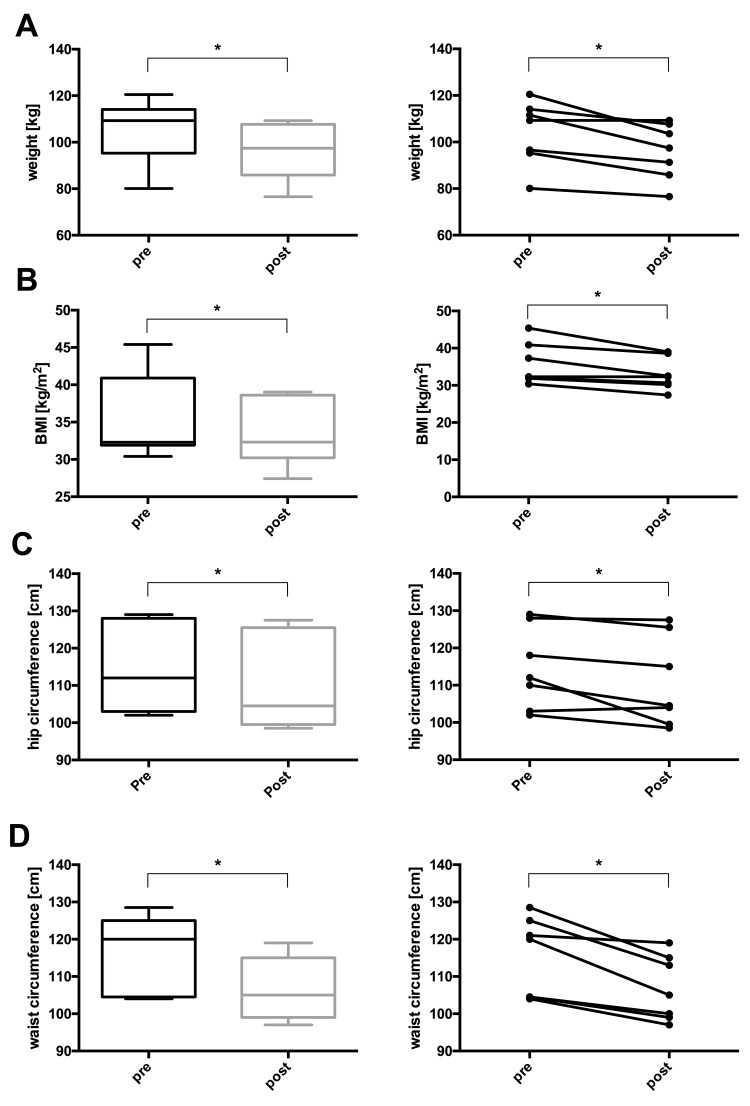
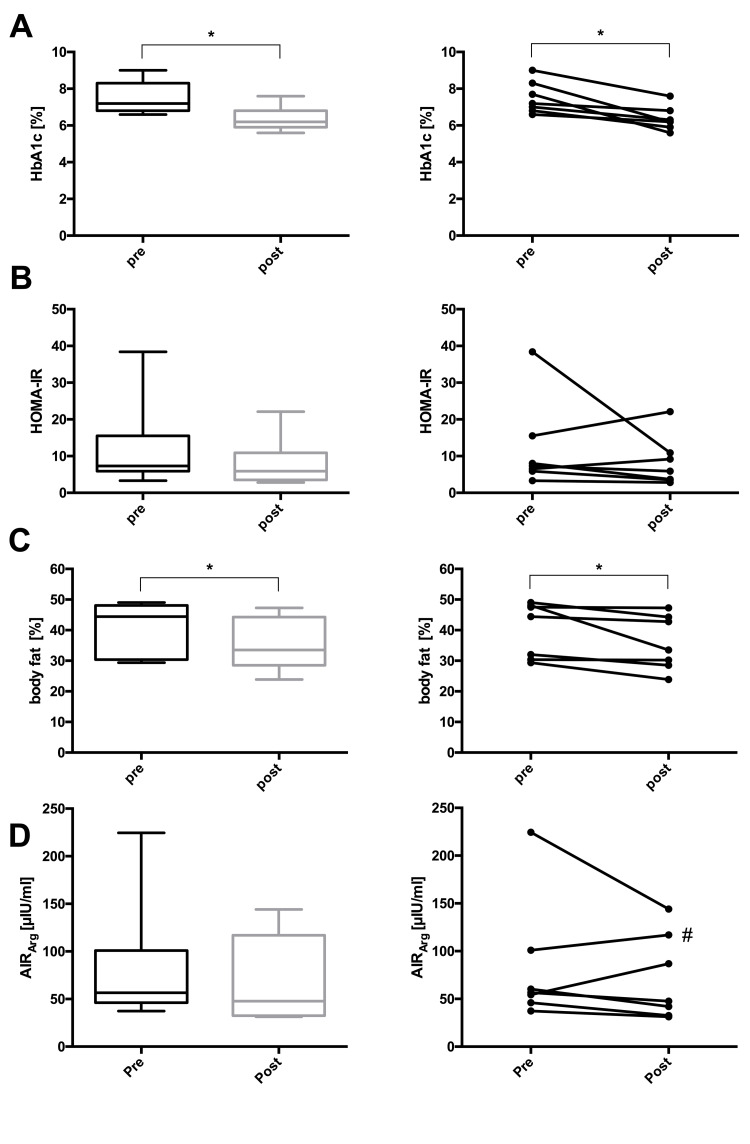
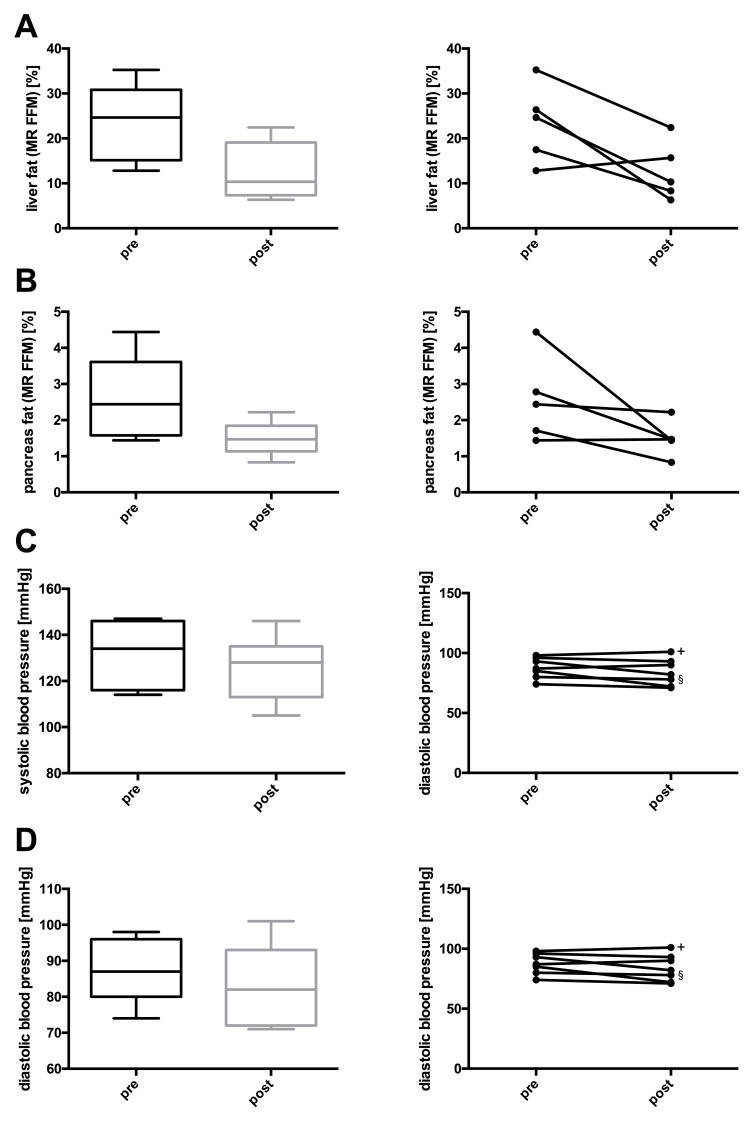
Background/objective Type 2 diabetes related to metabolic syndrome is often partially reversible after weight loss. We conducted a pilot trial on whether complete remission to the point of a normalized real-life glucose profile, measured by continuous subcutaneous monitoring, can be achieved. Methods We conducted a mono-center, single-arm intervention trial between January 20, 2020, and January 12, 2021, in Munich, Germany. Ten participants had type 2 diabetes related to metabolic syndrome for a maximum of six years. They received a six-month lifestyle intervention including up to three months of a very-low-calorie formula diet, followed by stepwise food reintroduction and regular behavioral lifestyle counseling. The primary outcome was the status of glucose control at the end of the intervention. Complete remission was defined as normalization of the real-life glucose profile without glucose-lowering medication over at least five days. We measured anthropometric and biochemical parameters, body fat distribution by MRI, and insulin secretory reserve by an arginine stimulation test. Results Seven participants completed the trial, one reached complete remission, three achieved partial remission, and three displayed improved glucose control still in the diabetic range. A reduction of median glycosylated hemoglobin by -10 mmol/mol (-22.0 to -5.0; p = 0.016) co-occurred with weight loss of -6.4 kg (-14.2 to -3.5; p = 0.031). The insulin secretory reserve remained unchanged. Conclusions Complete remission of type 2 diabetes related to metabolic syndrome to the point of a normalized real-life glucose profile is possible through lifestyle intervention. Full intervention success remains challenging even with intensive counseling and support.
背景/目的 与代谢综合征相关的2型糖尿病在体重减轻后通常部分可逆。我们进行了一项试点试验,以确定通过持续皮下监测测量,是否能够实现完全缓解至正常的实际生活血糖水平。方法 2020年1月20日至2021年1月12日期间,我们在德国慕尼黑进行了一项单中心、单臂干预试验。10名参与者患有与代谢综合征相关的2型糖尿病,病程最长6年。他们接受了为期6个月的生活方式干预,包括长达3个月的极低热量配方饮食,随后逐步重新引入食物并定期进行行为生活方式咨询。主要结局是干预结束时的血糖控制状况。完全缓解定义为至少5天内实际生活血糖水平正常且未使用降糖药物。我们测量了人体测量和生化参数、通过MRI测量的体脂分布以及通过精氨酸刺激试验测量的胰岛素分泌储备。结果 7名参与者完成了试验,1名达到完全缓解,3名实现部分缓解,3名血糖控制仍在糖尿病范围内但有所改善。糖化血红蛋白中位数降低-10 mmol/mol(-22.0至-5.0;p = 0.016),同时体重减轻-6.4 kg(-14.2至-3.5;p = 0.031)。胰岛素分泌储备保持不变。结论 通过生活方式干预,与代谢综合征相关的2型糖尿病有可能完全缓解至正常的实际生活血糖水平。即使有强化咨询和支持,完全干预成功仍具有挑战性。