School of Social Sciences & Humanities, University of Management and Technology, C-II, Johar Town, Lahore, Pakistan.
School of Health Sciences, Faculty of Medicine and Health Sciences, University of Nottingham, Queen's Medical Centre, Nottingham NG7 2HA, UK.
Vaccine. 2022 May 31;40(25):3413-3432. doi: 10.1016/j.vaccine.2022.04.030. Epub 2022 Apr 28.
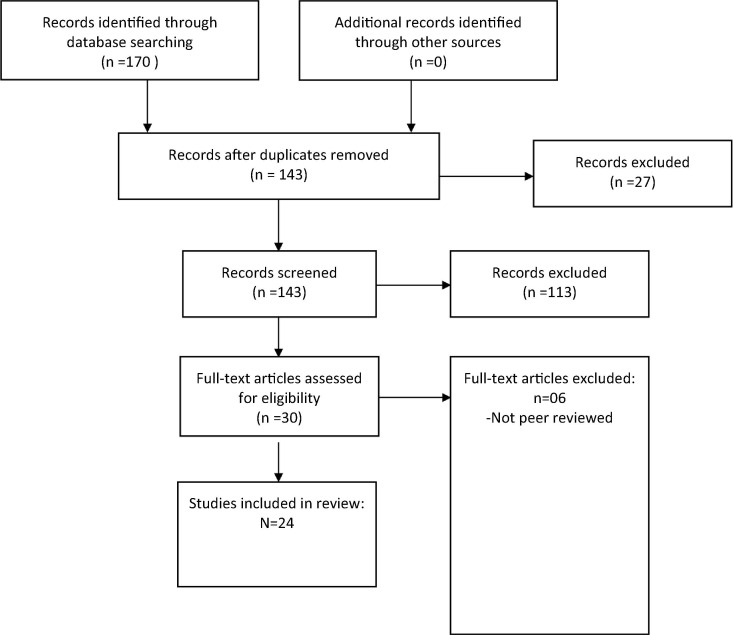
Ethnic minority communities in the UK have been disproportionately affected by the pandemic, with increased risks of infection, severe disease, and death. Hesitancy around the COVID-19 vaccine may be contributing to disparities in vaccine delivery to ethnic minority communities. This systematic review aims to strengthen understanding of COVID-19 vaccine concerns among ethnic minorities in the UK. Five databases were searched in February 2022, yielding 24 peer-reviewed studies reporting on vaccine hesitancy or acceptance in ethnic minority groups. Data were extracted using a standardised form, and quality assessment was carried out using the Standard Quality Criteria. There were three key themes: (1). Prevalence of vaccine hesitancy; (2). Reasons for vaccine hesitancy and acceptance; and (3). Recommendations to address vaccine concerns. Vaccine hesitancy, which was more common among some ethnic minority groups, is a complex phenomenon, driven by misinformation, mistrust, concerns about safety and efficacy, and structural and systemic inequities. Community engagement and tailored communication may help to address vaccine concerns. Robust data disaggregated by ethnicities are needed to better understand barriers and facilitators for COVID-19 vaccine delivery in ethnic minority communities. Strategies to address structural disadvantage need to be inclusive, comprehensive, and behaviorally informed and foster confidence in healthcare systems and governments. Community leaders and health care practitioners may prove to be the most important agents in creating an environment of trust within ethnic minority groups.
英国少数民族社区受疫情影响不成比例,感染、重病和死亡的风险增加。对 COVID-19 疫苗的犹豫可能导致少数民族社区疫苗接种的差异。本系统评价旨在加强对英国少数民族 COVID-19 疫苗问题的理解。2022 年 2 月在五个数据库中进行了搜索,共产生了 24 项同行评议研究报告,报告了少数民族群体对疫苗犹豫不决或接受的情况。使用标准化表格提取数据,并使用标准质量标准进行质量评估。有三个关键主题:(1)疫苗犹豫的流行率;(2)疫苗犹豫和接受的原因;(3)解决疫苗问题的建议。疫苗犹豫在一些少数民族群体中更为常见,这是一种复杂的现象,由错误信息、不信任、对安全性和有效性的担忧以及结构性和系统性不平等驱动。社区参与和量身定制的沟通可能有助于解决疫苗问题。需要按族裔分类的可靠数据,以更好地了解少数民族社区 COVID-19 疫苗接种的障碍和促进因素。解决结构性劣势的策略需要具有包容性、全面性和行为性,并增强对医疗保健系统和政府的信心。社区领导人和医疗保健从业者可能被证明是在少数民族群体中建立信任环境的最重要因素。