Institute for Glycomics, Griffith Universitygrid.1022.1, Queensland, Australia.
Research Centre for Infectious Diseases, Department of Molecular and Biomedical Science, University of Adelaidegrid.1010.0, Adelaide, Australia.
Microbiol Spectr. 2022 Jun 29;10(3):e0091622. doi: 10.1128/spectrum.00916-22. Epub 2022 May 10.
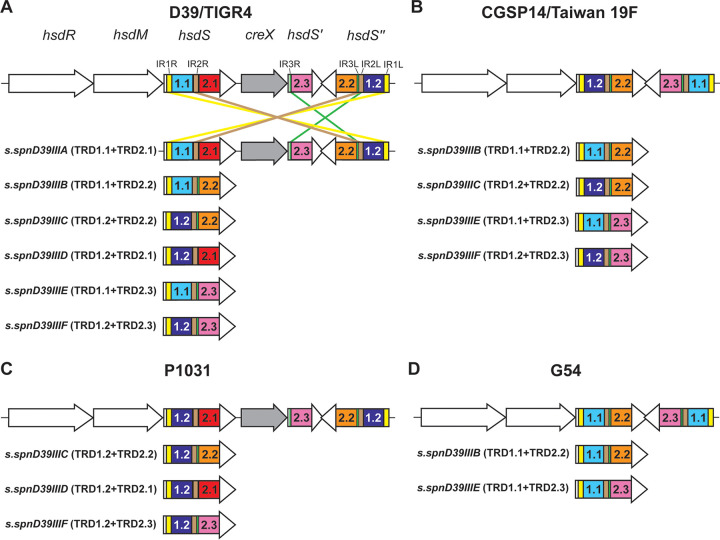
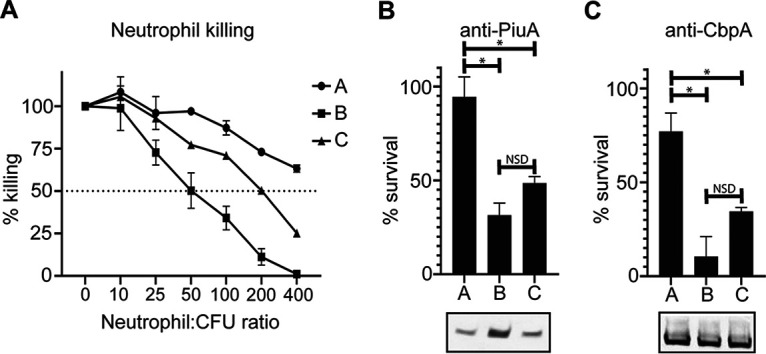
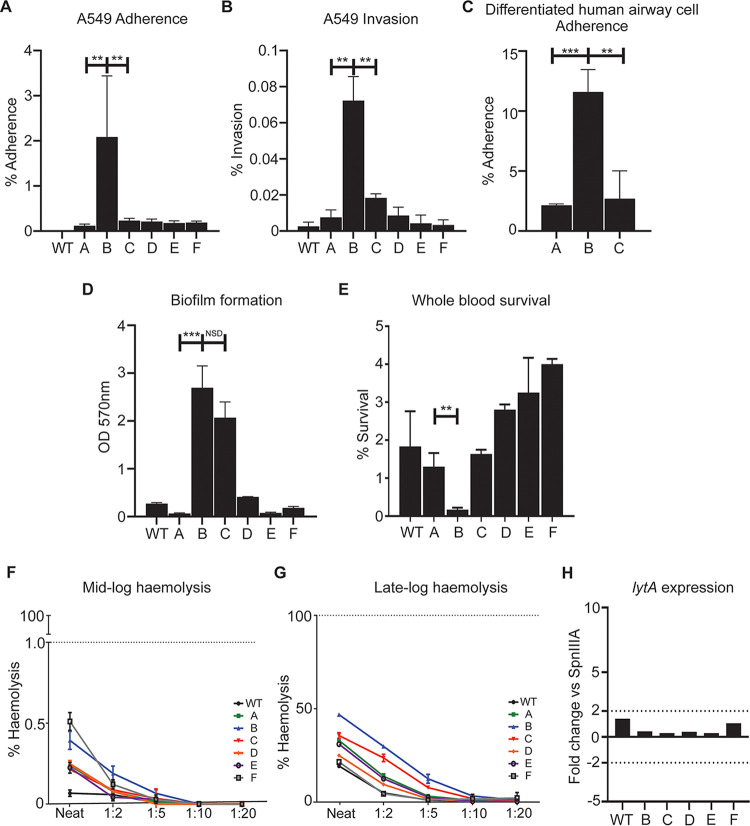
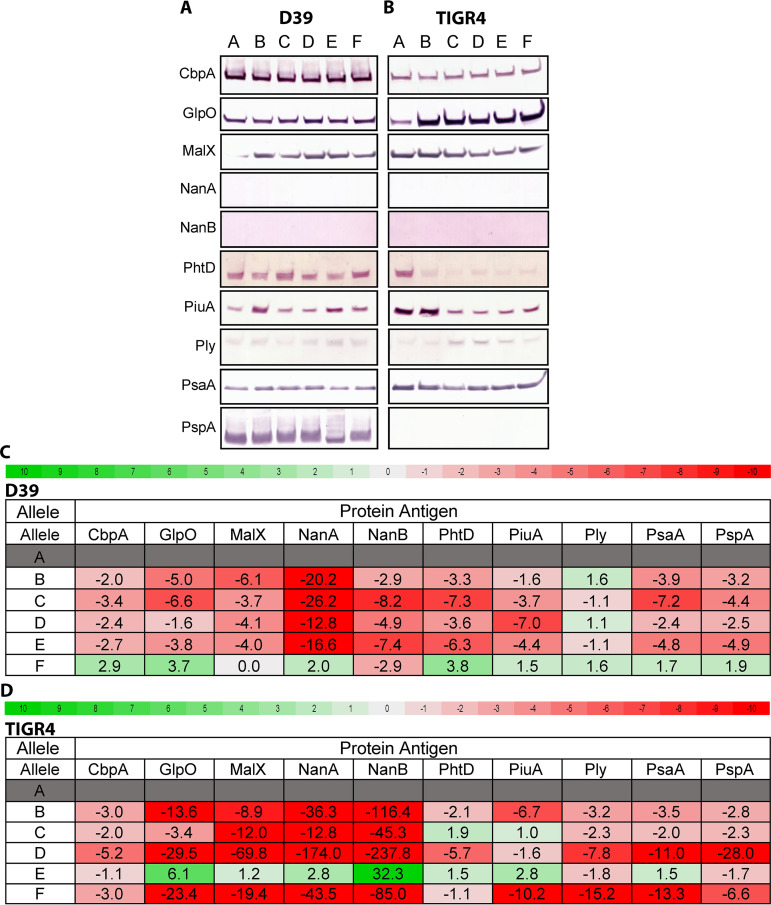
Streptococcus pneumoniae is the most common cause of bacterial illness worldwide. Current vaccines based on the polysaccharide capsule are only effective against a limited number of the >100 capsular serotypes. A universal vaccine based on conserved protein antigens requires a thorough understanding of gene expression in S. pneumoniae. All S. pneumoniae strains encode the SpnIII Restriction-Modification system. This system contains a phase-variable methyltransferase that switches specificity, and controls expression of multiple genes-a phasevarion. We examined the role of this phasevarion during pneumococcal pathobiology, and determined if phase variation resulted in differences in expression of currently investigated conserved protein antigens. Using locked strains that express a single methyltransferase specificity, we found differences in clinically relevant traits, including survival in blood, and adherence to and invasion of human cells. We also observed differences in expression of numerous proteinaceous vaccine candidates, which complicates selection of antigens for inclusion in a universal protein-based pneumococcal vaccine. This study will inform vaccine design against S. pneumoniae by ensuring only stably expressed candidates are included in a rationally designed vaccine. S. pneumoniae is the world's foremost bacterial pathogen. S. pneumoniae encodes a phasevarion (phase-variable regulon), that results in differential expression of multiple genes. Previous work demonstrated that the pneumococcal SpnIII phasevarion switches between six different expression states, generating six unique phenotypic variants in a pneumococcal population. Here, we show that this phasevarion generates multiple phenotypic differences relevant to pathobiology. Importantly, expression of conserved protein antigens varies with phasevarion switching. As capsule expression, a major pneumococcal virulence factor, is also controlled by the phasevarion, our work will inform the selection of the best candidates to include in a rationally designed, universal pneumococcal vaccine.
肺炎链球菌是全球最常见的细菌性疾病病原体。目前基于多糖荚膜的疫苗仅对 100 多种荚膜血清型中的有限数量有效。基于保守蛋白抗原的通用疫苗需要对肺炎链球菌中的基因表达有透彻的了解。所有肺炎链球菌株都编码 SpnIII 限制修饰系统。该系统包含一个相变异甲基转移酶,可改变特异性,并控制多个基因的表达——一个相变异区。我们研究了该相变异区在肺炎链球菌病理生物学中的作用,并确定相变异是否导致目前研究的保守蛋白抗原表达的差异。使用表达单一甲基转移酶特异性的锁定菌株,我们发现了在临床相关特征方面的差异,包括在血液中的存活能力,以及对人类细胞的粘附和侵袭能力。我们还观察到许多蛋白疫苗候选物的表达存在差异,这使得在通用蛋白疫苗中选择抗原变得复杂。本研究通过确保仅包含稳定表达的候选物,为针对肺炎链球菌的疫苗设计提供信息,从而对抗肺炎链球菌。肺炎链球菌是世界上最重要的细菌性病原体。肺炎链球菌编码一个相变异区(相变异调控子),导致多个基因的差异表达。以前的工作表明,肺炎链球菌 SpnIII 相变异区在六种不同的表达状态之间切换,在肺炎链球菌群体中产生六种独特的表型变体。在这里,我们表明该相变异区产生了与病理生物学相关的多种表型差异。重要的是,保守蛋白抗原的表达随相变异区的切换而变化。由于荚膜表达是肺炎球菌的主要毒力因子,也受相变异区的控制,我们的工作将为在合理设计的通用肺炎球菌疫苗中选择最佳候选物提供信息。