Yan Meiling, Li Yun, Luo Qingmao, Zeng Wenru, Shao Xiaoqi, Li Lun, Wang Qing, Wang Dongwei, Zhang Yue, Diao Hongtao, Rong Xianglu, Bai Yunlong, Guo Jiao
The Center for Drug Research and Development, Guangdong Pharmaceutical University, Guangzhou, 510006, China.
Guangdong Metabolic Disease Research Center of Integrated Chinese and Western Medicine, Guangzhou, 510006, China.
Cell Death Discov. 2022 May 11;8(1):258. doi: 10.1038/s41420-022-01046-w.
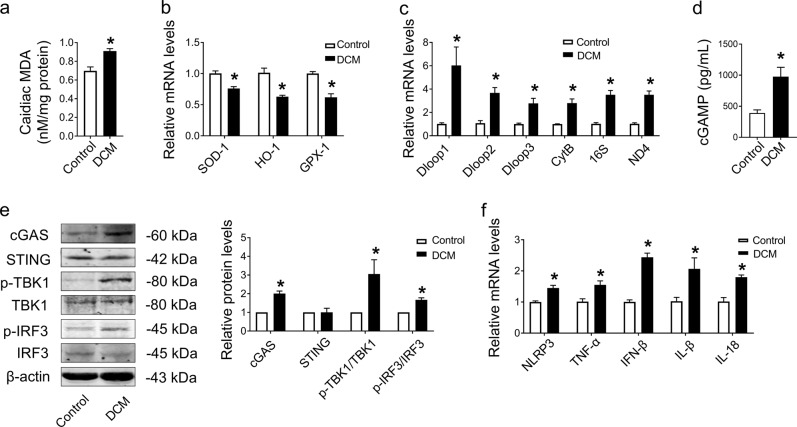
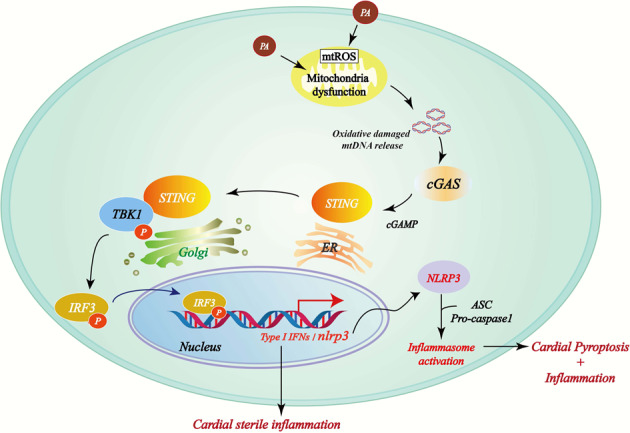
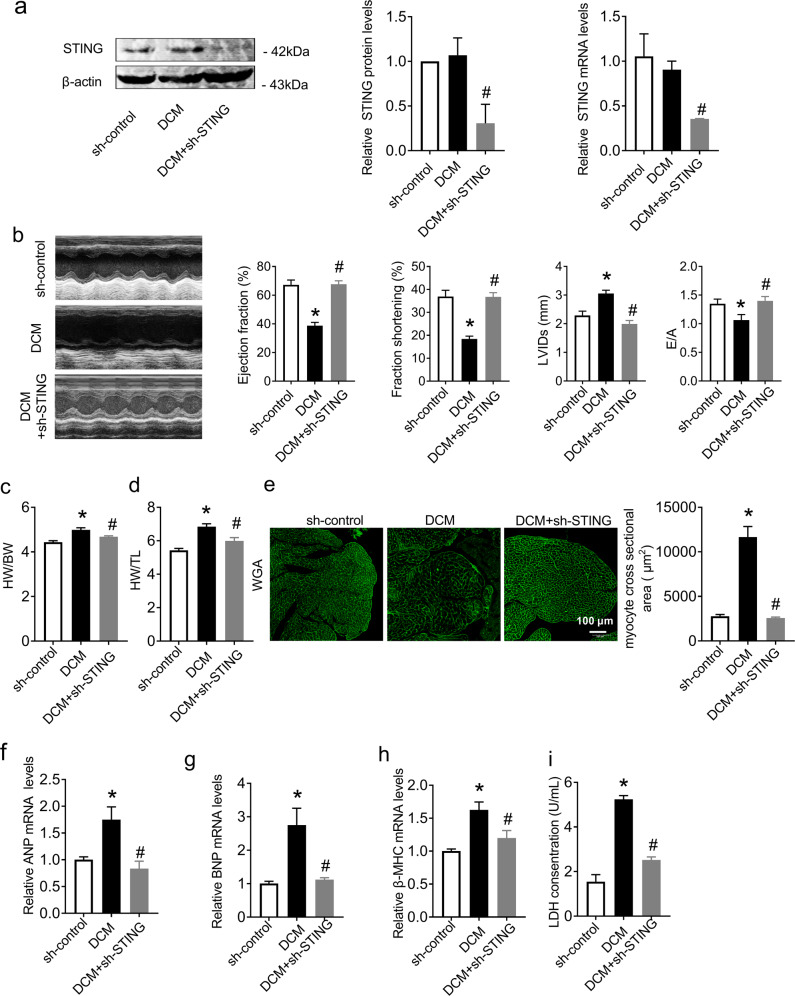
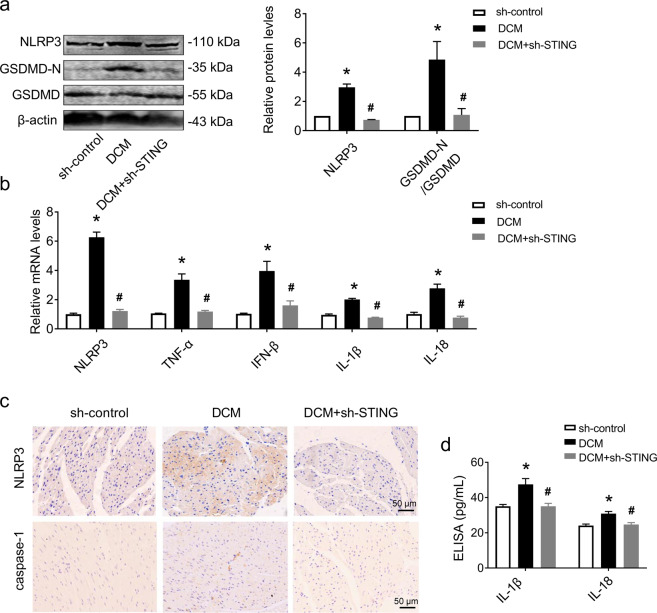
Diabetic cardiomyopathy (DCM) is a serious cardiac complication of diabetes that currently lacks specific treatment. The cyclic GMP-AMP synthase (cGAS)-stimulator of interferon genes (STING) signaling pathway has been suggested to contribute to the pathogenesis of cardiovascular diseases. However, whether cGAS-STING is involved in the development of DCM has not been established. Our study aimed to determine the role of cGAS-STING in the initiation of nucleotide-binding oligomerization domain-like receptor pyrin domain containing 3 (NLRP3) inflammasome-induced cardiac pyroptosis and chronic inflammation during the pathogenesis of DCM. C57BL/6J mice were preinjected with adeno-associated virus 9 (AAV9) intravenously via the tail vein to specifically knock down myocardial STING. After four weeks, mice with myocardium-specific knockdown of STING received injections of streptozotocin (STZ; 50 mg/kg) and a high-fat diet to induce diabetes. Measurements included echocardiography, immunohistochemical analyses, wheat germ agglutinin (WGA) staining, and western blotting. Here, we showed that the cGAS-STING signaling pathway was activated in diabetic hearts, which was indicated by the increased phosphorylation of TANK-binding kinase 1 (TBK1) and interferon (IFN) regulatory factor 3 (IRF3), leading to the activation of the NLRP3 inflammasome in the hearts of diabetic mice and proinflammatory cytokine release into serum. Moreover, STING knockdown via adeno-associated virus-9 (AAV9) in diabetic mouse heart alleviated cardiac pyroptosis and the inflammatory response, prevented diabetes-induced hypertrophy, and restored cardiac function. Mechanistically, we showed that palmitic acid (PA)-induced lipotoxicity impairs mitochondrial homeostasis, producing excessive mitochondrial reactive oxygen species (mtROS), which results in oxidative damage to mitochondrial DNA (mtDNA) and its release into the cytoplasm while switching on cGAS-STING-mediated pyroptosis in cardiomyocytes, thereby worsening the progression of diabetic cardiomyopathy. Our study demonstrated that activation of the cGAS-STING pathway caused by mitochondrial oxidative damage and mtDNA escape induced by free fatty acids promoted pyroptosis and proinflammatory responses in cardiomyocytes in a NLRP3 inflammasome-dependent manner, thus promoting myocardial hypertrophy during the progression of DCM.
糖尿病性心肌病(DCM)是糖尿病一种严重的心脏并发症,目前缺乏特效治疗方法。环磷酸鸟苷-腺苷酸合成酶(cGAS)-干扰素基因刺激因子(STING)信号通路被认为与心血管疾病的发病机制有关。然而,cGAS-STING是否参与DCM的发生发展尚未明确。我们的研究旨在确定cGAS-STING在DCM发病过程中启动含吡咯结构域的NLRP3炎性小体诱导的心脏细胞焦亡和慢性炎症中的作用。通过尾静脉向C57BL/6J小鼠静脉内预先注射腺相关病毒9(AAV9),以特异性敲低心肌中的STING。四周后,心肌特异性敲低STING的小鼠接受链脲佐菌素(STZ;50mg/kg)注射和高脂饮食以诱导糖尿病。检测指标包括超声心动图、免疫组化分析、麦胚凝集素(WGA)染色和蛋白质印迹法。在此,我们发现糖尿病心脏中cGAS-STING信号通路被激活,这表现为TANK结合激酶1(TBK1)和干扰素(IFN)调节因子3(IRF3)磷酸化增加,导致糖尿病小鼠心脏中NLRP3炎性小体激活以及促炎细胞因子释放到血清中。此外,通过腺相关病毒9(AAV9)敲低糖尿病小鼠心脏中的STING可减轻心脏细胞焦亡和炎症反应,预防糖尿病诱导的心肌肥大,并恢复心脏功能。机制上,我们发现棕榈酸(PA)诱导的脂毒性损害线粒体稳态,产生过量的线粒体活性氧(mtROS),这导致线粒体DNA(mtDNA)氧化损伤并释放到细胞质中,同时开启cGAS-STING介导的心肌细胞焦亡,从而使糖尿病性心肌病的进展恶化。我们的研究表明,游离脂肪酸诱导的线粒体氧化损伤和mtDNA释放所导致的cGAS-STING通路激活,以NLRP3炎性小体依赖的方式促进心肌细胞焦亡和促炎反应,从而在DCM进展过程中促进心肌肥大。