Division of Molecular Toxicology, Institute of Environmental Medicine, Karolinska Institutet, Nobels väg 13, Stockholm, Sweden.
Department of Biotechnology and Life Sciences, University of Insubria, Varese, Italy.
Part Fibre Toxicol. 2022 May 10;19(1):33. doi: 10.1186/s12989-022-00467-w.
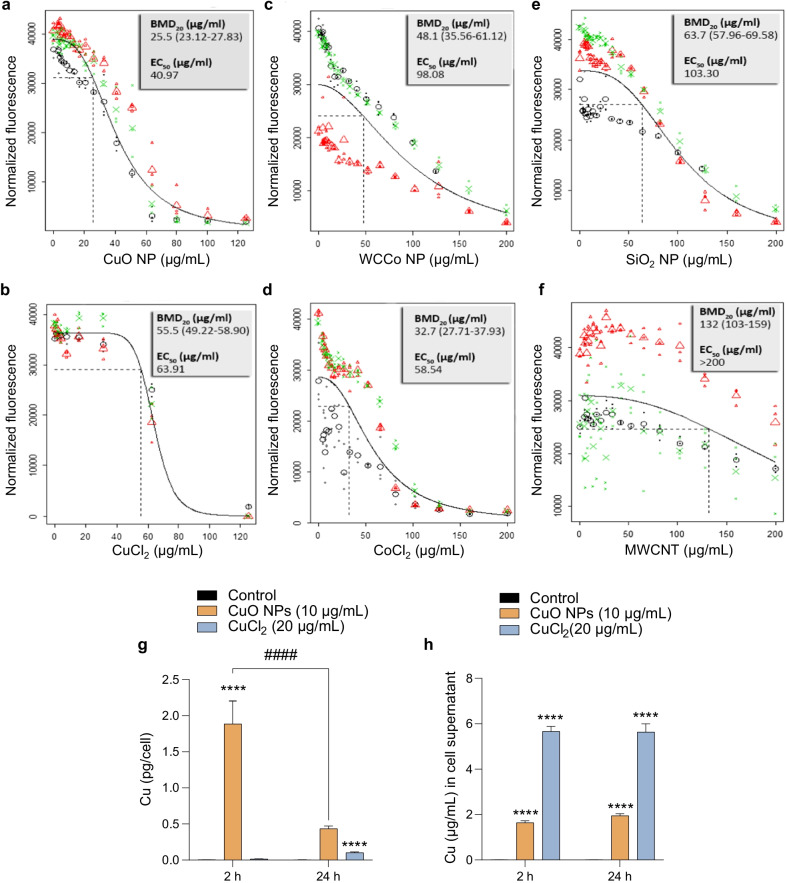
Copper oxide (CuO) nanoparticles (NPs) are known to trigger cytotoxicity in a variety of cell models, but the mechanism of cell death remains unknown. Here we addressed the mechanism of cytotoxicity in macrophages exposed to CuO NPs versus copper chloride (CuCl).
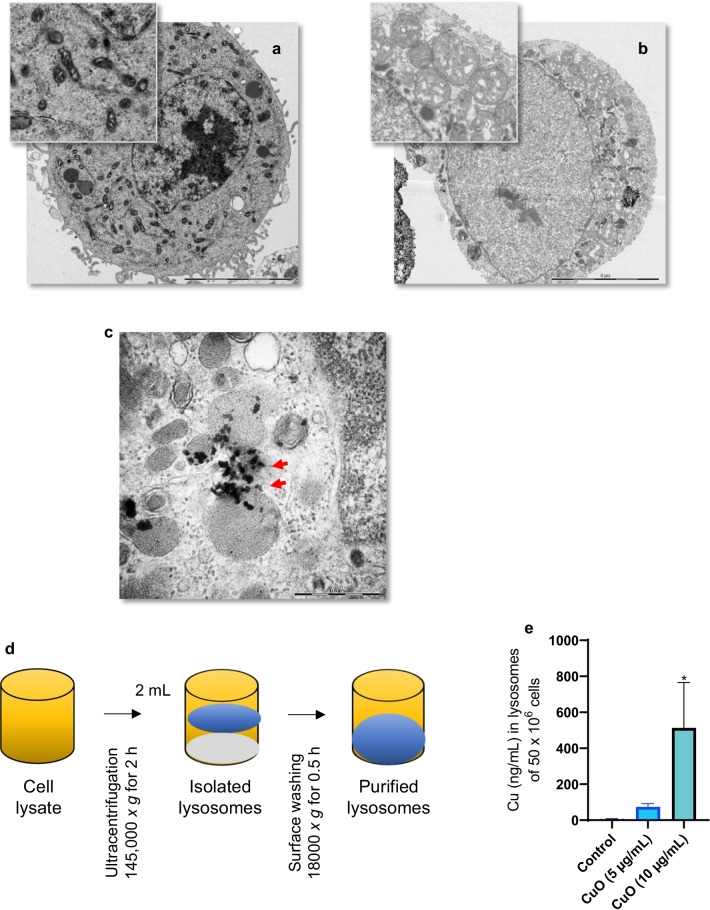
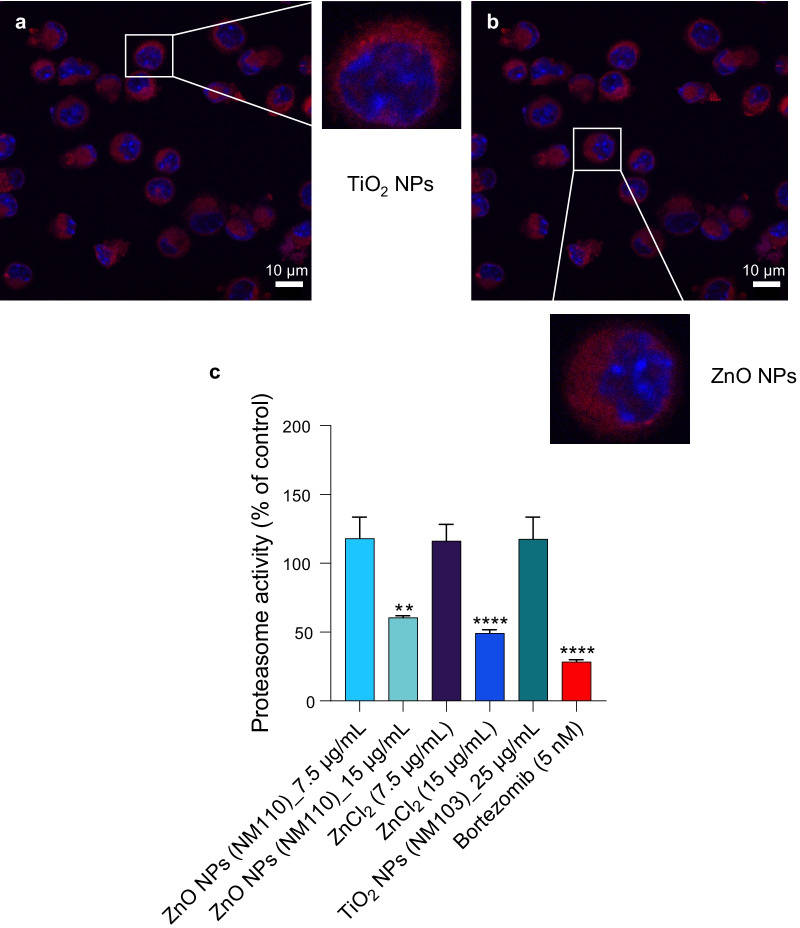
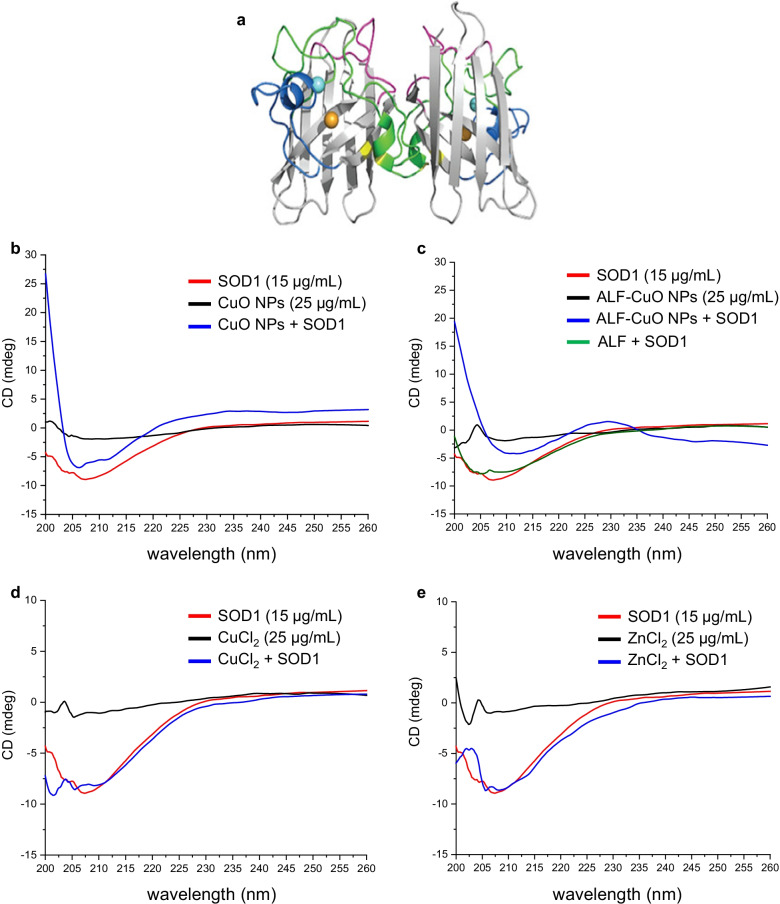
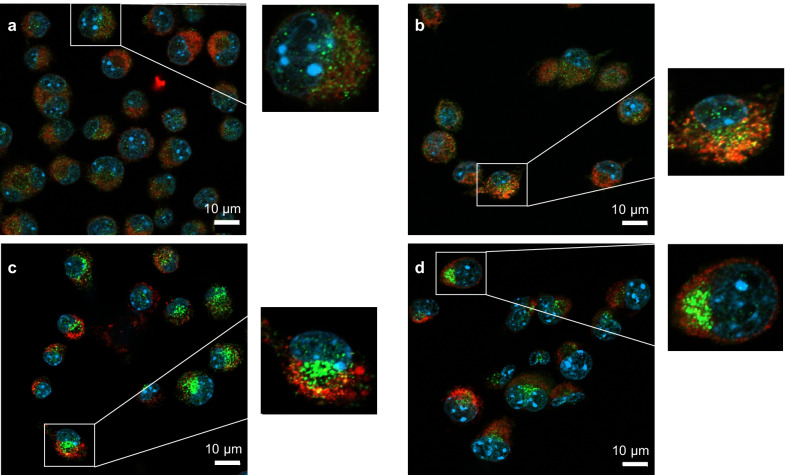
The mouse macrophage cell line RAW264.7 was used as an in vitro model. Particle uptake and the cellular dose of Cu were investigated by transmission electron microscopy (TEM) and inductively coupled plasma mass spectrometry (ICP-MS), respectively. The deposition of Cu in lysosomes isolated from macrophages was also determined by ICP-MS. Cell viability (metabolic activity) was assessed using the Alamar Blue assay, and oxidative stress was monitored by a variety of methods including a luminescence-based assay for cellular glutathione (GSH), and flow cytometry-based detection of mitochondrial superoxide and mitochondrial membrane potential. Protein aggregation was determined by confocal microscopy using an aggresome-specific dye and protein misfolding was determined by circular dichroism (CD) spectroscopy. Lastly, proteasome activity was investigated using a fluorometric assay.
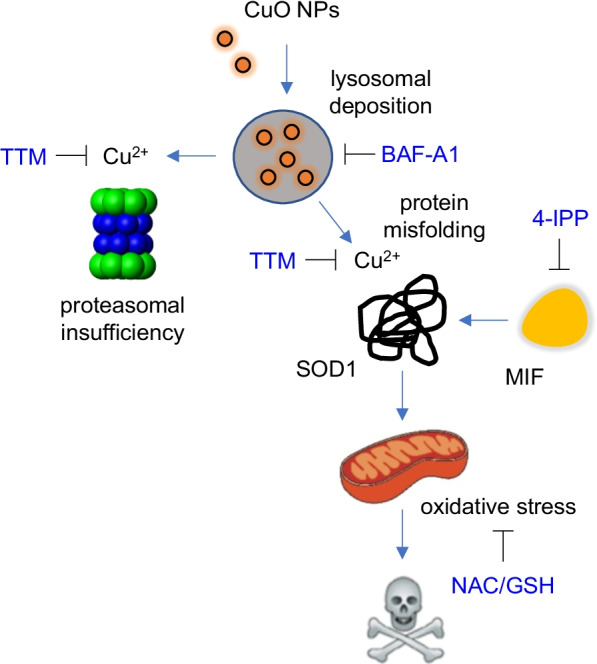
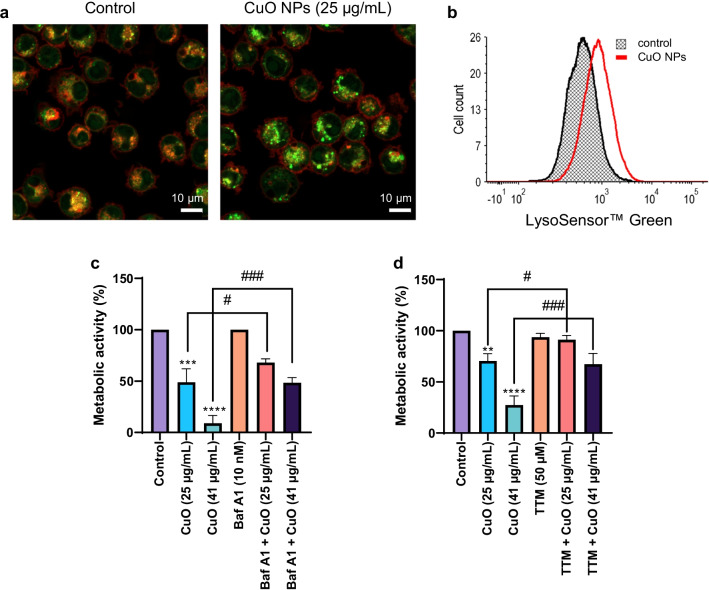
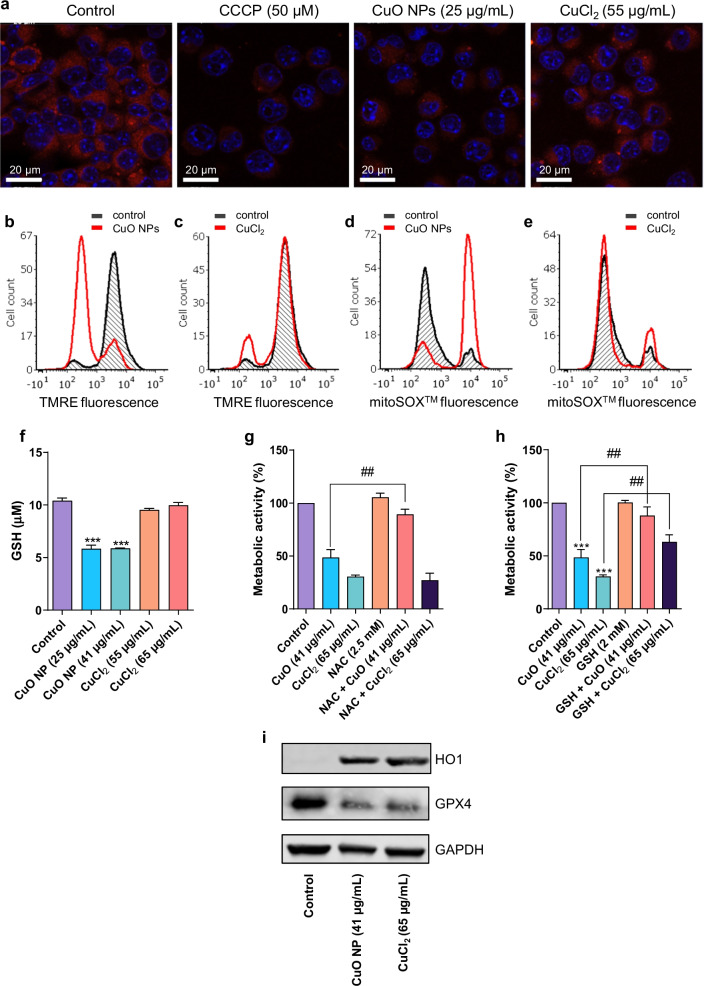
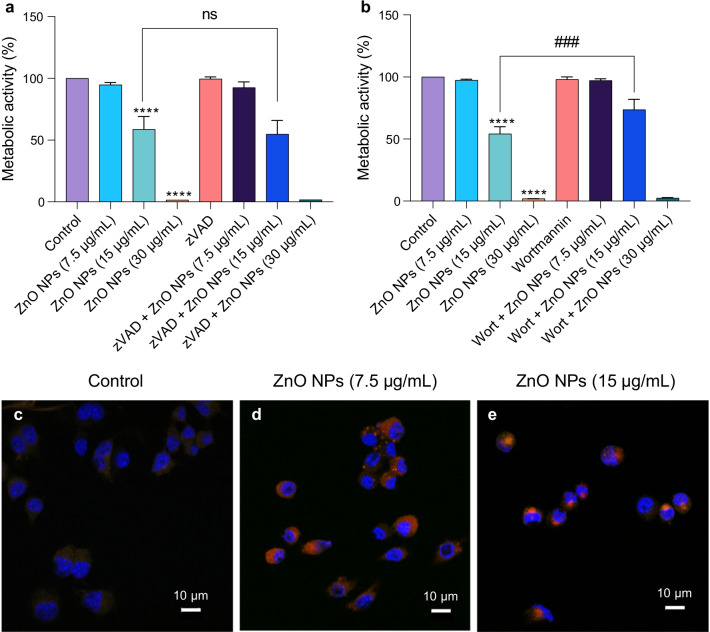
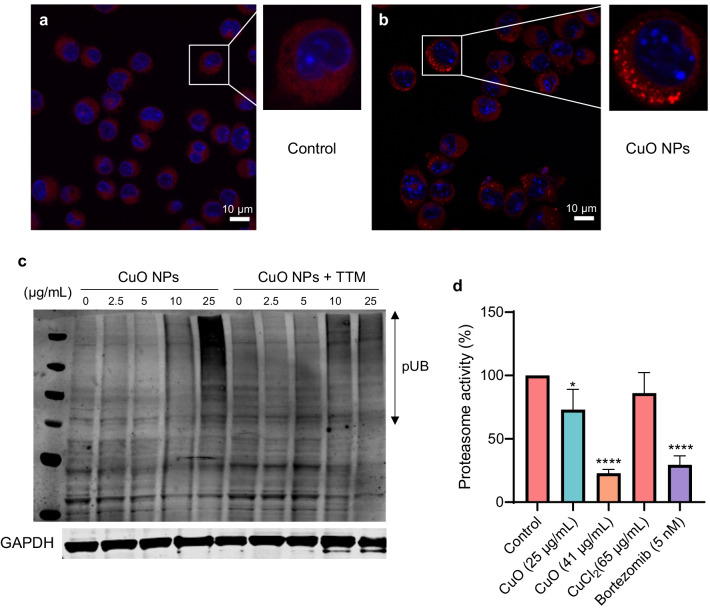
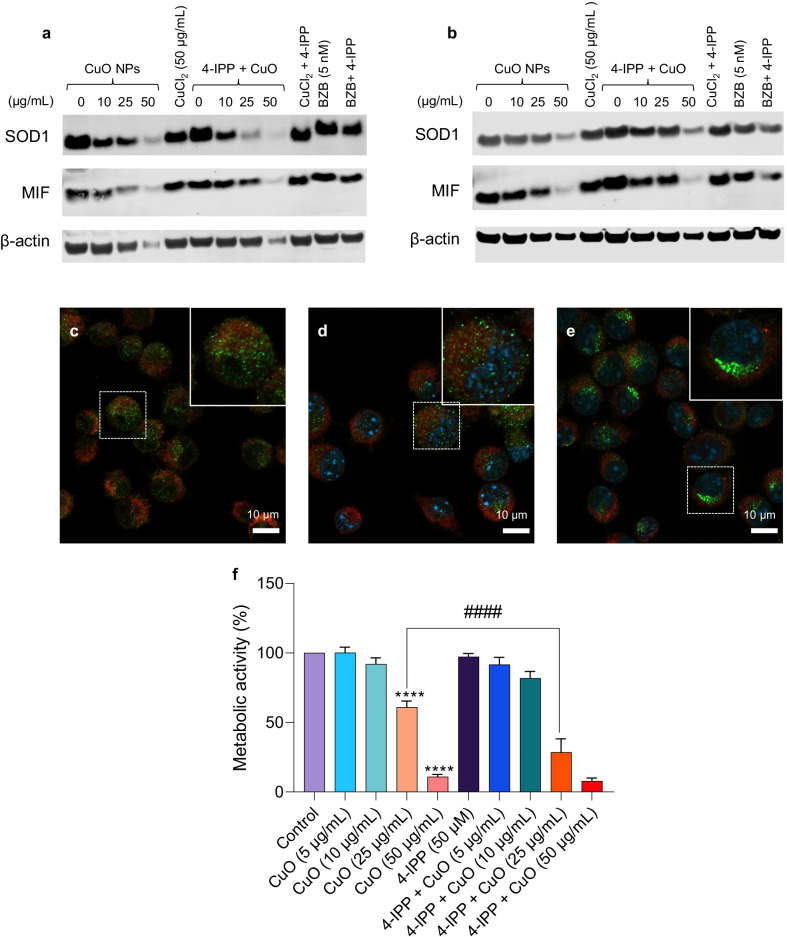
We observed rapid cellular uptake of CuO NPs in macrophages with deposition in lysosomes. CuO NP-elicited cell death was characterized by mitochondrial swelling with signs of oxidative stress including the production of mitochondrial superoxide and cellular depletion of GSH. We also observed a dose-dependent accumulation of polyubiquitinated proteins and loss of proteasomal function in CuO NP-exposed cells, and we could demonstrate misfolding and mitochondrial translocation of superoxide dismutase 1 (SOD1), a Cu/Zn-dependent enzyme that plays a pivotal role in the defense against oxidative stress. The chelation of copper ions using tetrathiomolybdate (TTM) prevented cell death whereas inhibition of the cellular SOD1 chaperone aggravated toxicity. Moreover, CuO NP-triggered cell death was insensitive to the pan-caspase inhibitor, zVAD-fmk, and to wortmannin, an inhibitor of autophagy, implying that this was a non-apoptotic cell death. ZnO NPs, on the other hand, triggered autophagic cell death.
CuO NPs undergo dissolution in lysosomes leading to copper-dependent macrophage cell death characterized by protein misfolding and proteasomal insufficiency. Specifically, we present novel evidence for Cu-induced SOD1 misfolding which accords with the pronounced oxidative stress observed in CuO NP-exposed macrophages. These results are relevant for our understanding of the consequences of inadvertent human exposure to CuO NPs.
氧化铜 (CuO) 纳米颗粒 (NPs) 已被证实可在多种细胞模型中引发细胞毒性,但细胞死亡的机制仍不清楚。在此,我们研究了巨噬细胞暴露于 CuO NPs 与氯化铜 (CuCl) 时的细胞毒性机制。
采用小鼠巨噬细胞系 RAW264.7 作为体外模型。通过透射电子显微镜 (TEM) 分别研究了颗粒摄取和细胞内铜含量,通过电感耦合等离子体质谱法 (ICP-MS) 研究了从巨噬细胞中分离的溶酶体中铜的沉积。还通过 ICP-MS 确定了铜在溶酶体中的沉积。通过阿尔玛蓝 (Alamar Blue) 测定法评估细胞活力(代谢活性),通过多种方法监测氧化应激,包括基于发光的细胞内谷胱甘肽 (GSH) 测定法和基于流式细胞术的线粒体超氧化物和线粒体膜电位检测。使用含有聚集物特异性染料的共聚焦显微镜确定蛋白聚集,使用圆二色性 (CD) 光谱法确定蛋白错误折叠。最后,使用荧光测定法研究蛋白酶体活性。
我们观察到巨噬细胞中 CuO NPs 的快速细胞摄取,并沉积在溶酶体中。CuO NP 诱导的细胞死亡的特征是线粒体肿胀,伴有氧化应激的迹象,包括线粒体超氧化物的产生和细胞内 GSH 的消耗。我们还观察到 CuO NP 暴露细胞中多泛素化蛋白的剂量依赖性积累和蛋白酶体功能丧失,并且能够证明超氧化物歧化酶 1 (SOD1) 的错误折叠和线粒体易位,SOD1 是一种铜/锌依赖性酶,在抵御氧化应激中起关键作用。使用四硫钼酸盐 (TTM) 螯合铜离子可防止细胞死亡,而细胞 SOD1 伴侣抑制剂加重了毒性。此外,CuO NP 触发的细胞死亡对泛半胱天冬酶抑制剂 zVAD-fmk 不敏感,对自噬抑制剂wortmannin 不敏感,这表明这是一种非凋亡性细胞死亡。另一方面,氧化锌 (ZnO) NPs 引发自噬性细胞死亡。
CuO NPs 在溶酶体中溶解,导致铜依赖性巨噬细胞死亡,其特征是蛋白错误折叠和蛋白酶体不足。具体而言,我们提出了新的证据,证明 Cu 诱导的 SOD1 错误折叠与在 CuO NP 暴露的巨噬细胞中观察到的明显氧化应激相符。这些结果对于我们理解人类意外暴露于 CuO NPs 的后果具有重要意义。