Janeczek Maciej, Szymczyk Patrycja, Dobrzynski Maciej, Parulska Olga, Szymonowicz Maria, Kuropka Piotr, Rybak Zbigniew, Zywicka Boguslawa, Ziolkowski Grzegorz, Marycz Krzysztof, Chroszcz Aleksander, Skalec Aleksandra, Targonska Sara, Wiglusz Rafal J
Department of Biostructure and Animal Physiology, Faculty of Veterinary Medicine, Wroclaw University of Environmental and Life Sciences Kozuchowska 1 51-631 Wroclaw Poland.
Center for Advanced Manufacturing Technologies (CAMT-FPC), Faculty of Mechanical Engineering, Wroclaw University of Science and Technology Lukasiewicza 5 50-371 Wroclaw Poland.
RSC Adv. 2018 Apr 24;8(28):15533-15546. doi: 10.1039/c8ra01625a. eCollection 2018 Apr 23.
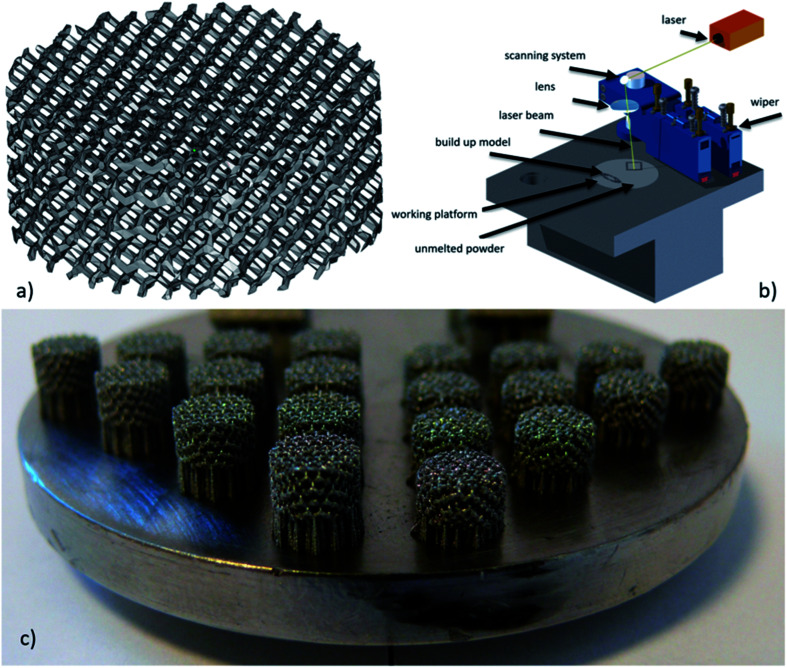
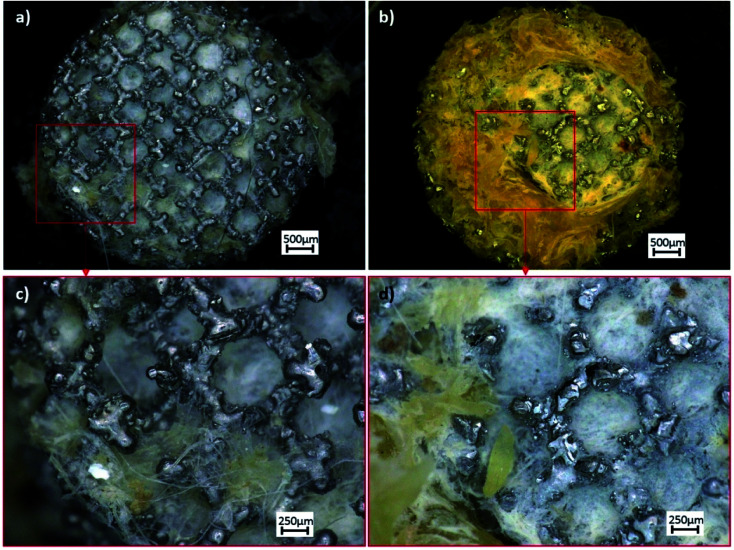
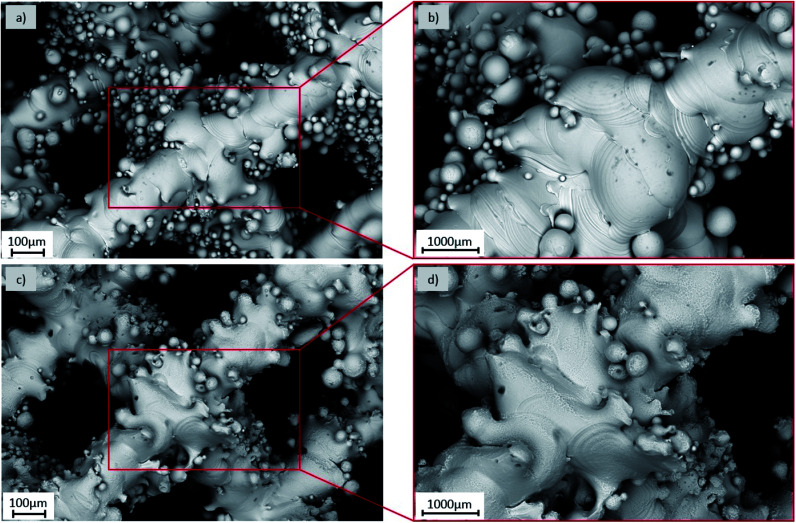
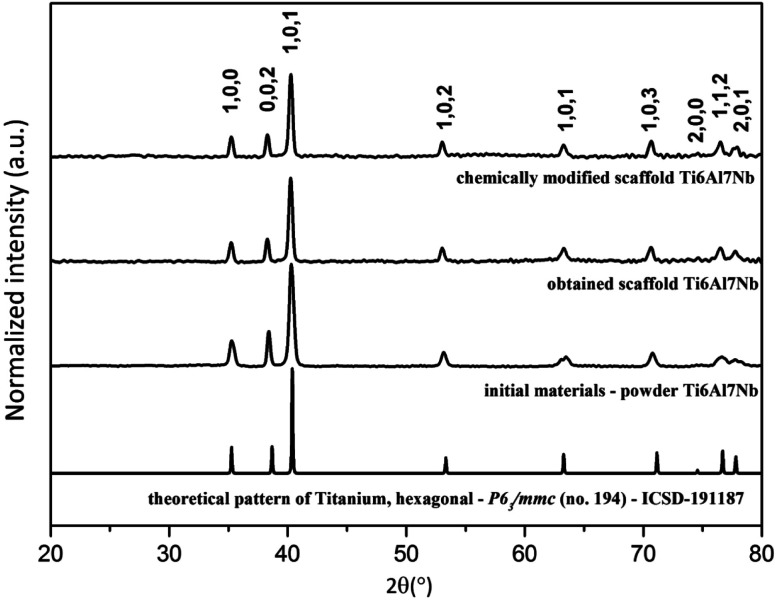
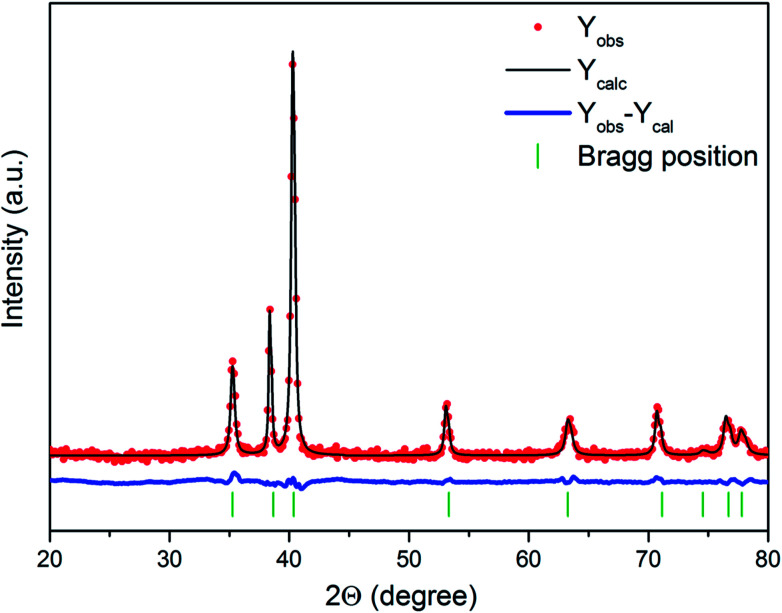
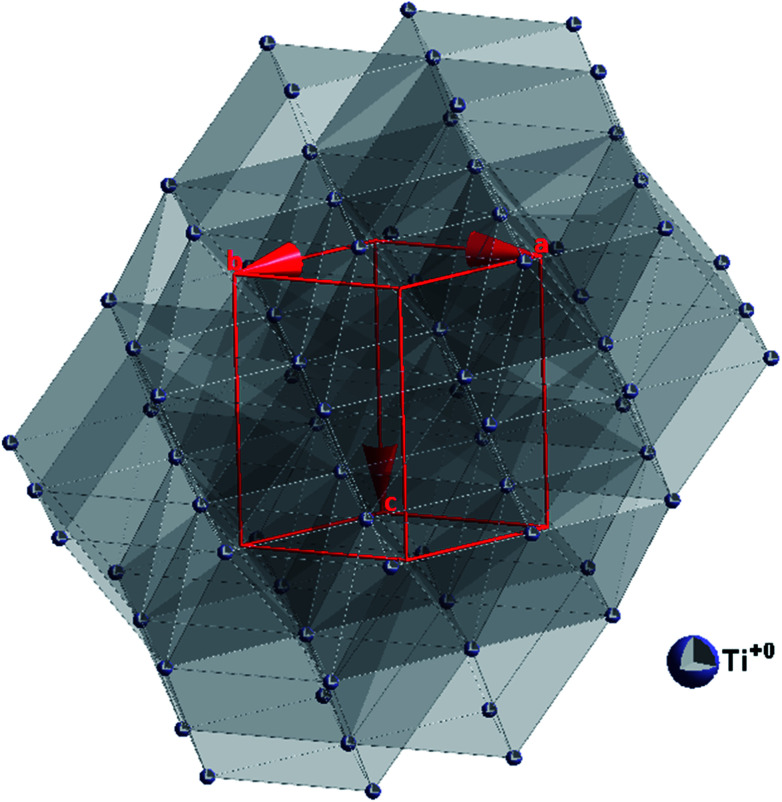
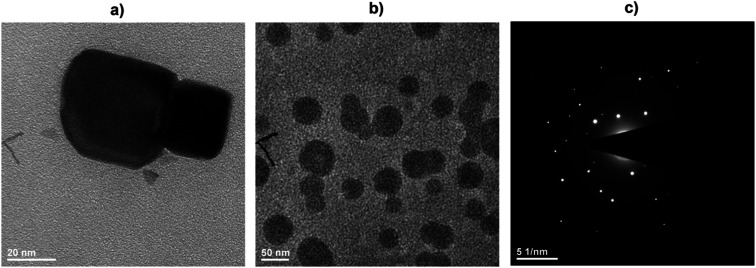
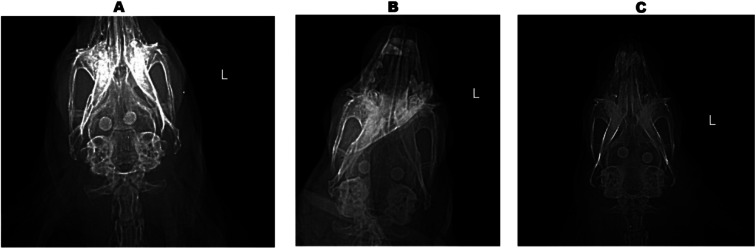
In response to the need for implant materials characterized by high biocompatibility a new type of nanostructured Ti6Al7Nb implants for osseous tissue regeneration have been fabricated. The nanostructured cylindrical implants were manufactured in accordance with 3D CAD data using the Selective Laser Melting (SLM) method. Implants were subjected to chemical polishing using a mixture of nitric acid and fluoride (test group) as well as cleaned in distilled water and isopropyl alcohol (control group). The structural and morphological properties of the obtained samples were determined by using XRD (X-ray powder diffraction), TEM (transmission electron microscopy) and SEM (scanning electron microscopy) techniques. The particle size was verified and calculated by Rietveld method to be in the range of 25-90 nm. In the present study, experimental tests concerning implants fabricated from a nanostructured Ti6Al7Nb alloy, which may substitute bone tissue, were discussed in detail. The control group and test group were used in the study. The animal model was New Zealand rabbit. The implants were implanted into skull fornix and observed after 1, 2 and 3 months. The results of macroscopic and microscopic analysis proved better osseointegration of chemically modified implants.
为了满足对具有高生物相容性的植入材料的需求,已制造出一种用于骨组织再生的新型纳米结构Ti6Al7Nb植入物。使用选择性激光熔化(SLM)方法根据3D CAD数据制造纳米结构圆柱形植入物。植入物分别用硝酸和氟化物的混合物进行化学抛光(试验组)以及在蒸馏水和异丙醇中清洗(对照组)。使用XRD(X射线粉末衍射)、TEM(透射电子显微镜)和SEM(扫描电子显微镜)技术测定所得样品的结构和形态特性。通过Rietveld方法验证并计算出粒径在25 - 90nm范围内。在本研究中,详细讨论了关于由可替代骨组织的纳米结构Ti6Al7Nb合金制成的植入物的实验测试。研究中使用了对照组和试验组。动物模型为新西兰兔。将植入物植入兔颅骨穹窿,并在1、2和3个月后进行观察。宏观和微观分析结果证明化学改性植入物的骨整合效果更好。